
Latest from MAX
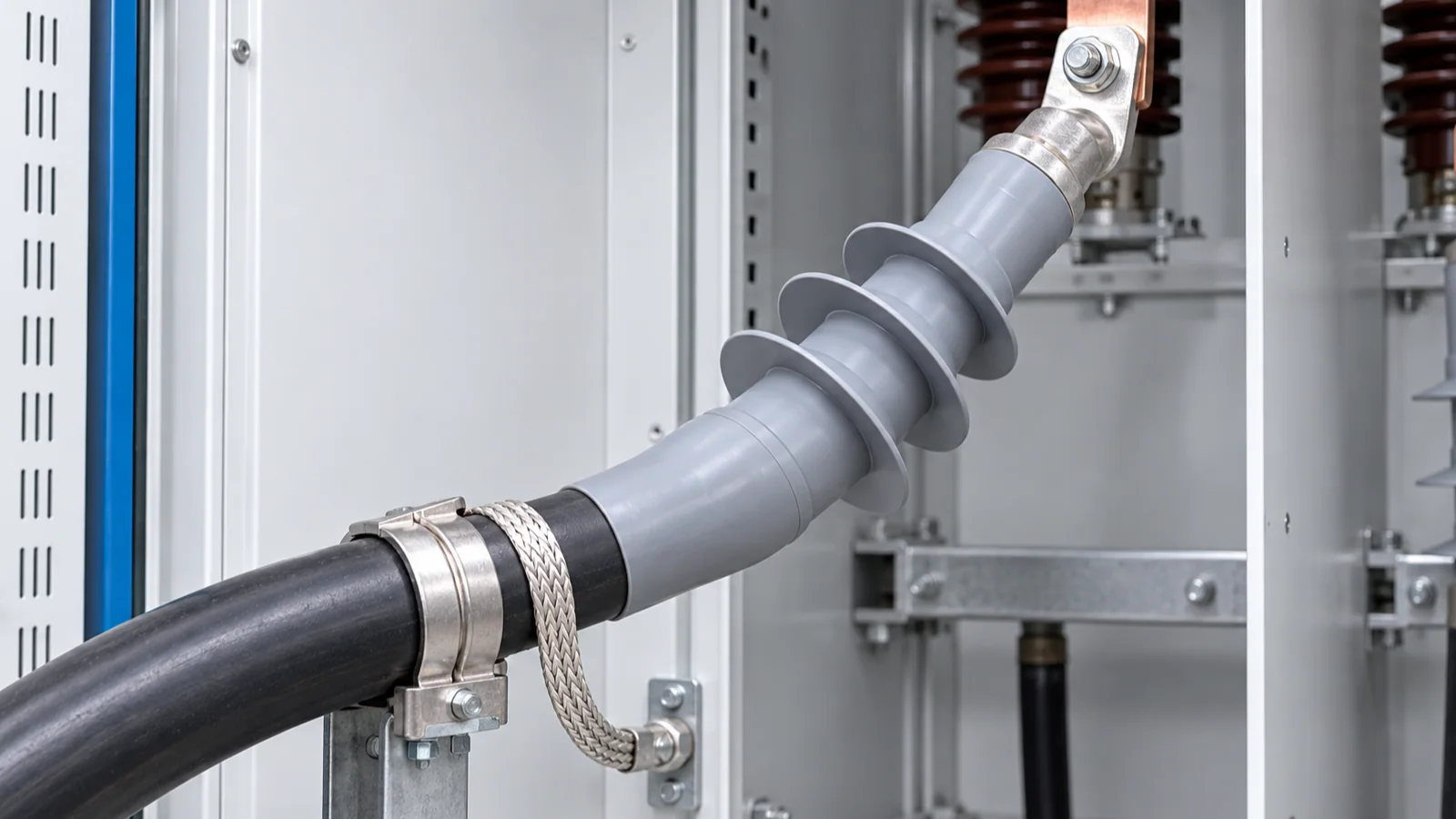
MV Cable Terminations: Stress Control, Creepage, and Why They Fail
For medium-voltage (MV) cable terminations, the first place to investigate is usually the transition between the shielded cable and the connected equipment—not the bulk cable insulation in isolation.…
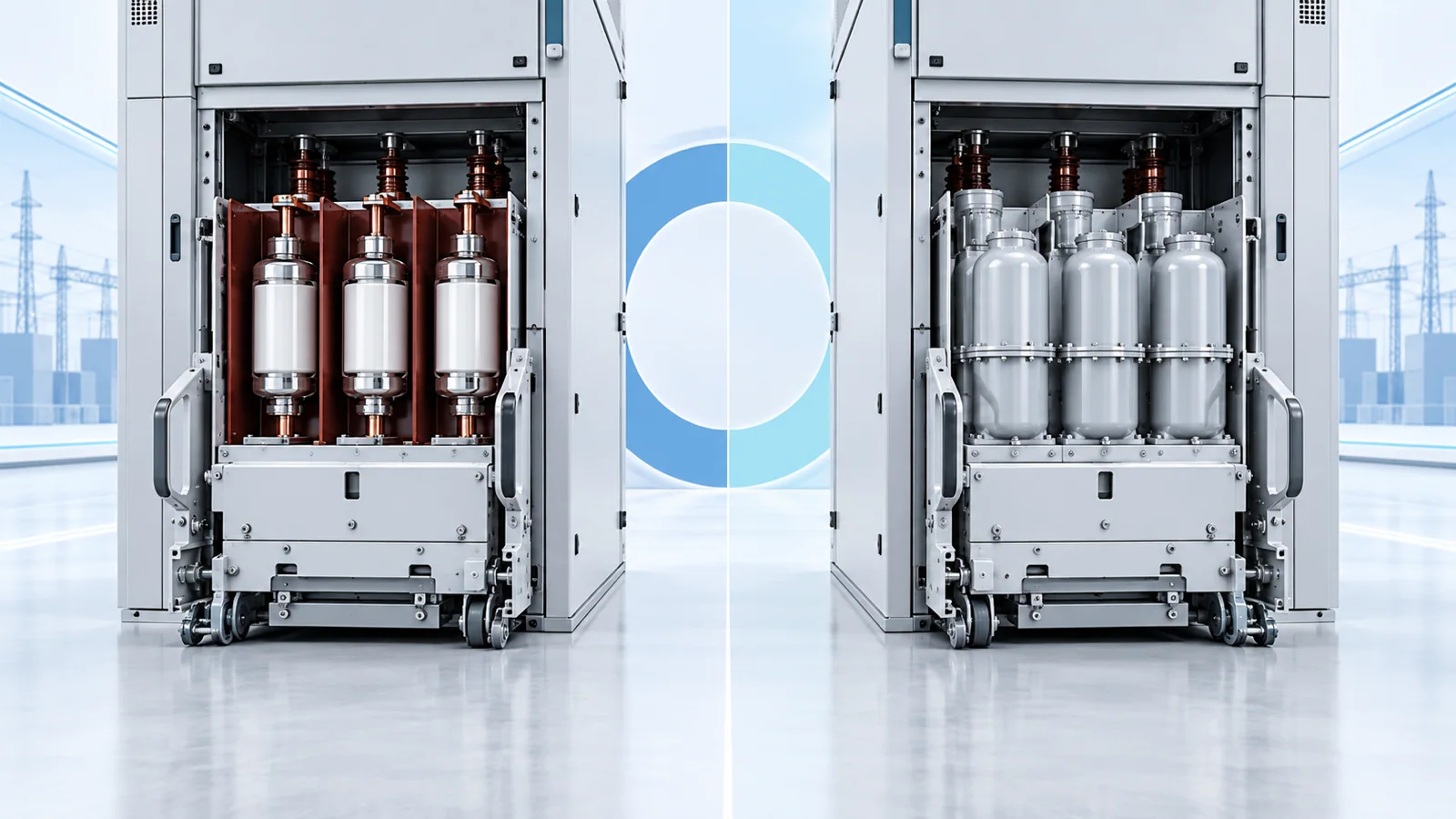
SF6 vs Vacuum Circuit Breakers: How to Choose for 11–36 kV Switchgear
For most new 11–36 kV projects, a vacuum circuit breaker should be the starting point—not because vacuum is universally superior, but because it can meet many distribution duties…
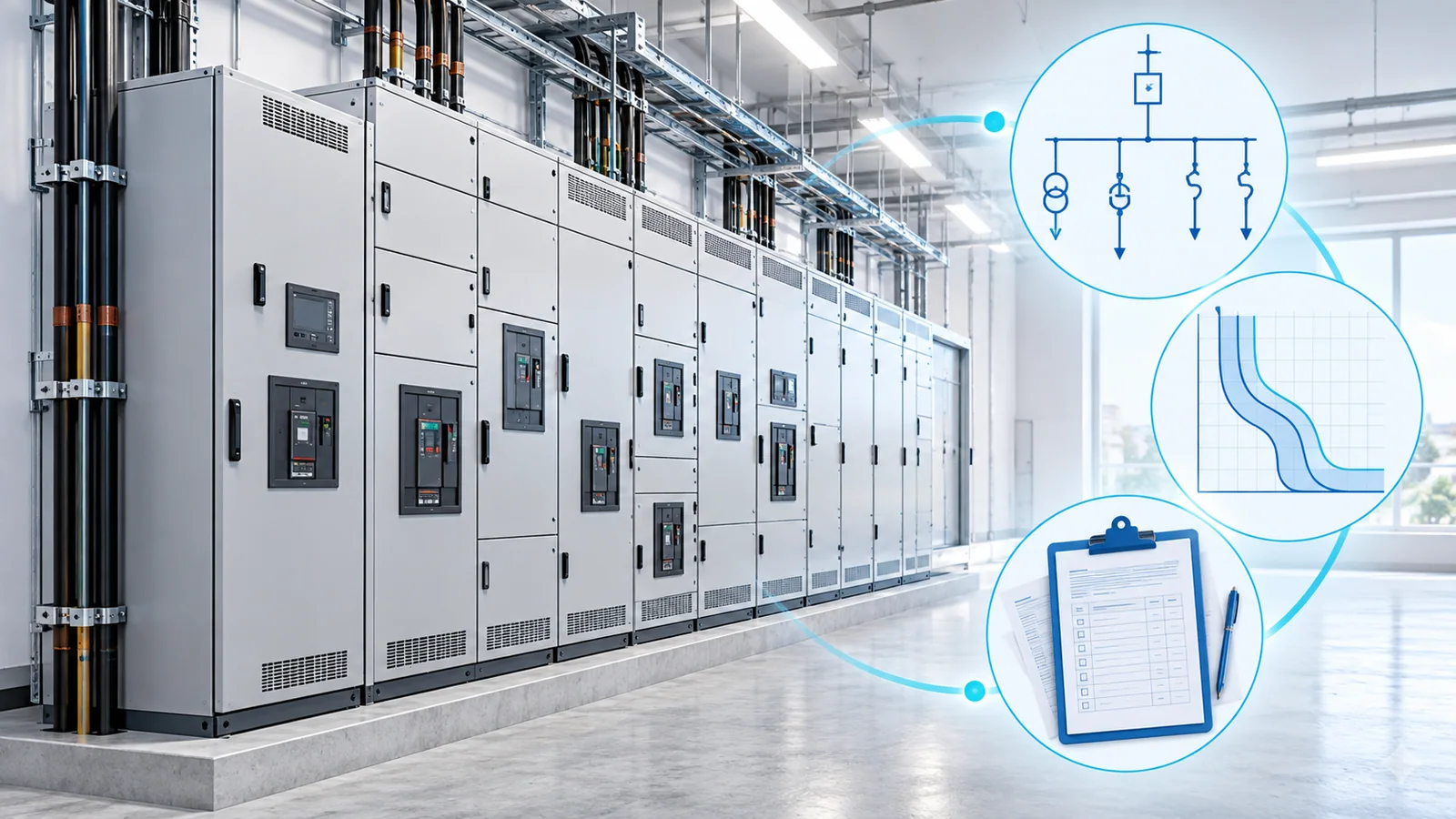
What Is an Arc Flash Study, and Why Do You Need One Now?
An arc flash study—more precisely, an incident energy analysis—models an electrical system to estimate the thermal energy a worker could receive at a defined working distance and to…
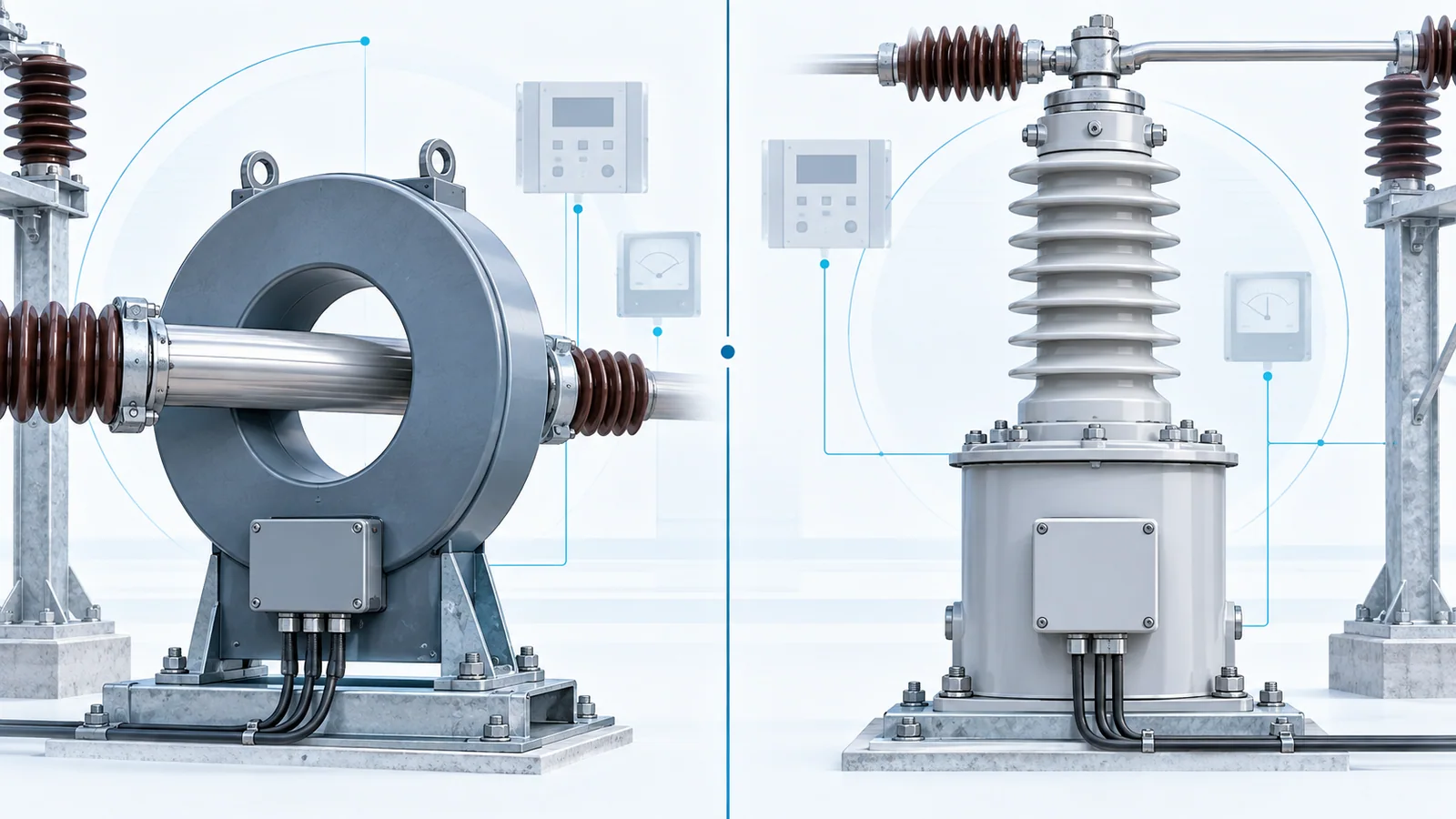
CT and VT Selection Best Practices
Current transformer (CT) and voltage transformer (VT) selection begins with the connected function: revenue metering, indication, protection, control, disturbance recording, or a combination. From there, match system voltage…
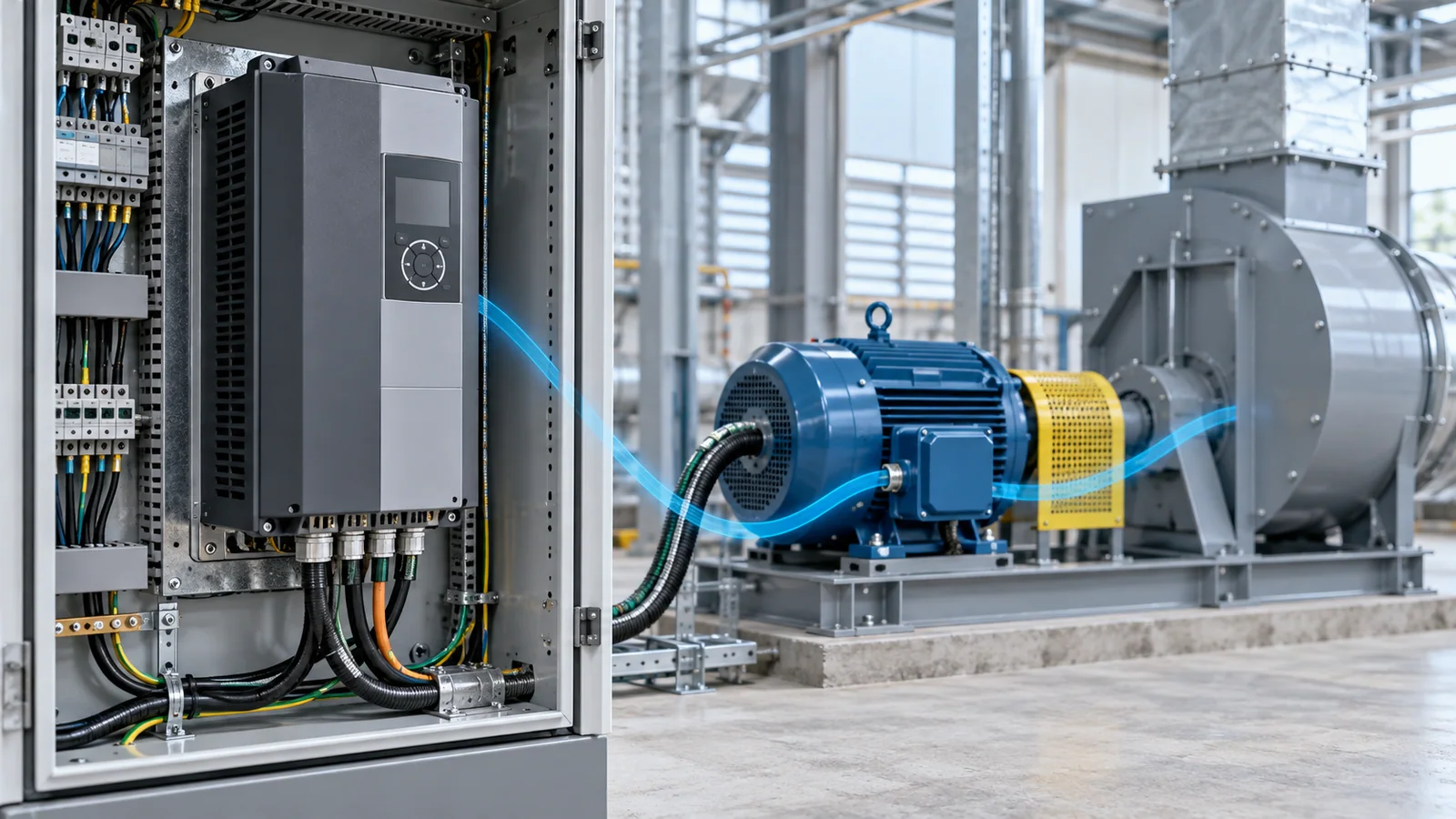
Selecting the Proper VFD
The proper variable frequency drive (VFD) is selected by matching the complete application—not simply the motor’s power rating. Start with the load’s torque–speed profile and operating cycle, then…
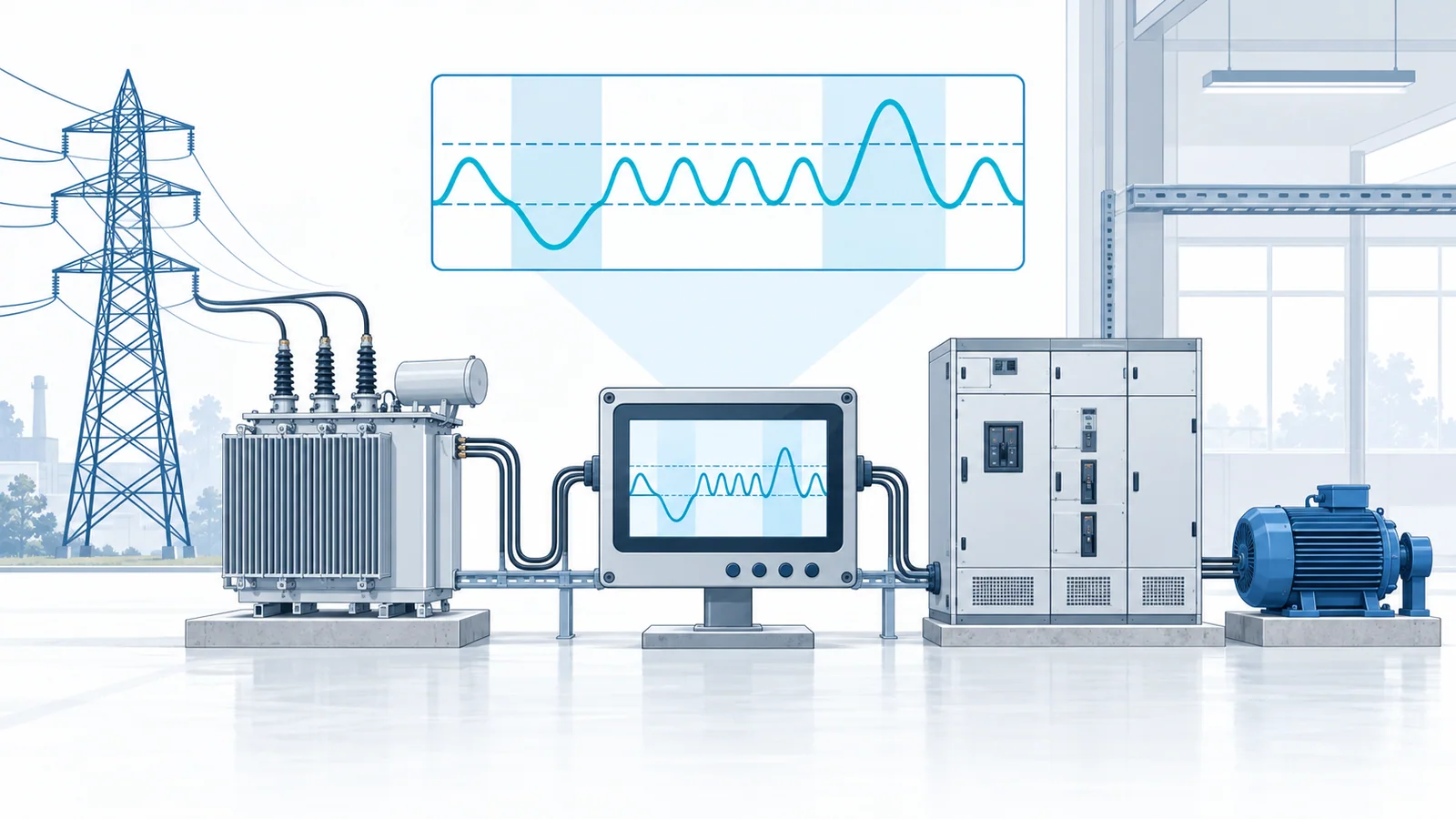
Troubleshooting Voltage Sags and Swells
Voltage sags and swells are best troubleshot as timed system events, not as isolated voltage readings. First verify that an event occurred with a suitable power-quality instrument. Then…