

Electrical Engineering Guides
-
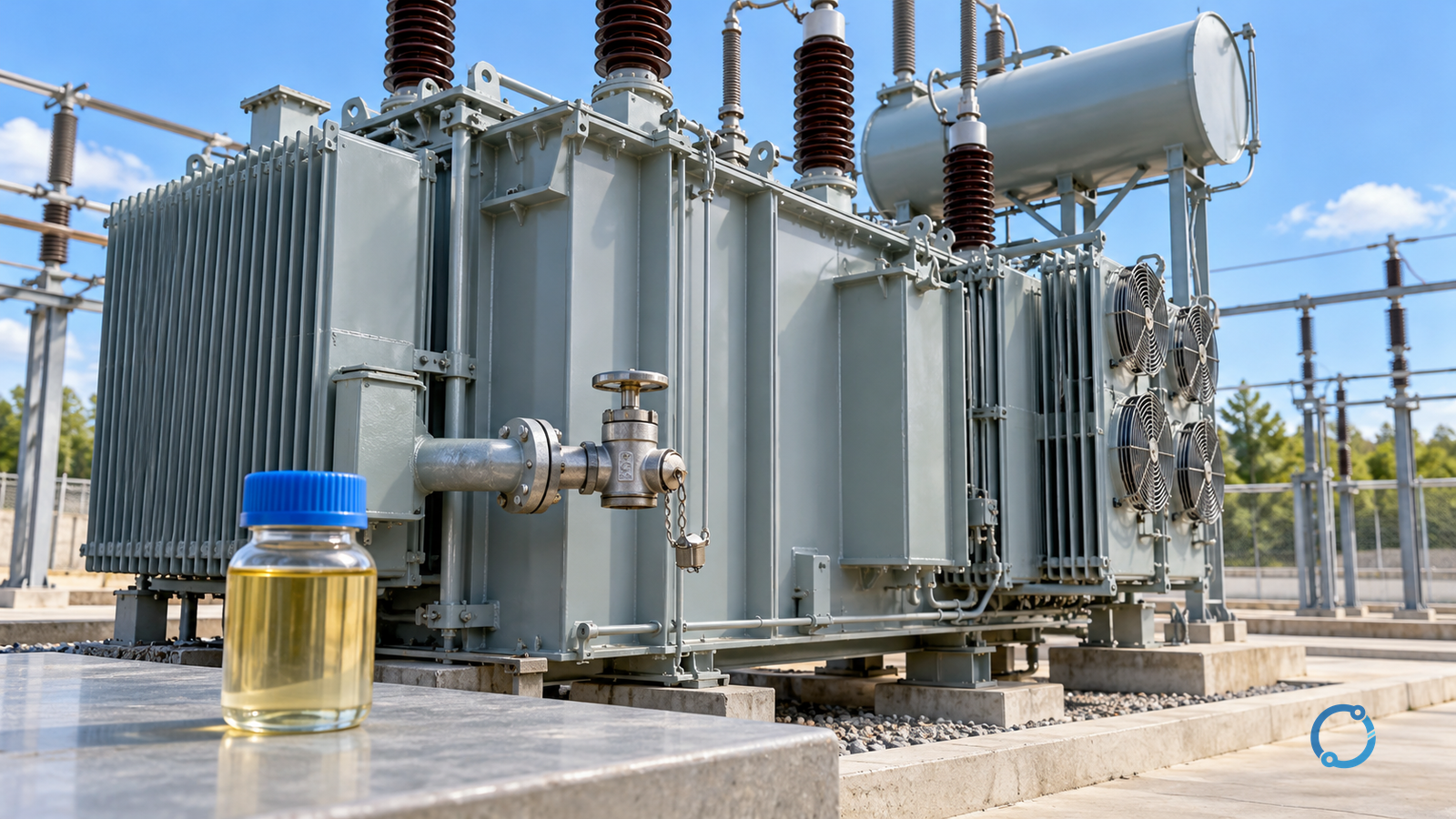
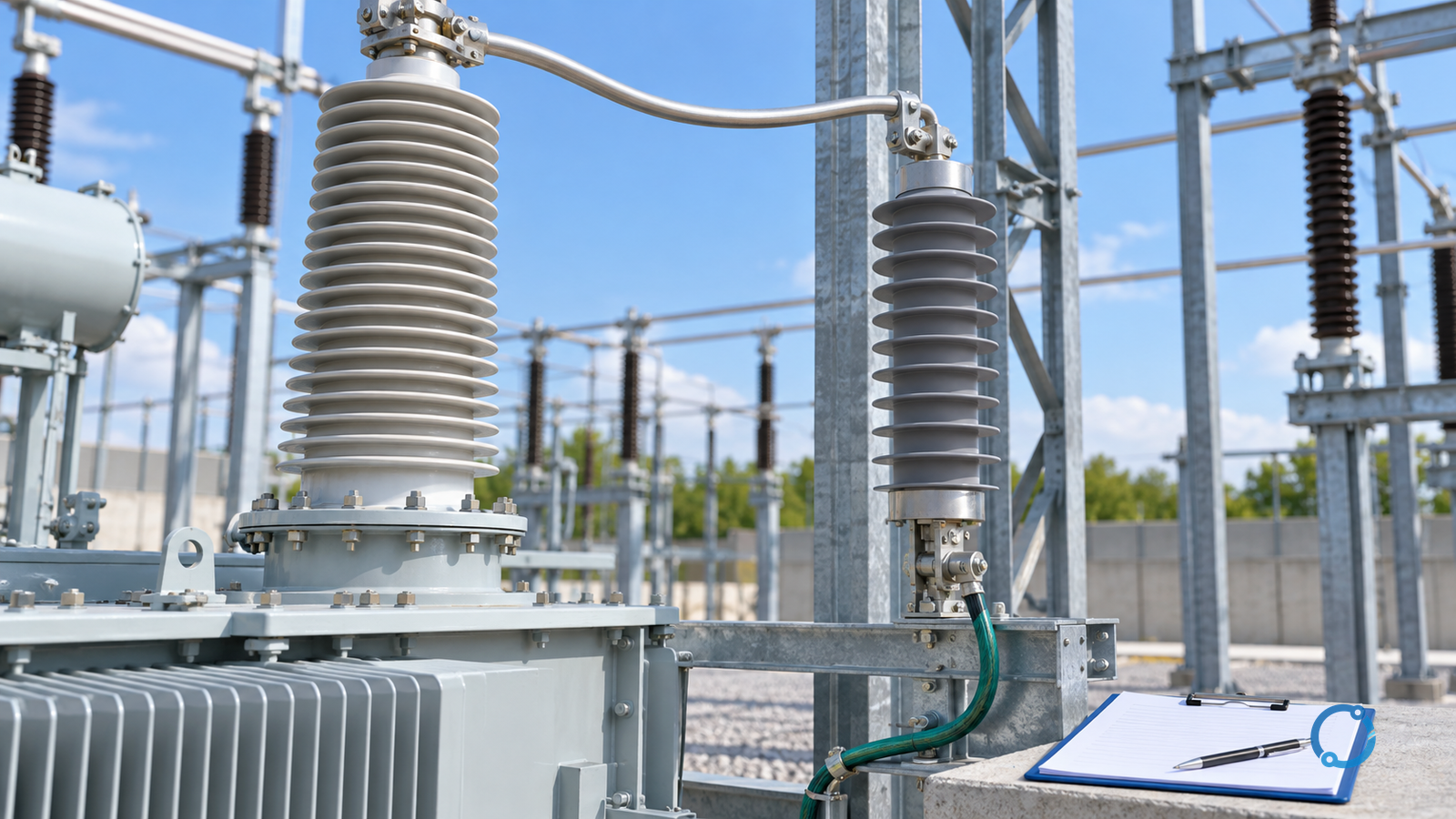
Transformer DGA Results Explained: From Gas Pattern to a Safe Investigation
A dissolved-gas analysis (DGA) result is evidence about an oil-filled transformer, not a diagnosis by itself. First decide what question the report is meant to answer. Then verify…
-
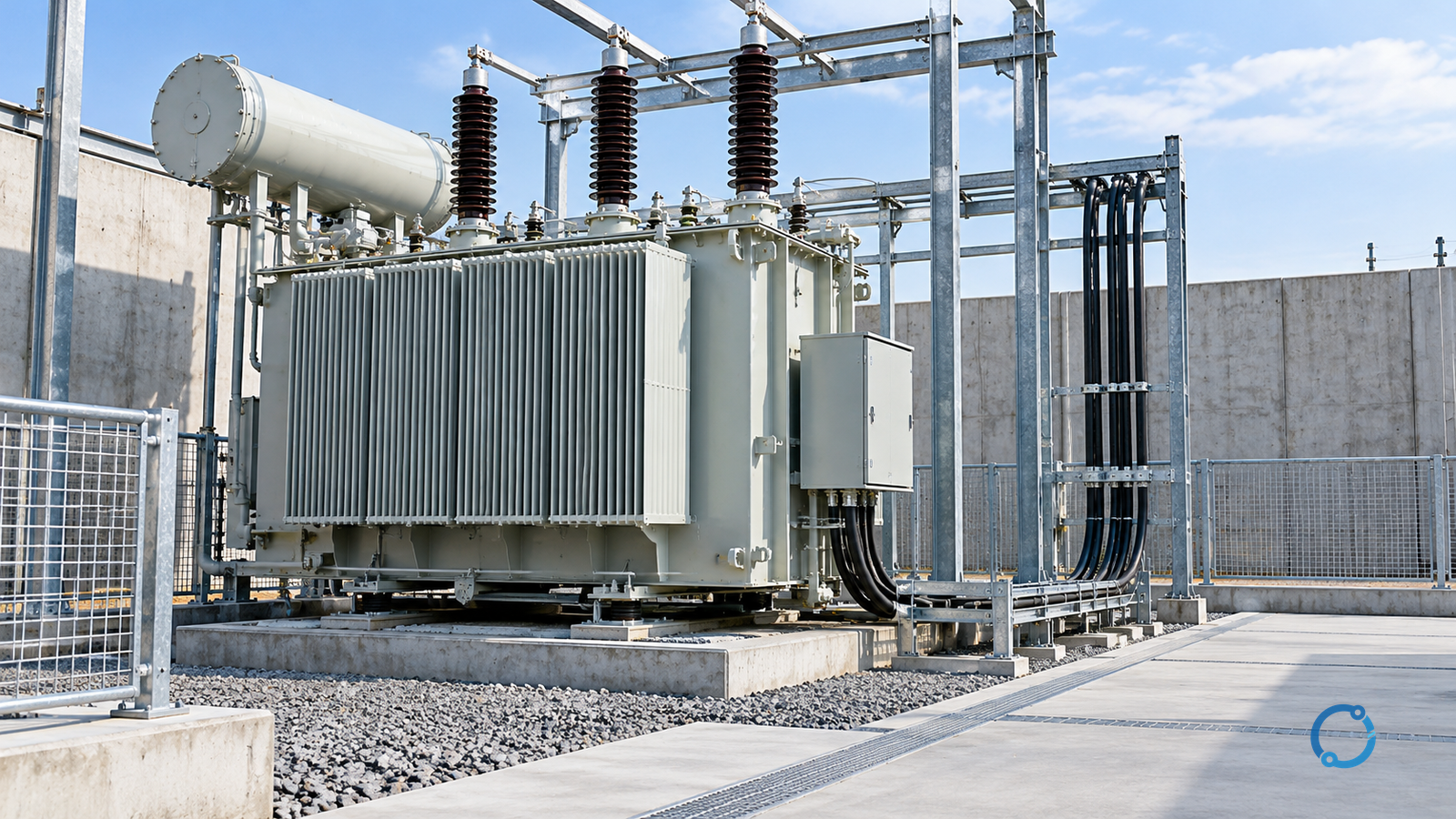
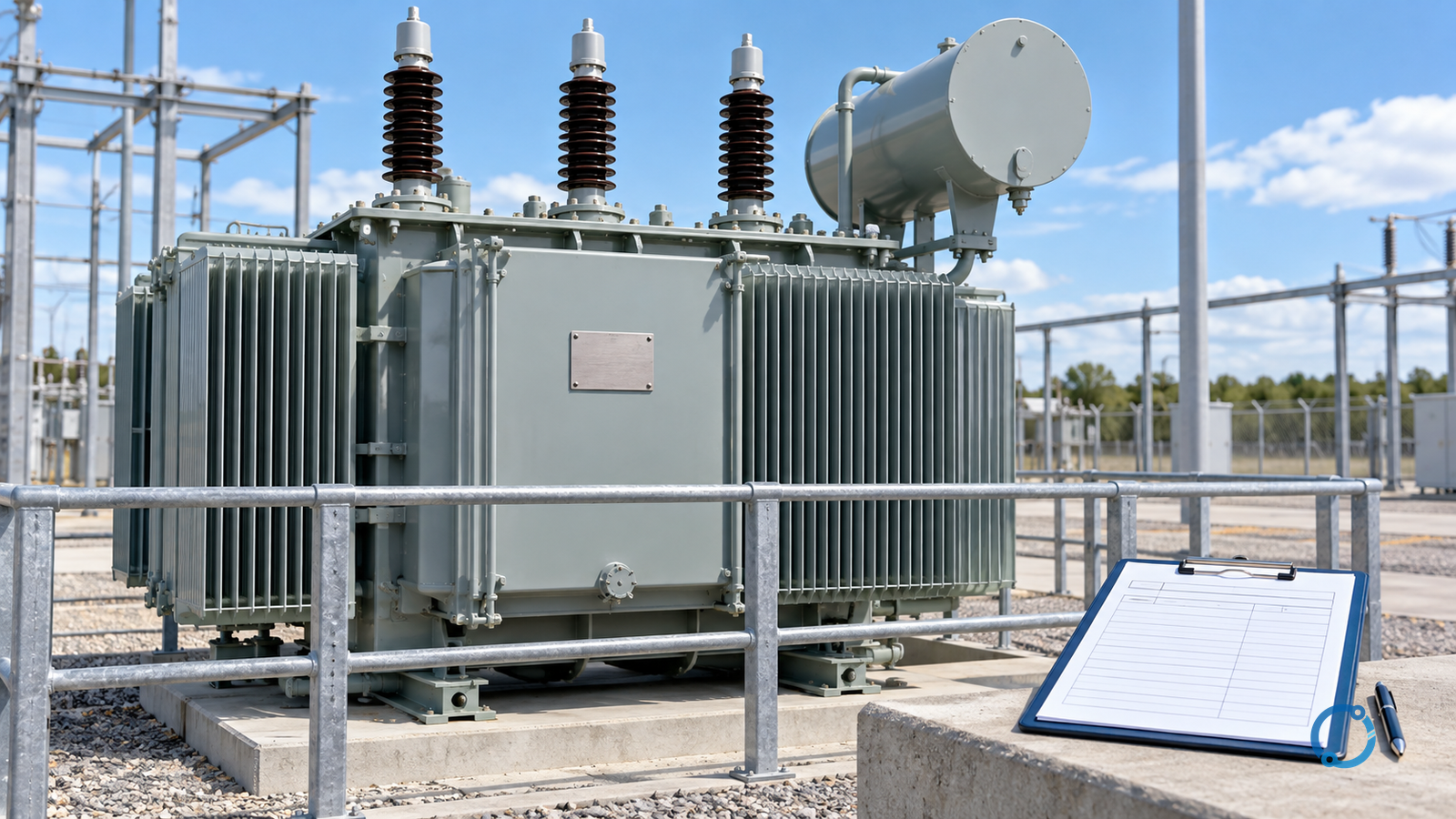
How to Prepare a Transformer for a Safe Installation
Prepare a transformer for installation by turning the approved design, the received unit and the completed site work into one evidence record. The record must reconcile identity and…
-
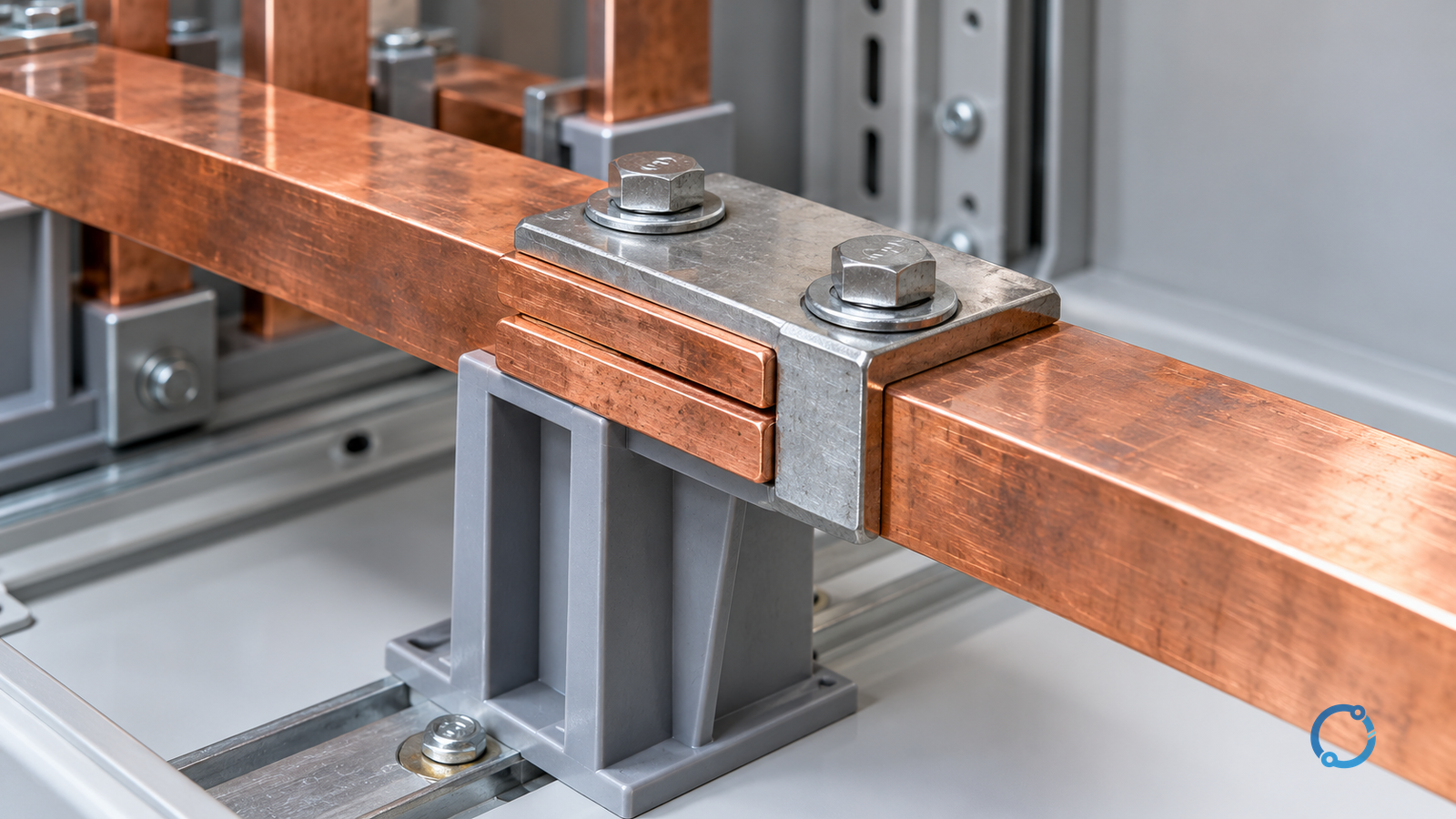
Why Copper Busbar Joints Overheat: A Safe Diagnostic Workflow
A hot copper busbar joint is not automatically a loose joint. Its temperature is the result of the current it carries, the ambient conditions around it, the heat…
-
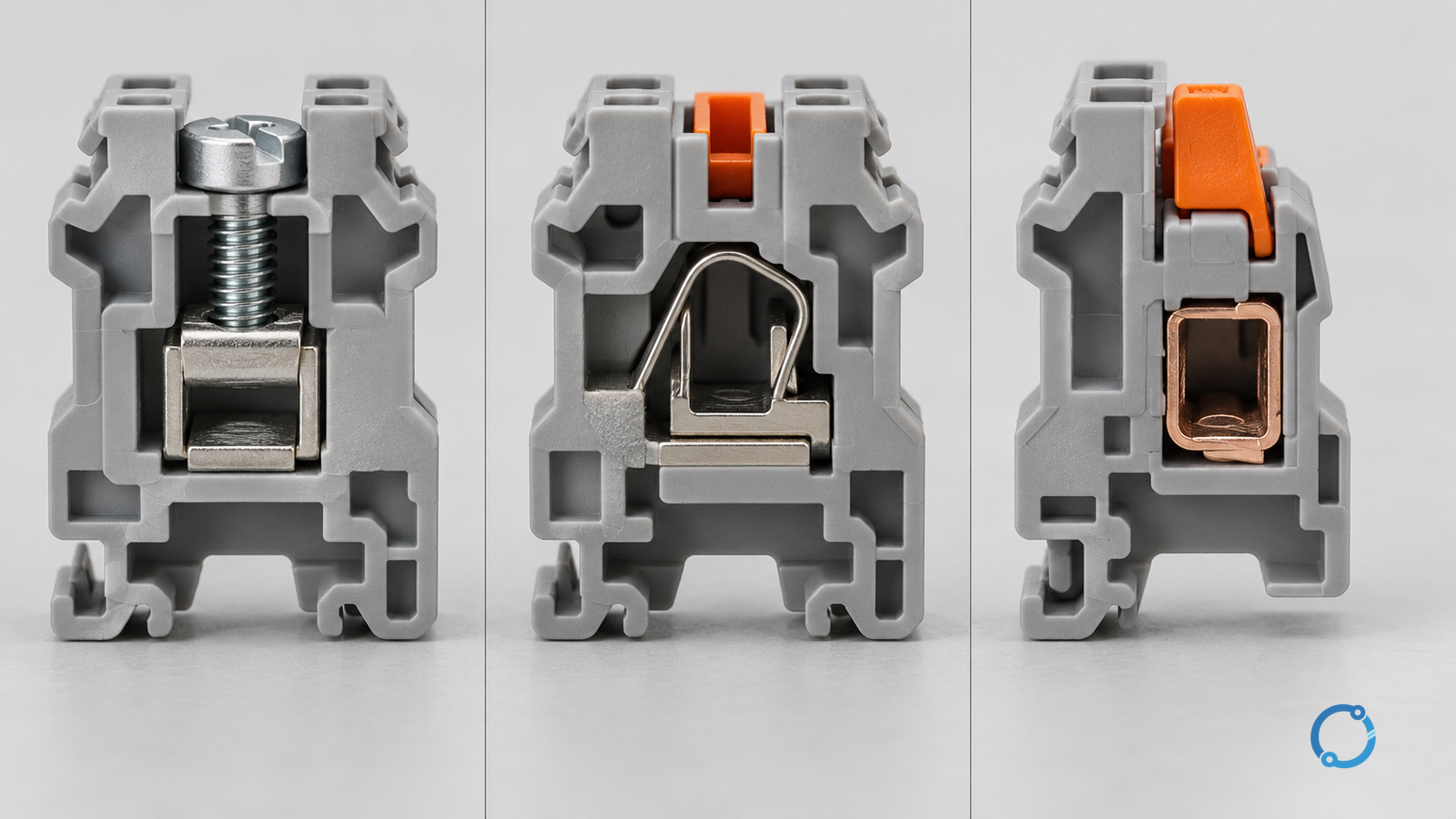
Screw vs Spring vs Push-In Terminal Blocks: A Verification-Based Selection Guide
There is no universal winner among screw, spring-cage and push-in terminal blocks. The useful comparison starts with the conductor and the service duty, then evaluates the complete connection…
-
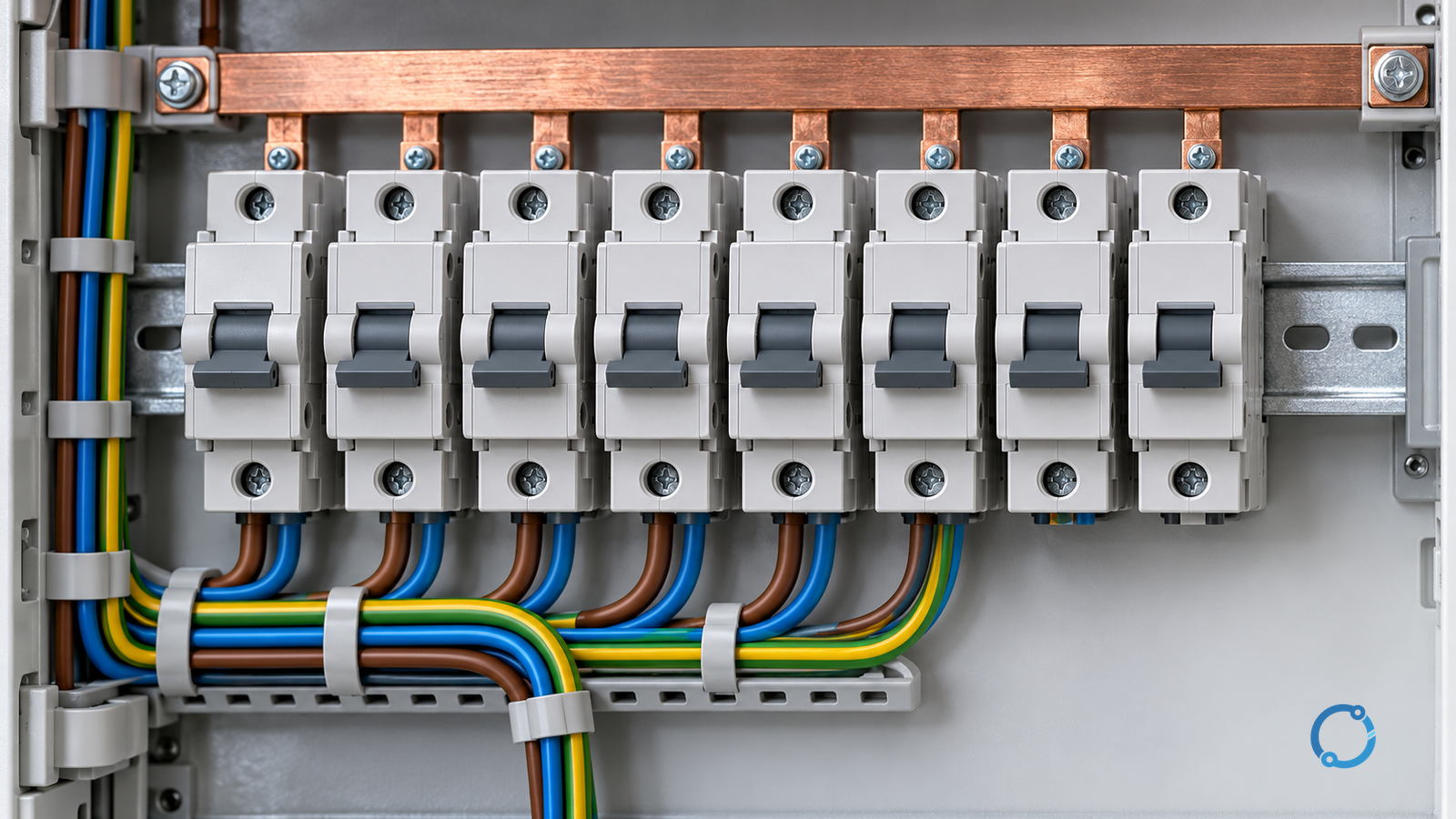
LV Protective Device Ratings: Current, Breaking Capacity and Trip Basis
A low-voltage protective device is not specified by its ampere rating alone. The current must match the load and installation basis; the breaking capacity must match the prospective…
-
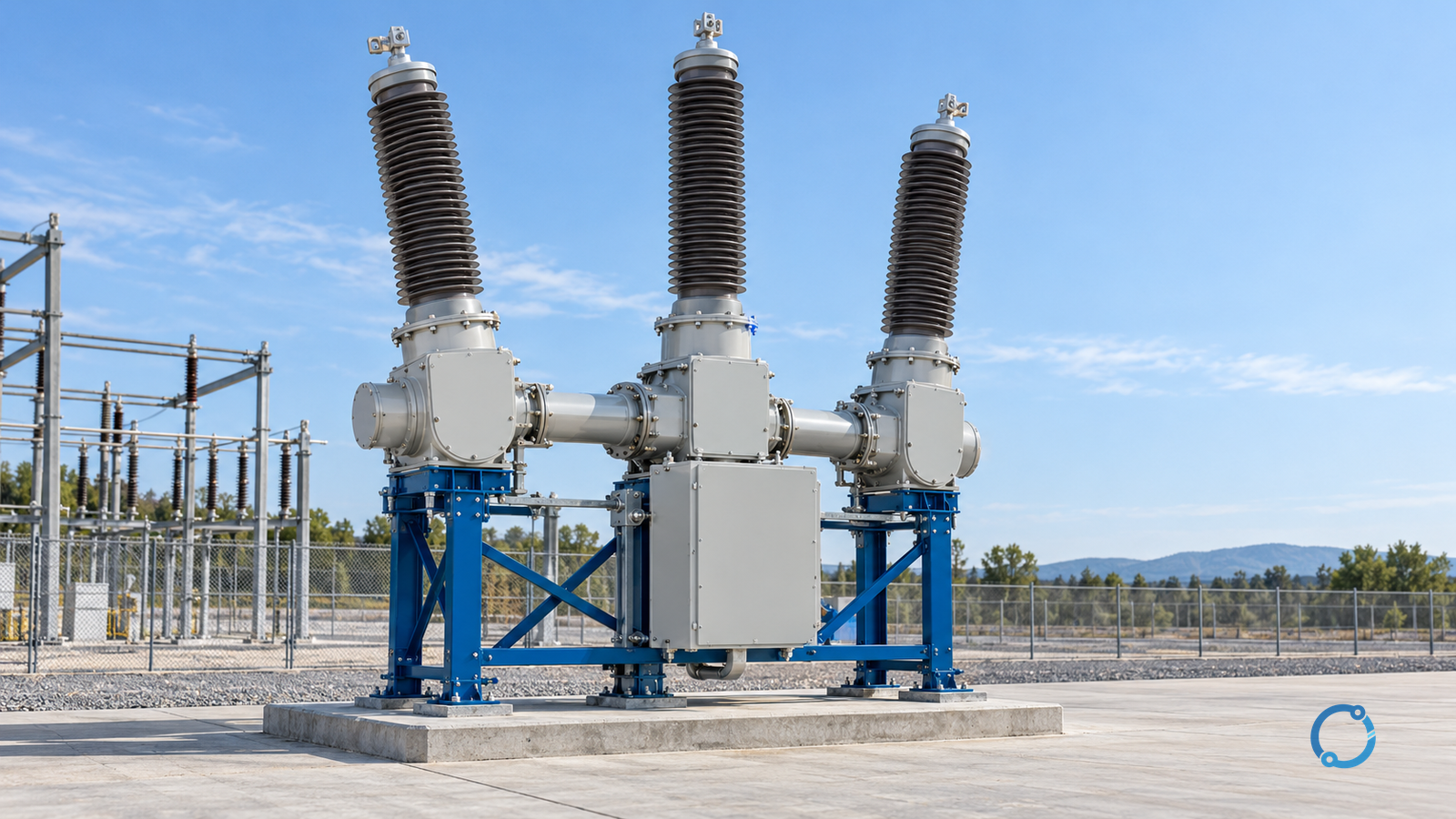
ANSI Circuit Breaker Ratings: How to Compare the Highest Numbers
The breaker with the largest number on its data sheet is not automatically the breaker with the highest usable ANSI rating. That statement is not a word game.…
-
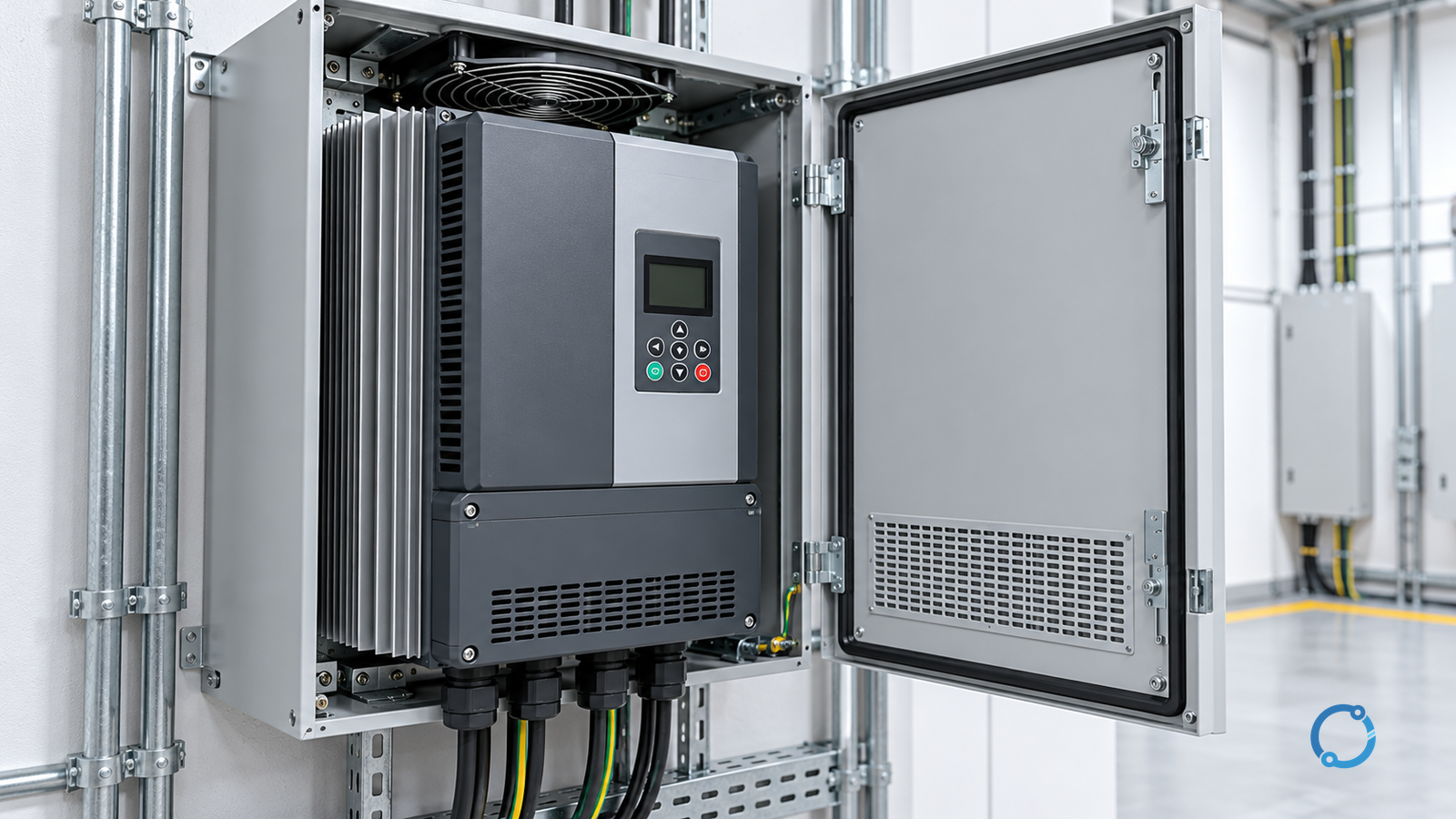
Variable Frequency Drive Maintenance: A Condition-Led Checklist
A useful drive maintenance visit produces evidence, not just a cleaned cabinet. The sequence matters as much as the checklist: isolate and verify first, confirm the DC bus…
-
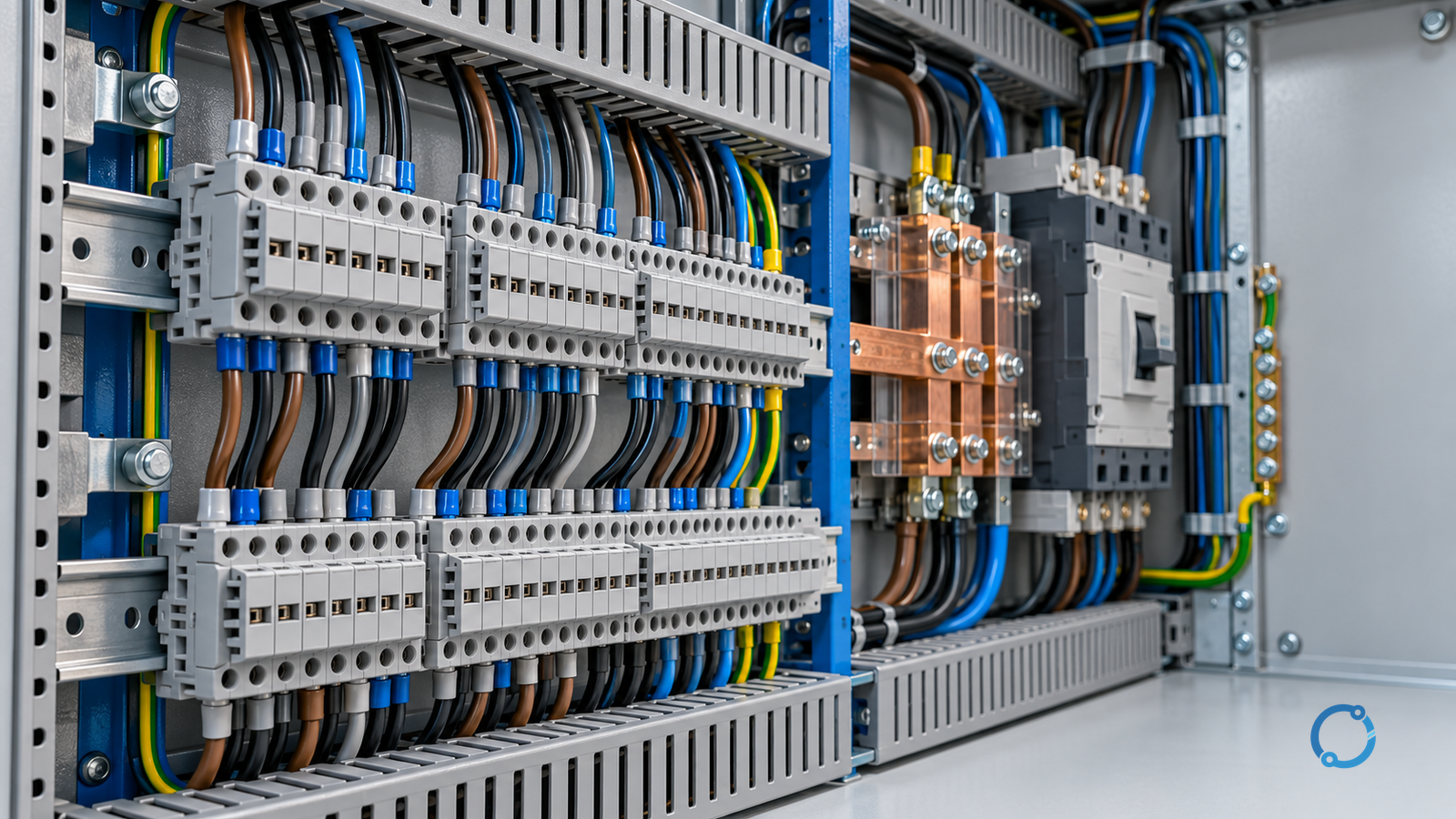
Terminal Block SCCR: What UL 508A Panel Builders Must Check
A terminal block does not hold a panel’s short-circuit current rating (SCCR) by itself, and buying a listed terminal block does not make an assembly compliant. The rating…
-
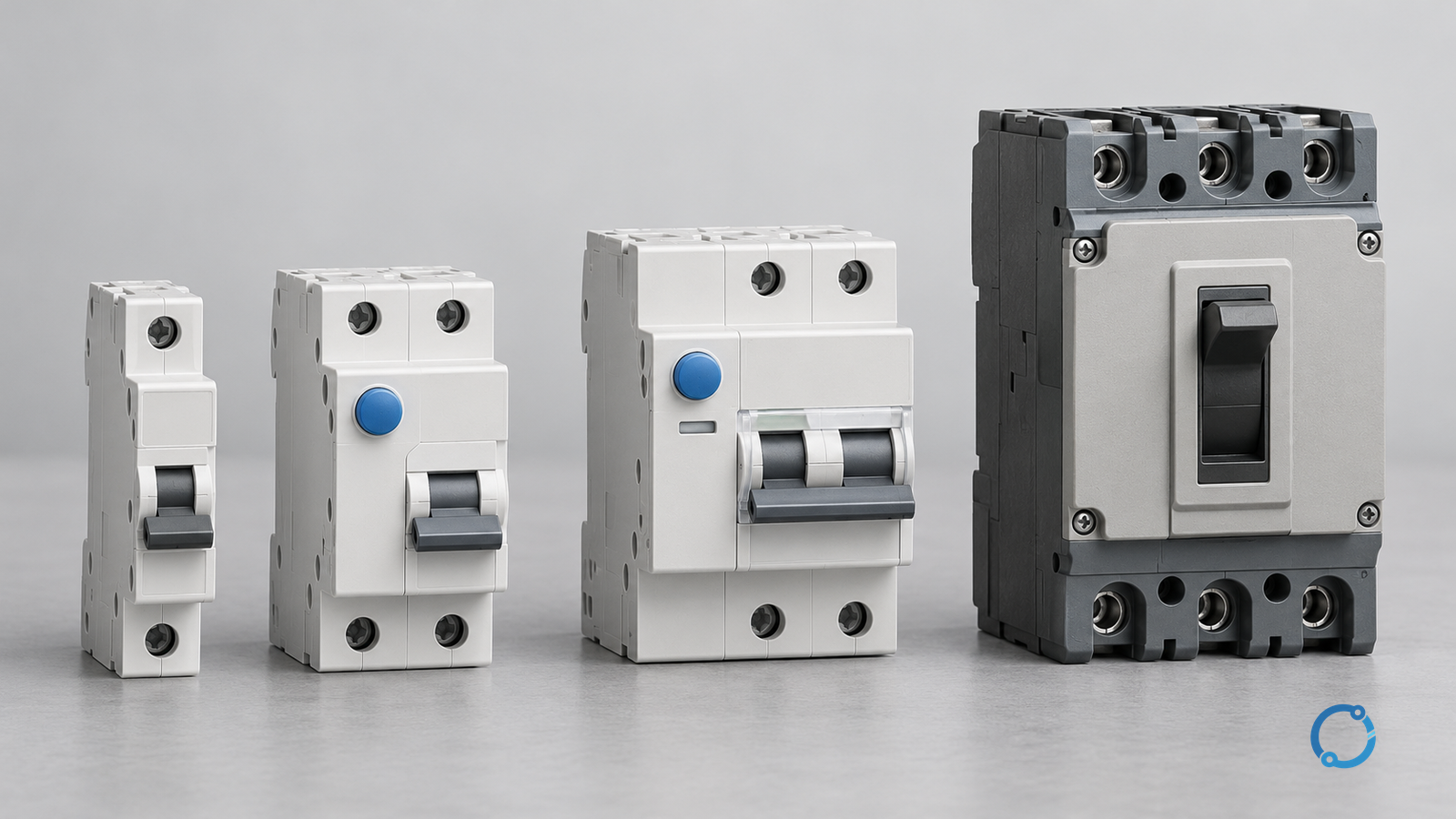
Difference Between MCB, MCCB, ELCB, RCD & RCBO Breakers
The five names are usually listed as if they were five points on one scale. They are not. They answer two different questions, and the confusion disappears once…
-
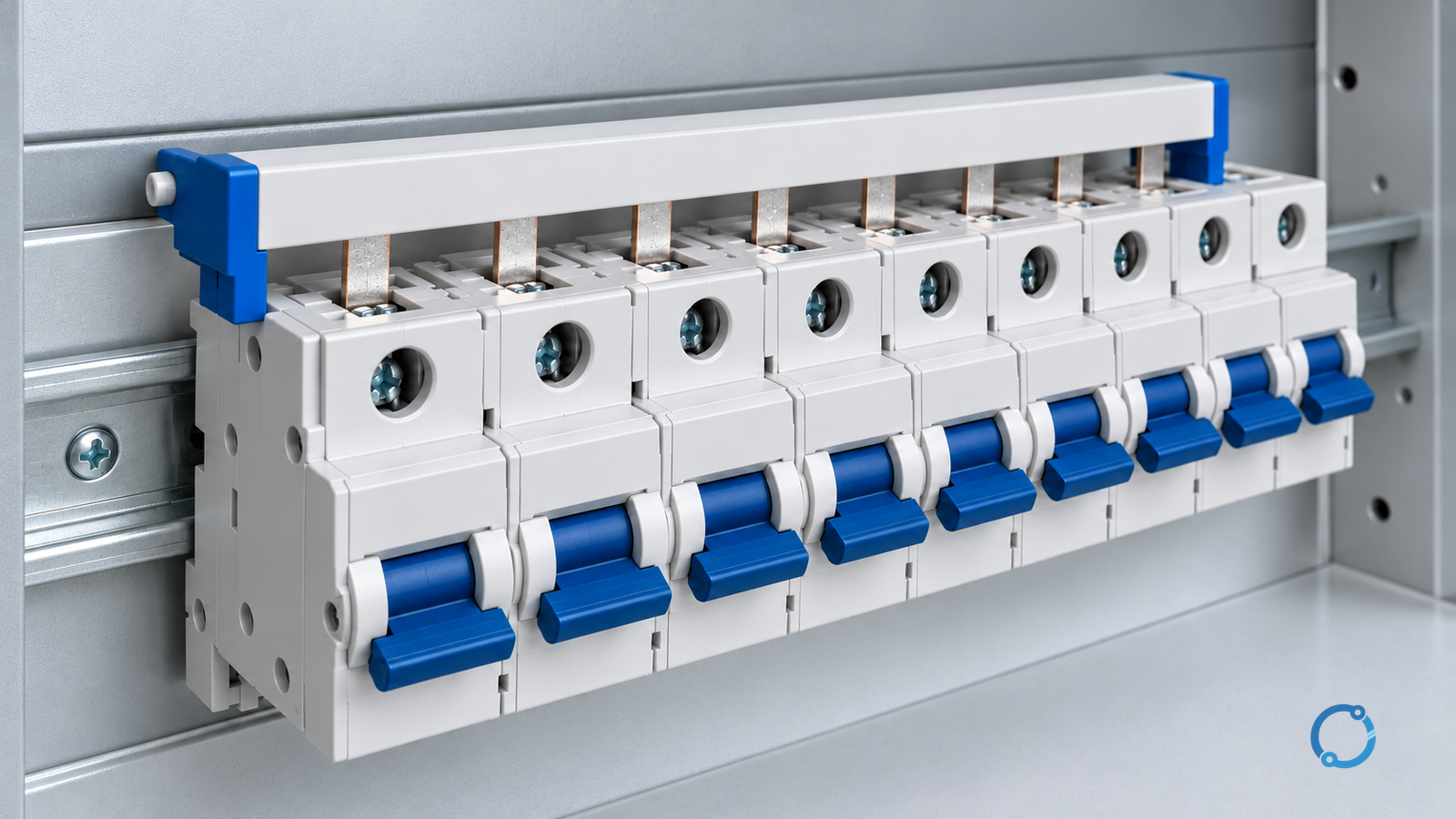
Comb Busbar vs Jumper Wire: Which Is Better for MCBs?
Use a comb busbar when the breaker family, pole pitch, pole count and current rating are fixed, the busbar is declared for that exact breaker, and the row…