Fundamentals
What Is Voltage? Electric Potential Difference Explained With Examples
Voltage is electric potential difference between two points. It describes how much electrical potential energy is available per unit of charge to…

OHELE topic hub
Voltage, current, energy, generation and the calculations that connect them.
This hub covers the quantities behind every electrical decision: voltage, current, impedance, power, energy and demand. The guides begin with definitions, then show how those quantities appear in circuits, electricity bills, generation and delivery. Start with voltage and Ohm’s law, then follow the calculation path into voltage drop, maximum demand and load factor. Each article states the assumptions behind a result and where site-specific engineering judgment is required.
Fundamentals
Voltage is electric potential difference between two points. It describes how much electrical potential energy is available per unit of charge to…
Fundamentals
Ohm’s law relates voltage, current, and resistance in a circuit element: V = I R In this form, V is the voltage…
Voltage is electric potential difference between two points. It describes the electrical condition that can drive charge through a circuit, while the resulting current also depends on the circuit path and its impedance.
For a resistive element under the assumptions of Ohm's law, voltage equals current multiplied by resistance. Real circuits can contain reactance, changing loads and non-linear equipment, so the relationship must be applied with the correct circuit model.
A kilowatt is a rate of power transfer. A kilowatt-hour is an amount of energy obtained by multiplying power by operating time. A high-power load can use less energy than a lower-power load if it runs for a much shorter period.
Voltage drop reduces the voltage available at the load and represents energy lost in the conductor path. Its significance depends on current, conductor properties, length, operating temperature, supply voltage and the requirements of the connected equipment.
Generation converts an energy source into electrical power. Transformers and transmission or distribution networks move that power at suitable voltages, and the installation distributes it to final equipment through protective and switching devices.
Newest first
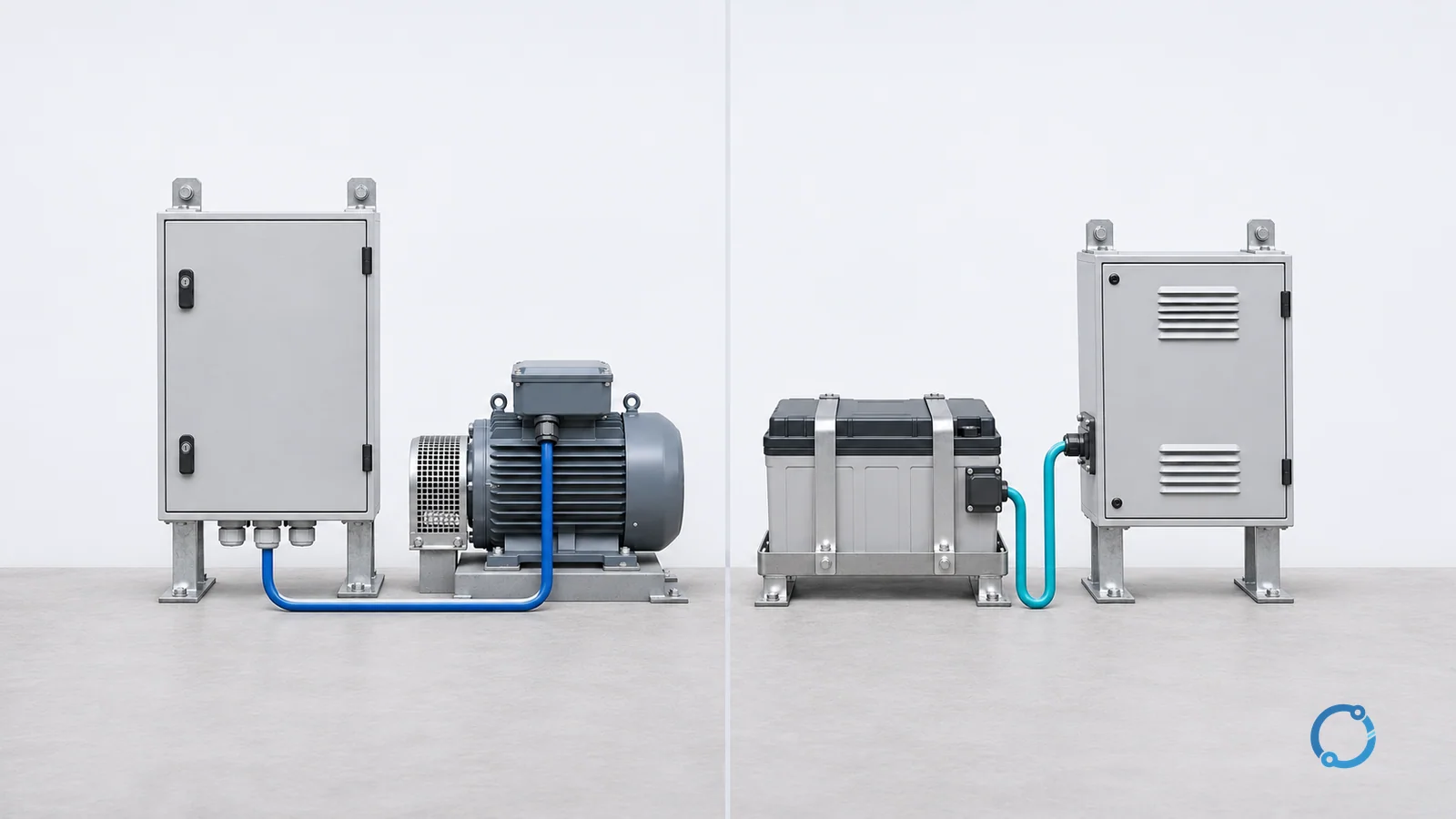
Short answer: Alternating current (AC) periodically reverses direction, while direct current (DC) flows in one direction. AC became the practical basis of the bulk power grid because a…

Ohm’s law relates voltage, current, and resistance in a circuit element: V = I R In this form, V is the voltage across the element in volts, I…

Voltage drop is the reduction in voltage along a conductor path while current flows. For a simplified resistance-only estimate, calculate the conductor resistance first, apply the path factor…
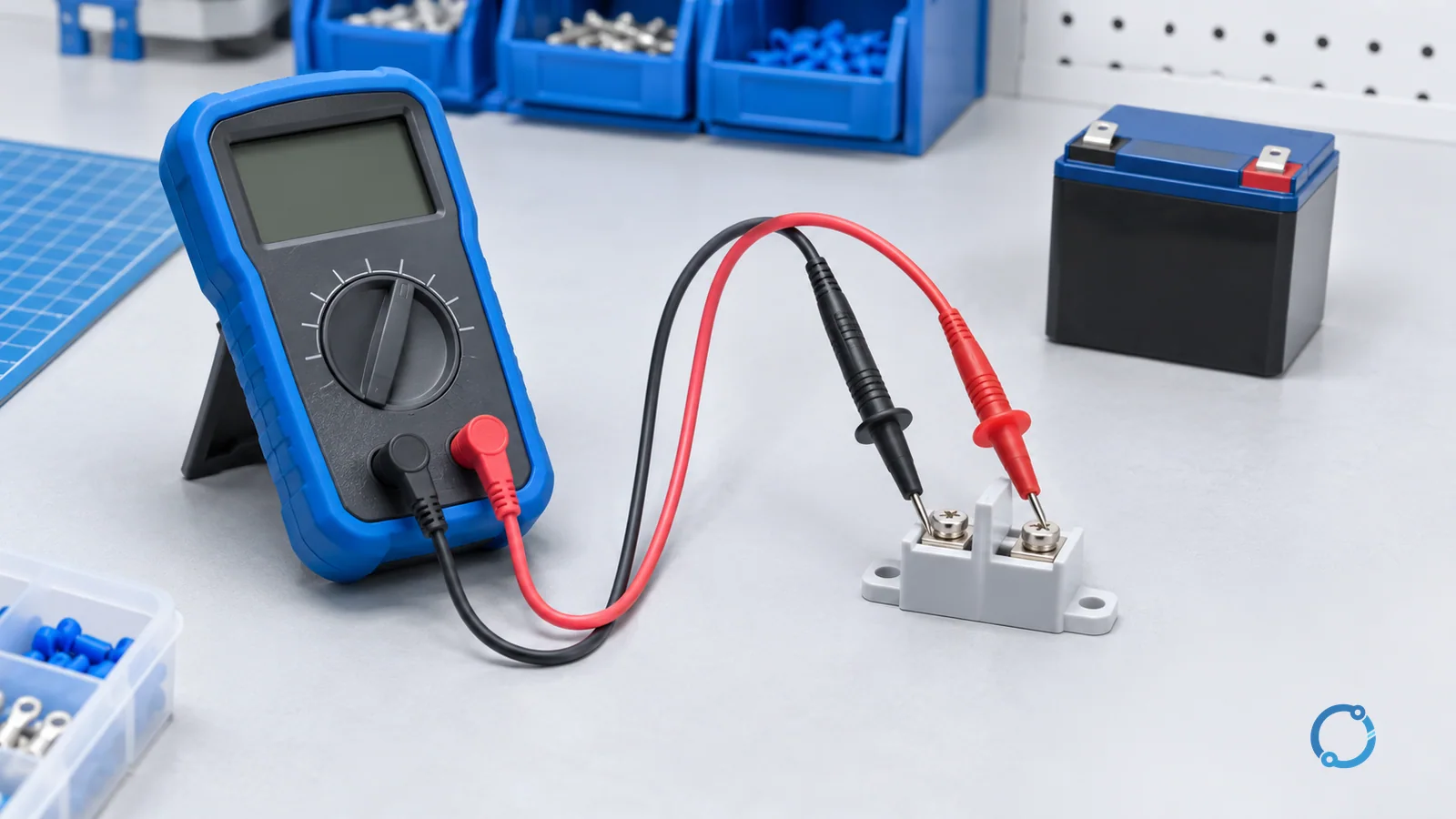
Voltage is electric potential difference between two points. It describes how much electrical potential energy is available per unit of charge to move between those points. The unit…

A kilowatt (kW) measures power: the rate at which equipment uses or supplies energy. A kilowatt-hour (kWh) measures an amount of energy. To calculate electricity use at a…
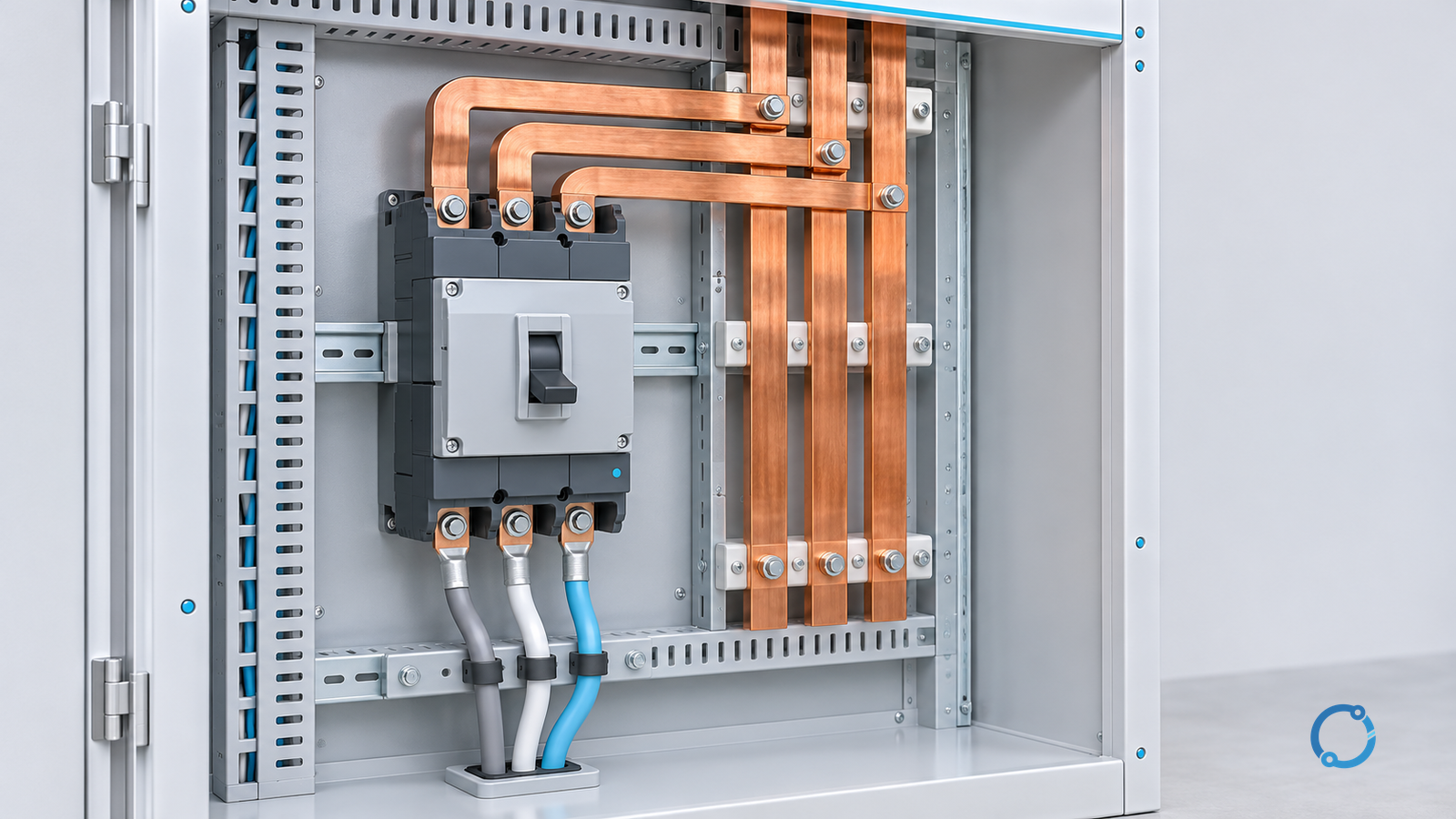
Maximum demand is not the sum of every connected load. It is the greatest demand expected over a defined assessment period after the applicable demand methodology has been…
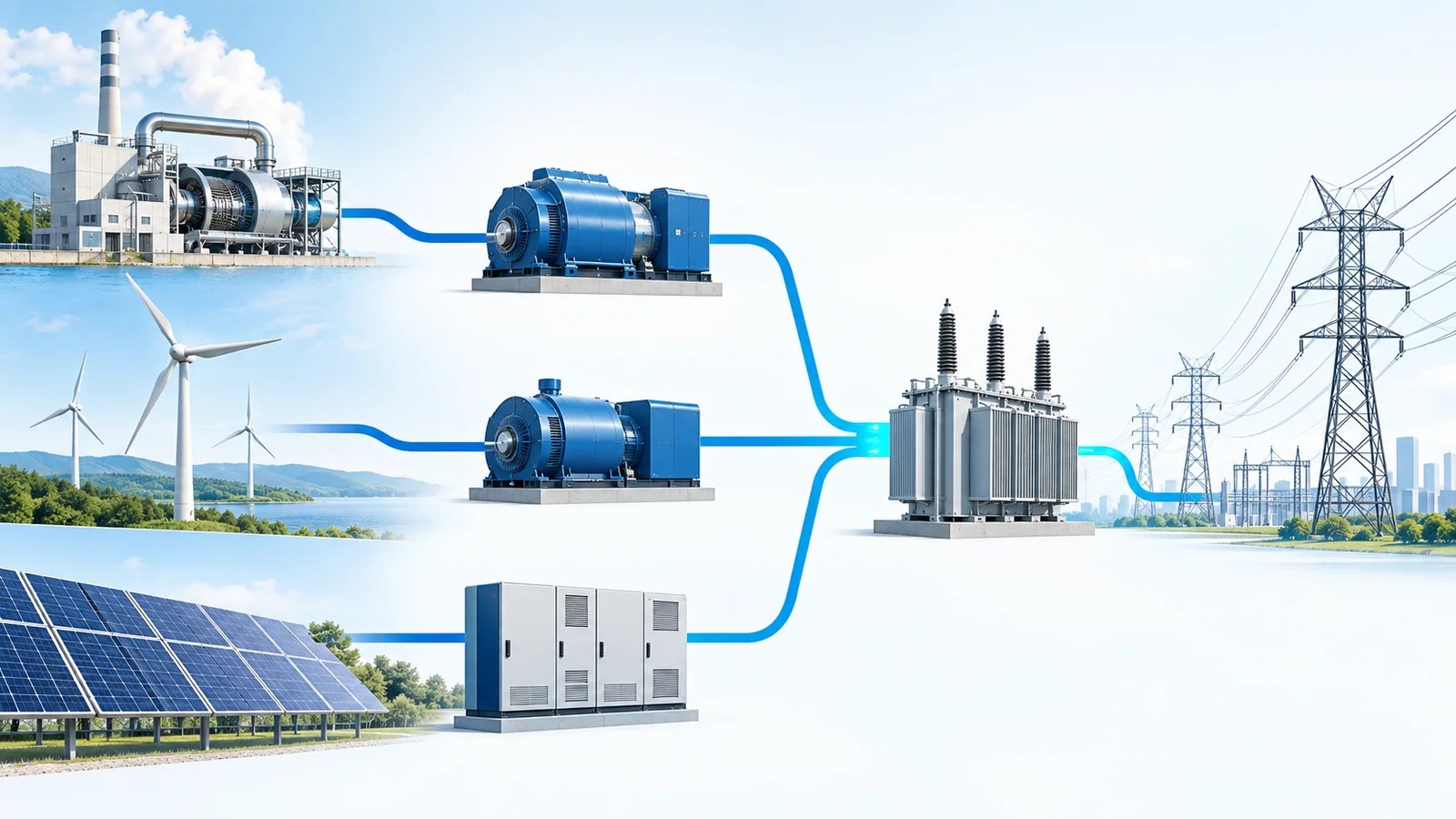
Electricity is generated by converting another form of energy into electrical energy. In most power plants, heat, falling water, wind or an engine first creates mechanical rotation. That…