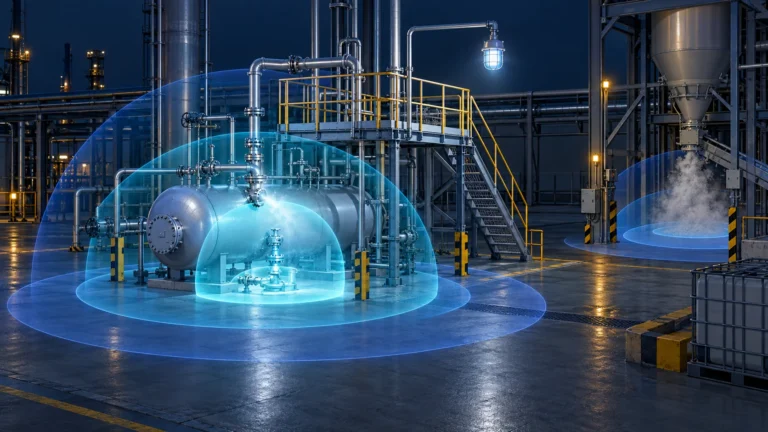
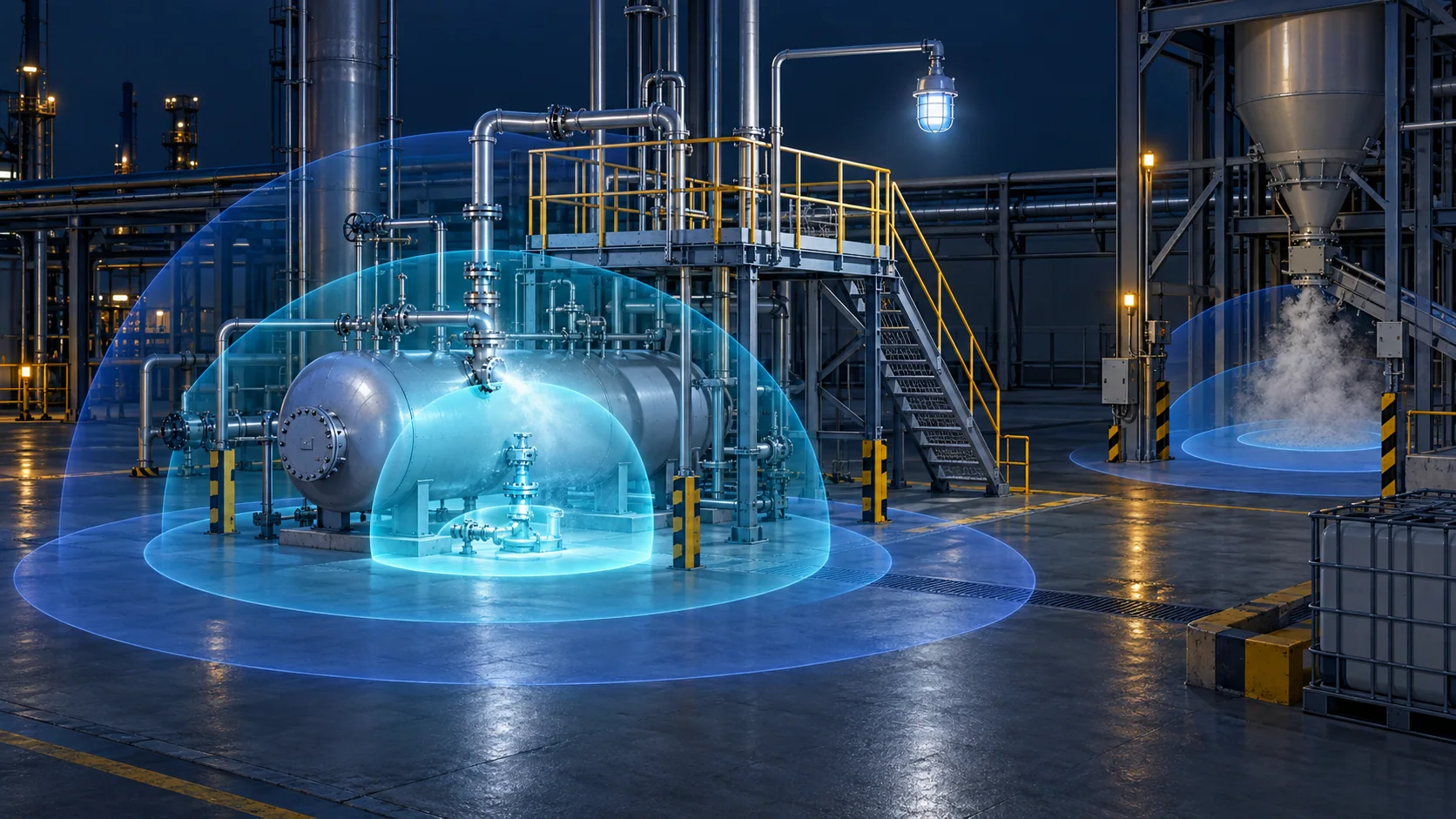
Hazardous-area electrical work begins with a question that ordinary equipment selection does not ask: can the equipment, its installation or its maintenance activity become a source of ignition? The answer depends on the flammable material, the likelihood and duration of a release, the ventilation and physical arrangement of the area, and the protection concept of the equipment. A product marked for a hazardous location is not automatically suitable for every zone, gas group, temperature class or installation condition.
The reading path begins with area classification and equipment grouping. ATEX and equivalent hazardous-area frameworks describe the relationship between a potential release and the permitted equipment concept. Zone, gas group, temperature class, equipment protection level, ingress protection and ambient temperature are separate attributes. They must be read together and checked against the actual installation. A higher IP number, for example, does not replace an Ex protection concept, and a certificate does not prove that a cable gland, enclosure or camera assembly remains compliant after modification.
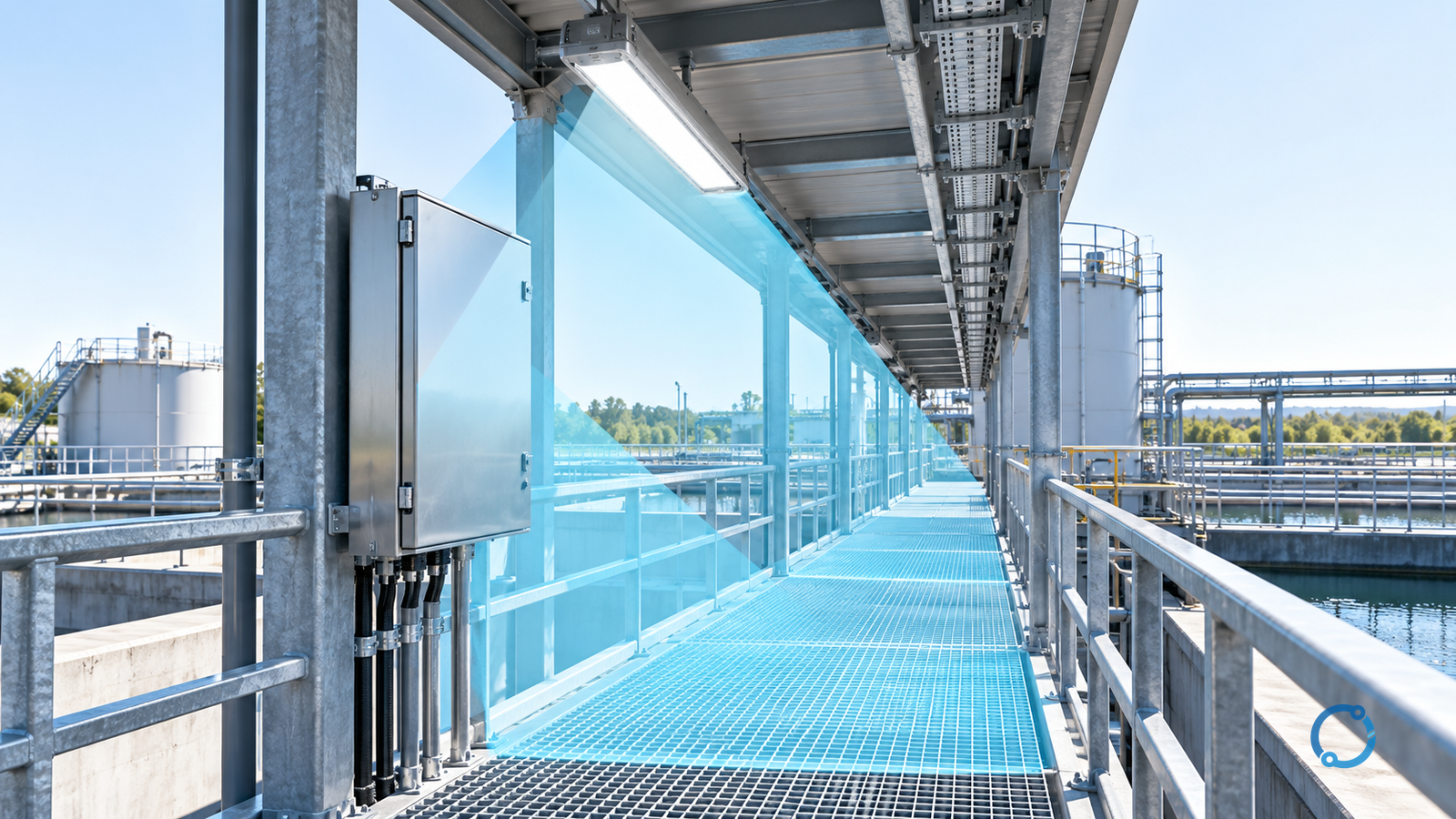
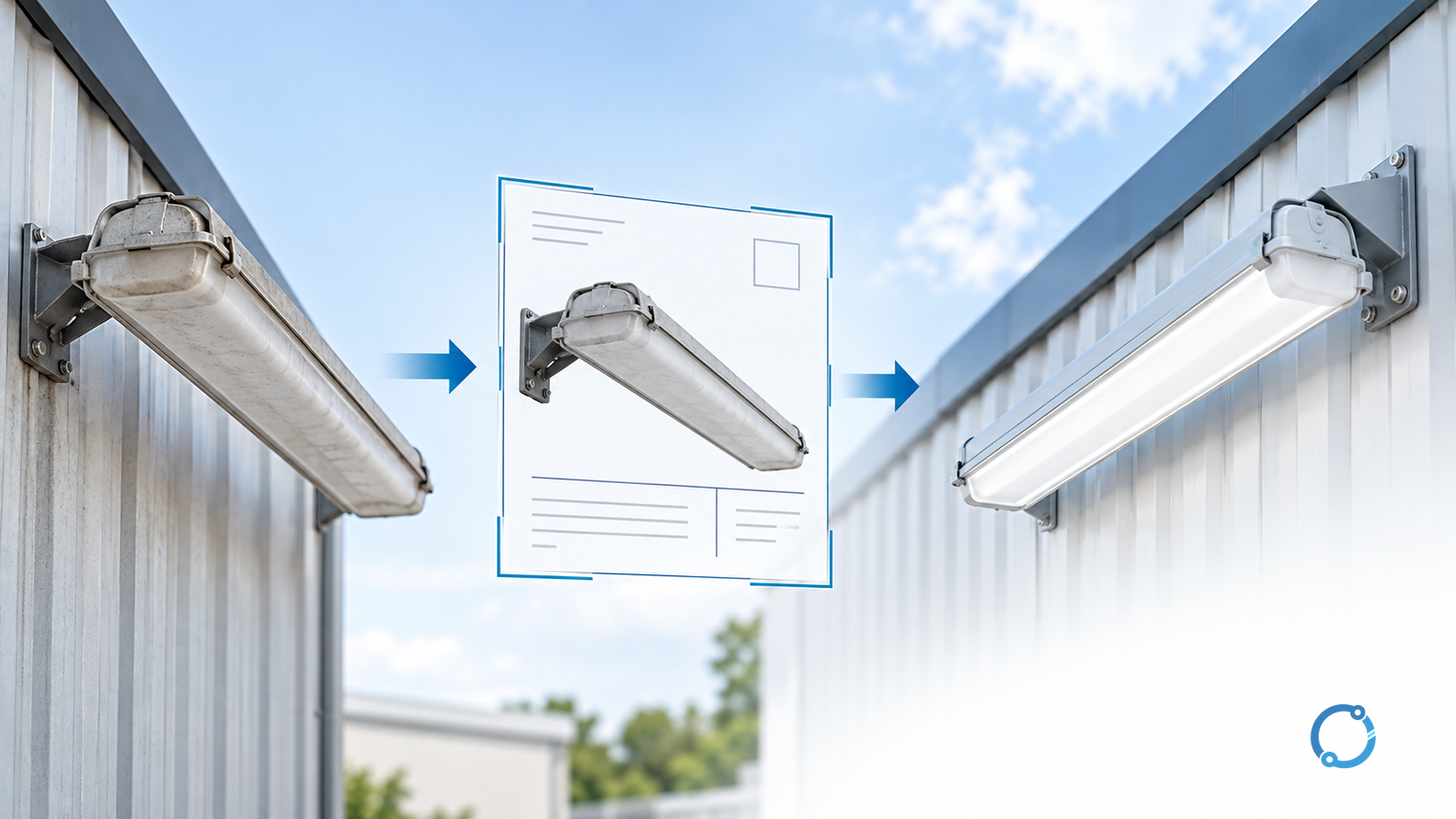
Lighting articles apply the principles to a common but technically demanding load. A luminaire has optical distribution, heat generation, ingress, corrosion, mounting and maintenance requirements. Replacing an existing fixture with a different wattage or light distribution can affect both the process and the equipment’s thermal behaviour. Retrofit work must preserve the approved assembly and its installation conditions. A photometric comparison is useful only when it is based on the relevant geometry and maintained illuminance requirement.
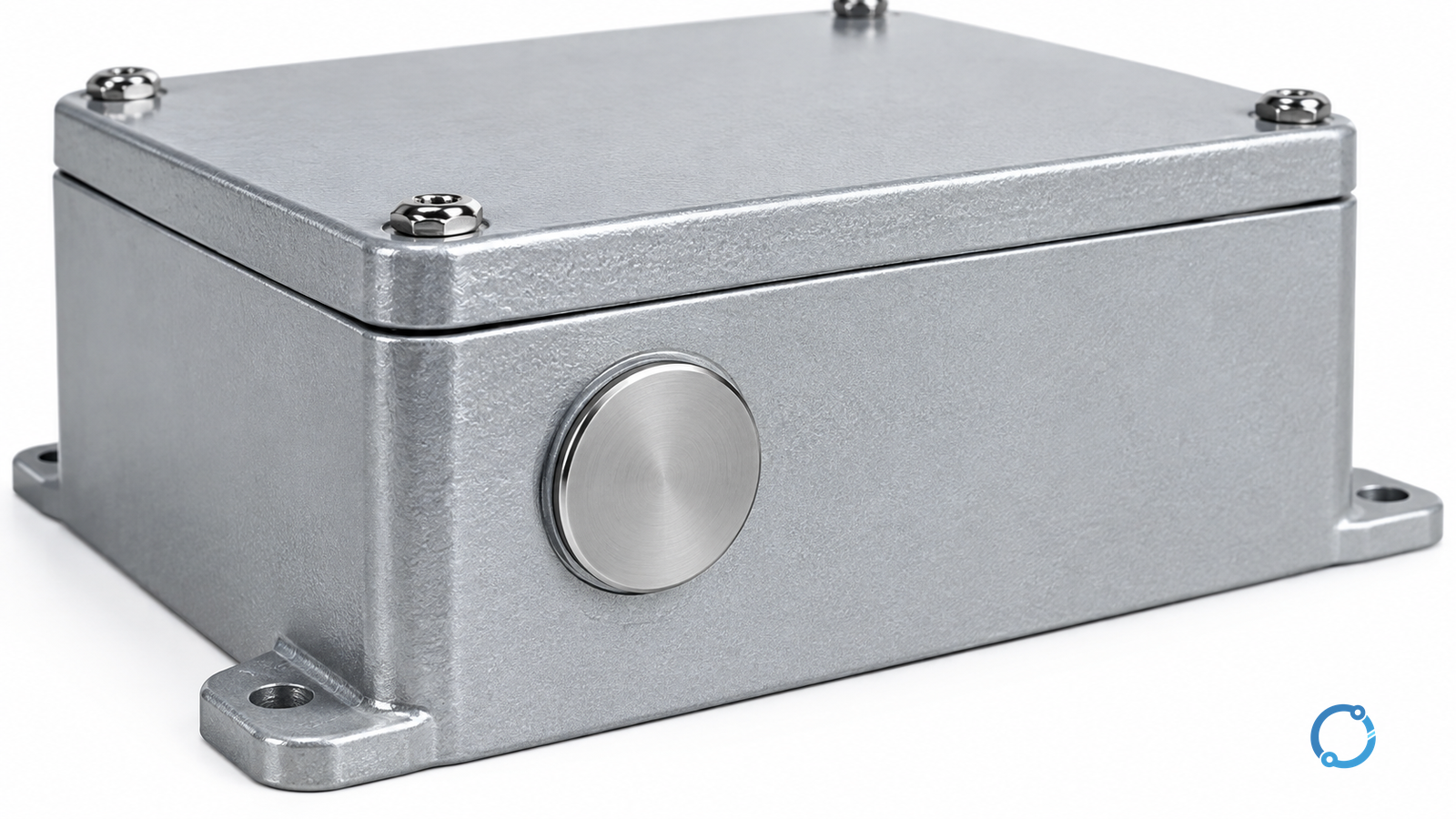
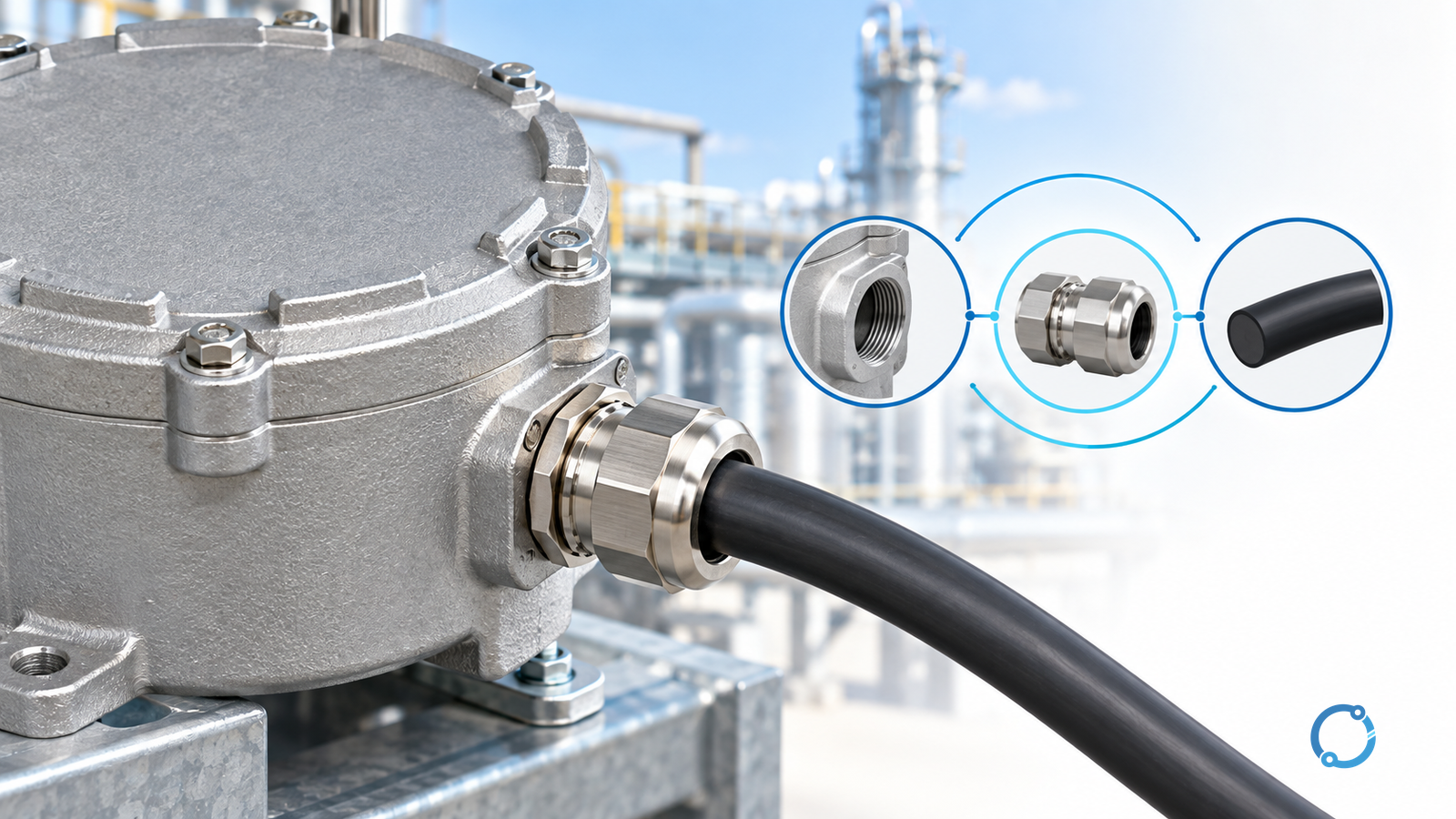
Cable entry and sealing are critical because the enclosure boundary is part of the protection concept. A gland must match the cable construction, entry thread, material and environmental duty. A stopping plug or blanking element must maintain the enclosure’s protection and must not introduce an incompatible thread or material. These are not accessory details that can be chosen from a catalogue without checking the certificate and the complete assembly.
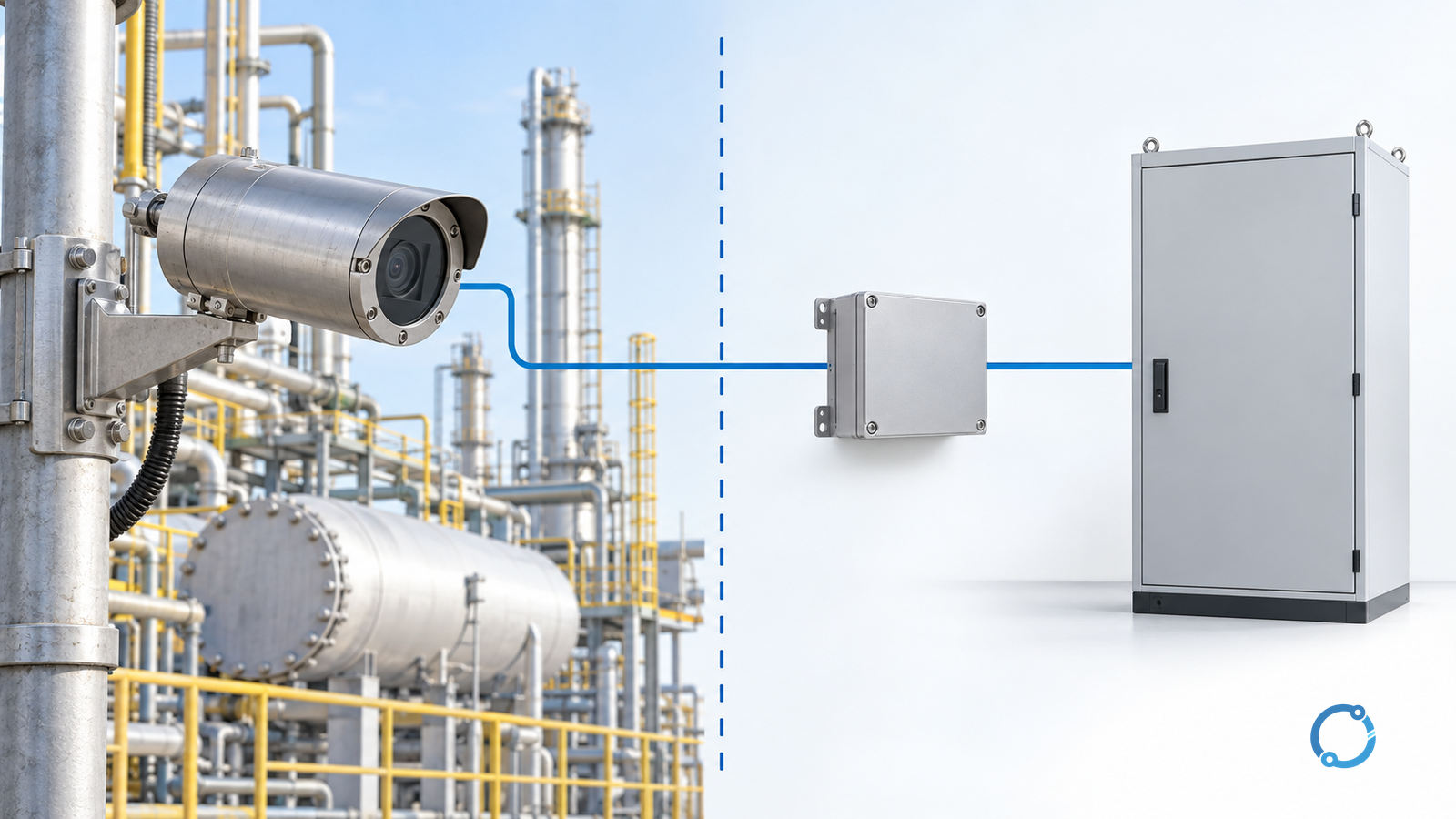
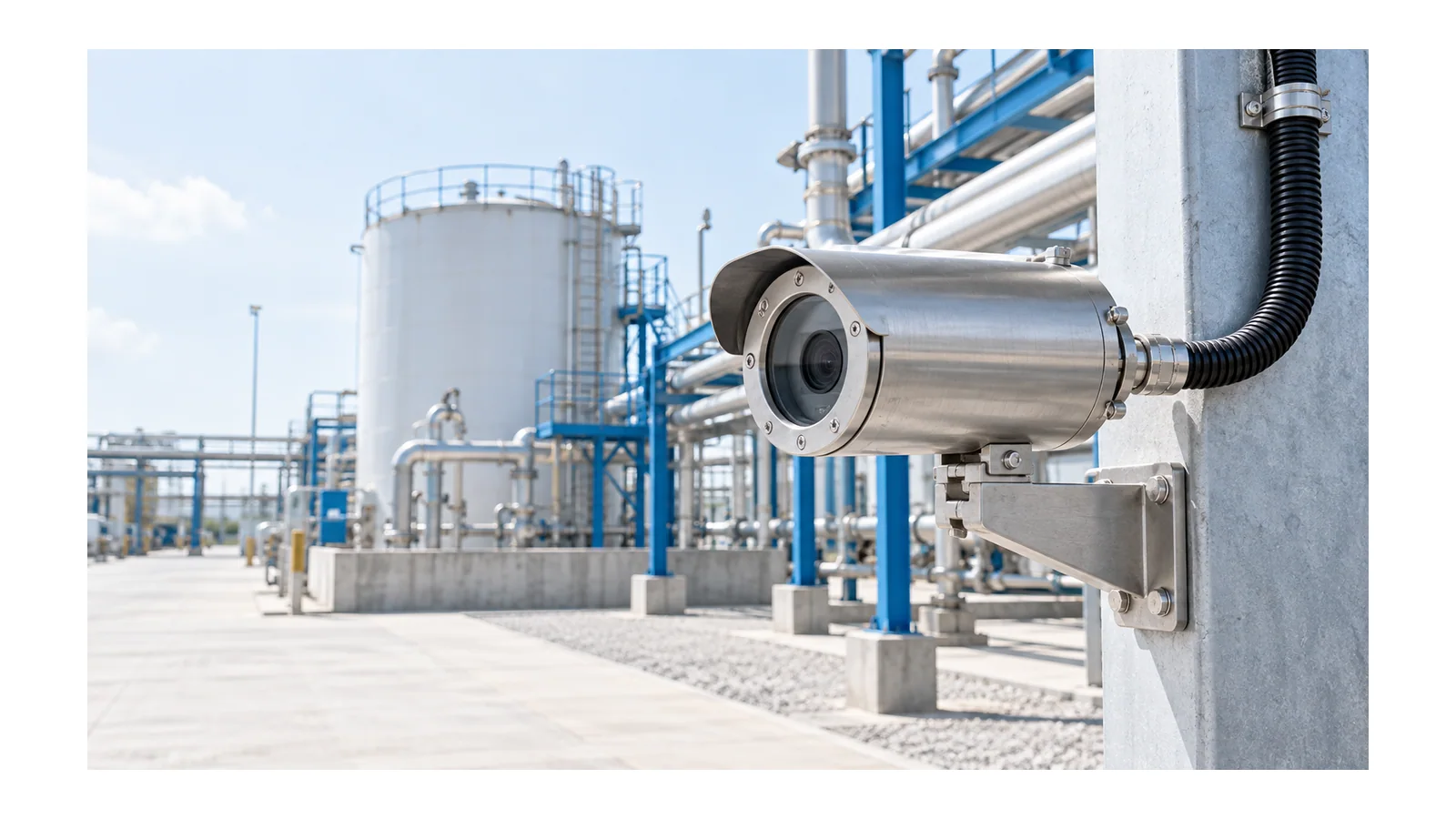
Cameras and digital migration add power, data and maintenance boundaries. A hazardous-area camera may need a specific enclosure, supply, fibre or copper interface, surge protection and sealing arrangement. Moving from analogue to IP equipment can change power consumption, heat, data architecture and access for maintenance. The electrical design must remain compatible with the area classification and the approved product documentation.
Use this hub as a checklist for scope and evidence. Start with the pillar guide for zones and lighting selection, then choose the group that matches the equipment or change being evaluated. The material is intended for engineers, maintenance teams and purchasers who need to ask the right technical questions. It does not replace the hazardous-area classification drawing, the product certificate, the installation standard or the review of a competent person with responsibility for the site.
Maintenance can change the basis of an approval even when the replacement item appears equivalent. A different cable gland, a new camera power supply or an LED driver with a different heat profile can affect the enclosure and the protection concept. The correct review therefore covers the complete assembly and the activity that will be performed around it. Keep the classification drawing, equipment marking, certificate, installation instructions and maintenance record together so that a future change can be checked against the original evidence rather than against memory.
Where the classification or product marking is unclear, the safe action is to stop and obtain a documented interpretation from the responsible competent person. A visual comparison or a supplier’s general statement is not enough to establish hazardous-area suitability. The final decision should identify the exact equipment, installation location, protection concept and supporting certificate so that the basis can be reviewed after maintenance or replacement. That traceability is essential when the surrounding process changes.
Reference layerExplosion-Proof & Hazardous Areas
Frequently asked questions
What does a hazardous-area zone describe?
A zone describes the likelihood and expected duration of a flammable atmosphere in a defined area. Equipment selection must also consider the gas or dust group, temperature class, protection concept and the specific installation conditions.
Does an Ex rating make equipment suitable for every hazardous area?
No. The marking must match the area classification, atmosphere, temperature conditions and intended installation. The complete assembly, accessories, cable entry and maintenance arrangement also need to be suitable.
How should an Ex cable gland be selected?
Match the gland to the cable construction and dimensions, enclosure entry thread, material, environmental duty and the relevant protection concept. The gland certificate and installation instructions are part of the selection evidence.
What must be checked before an LED hazardous-area retrofit?
Check the luminaire certificate and marking, optical distribution, heat and power, mounting, cable entry, enclosure protection, ambient conditions, maintenance access and the process requirement. A change that affects the approved assembly may invalidate the installation basis.
What changes when an Ex camera moves from analogue to IP?
The review should cover supply, power consumption, heat, data cabling, surge protection, network access, enclosure entry and maintenance. The new equipment and complete assembly must remain compatible with the area classification.