
Electrical Engineering Guides
-
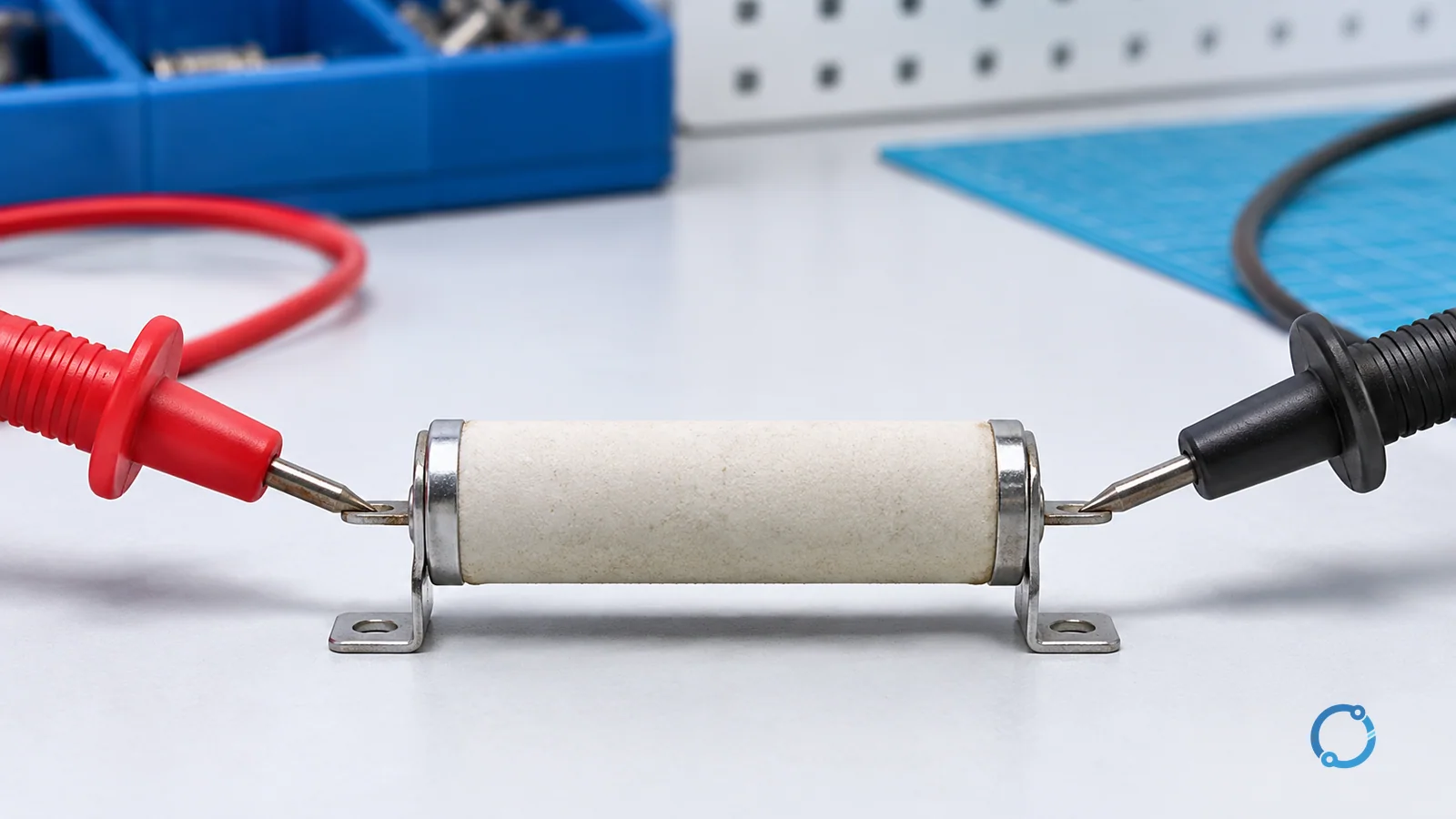
Ohm’s Law Explained: Formula, Triangle and Worked Examples
Ohm’s law relates voltage, current, and resistance in a circuit element: V = I R In this form, V is the voltage across the element in volts, I…
-
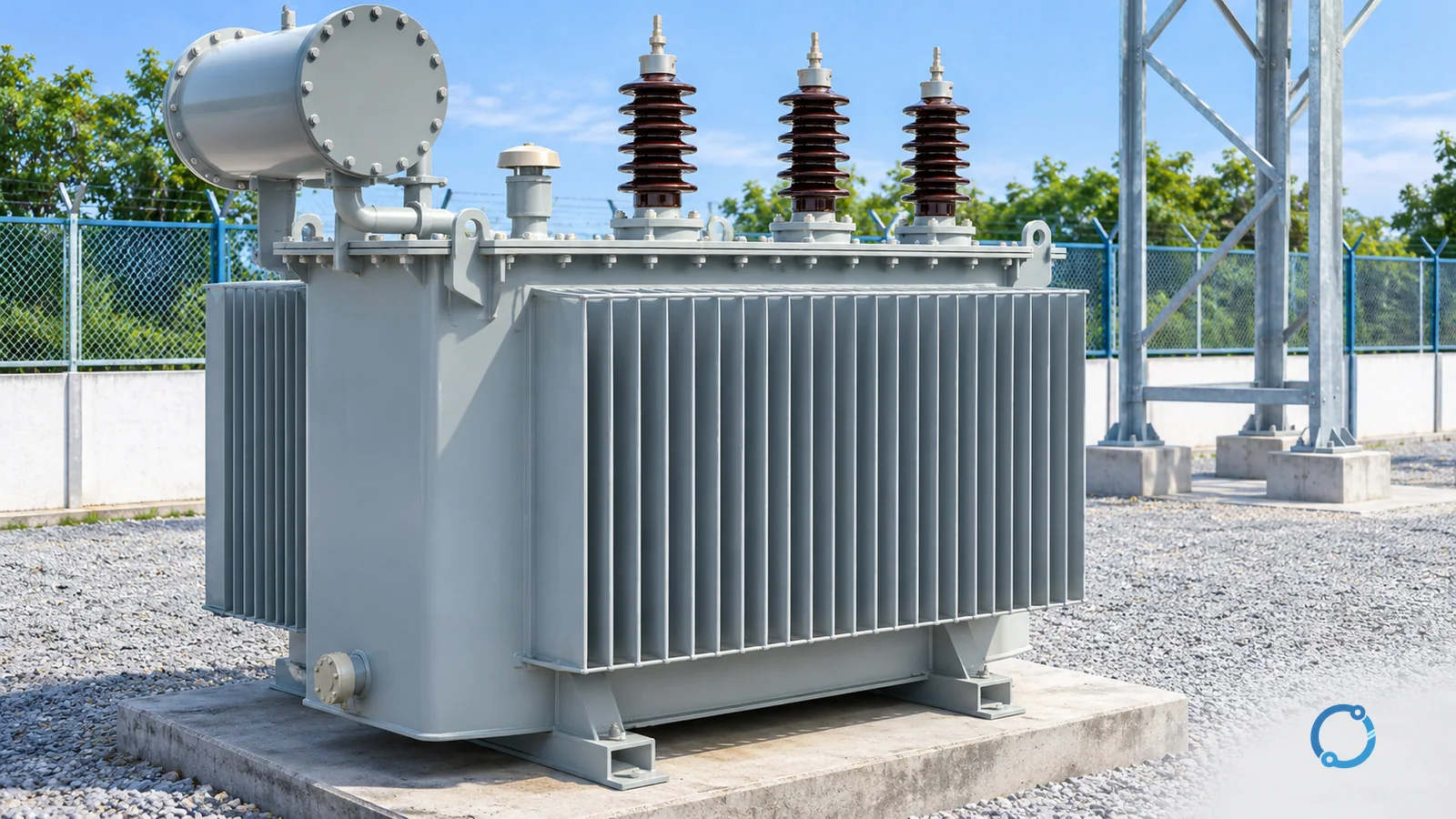
How Does a Transformer Work? Core, Windings and the EMF Equation in Plain Terms
A transformer transfers electrical energy between two windings through a changing magnetic field. An alternating voltage applied to the primary winding produces an alternating current and a changing…
-
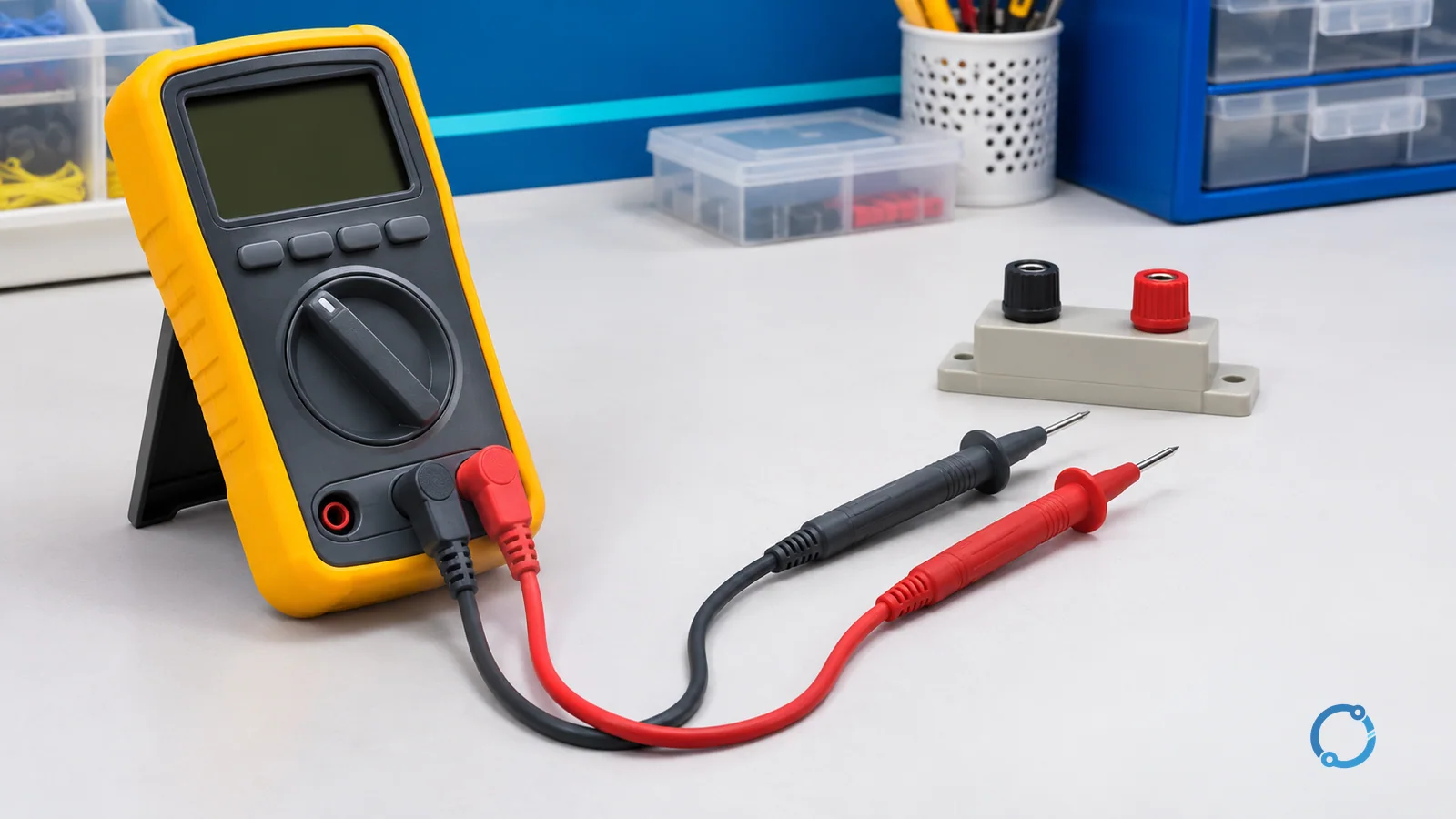
How to Use a Multimeter: Voltage, Current, Resistance and Continuity
The first decision when using a multimeter is not which button to press. It is whether the meter, leads, probes, and selected function are rated for the circuit…
-

Voltage Drop Calculation: Formula, Tables and Worked Examples
Voltage drop is the reduction in voltage along a conductor path while current flows. For a simplified resistance-only estimate, calculate the conductor resistance first, apply the path factor…
-
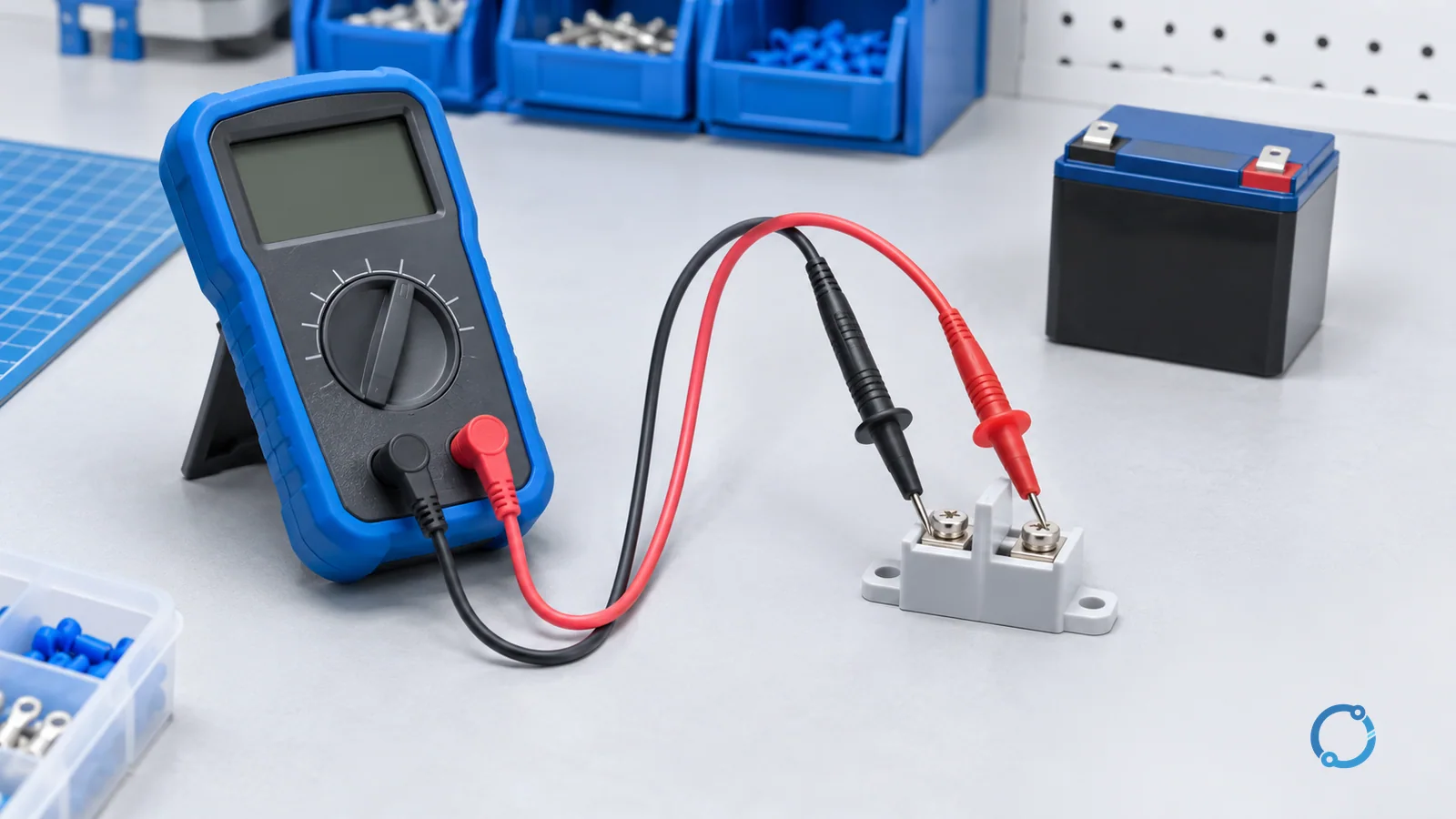
What Is Voltage? Electric Potential Difference Explained With Examples
Voltage is electric potential difference between two points. It describes how much electrical potential energy is available per unit of charge to move between those points. The unit…
-

1910.147 vs 1910.333: Which OSHA LOTO Rule Applies to Electrical Work?
For U.S. general-industry work, the answer starts with the hazard and the task, not the padlock. OSHA’s 29 CFR 1910.147 covers control of hazardous energy during servicing and…
-
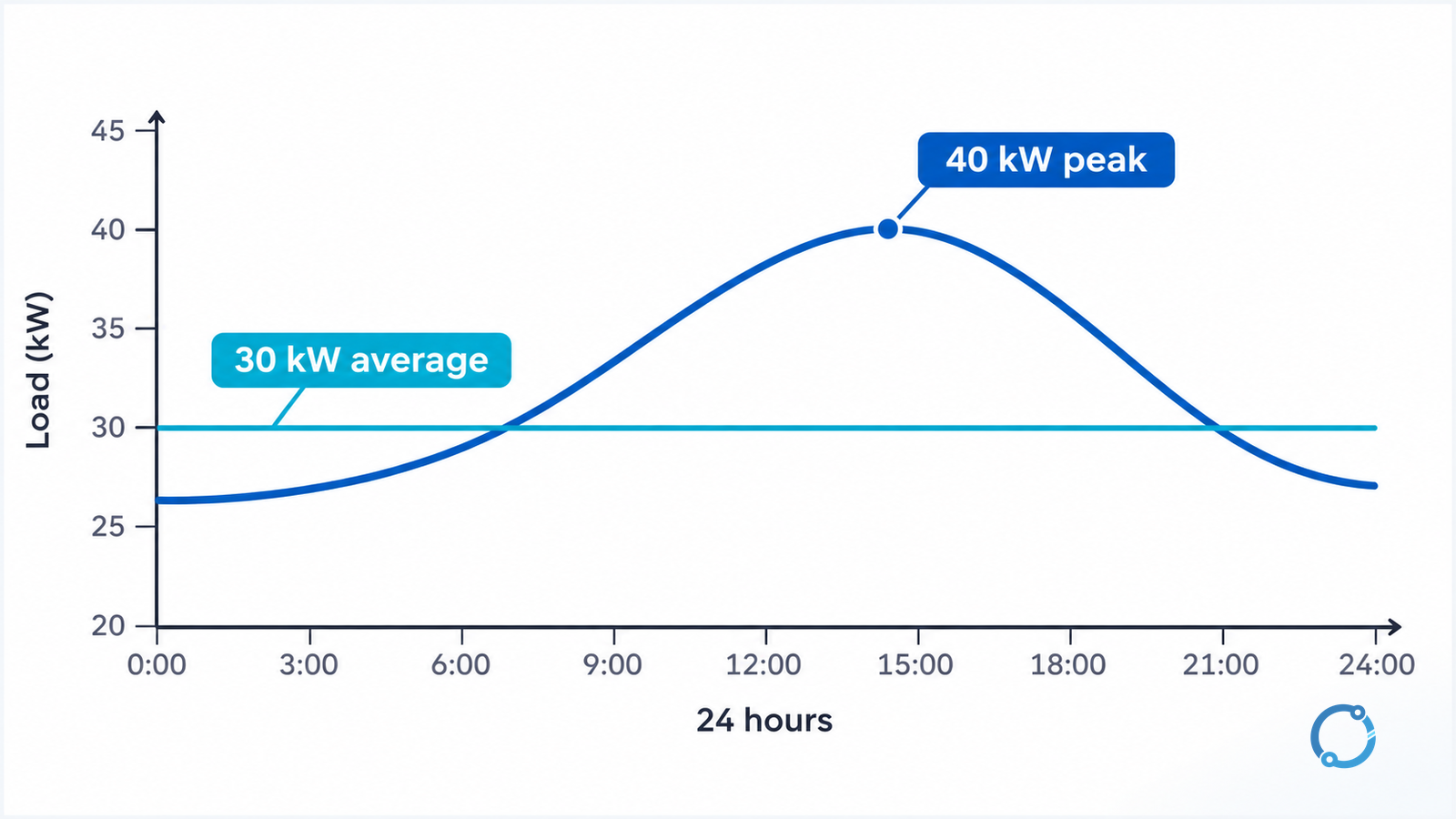
Load Factor Formula: Calculate It From kWh, Peak kW and Hours
Load factor compares average electricity demand with the highest demand in the same period. The U.S. Energy Information Administration defines it as the ratio of average load to…
-
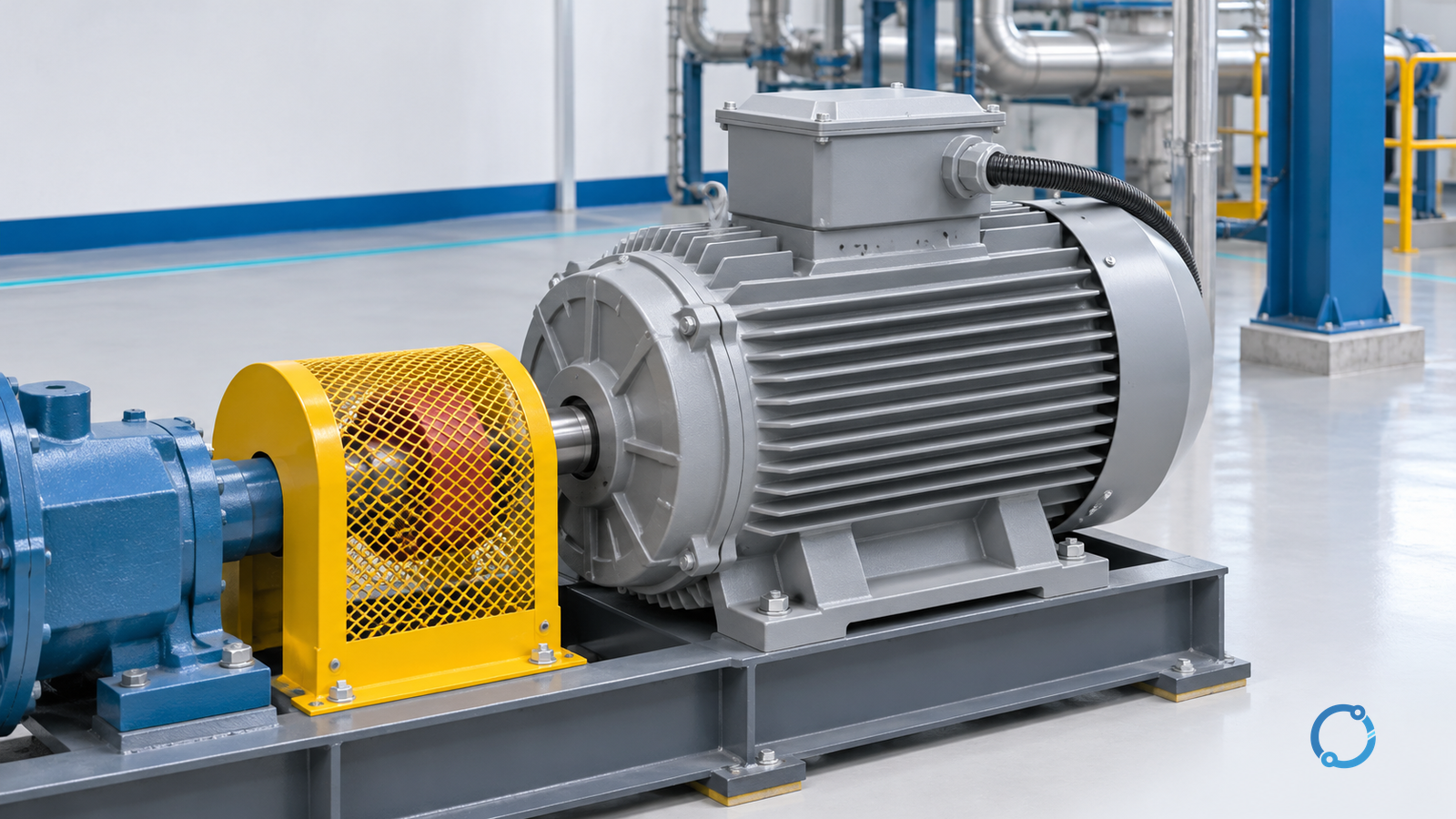
Induction Motor Slip Calculation: Formula, RPM Table and Worked Example
Induction motor slip is the rotor’s shortfall behind the rotating magnetic field. First calculate the field’s synchronous speed in revolutions per minute (rpm): Ns = 120 x f…
-

IEEE 519 at the PCC: THD, TDD and Where Harmonic Limits Apply
IEEE 519 harmonic control is a point-of-common-coupling (PCC) question before it is a percentage question. The official IEEE SA catalog says the active 2022 standard establishes steady-state waveform-distortion…
-
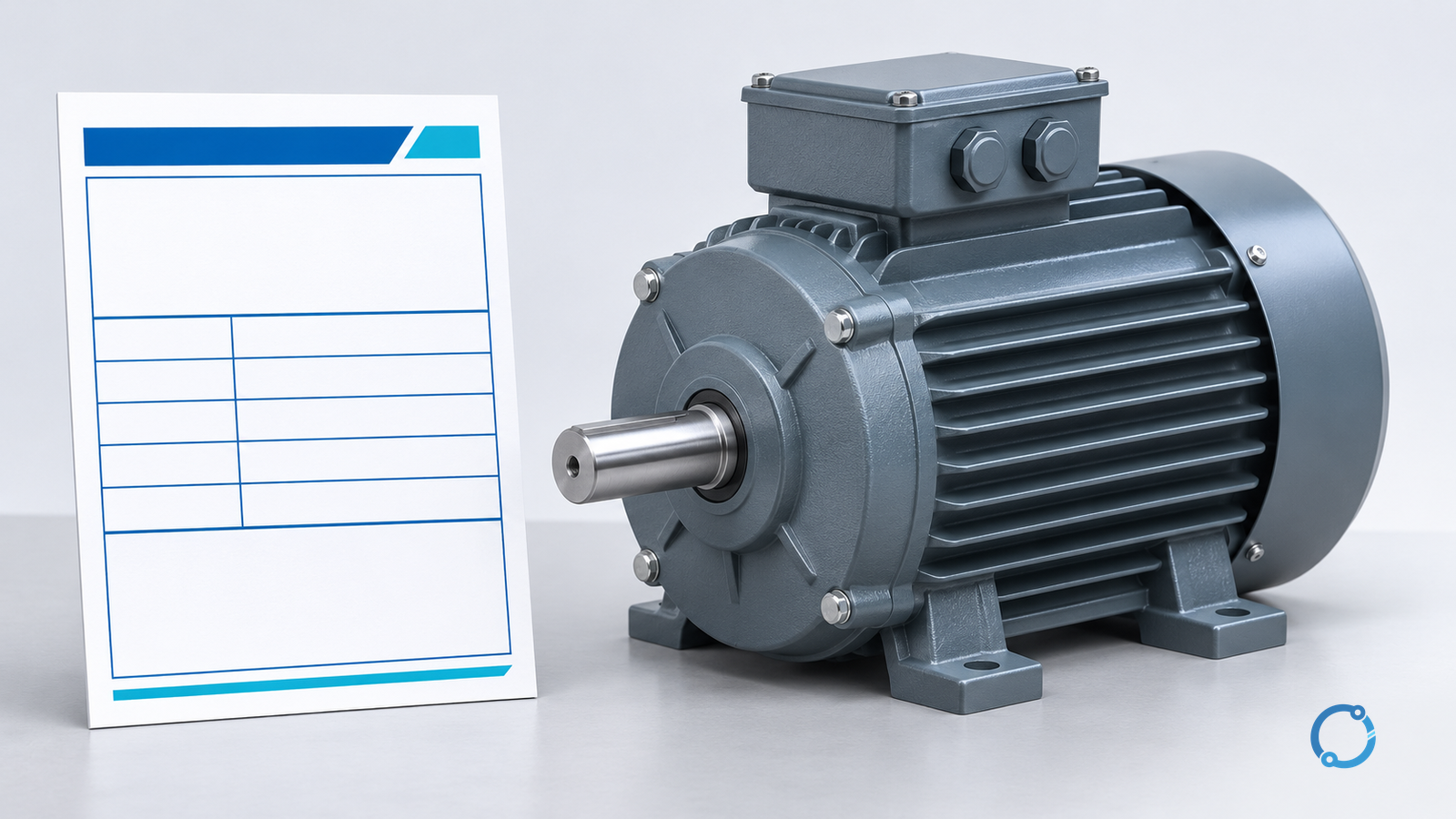
IE2, IE3 and IE4 Motor Efficiency: IE Codes vs EU Requirements
IE2, IE3 and IE4 are International Energy efficiency classes for motor efficiency; they are not, by themselves, a legal approval. In the European Union, Regulation (EU) 2019/1781 sets…