
Electrical Engineering Guides
-
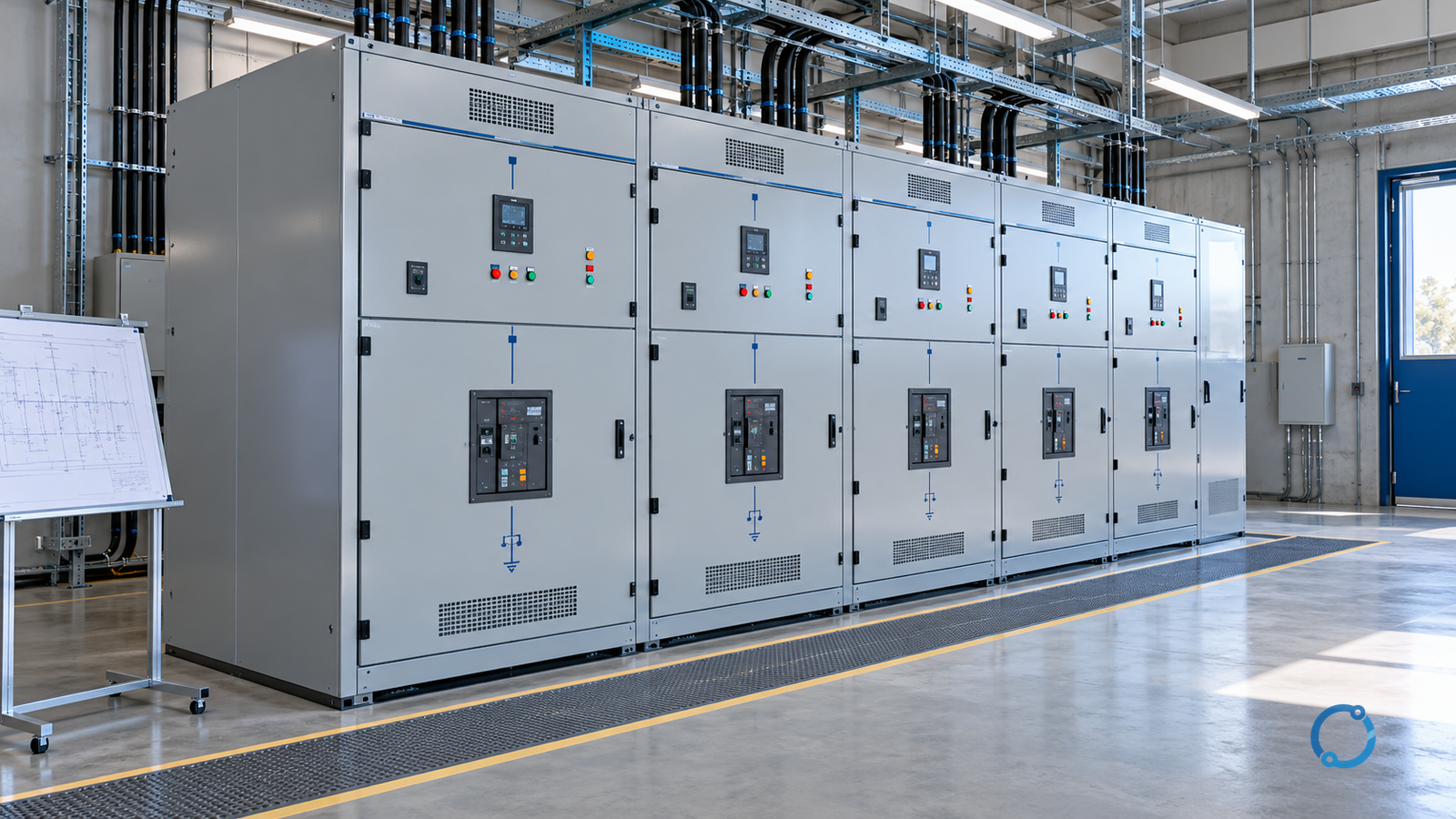
Metal-Clad vs. Metal-Enclosed MV Switchgear: Construction, Maintenance and Selection Boundaries
Metal-clad and metal-enclosed medium-voltage switchgear are not two finishes applied to the same assembly. They describe different standards concepts, construction expectations and equipment arrangements. The comparison becomes unreliable…
-
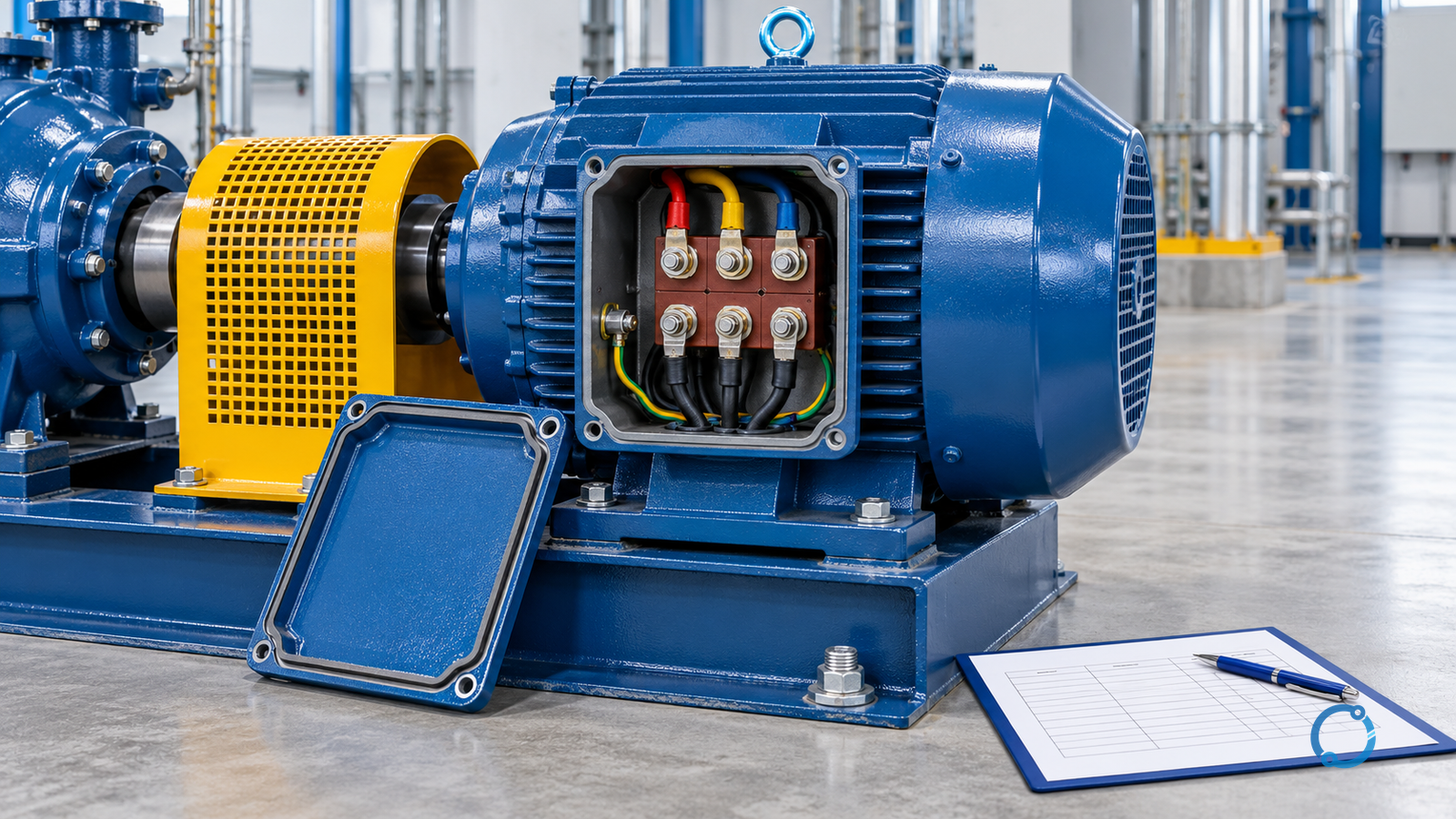
Three-Phase Motor Winding Faults: Resistance, Insulation and Current-Signature Checks
A three-phase motor is not diagnosed by one resistance reading, one insulation value or one current imbalance. Each test sees a different electrical property under a different condition.…
-
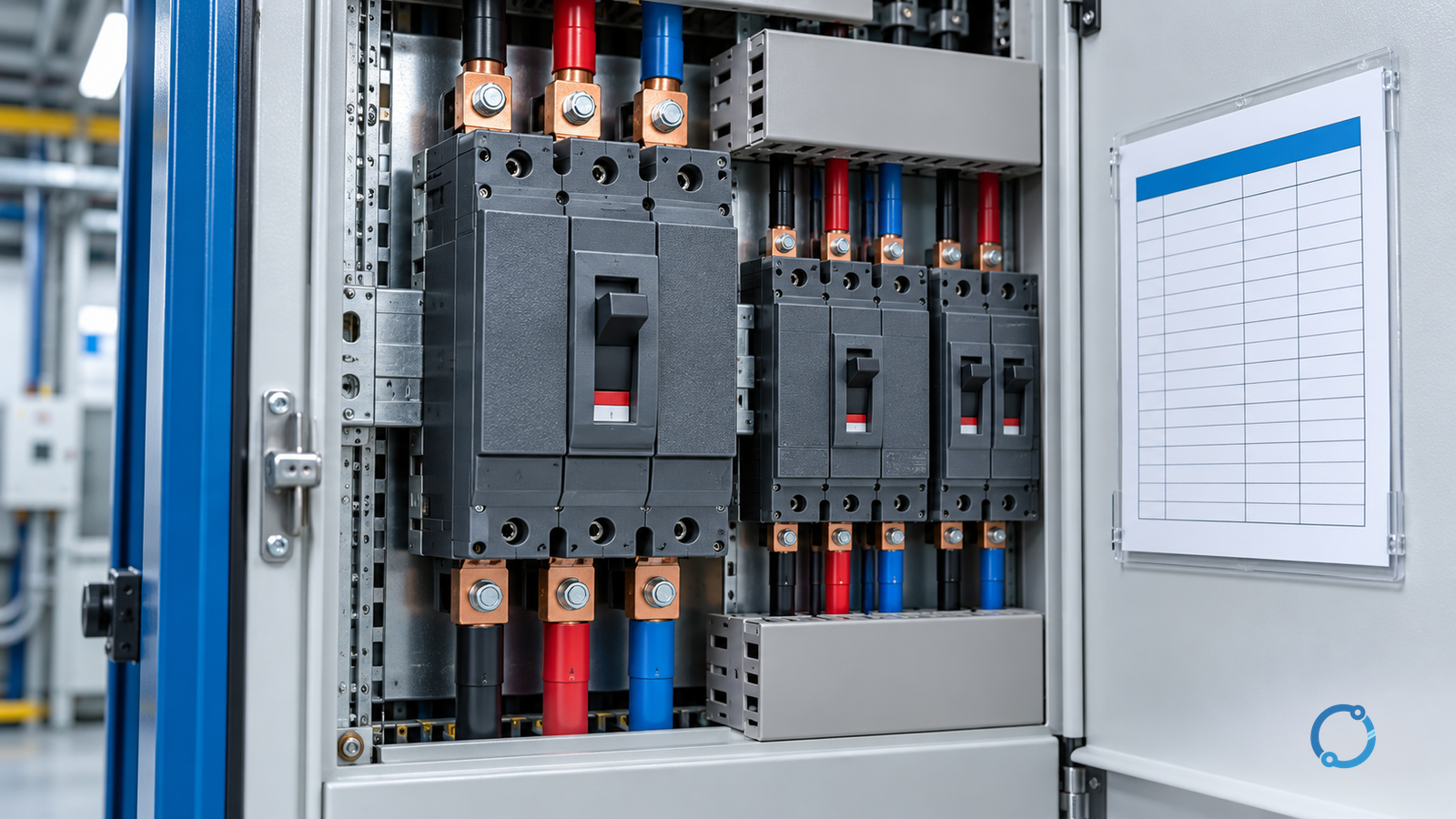
MCCB Tripping: How to Distinguish Overload, Trip-Unit and Fault Causes Before Reclosing
A molded-case circuit breaker trip is an outcome, not a diagnosis. The open handle tells you that the breaker changed state. It does not prove that the load…
-
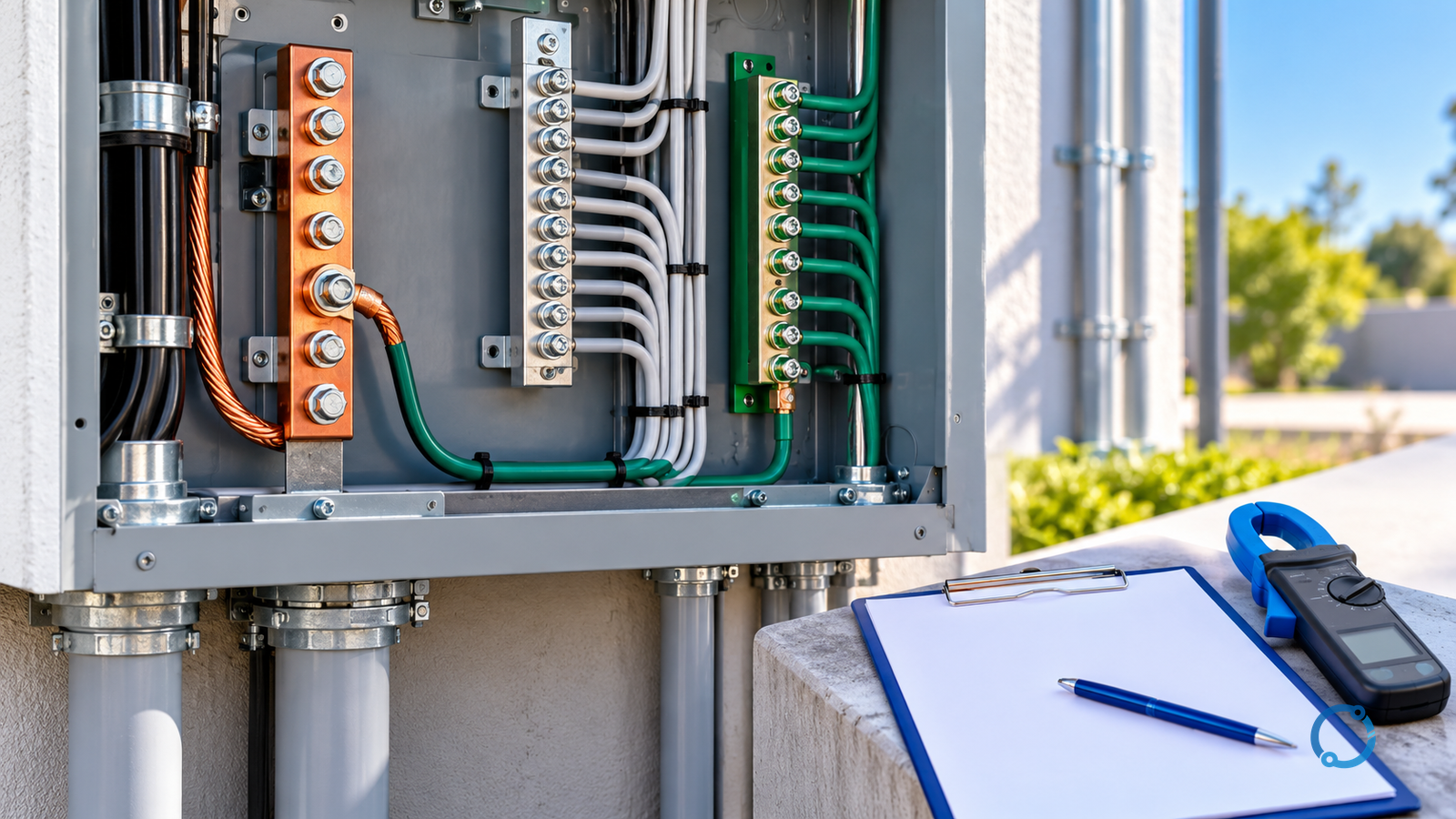
Objectionable Grounding Current: How to Diagnose Stray Current Without Breaking the Earthing Path
Current in a grounding or bonding conductor is evidence that a conductive path exists. It is not, by itself, evidence of a ground fault, a bad earth electrode…
-
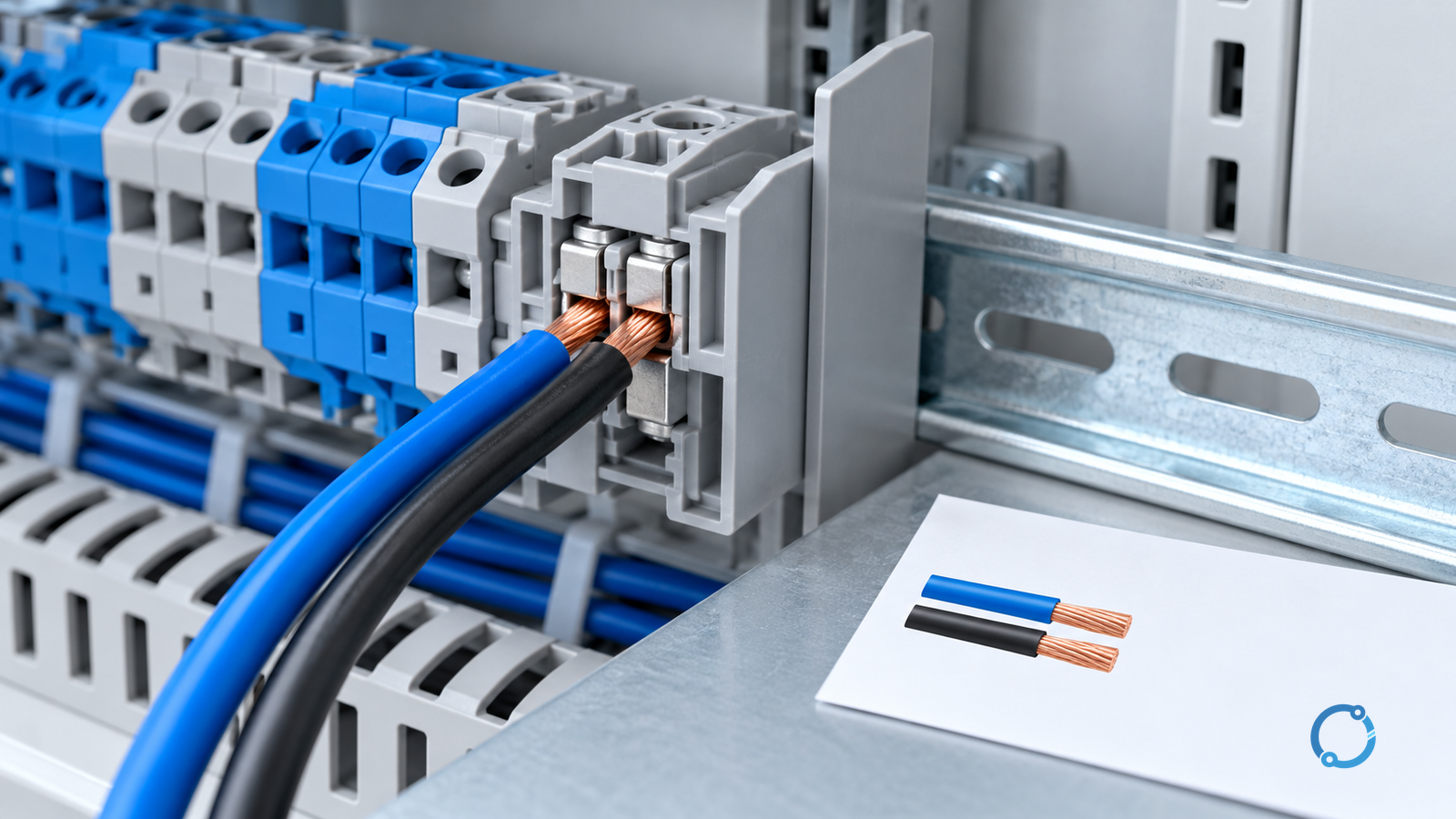
Can Two Conductors Share One Terminal Block? Rules, Accessories and Verification
Two conductors can share one terminal block only when the exact terminal arrangement is rated and approved for that conductor pair. That sentence deliberately separates two conditions that…
-
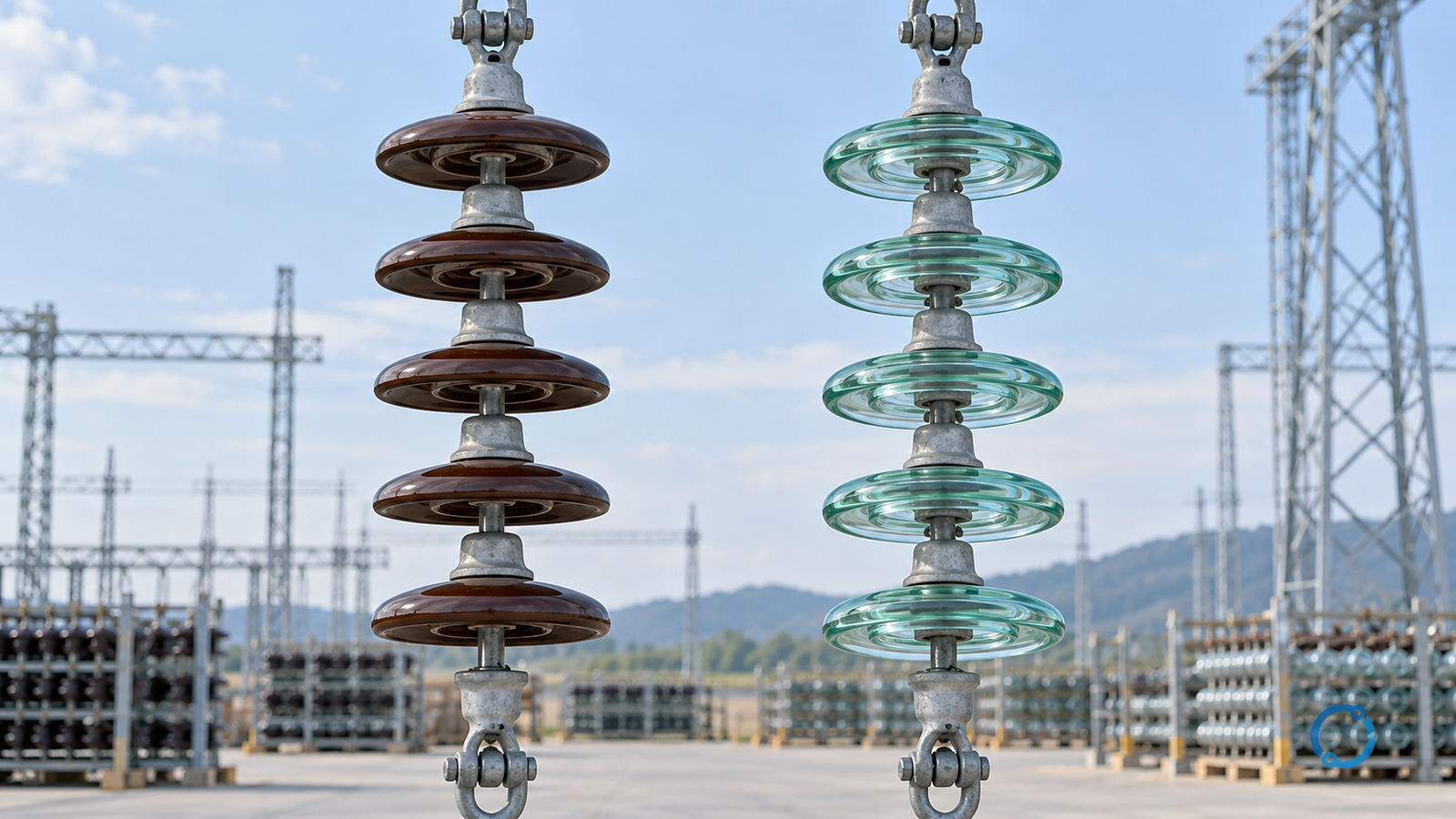
Porcelain vs. Glass Insulators: Failure Modes, Inspection and Selection
Porcelain and glass both have long service histories in overhead-line insulation. They are both ceramic or glass dielectric materials, both can be formed into cap-and-pin and other insulator…
-
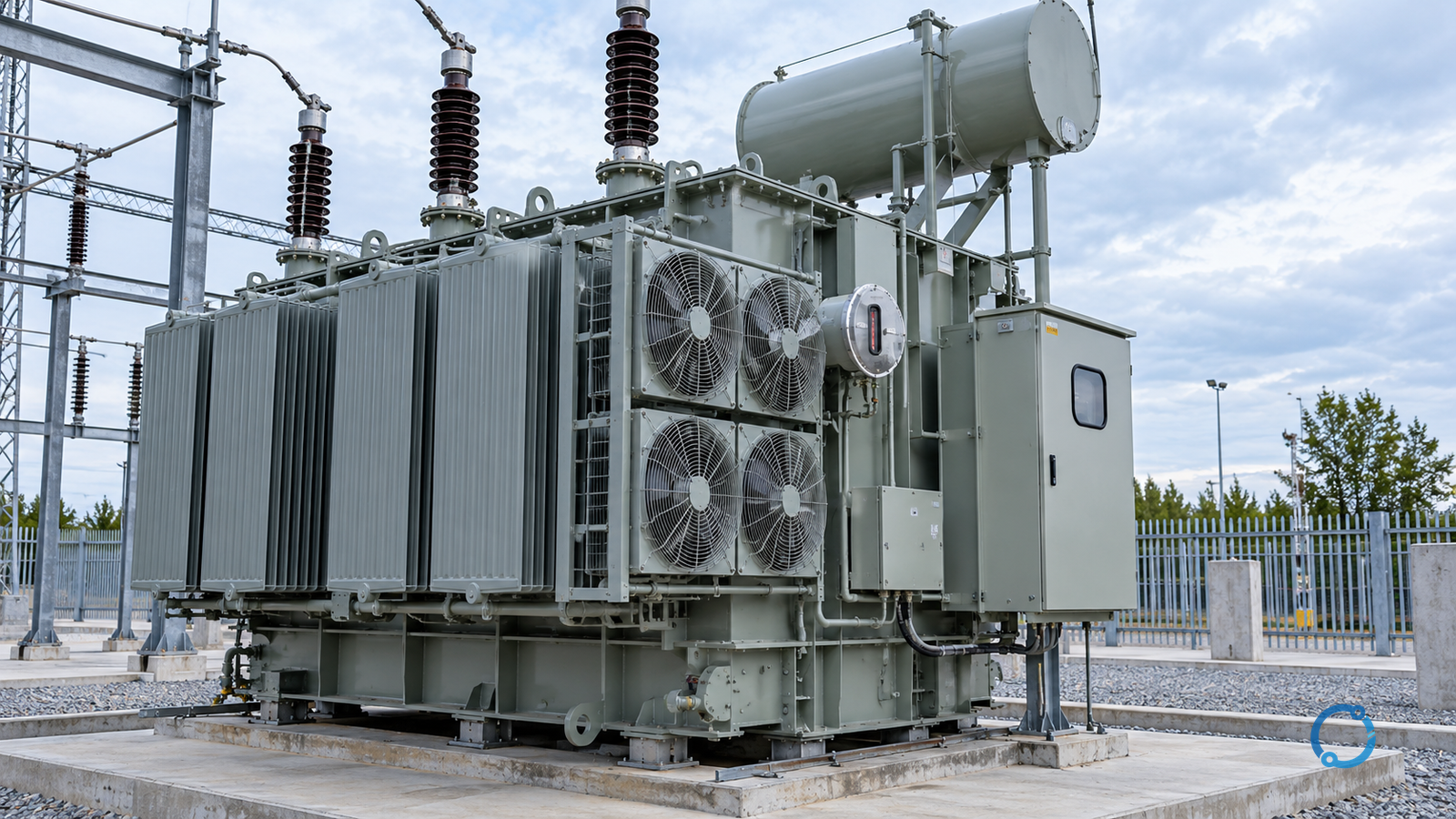
Transformer Operating Limits: Loading, Temperature, Cooling and Tap Positions
A transformer nameplate gives a compact summary of a conditional rating. It does not say that any combination of current, ambient temperature, cooling state and tap position is…
-
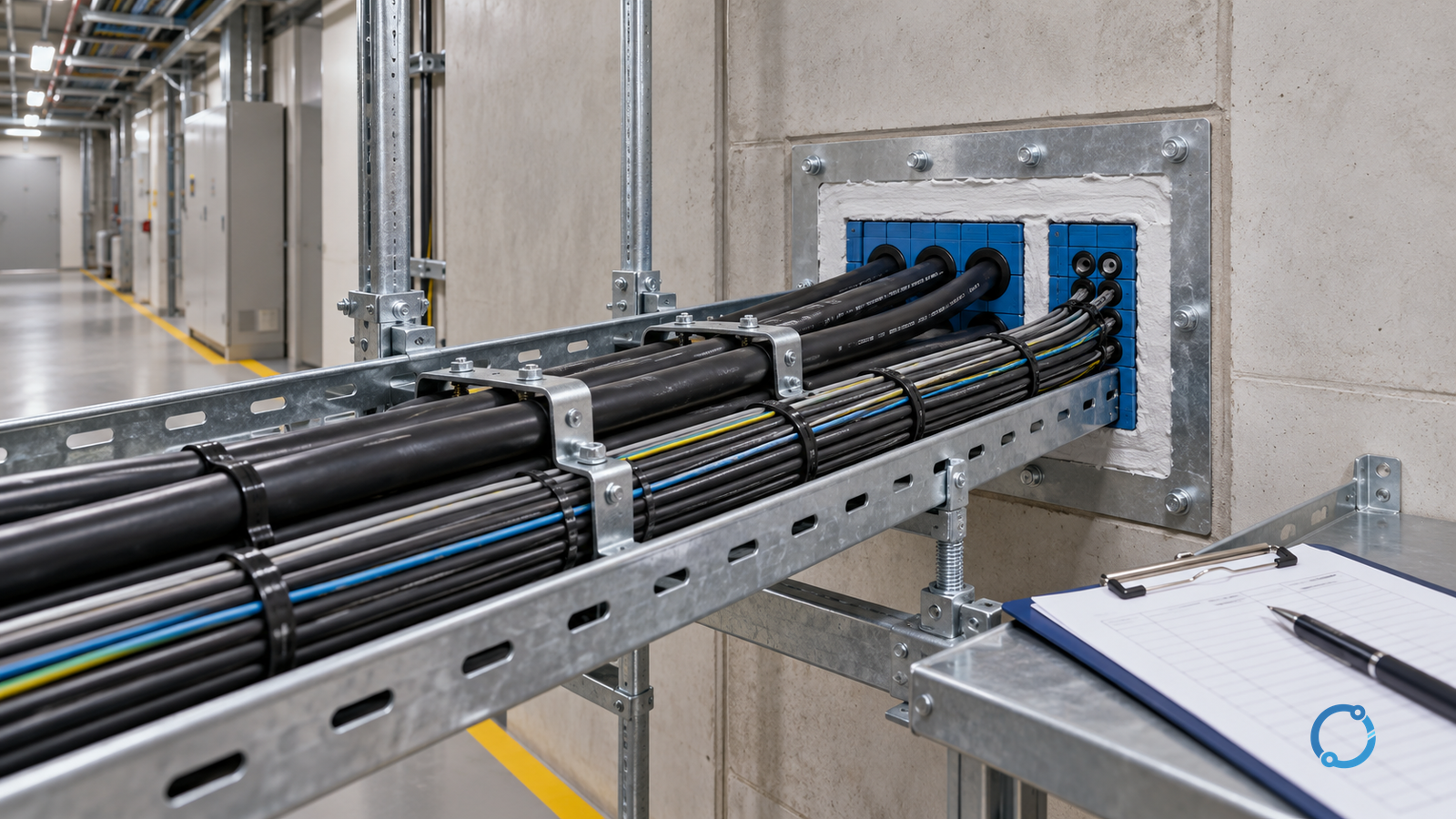
Cable Fire Performance: Construction, Installation and Verification Boundaries
“Fire-rated cable” is an incomplete description. It does not say what hazard was tested, what performance was demonstrated or whether the installed route can maintain that performance. Cable…
-
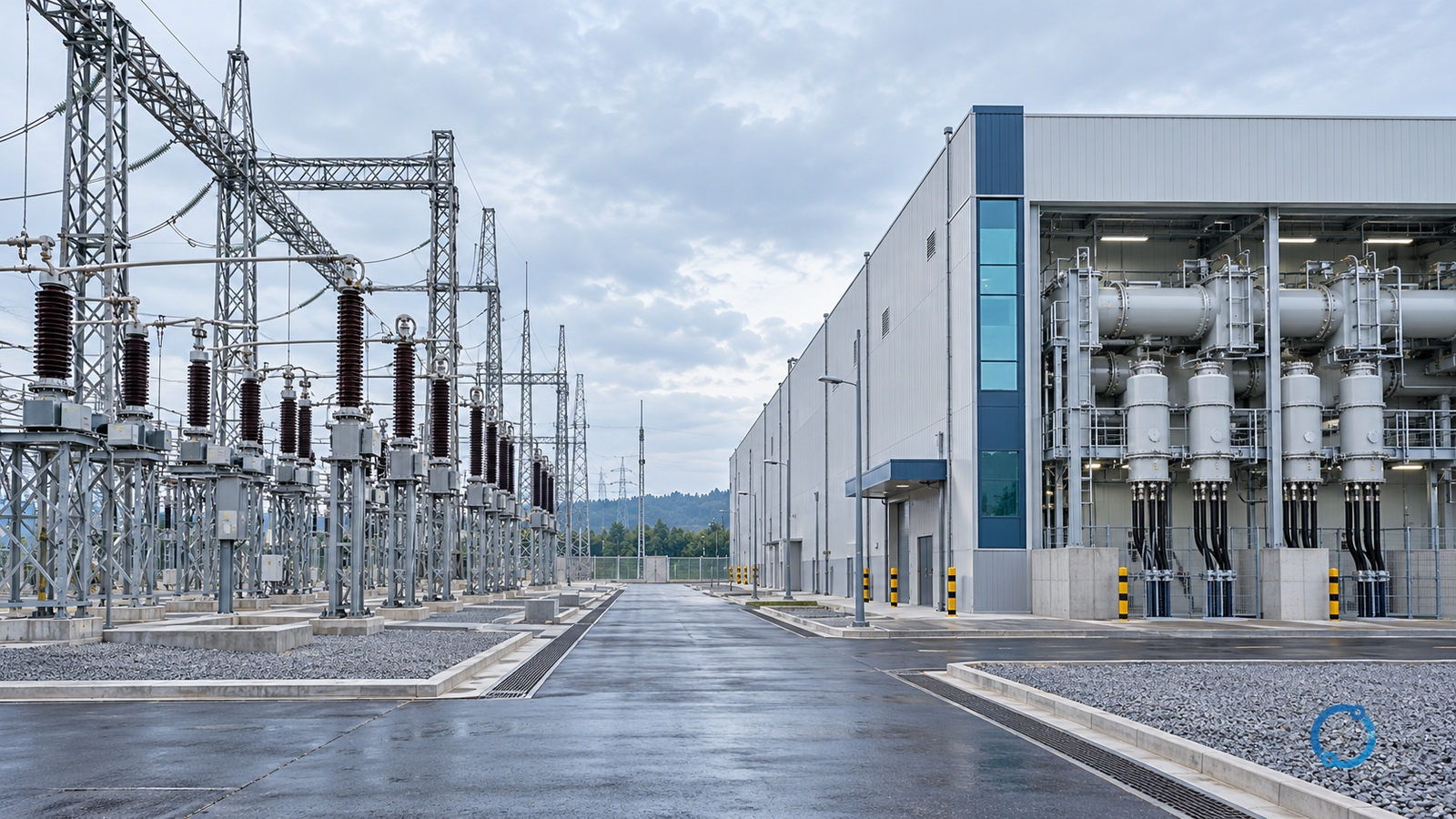
AIS vs. GIS Substations: Choosing by Layout, Environment and Lifecycle
Air-insulated switchgear and gas-insulated switchgear are often compared as if the decision were a contest between two product types. In a substation, the real choice is an architecture.…
-
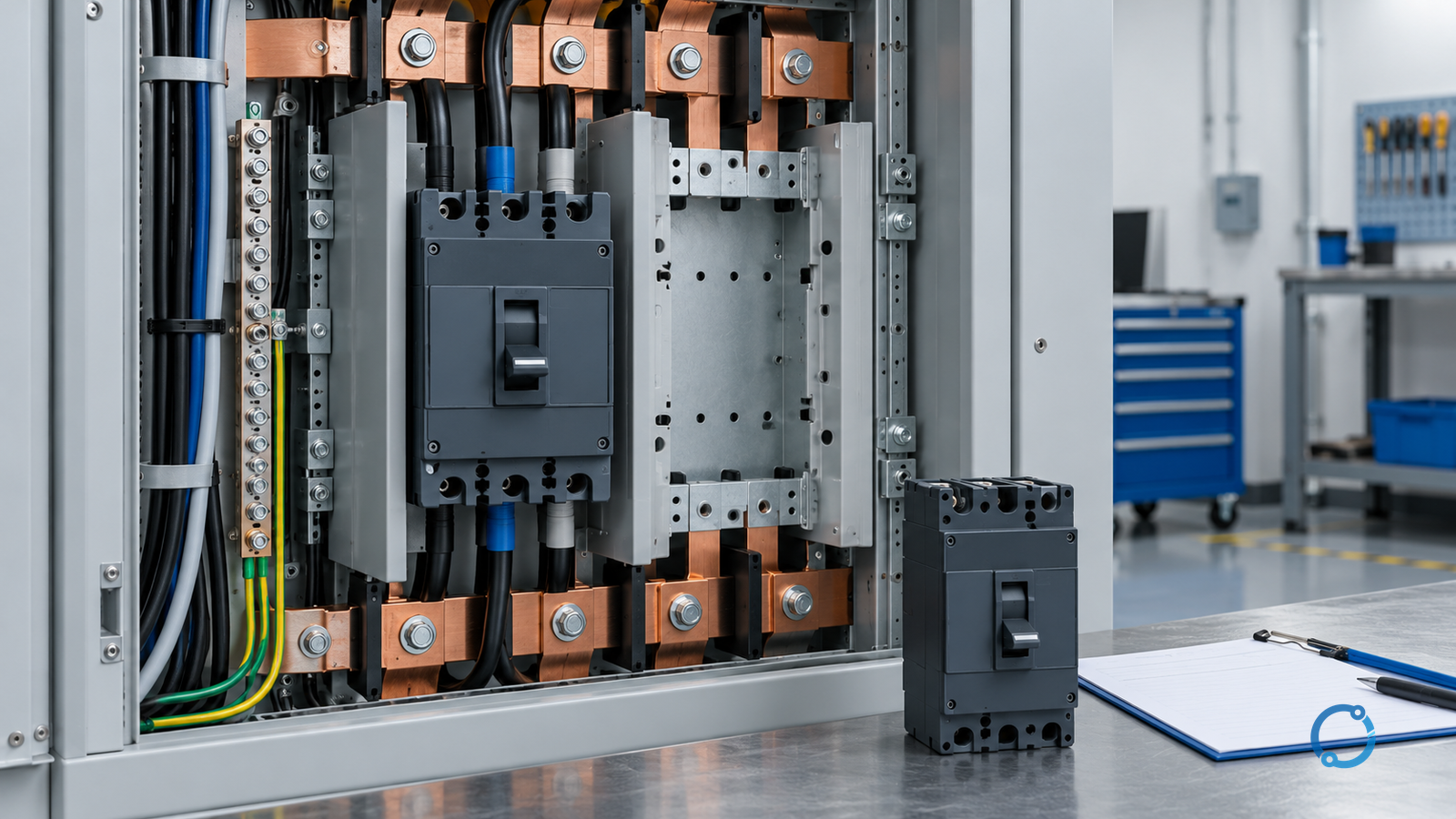
Specified vs. Classified Circuit Breakers: Listing, Intended Use and Acceptable Substitution
A circuit breaker that fits the vacant opening is not automatically an acceptable replacement. Two devices can share the same pole count, nominal current and physical width while…