
Electrical Engineering Guides
-
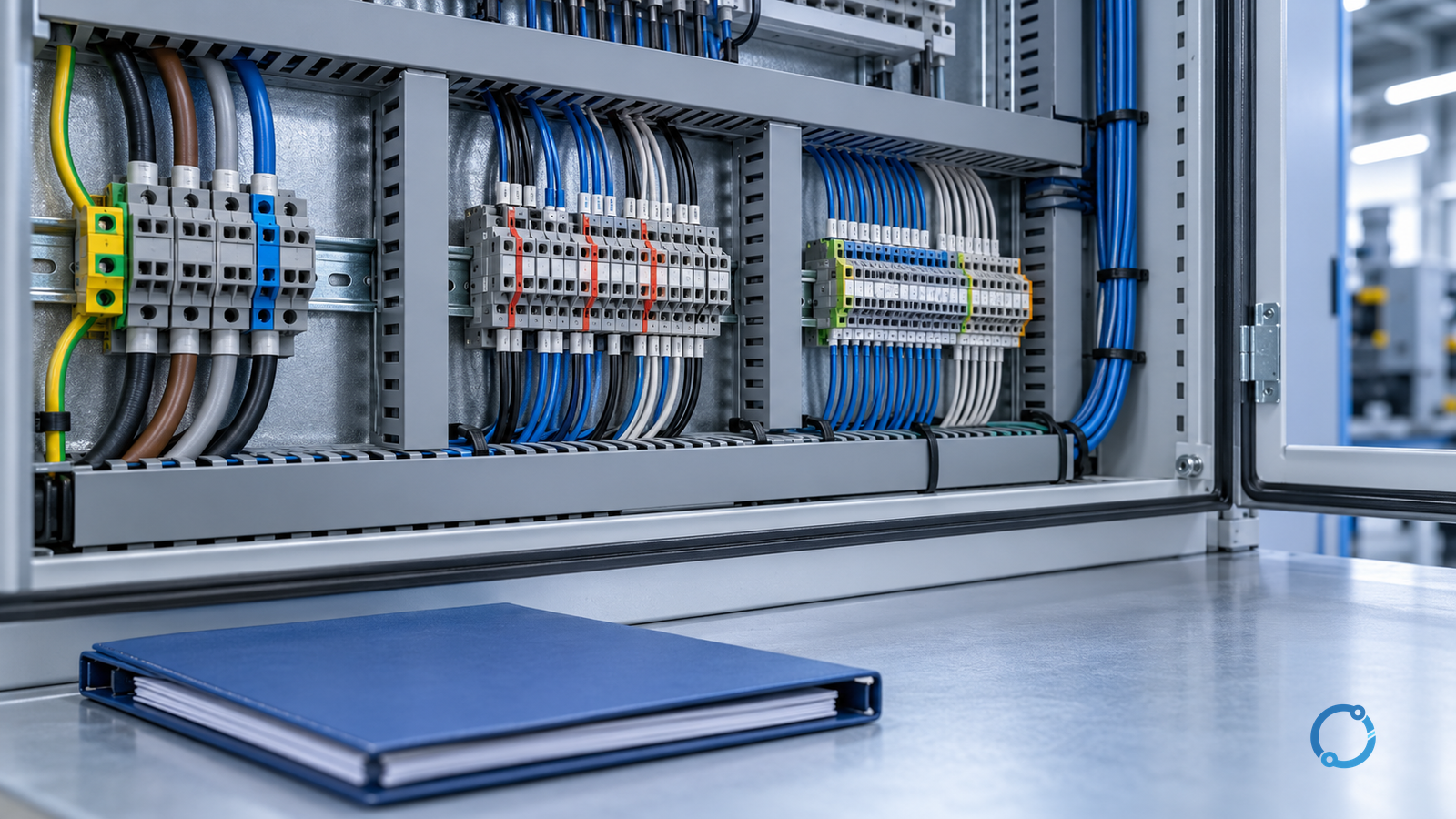
How to Separate Power, Control and Signal Terminal Blocks
Separate terminal blocks by the hazards and dependencies of each circuit, not by the words printed above a DIN rail. A useful layout keeps power conductors away from…
-
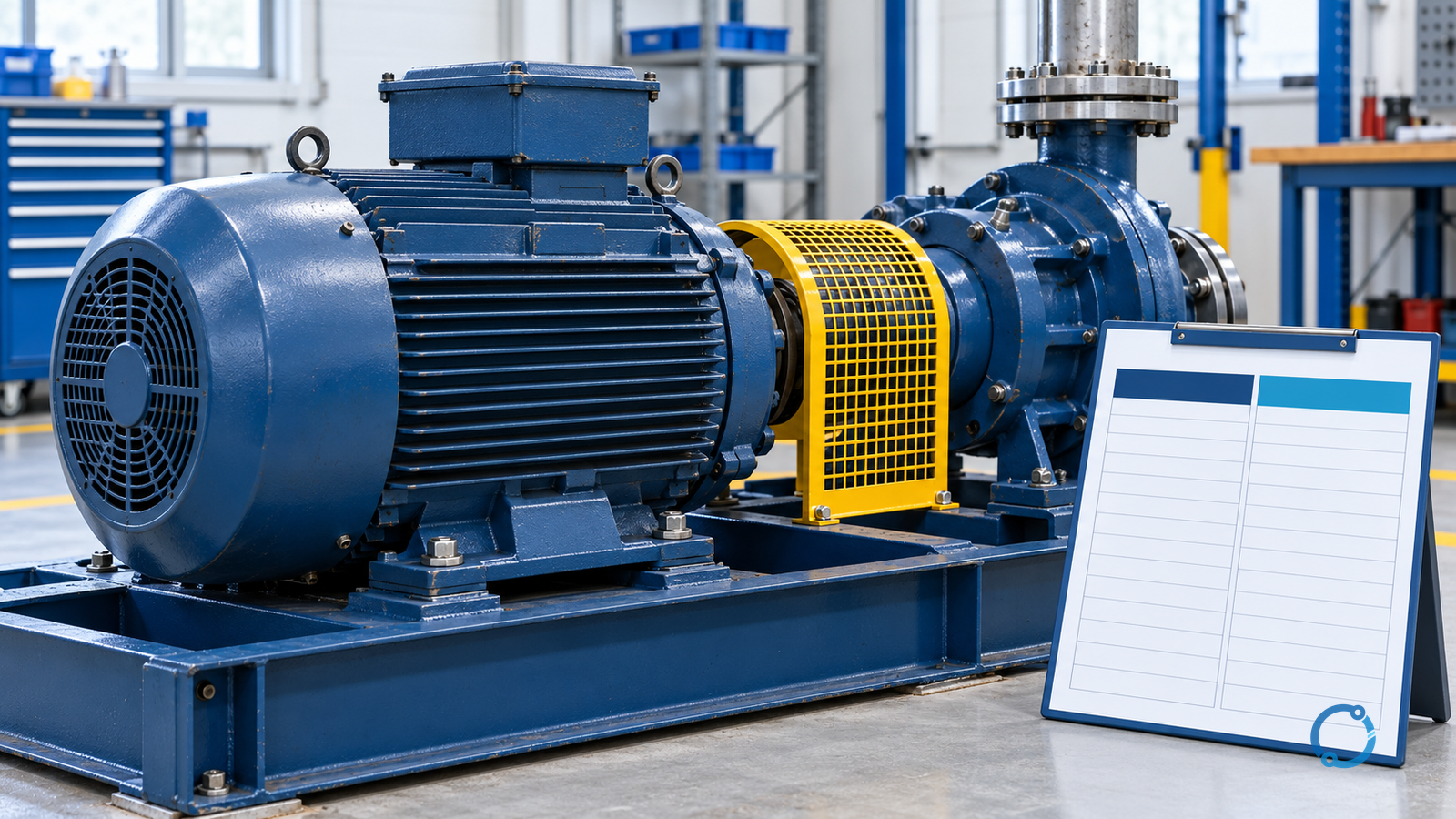
Motor Repair or Replacement: A Failure-Evidence and Lifecycle Decision
The right choice between repair and replacement depends on more than the price of a rewind and the price of a new motor. Repair is the better starting…
-
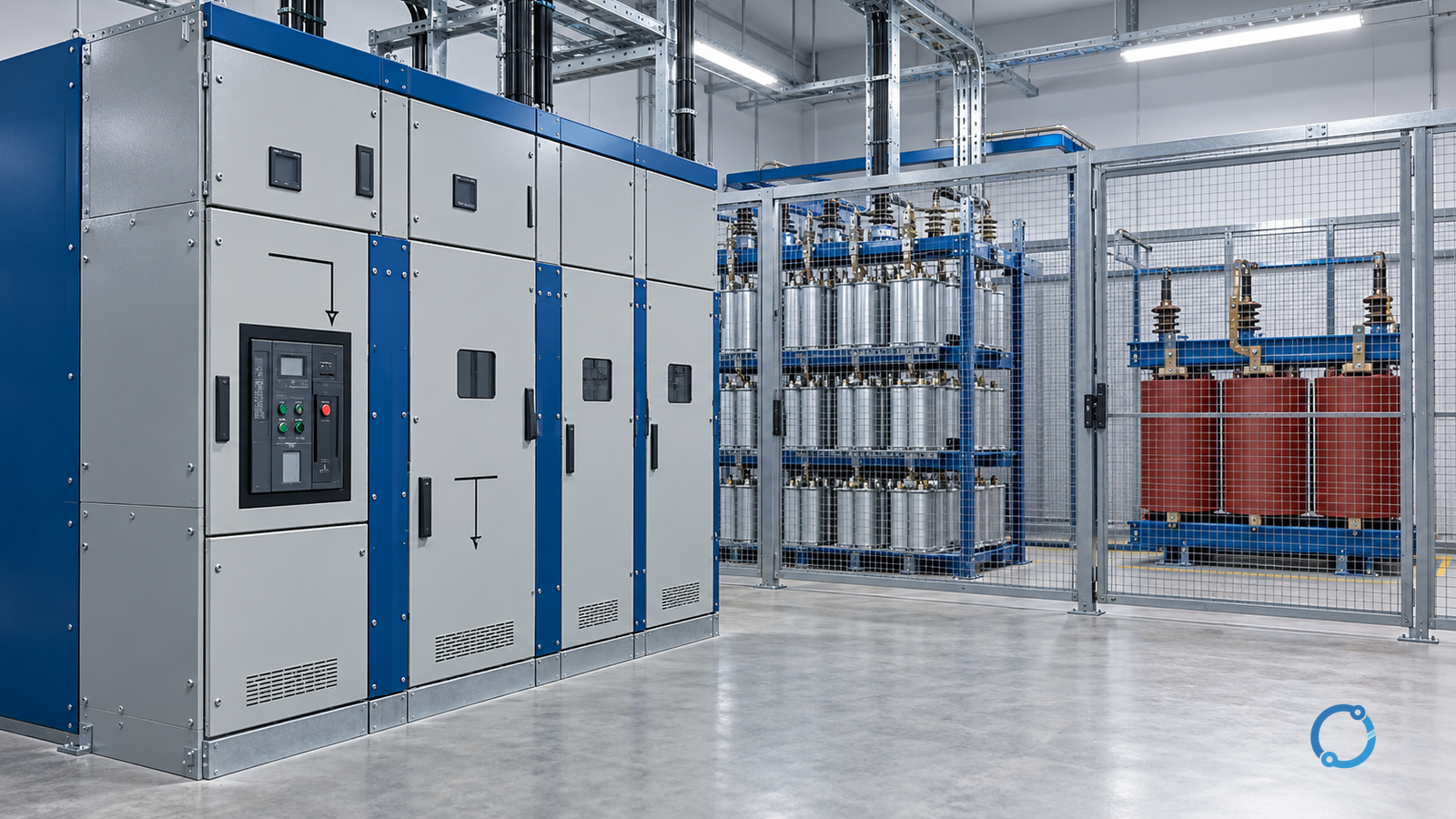
MV Power-Factor-Correction Circuit Breakers: Selection, Switching Duty and Coordination Checks
A medium-voltage circuit breaker for a power-factor-correction capacitor bank cannot be selected from feeder current alone. The breaker must make, carry and interrupt a bank under conditions that…
-
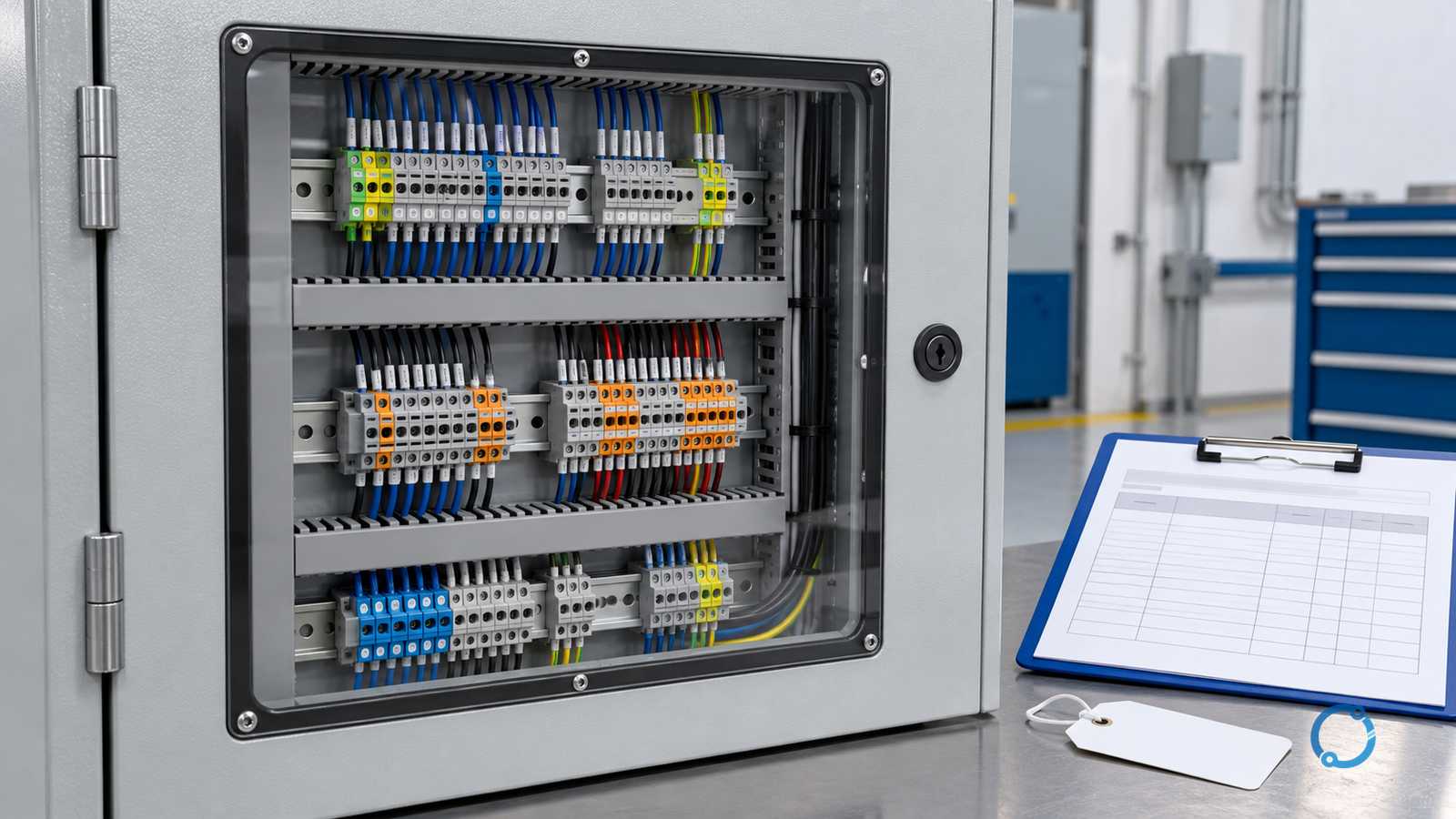
Why Control-Panel Terminal Blocks Overheat: A Safe Diagnostic Workflow
A discolored or unusually warm terminal block is a symptom, not a diagnosis. The heat may originate at the conductor-to-terminal interface, somewhere else in the same current path,…
-
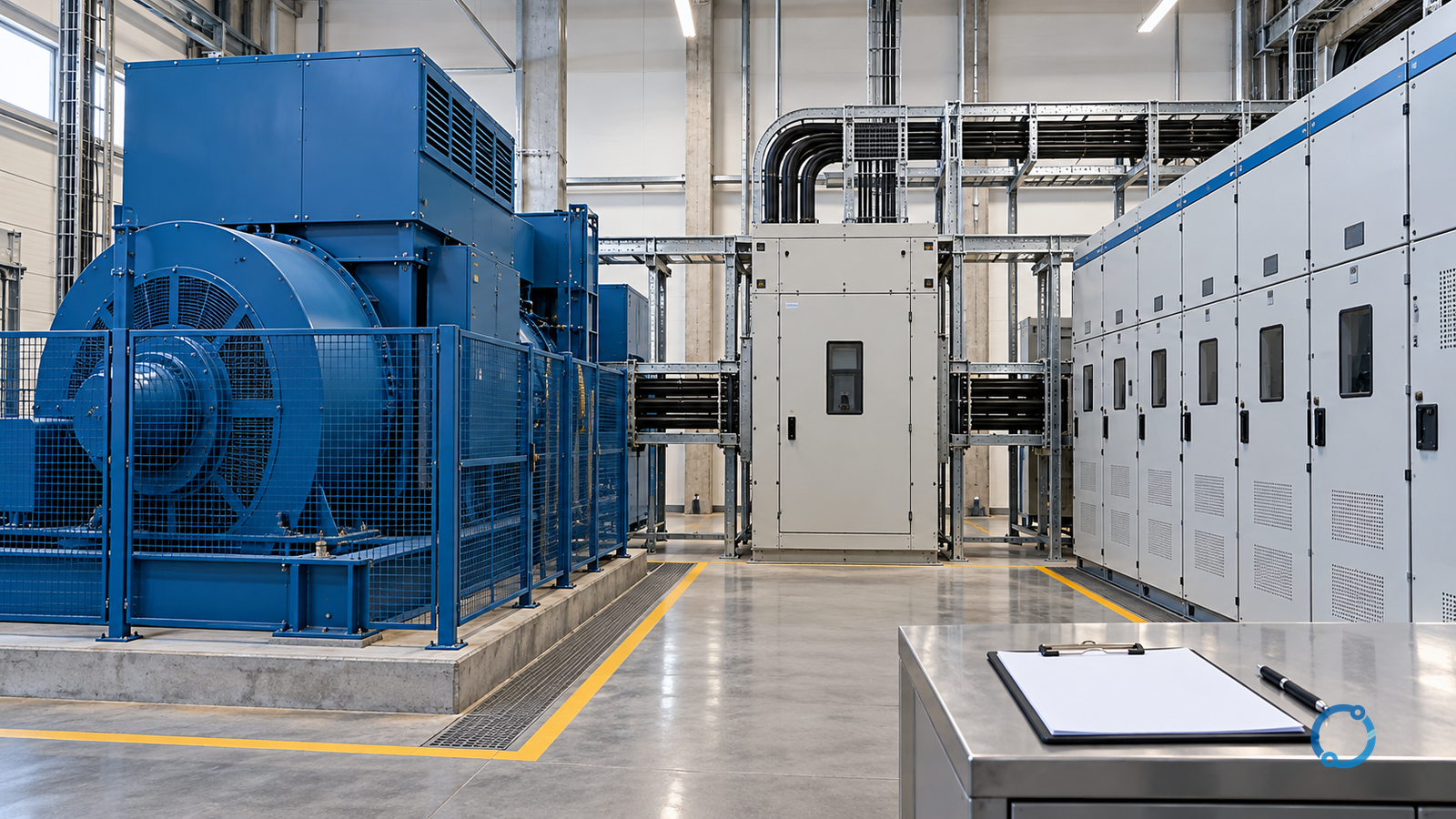
Generator Paralleling: How to Verify Synchronizing Conditions Before Closing
Before a generator is paralleled, the authorized operator must establish more than a single satisfactory meter reading. Confirm the generator and bus identity, verify phase sequence and the…
-
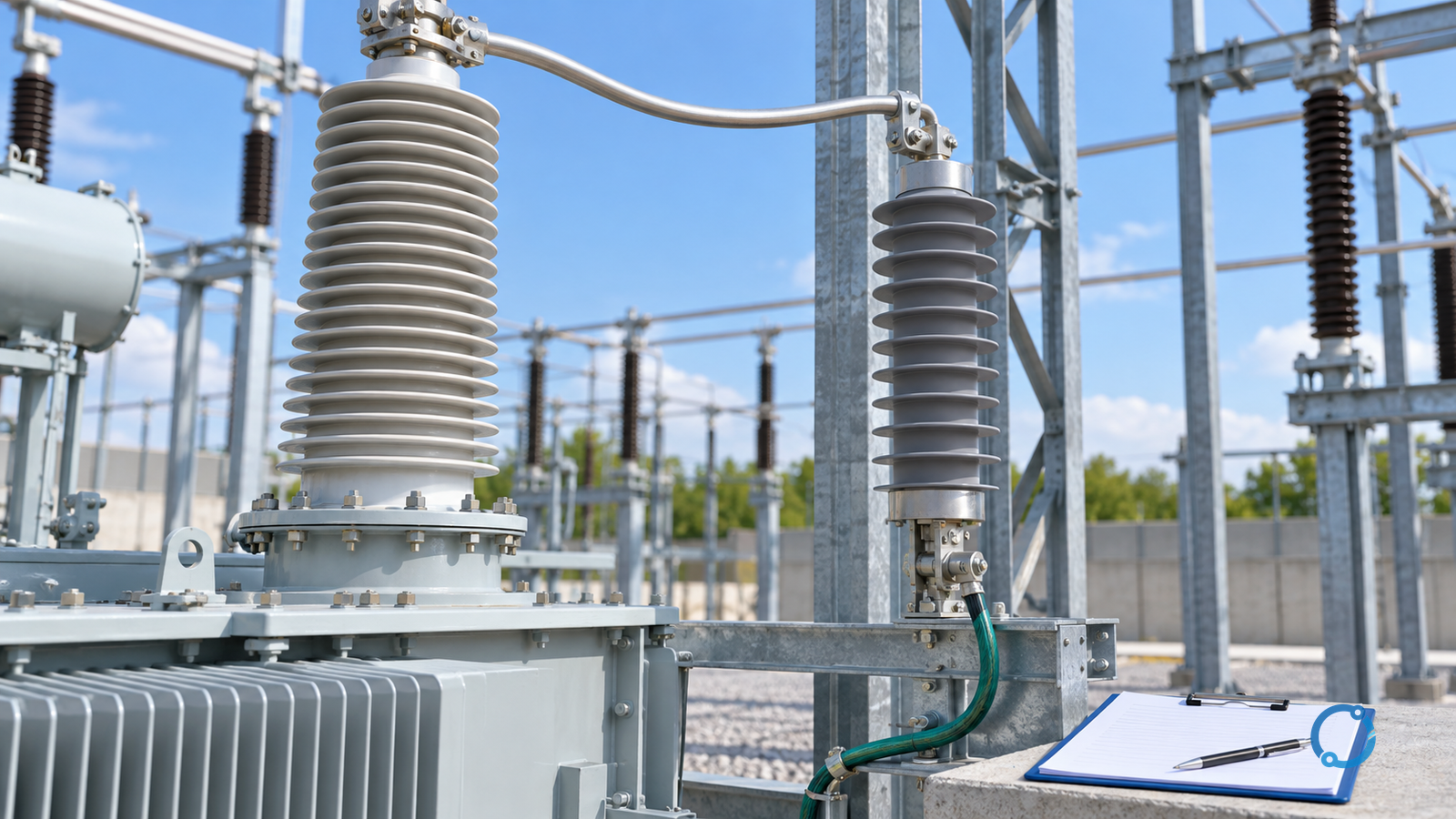
Surge Arrester Selection for Transformer Protection: A Coordination Checklist
Selecting a surge arrester for a transformer begins with the terminal being protected, not with a product family. The reviewer must know the system voltage and earthing, the…
-
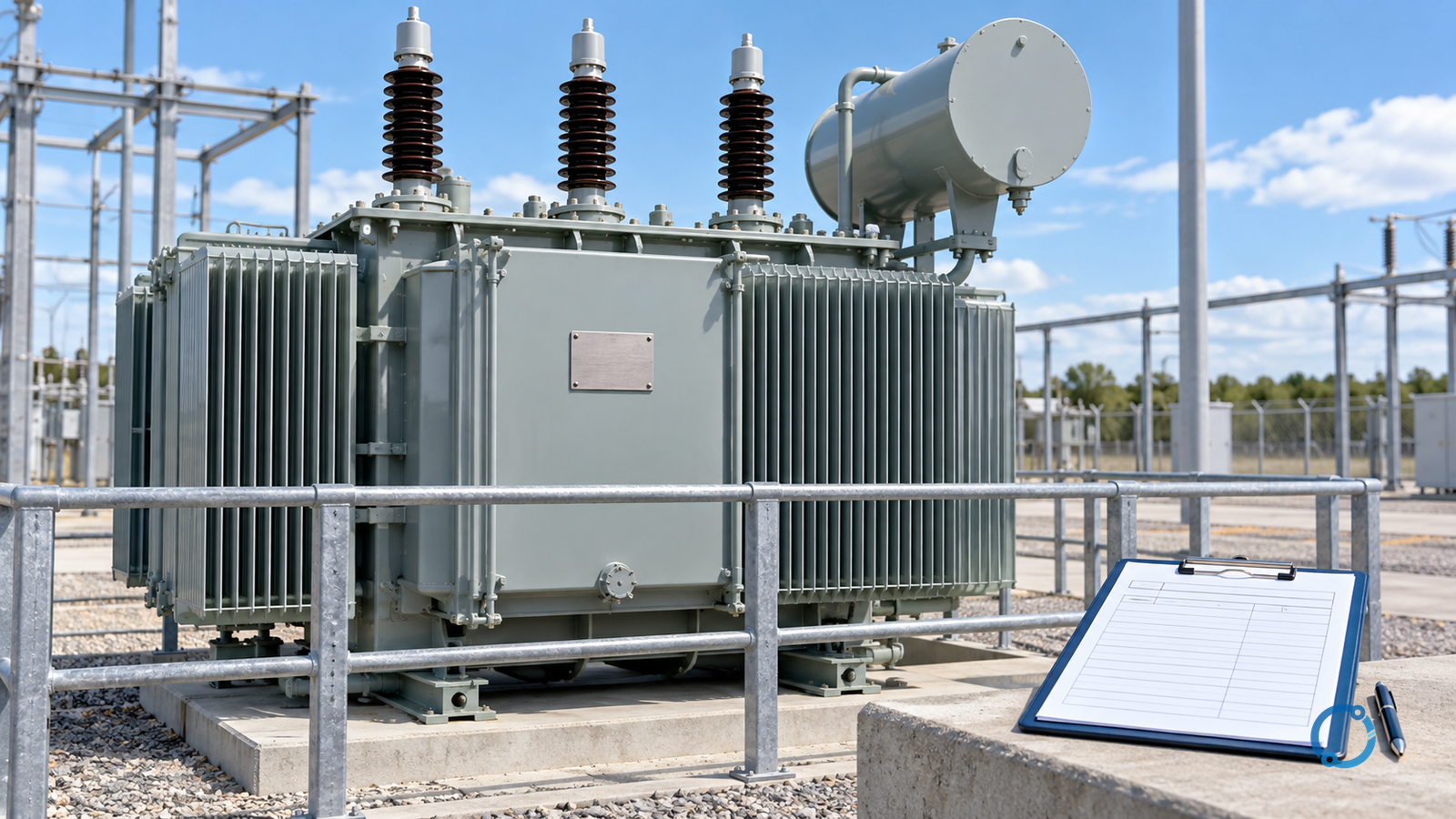
Transformer Impedance for Short-Circuit Calculations: A Transparent Verification Workflow
Transformer percent impedance is not a ready-made short-circuit current. It is one branch characteristic expressed on a particular power and voltage base. The defensible first step is therefore…
-
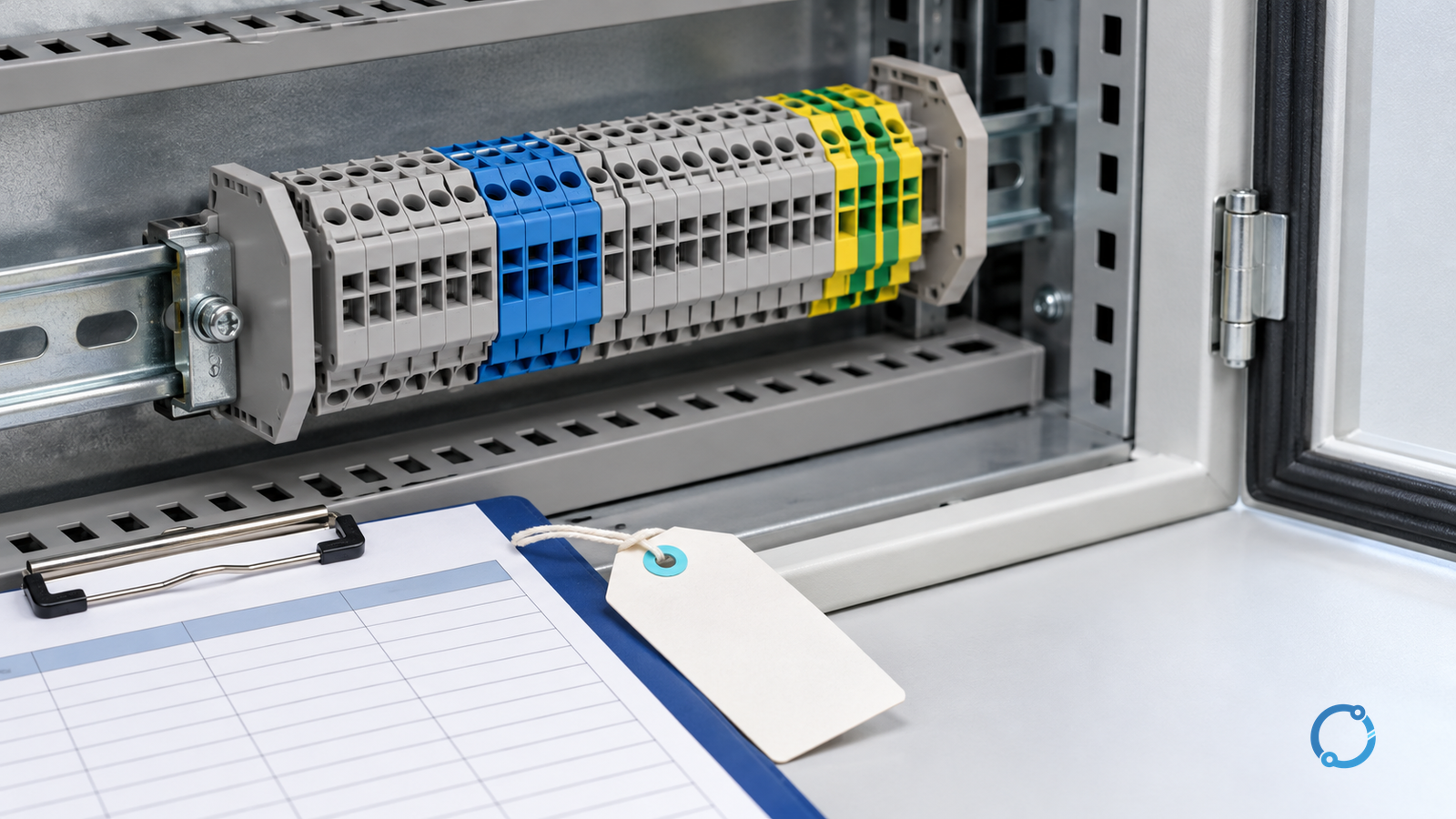
Terminal Block Cross-Reference: How to Find a Safe Replacement When the Original Model Is Obsolete
A terminal block is a safe replacement only when the proposed part preserves the complete installed duty: circuit function, conductor interface, electrical and thermal capability, physical access, accessory…
-
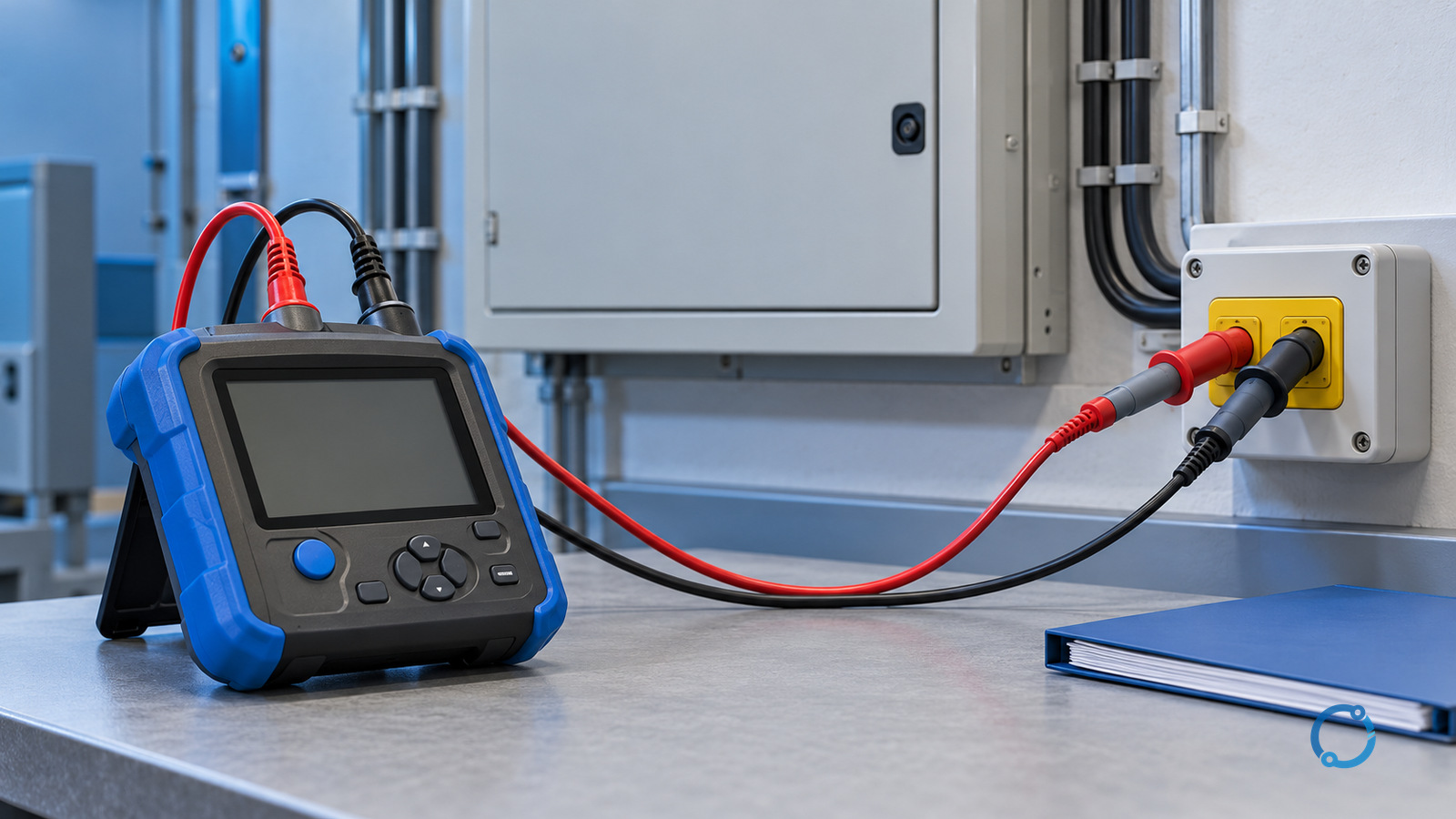
Earth Fault Loop Impedance Testing: How to Choose a Method and Interpret the Result
Earth fault loop impedance is the impedance of the intended current path from the source, through the line conductor, through the fault, back through the protective conductor or…
-
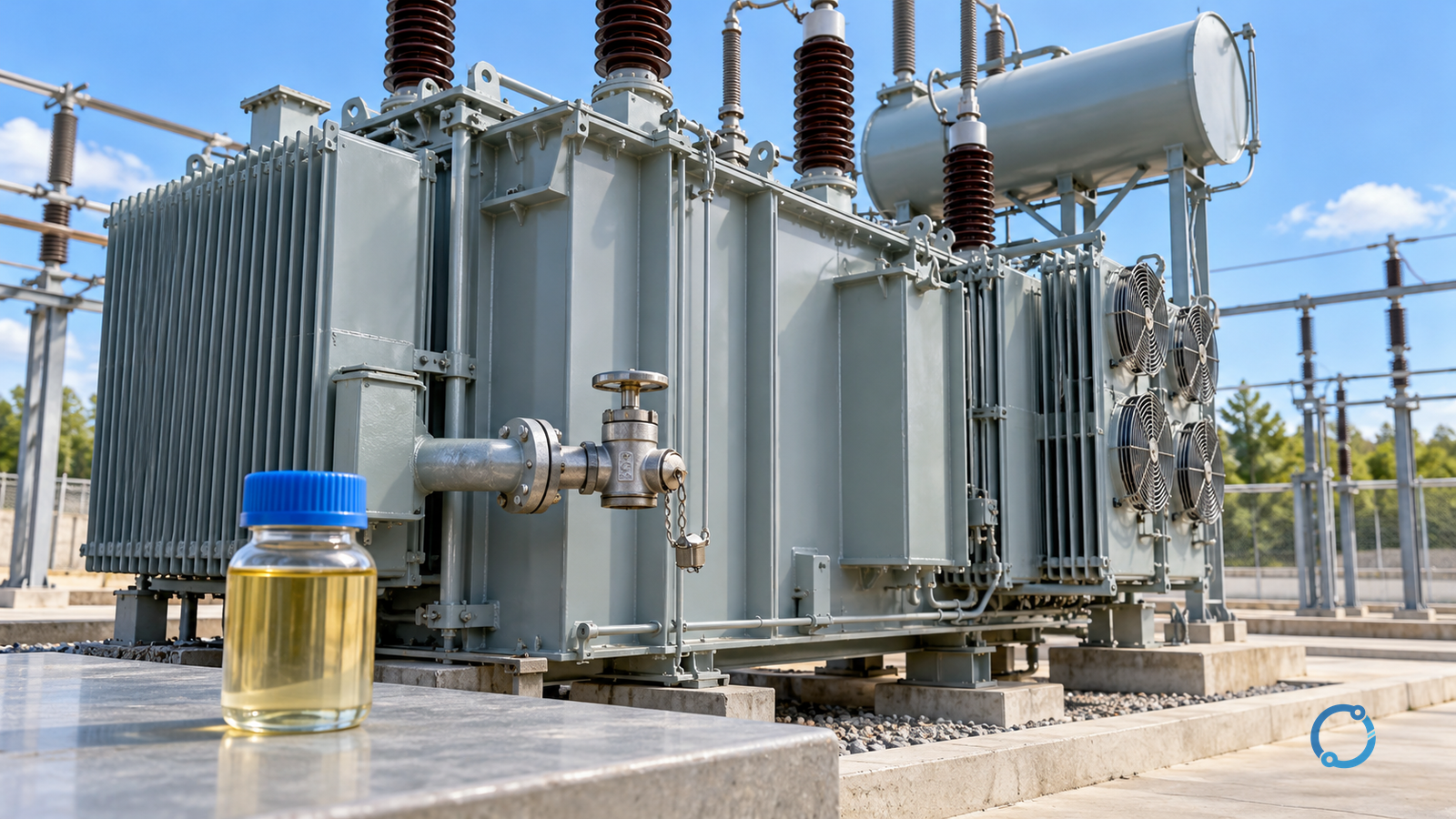
Transformer DGA Results Explained: From Gas Pattern to a Safe Investigation
A dissolved-gas analysis (DGA) result is evidence about an oil-filled transformer, not a diagnosis by itself. First decide what question the report is meant to answer. Then verify…