
Featured Guide
Latest by date
Low Voltage
Category articles
Guides to low-voltage distribution, protective devices, cables, terminals and busbars. Follow the path from equipment ratings to conductor selection, connection quality and verification.MCCB basics · Feeder cable sizing
-
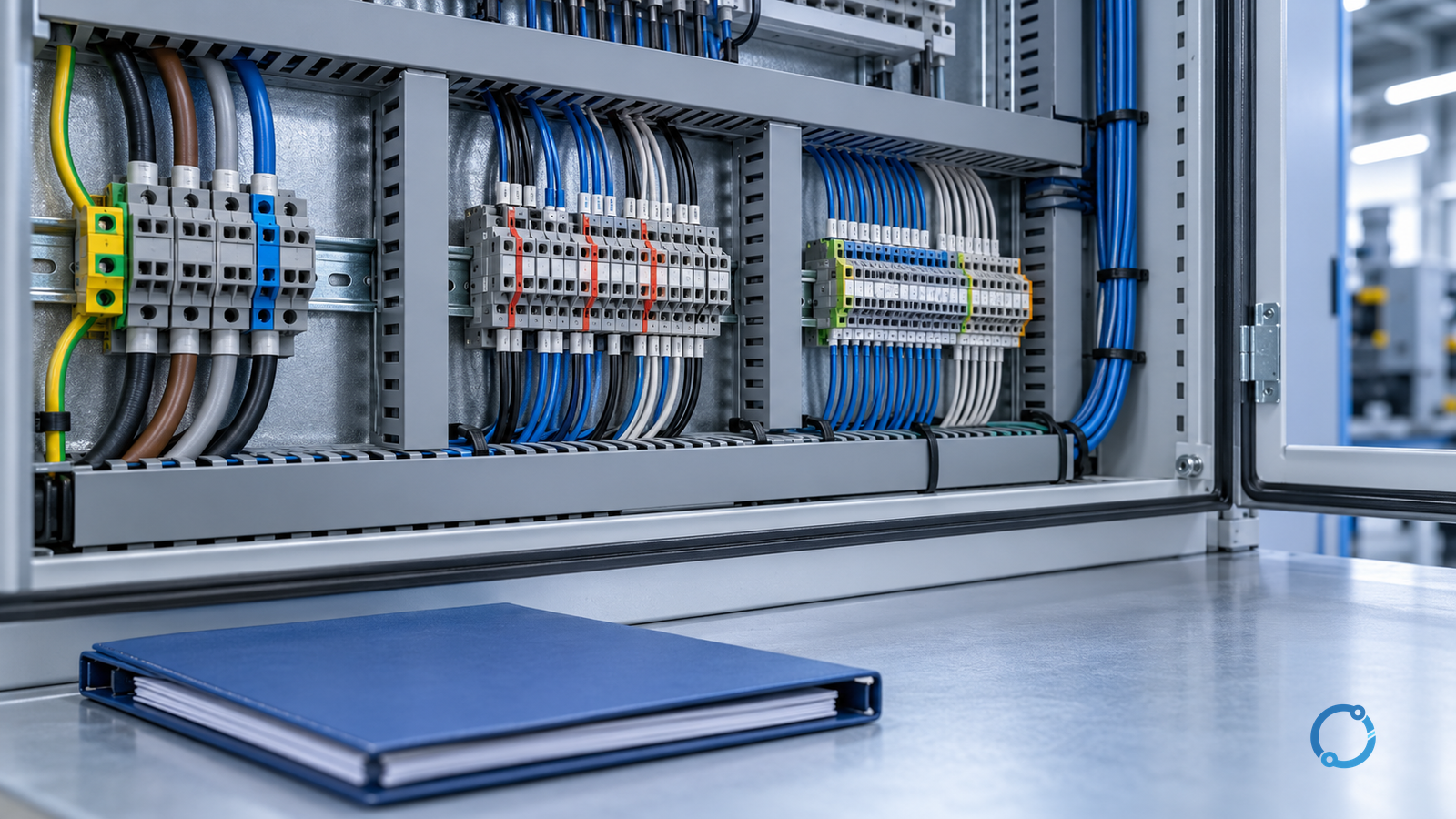
How to Separate Power, Control and Signal Terminal Blocks
Separate terminal blocks by the hazards and dependencies of each circuit, not by the words printed above a DIN rail. A useful layout keeps power conductors away from…
-
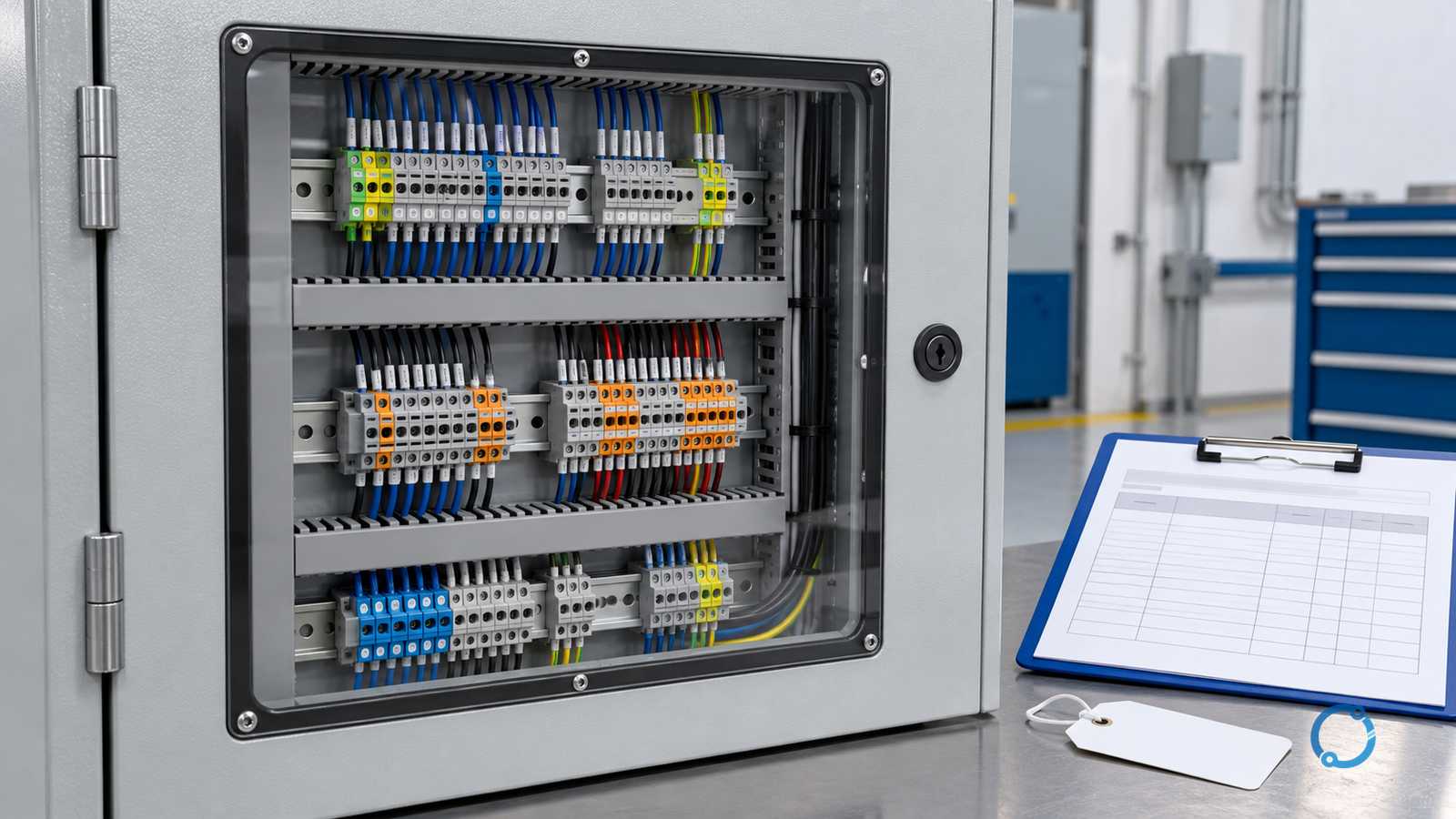
Why Control-Panel Terminal Blocks Overheat: A Safe Diagnostic Workflow
A discolored or unusually warm terminal block is a symptom, not a diagnosis. The heat may originate at the conductor-to-terminal interface, somewhere else in the same current path,…
-

Terminal Block Cross-Reference: How to Find a Safe Replacement When the Original Model Is Obsolete
A terminal block is a safe replacement only when the proposed part preserves the complete installed duty: circuit function, conductor interface, electrical and thermal capability, physical access, accessory…
-
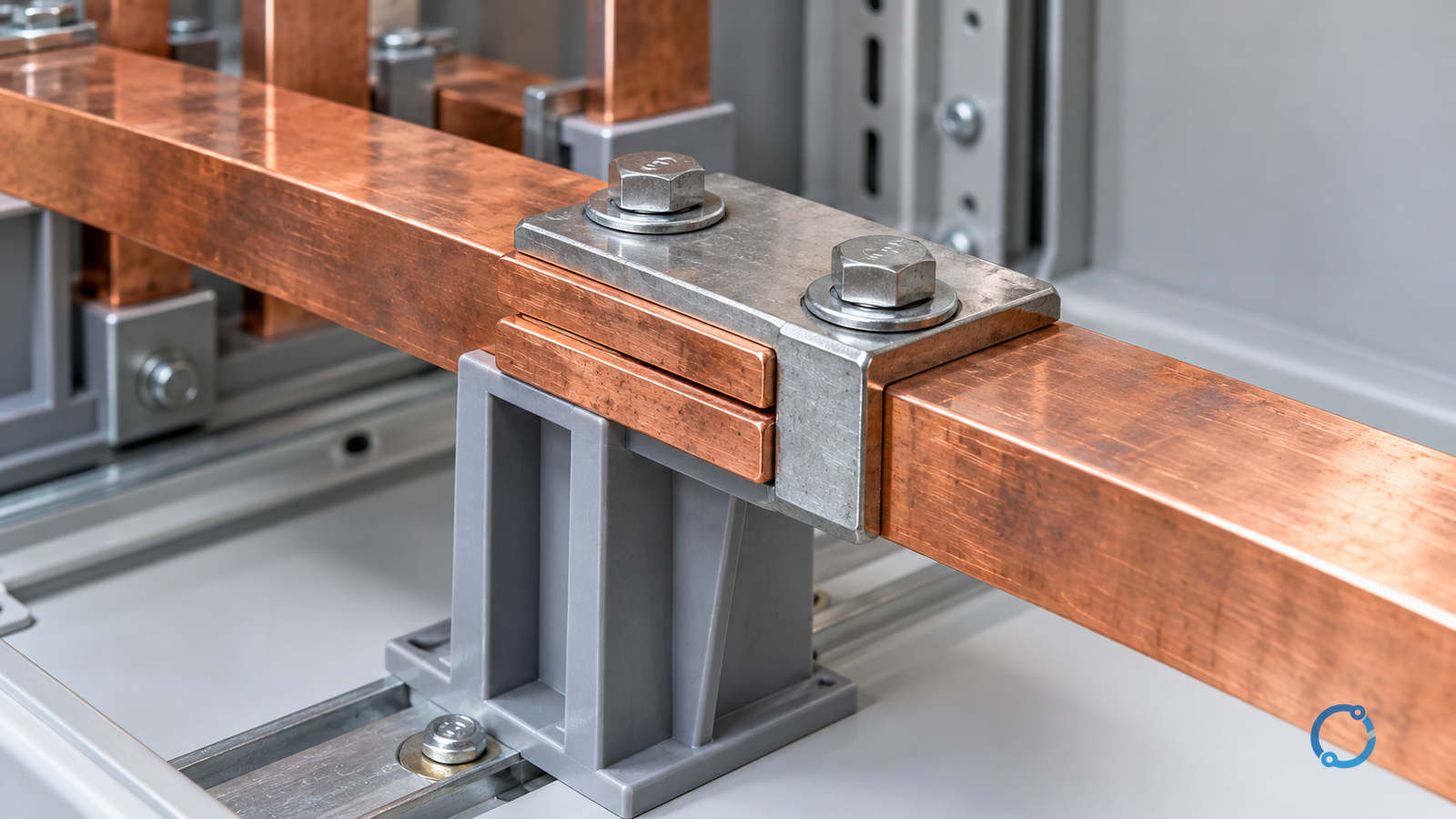
Why Copper Busbar Joints Overheat: A Safe Diagnostic Workflow
A hot copper busbar joint is not automatically a loose joint. Its temperature is the result of the current it carries, the ambient conditions around it, the heat…
-
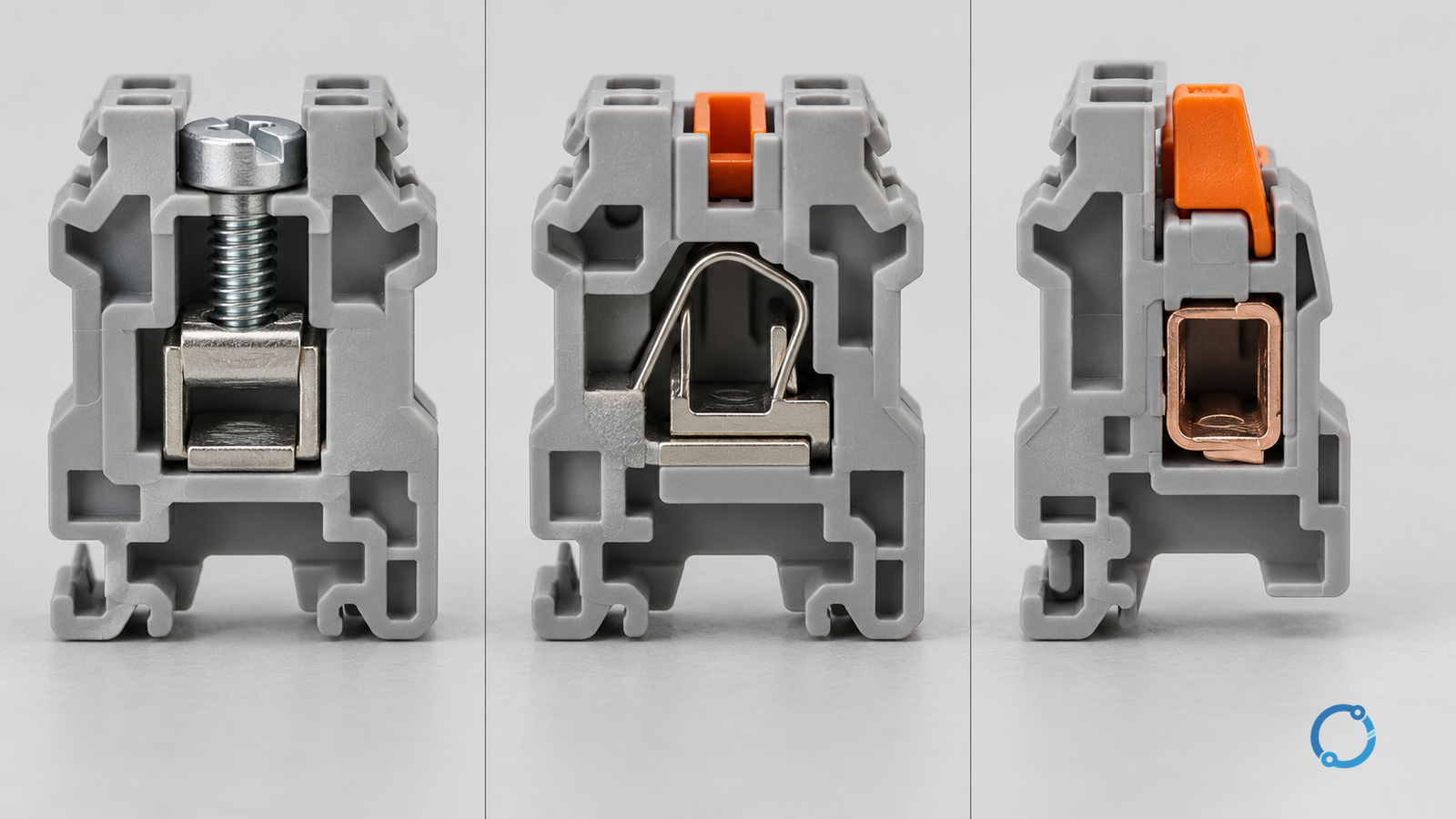
Screw vs Spring vs Push-In Terminal Blocks: A Verification-Based Selection Guide
There is no universal winner among screw, spring-cage and push-in terminal blocks. The useful comparison starts with the conductor and the service duty, then evaluates the complete connection…
-
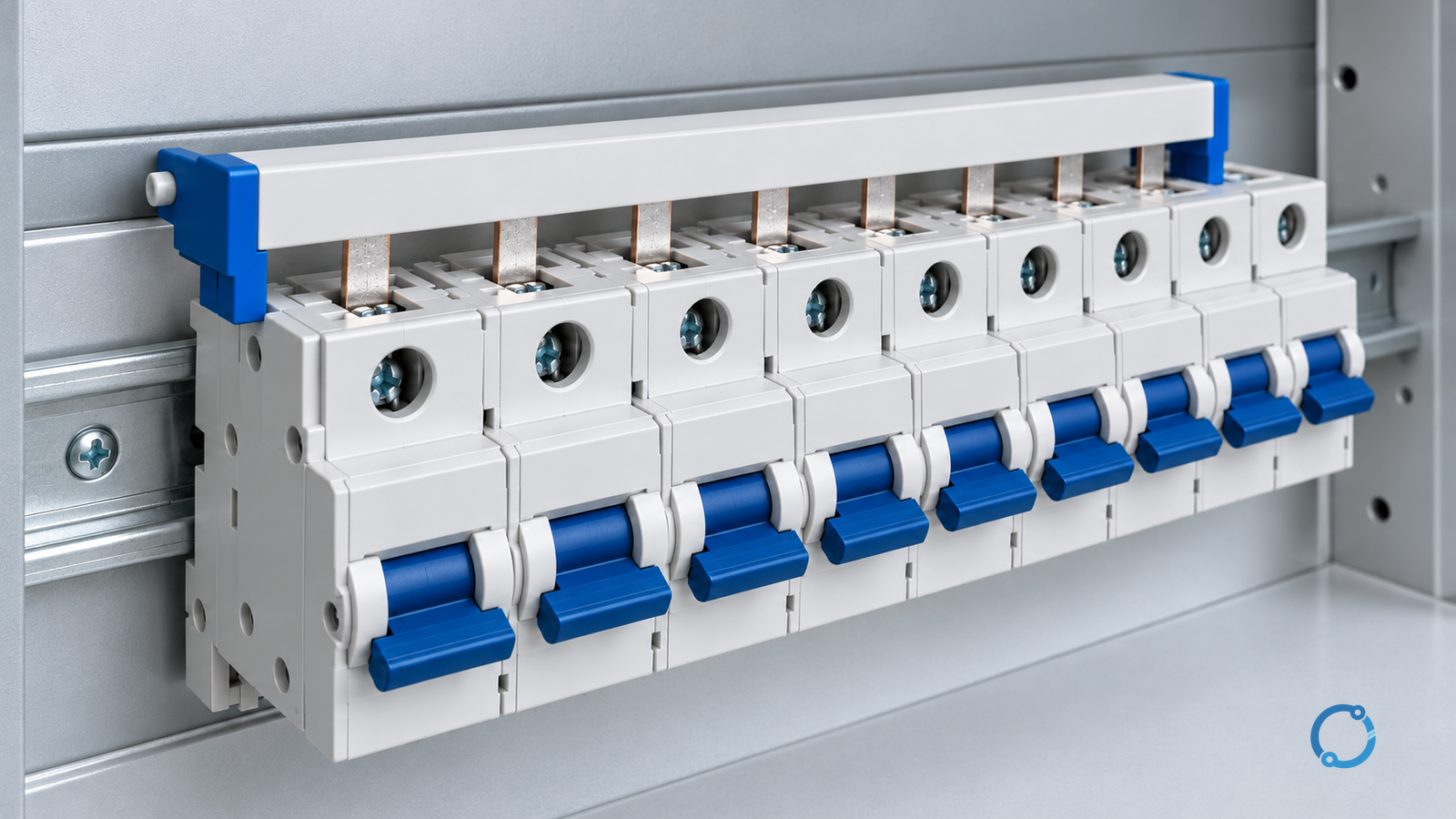
Comb Busbar vs Jumper Wire: Which Is Better for MCBs?
Use a comb busbar when the breaker family, pole pitch, pole count and current rating are fixed, the busbar is declared for that exact breaker, and the row…
-
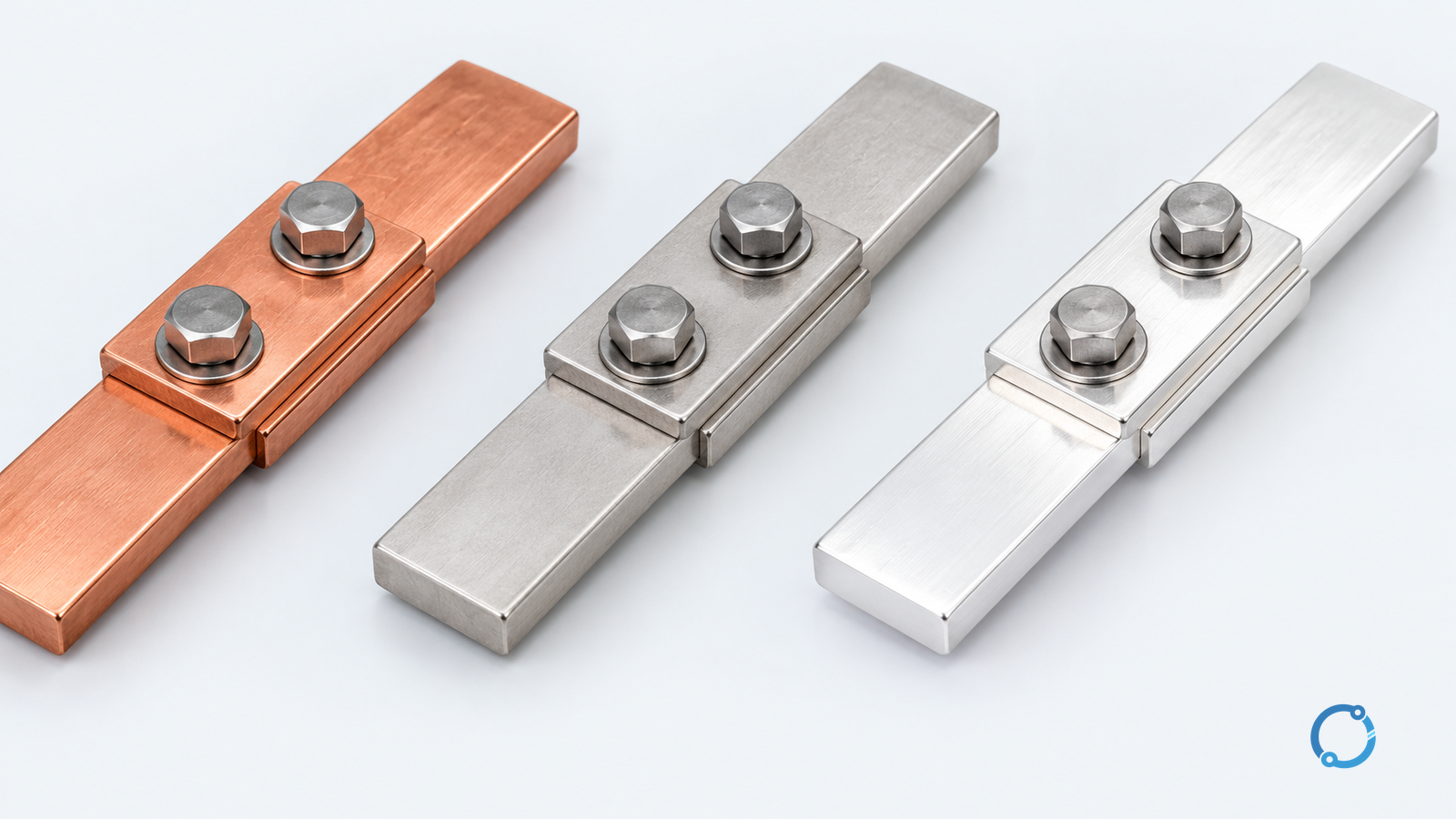
Bare Copper vs Tin-Plated vs Silver-Plated Busbars: A Selection Guide
Choose a copper busbar finish from the joint outward. Bare copper can suit a protected, well-prepared copper-to-copper connection; tin plating can be considered where a tinned interface is…
-
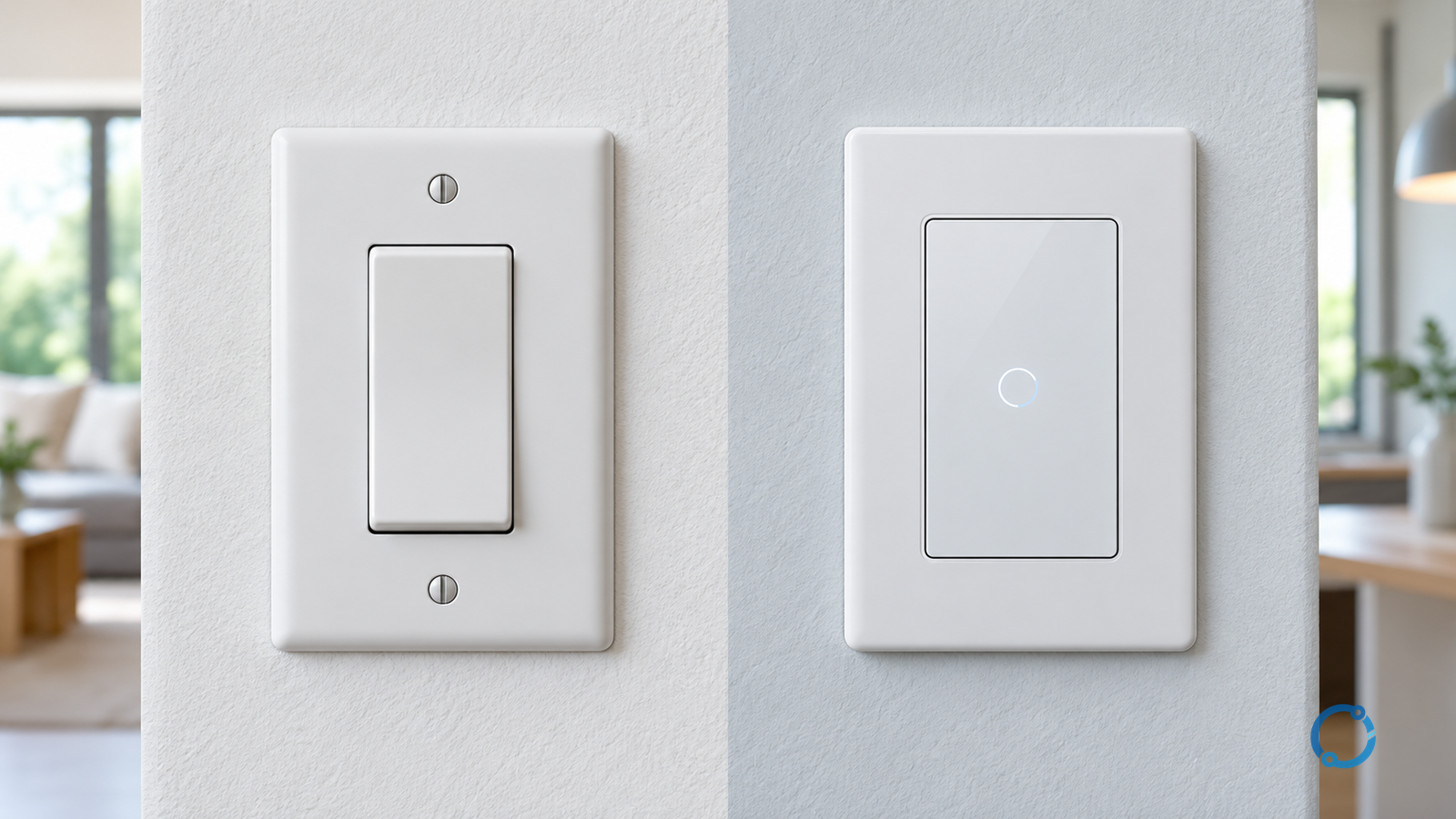
Modular vs Smart Switches: A Requirements-Based Selection
A conventional modular switch is usually the simpler choice when direct local control and a circuit that operates independently meet the need. A smart switch is justified when…
-
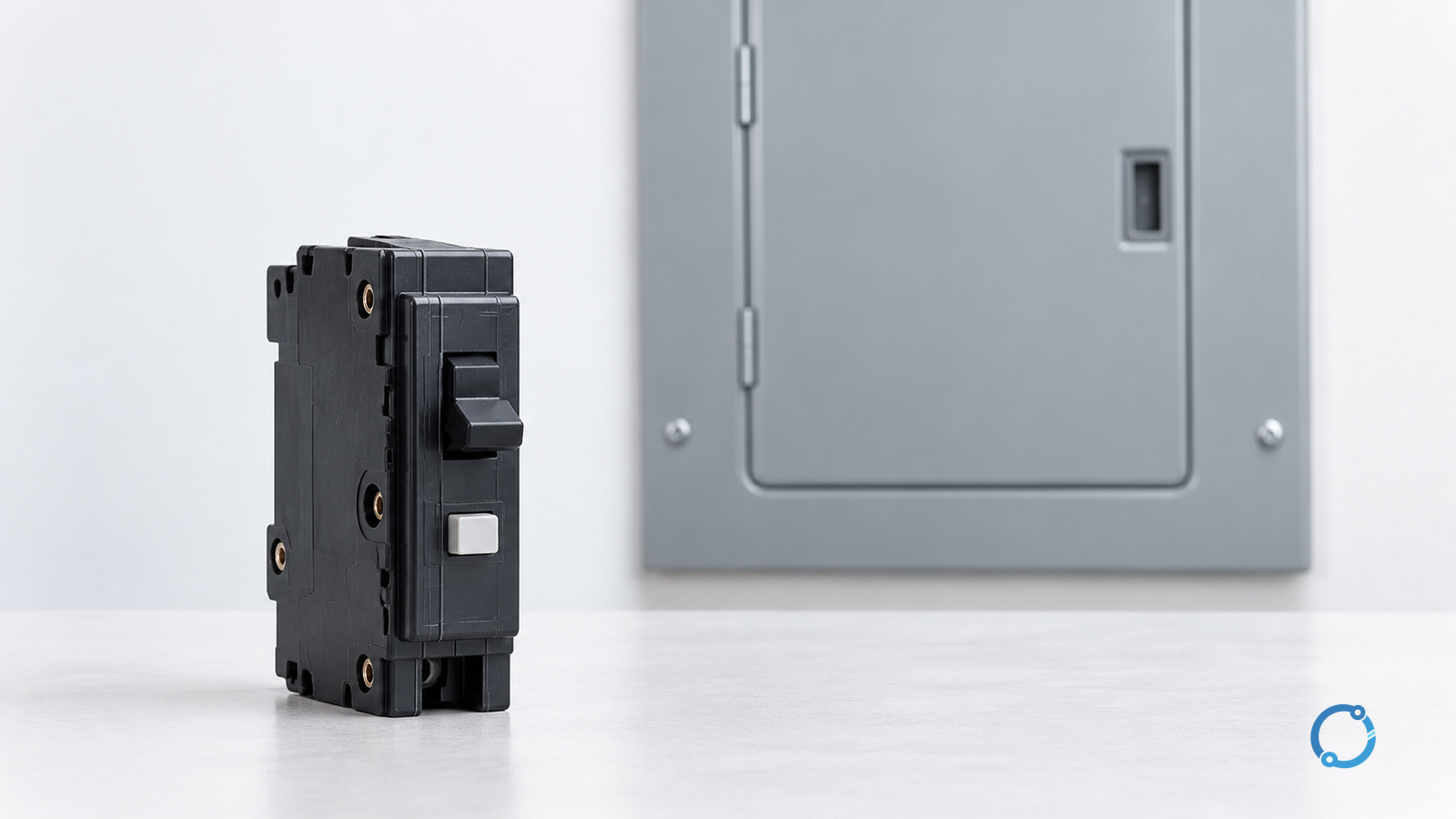
AFCI Breaker Installation: Compatibility, Neutral Routing and Verification
An AFCI breaker installation should be accepted only after the breaker is verified for the actual panel and circuit, its neutral arrangement follows the exact device instructions, and…
-
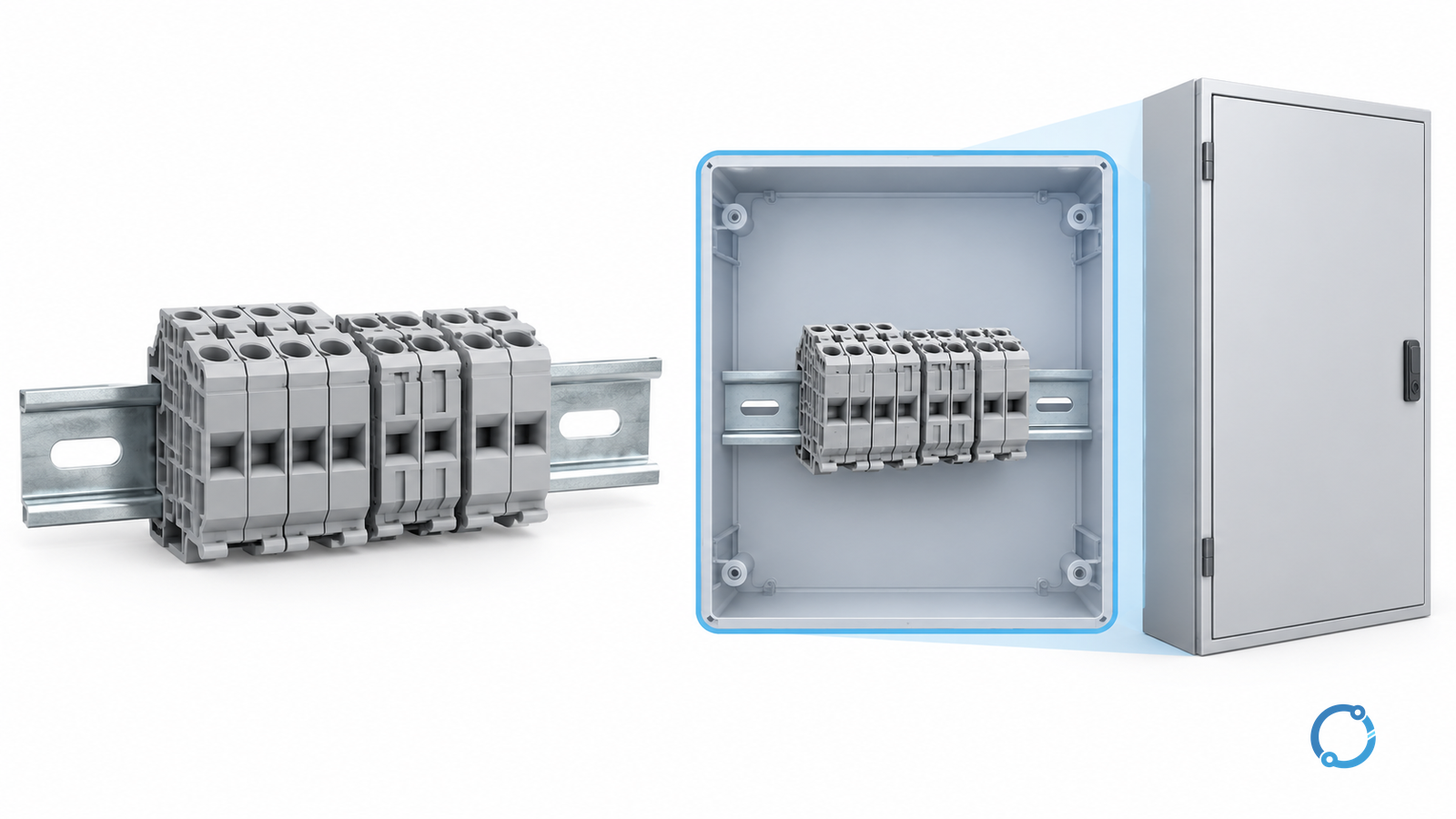
How to Read a Terminal Block Derating Curve Without Misapplying the Rating
Read a terminal-block derating curve by matching the exact component and test arrangement, locating its defined ambient temperature, and reading the permitted current on the applicable trace. Do…