
Featured Guide
Latest by date

Low Voltage
Category articles
Guides to low-voltage distribution, protective devices, cables, terminals and busbars. Follow the path from equipment ratings to conductor selection, connection quality and verification.MCCB basics · Feeder cable sizing
-
Neutral Conductor Sizing: When a Reduced Neutral Is Not Justified
The neutral conductor is not inherently smaller than the phase conductors. In a balanced three-phase linear load, fundamental-frequency phase currents cancel at the neutral point. In an installation…
-

MCB Tripping Causes: A Safe Diagnostic Path Before Resetting
An MCB trip is a protection event, not permission to install a larger breaker. First identify which device operated, when it operated and what changed on the circuit.…
-
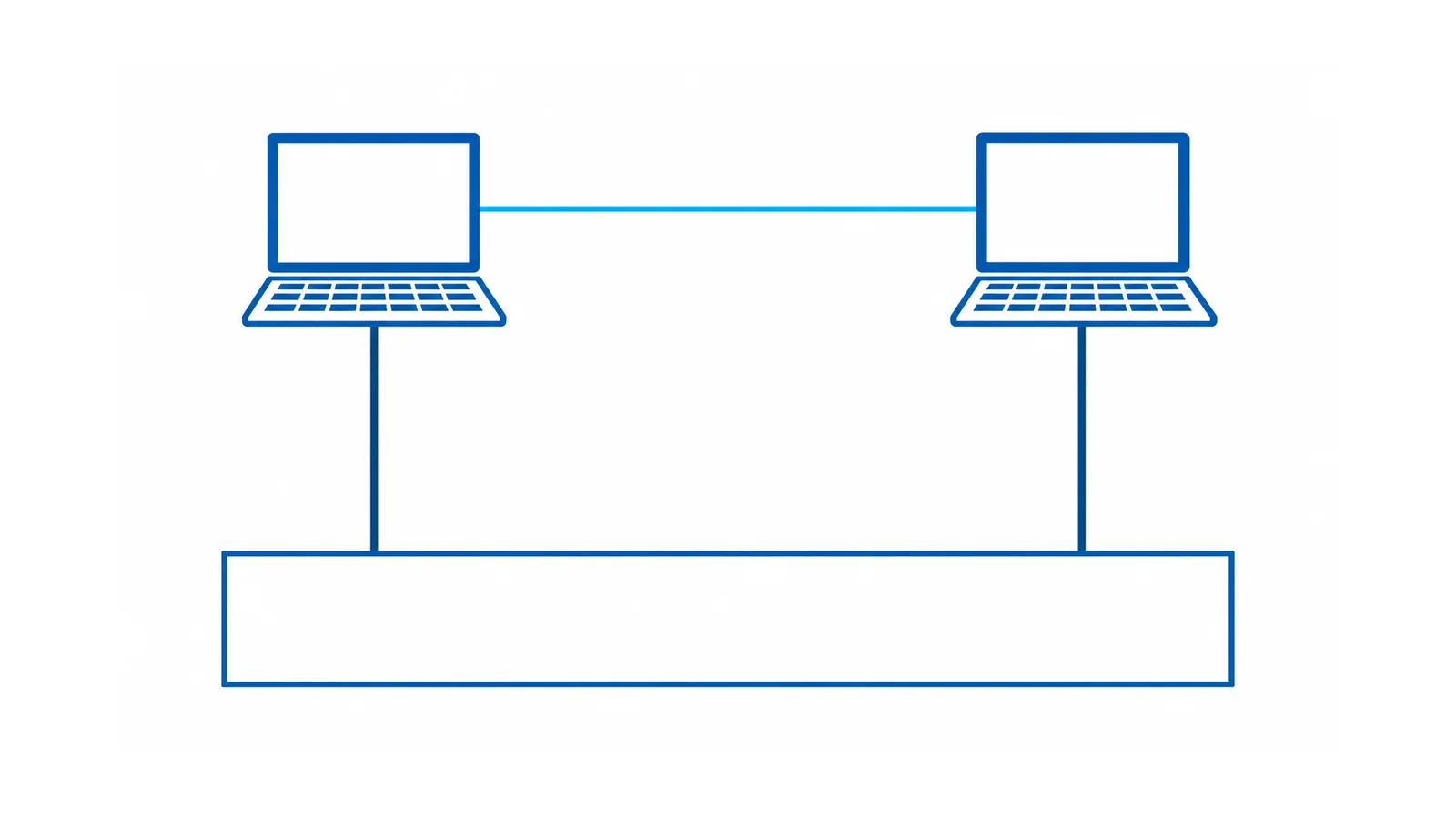
Computer Grounding Problems: Diagnose Noise Without Removing Protective Earth
When a computer resets, a data link fails or connected equipment produces interference, keep the protective grounding path intact and investigate the power and data interfaces together. The…
-
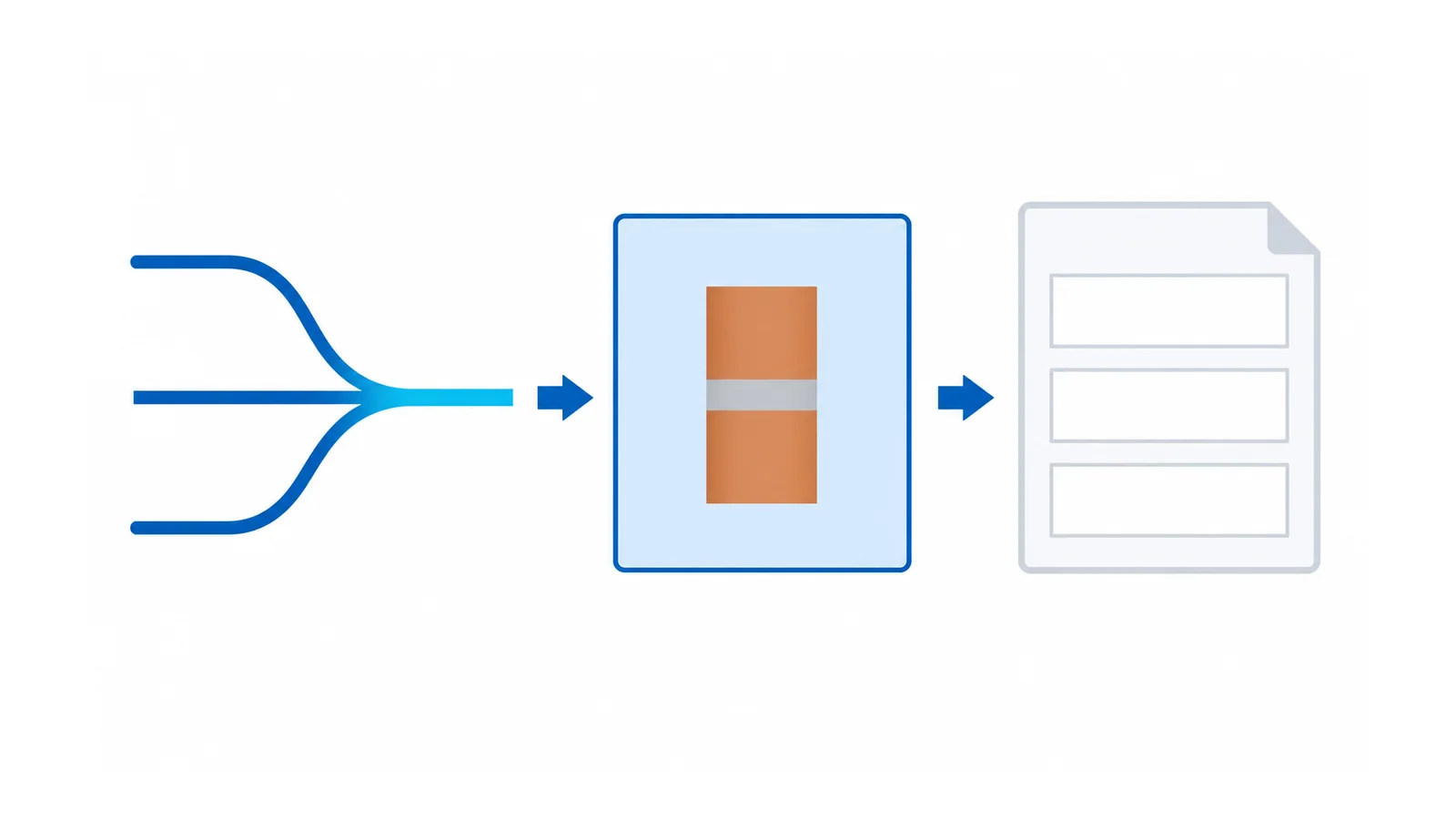
Terminal Block Current Rating vs. Actual Load: A Verification Worksheet
A terminal block’s current rating is usable only with its declared conditions. To accept an actual load, match the conductor and preparation, operating duty, local temperature, arrangement and…
-
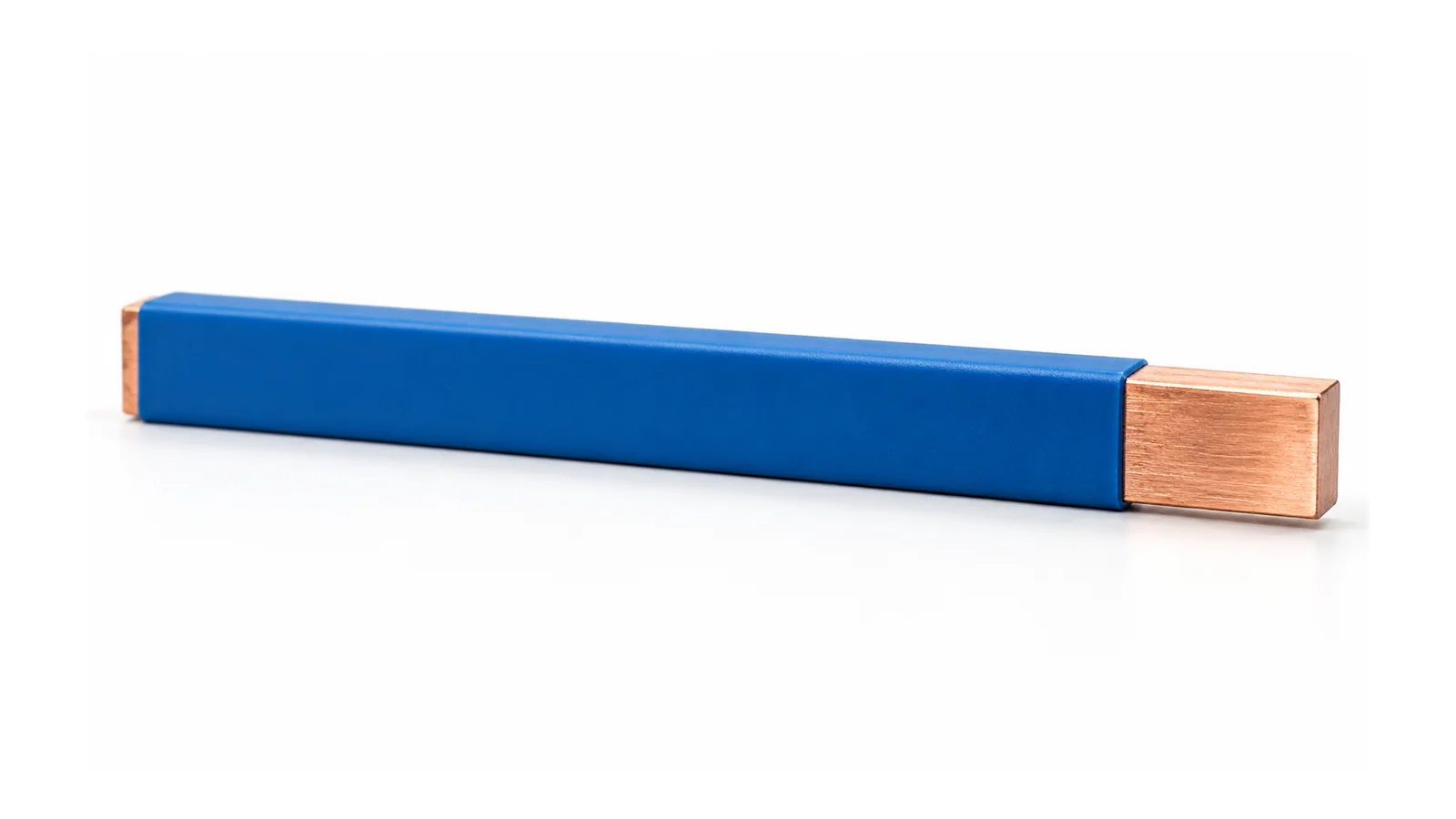
Busbar Insulation Types: Heat-Shrink, Epoxy Coating and Molded Systems
Choose busbar insulation by the surfaces it must cover, the connections that must remain usable, and the evidence for the finished assembly. Heat-shrink sleeves, epoxy coatings and molded…
-
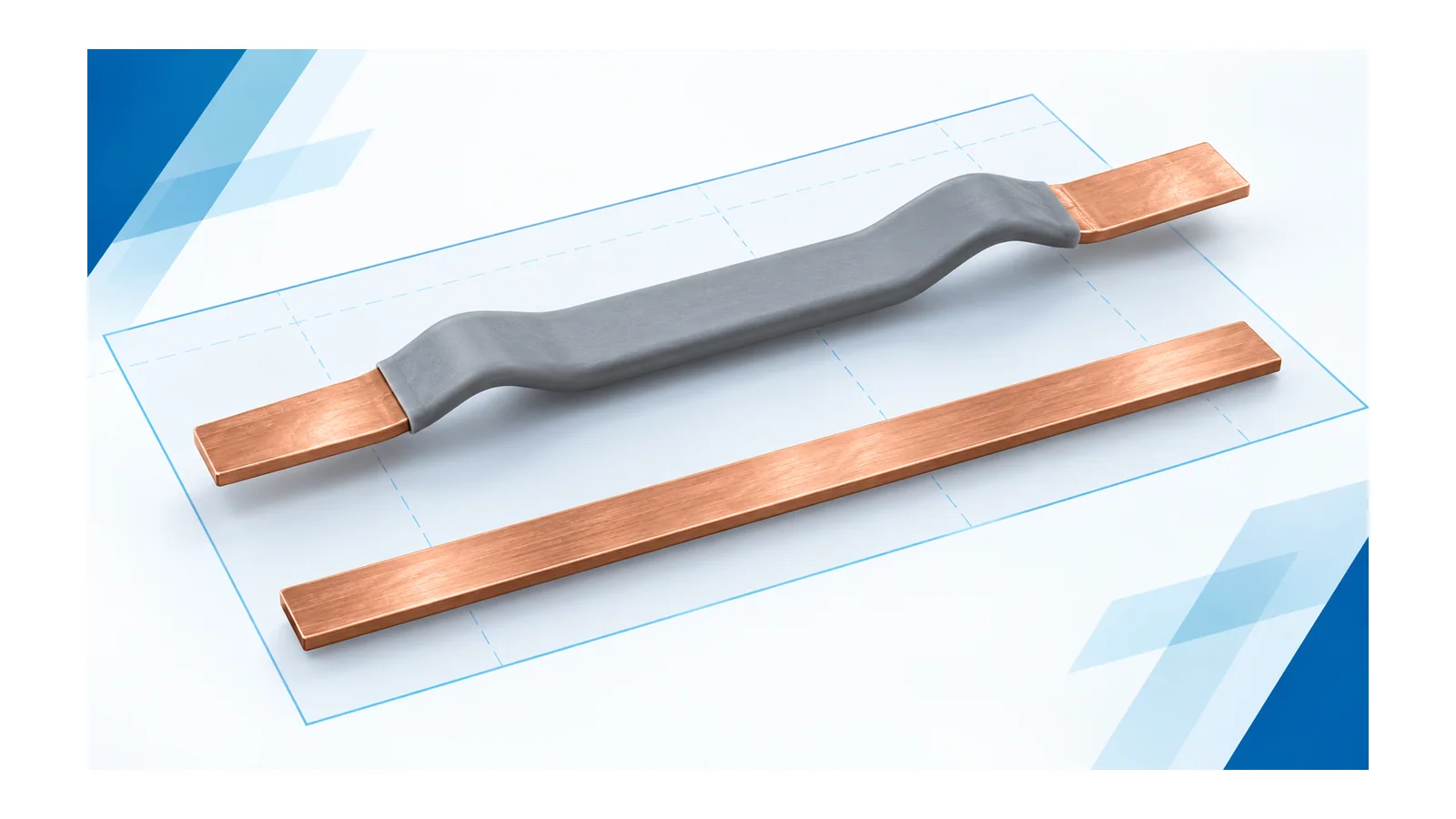
Flexible Insulated vs. Bare Copper Busbars: A Panel Design Comparison
A flexible insulated link can be useful for an offset connection; a rigid bare copper rail can suit a stable distribution backbone. Neither is automatically the smaller, cooler…
-
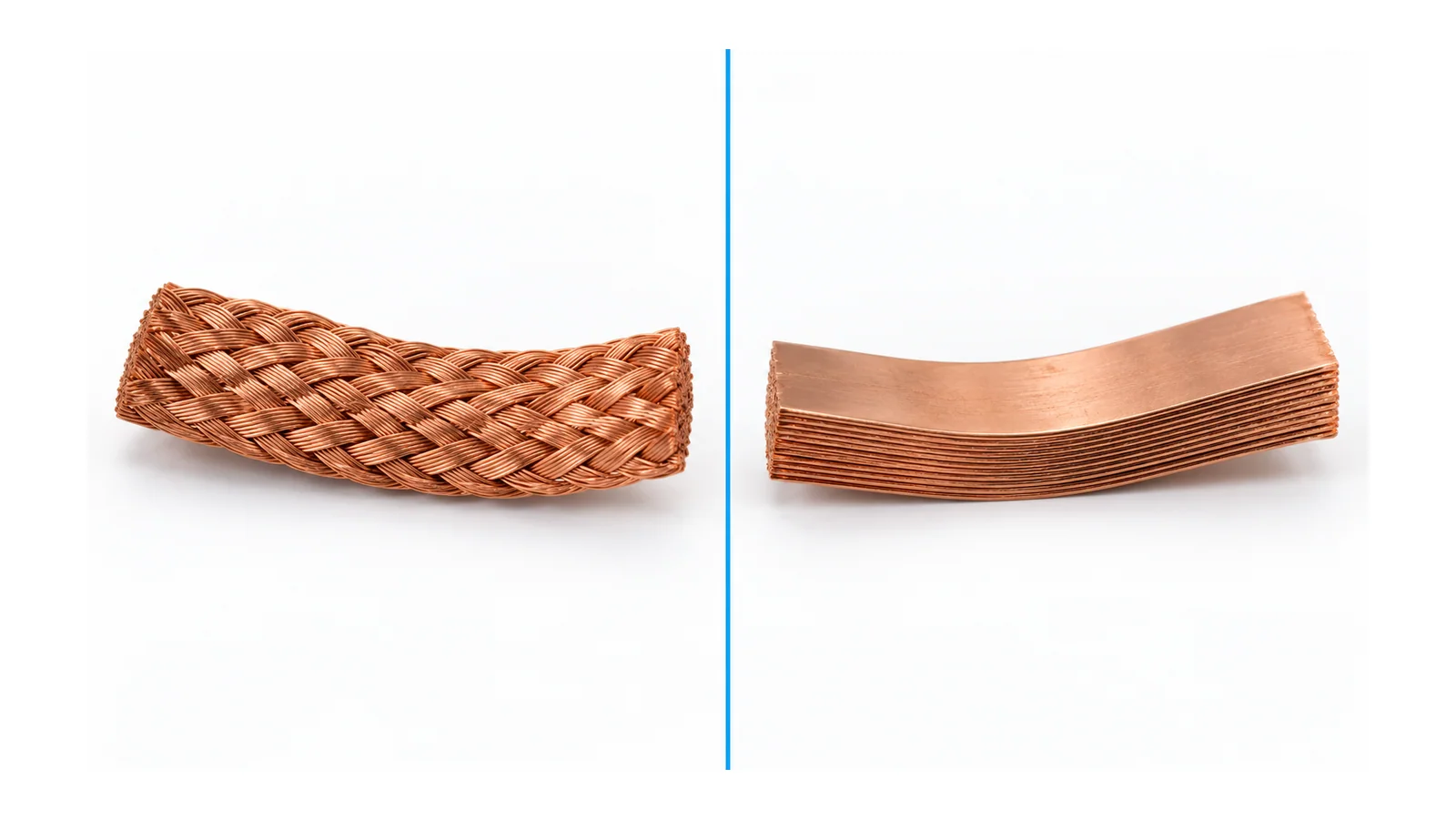
Braided vs. Laminated Copper Busbars: Choosing Flexible Links
Choose between copper braid and a flexible copper-foil stack by the movement envelope, actual conducting section and end connections, then verify thermal and fault-duty performance in the intended…
-
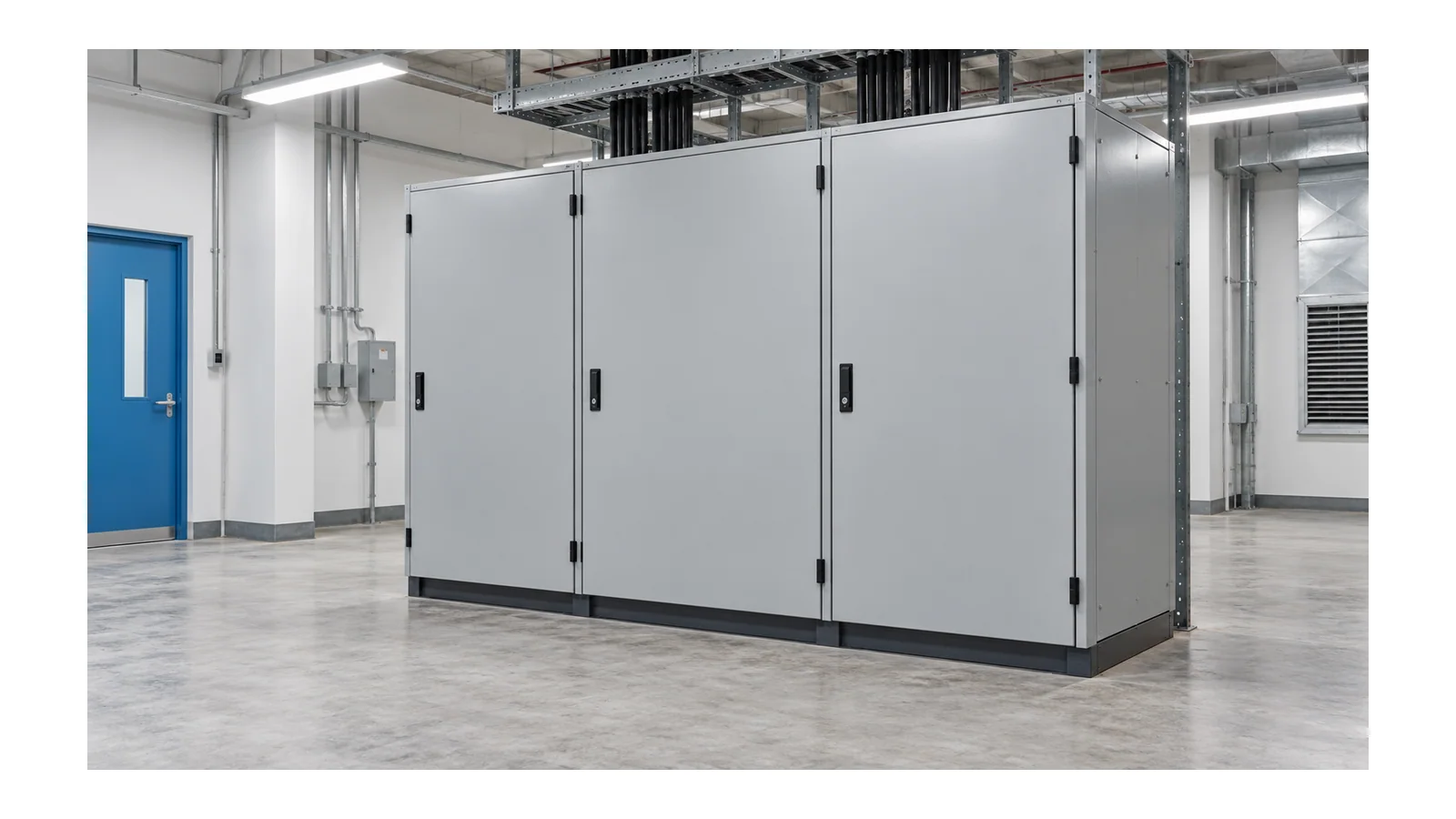
LV Switchgear Operating Temperature: Causes and Diagnostic Checks
High low-voltage (LV) switchgear temperature can come from more internal losses, less heat removal, a hotter surrounding environment, or a localized resistive connection. Diagnose which changed before choosing…
-
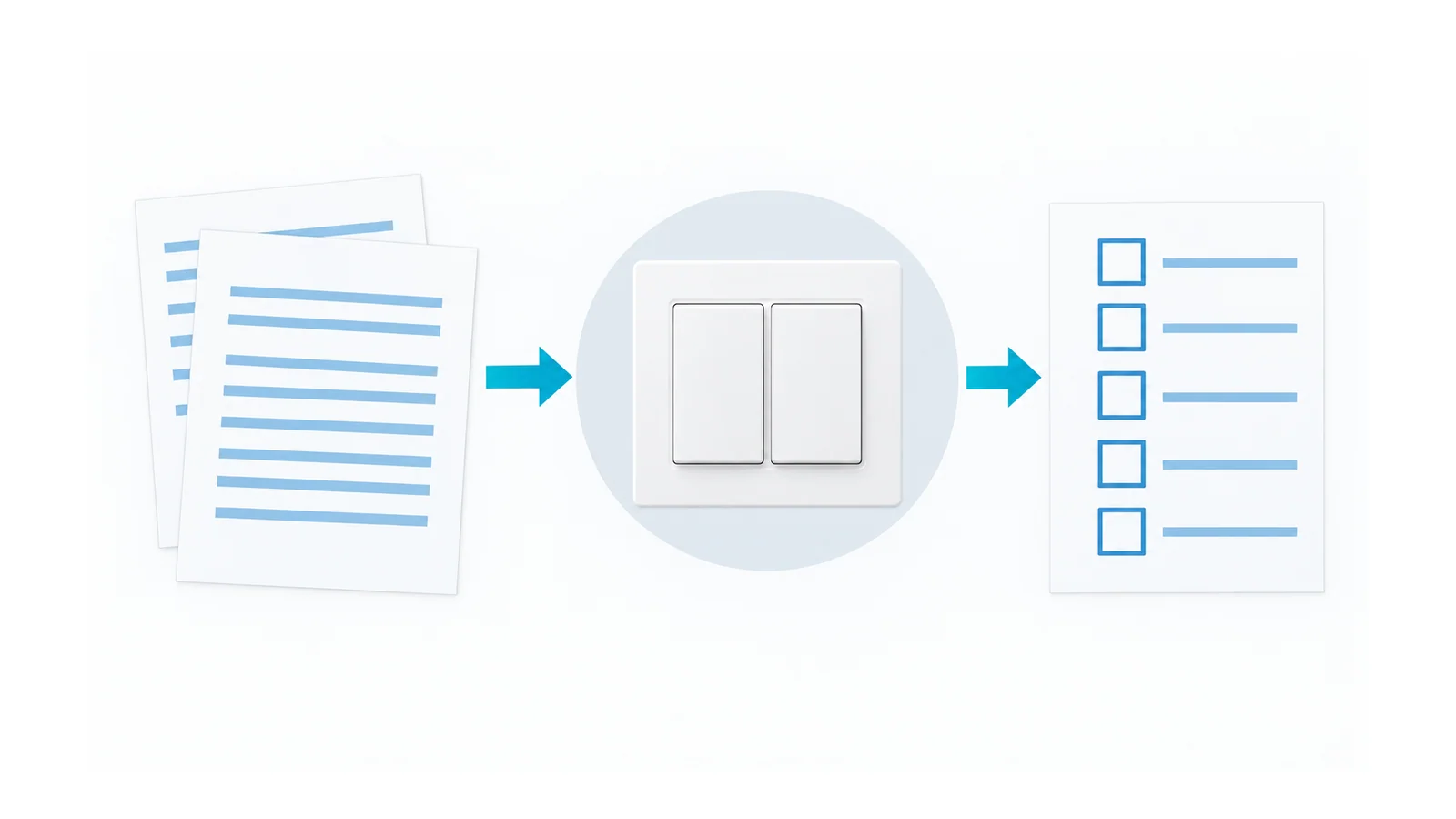
Modular Switch and Socket Installation: Five Verification Gates
A modular switch or socket installation is ready for handover only after five questions have documented answers: is the accessory system suitable, was the work safely isolated, are…
-
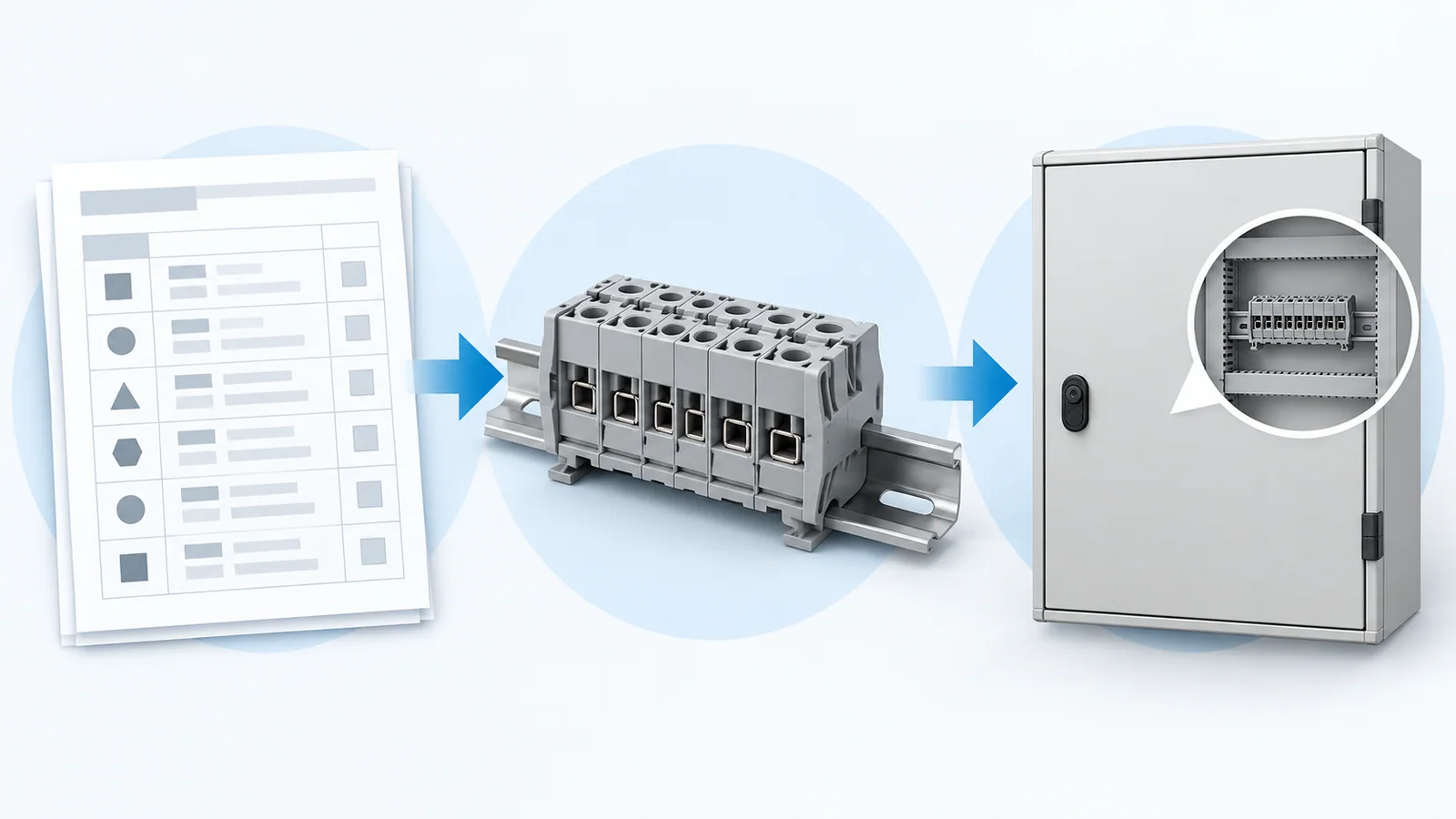
How to Select Terminal Blocks for Electrical Panels
Select a terminal block by circuit function first, then verify conductor acceptance, electrical duty and environmental conditions. Only after those checks should you finalize bridges, protective-earth connections, mounting…