
Featured Guide
Latest by date
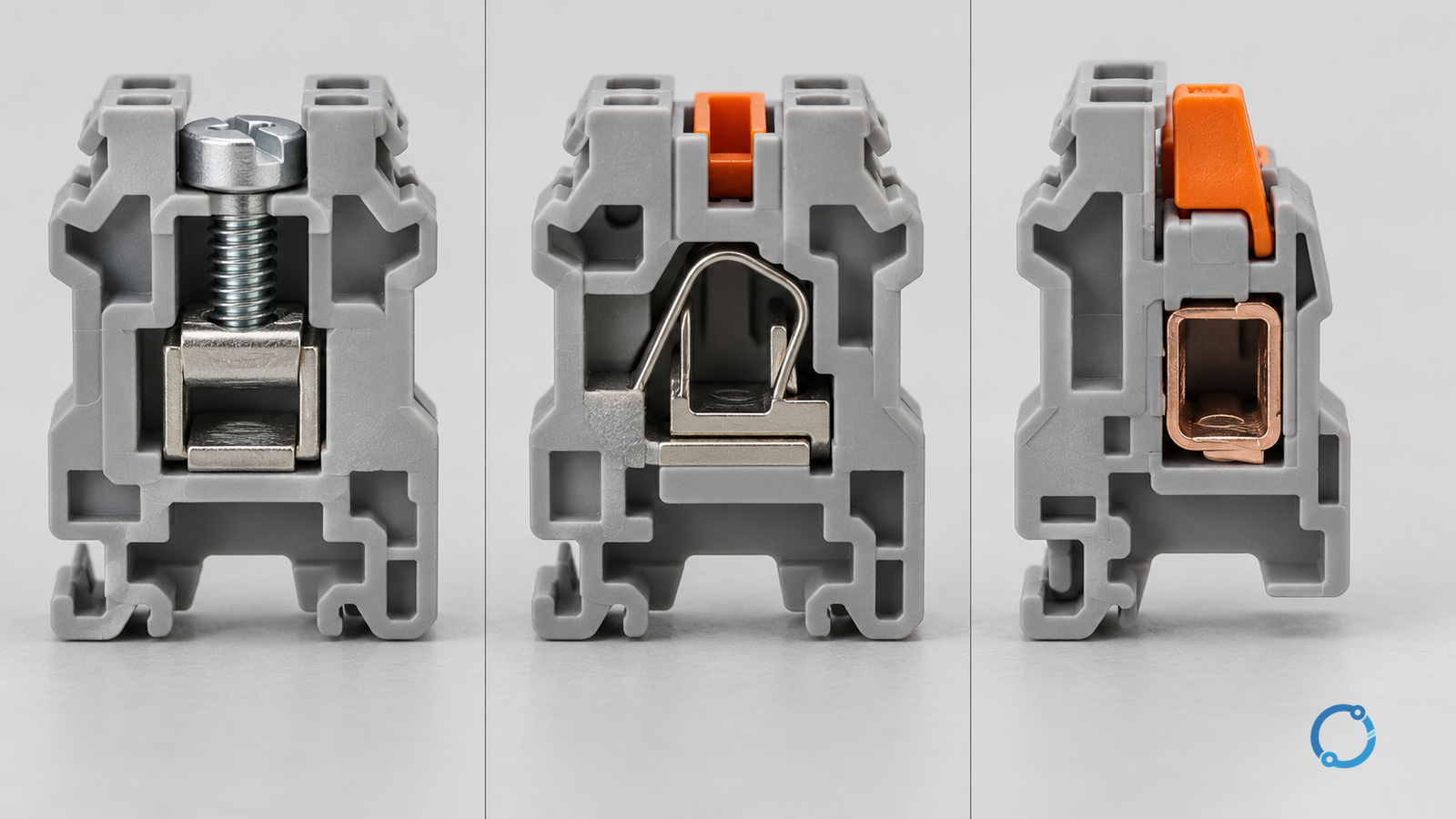
Low Voltage
Category articles
Guides to low-voltage distribution, protective devices, cables, terminals and busbars. Follow the path from equipment ratings to conductor selection, connection quality and verification.MCCB basics · Feeder cable sizing
-
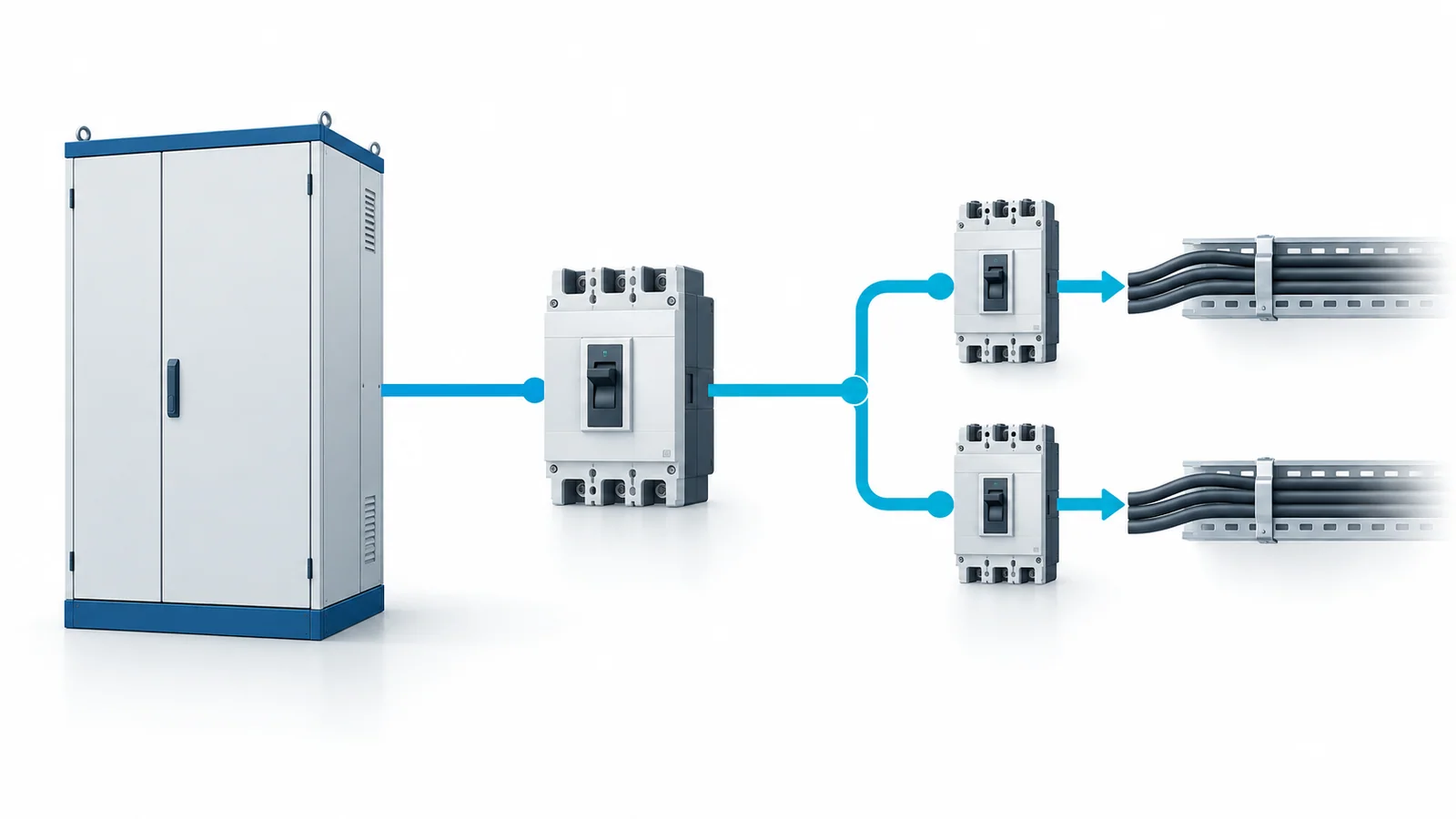
Low-Voltage Circuit Breaker Selection for Selective Coordination
Selectivity means a downstream fault is cleared by the protective device nearest that fault while an upstream device remains closed, within a defined range of fault currents. To…
-
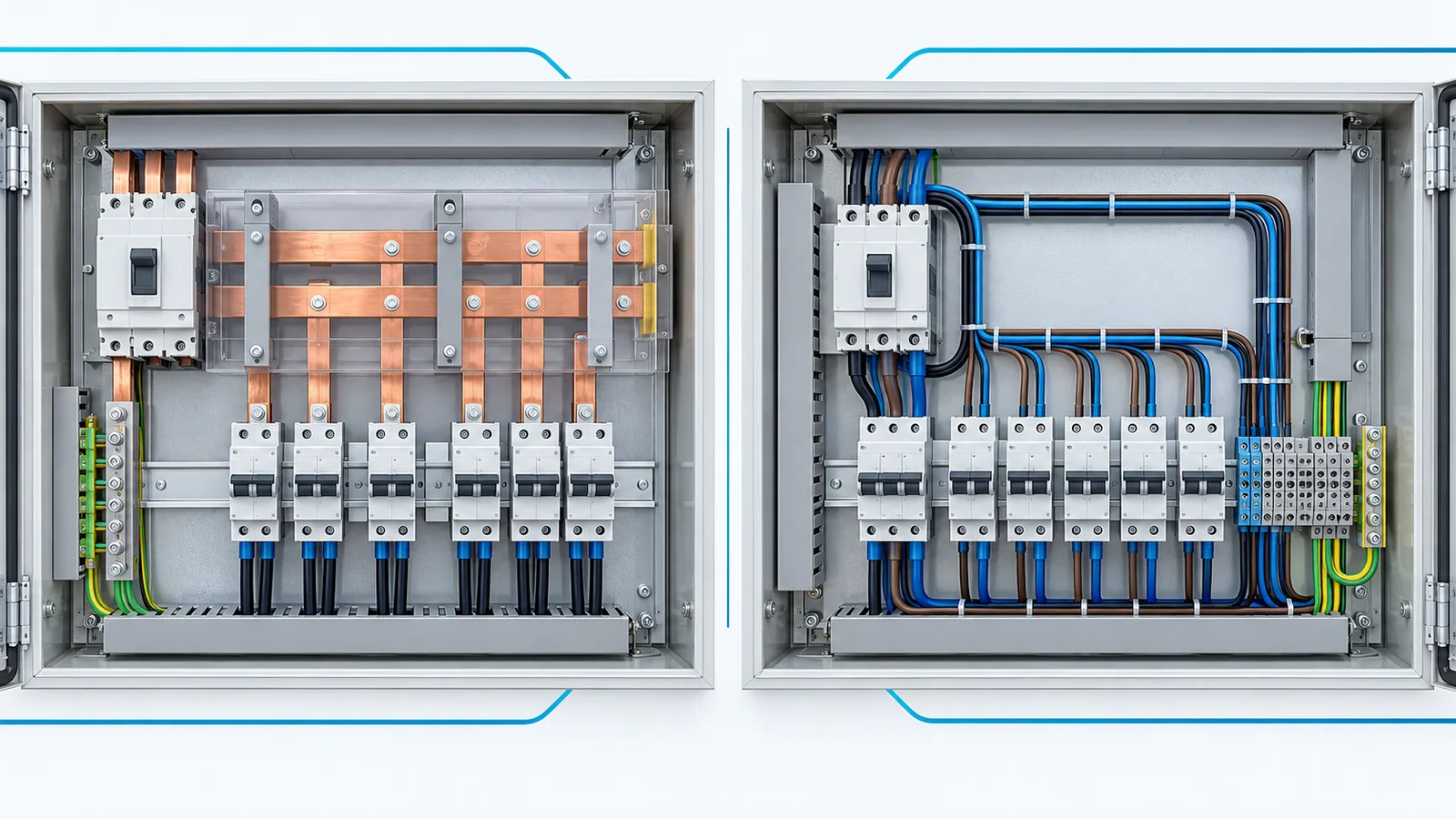
Busbar vs. Terminal-Block-and-Cable Wiring in Control Panels
An engineered busbar system is often attractive when a low-voltage panel distributes substantial current to repeated devices in a compact, stable layout. Discrete cable and terminal blocks usually…
-
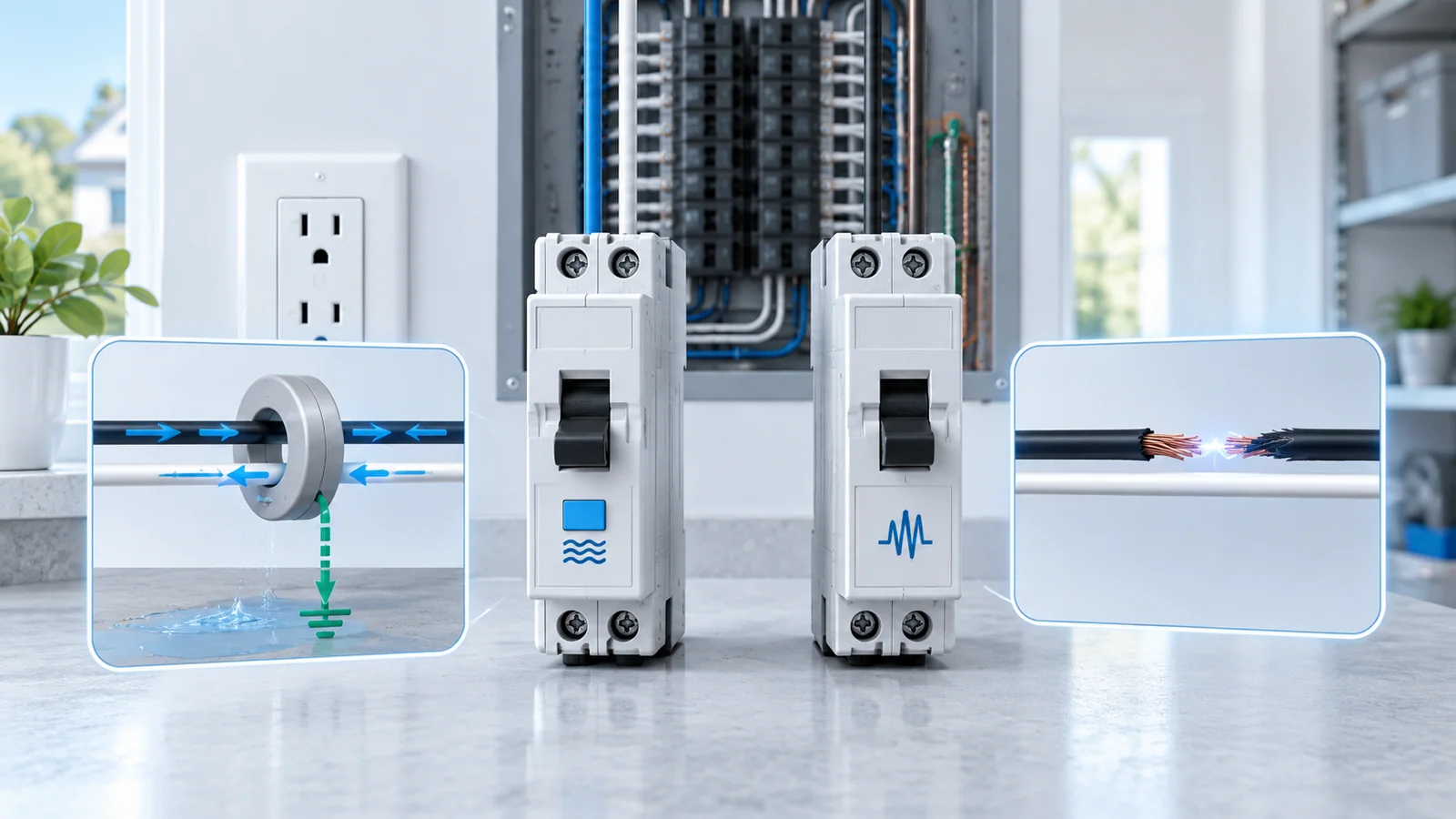
GFCI vs. AFCI: What Each Device Protects Against
A ground-fault circuit interrupter (GFCI) and an arc-fault circuit interrupter (AFCI) respond to different hazards. A GFCI compares current leaving and returning on the intended circuit conductors and…
-
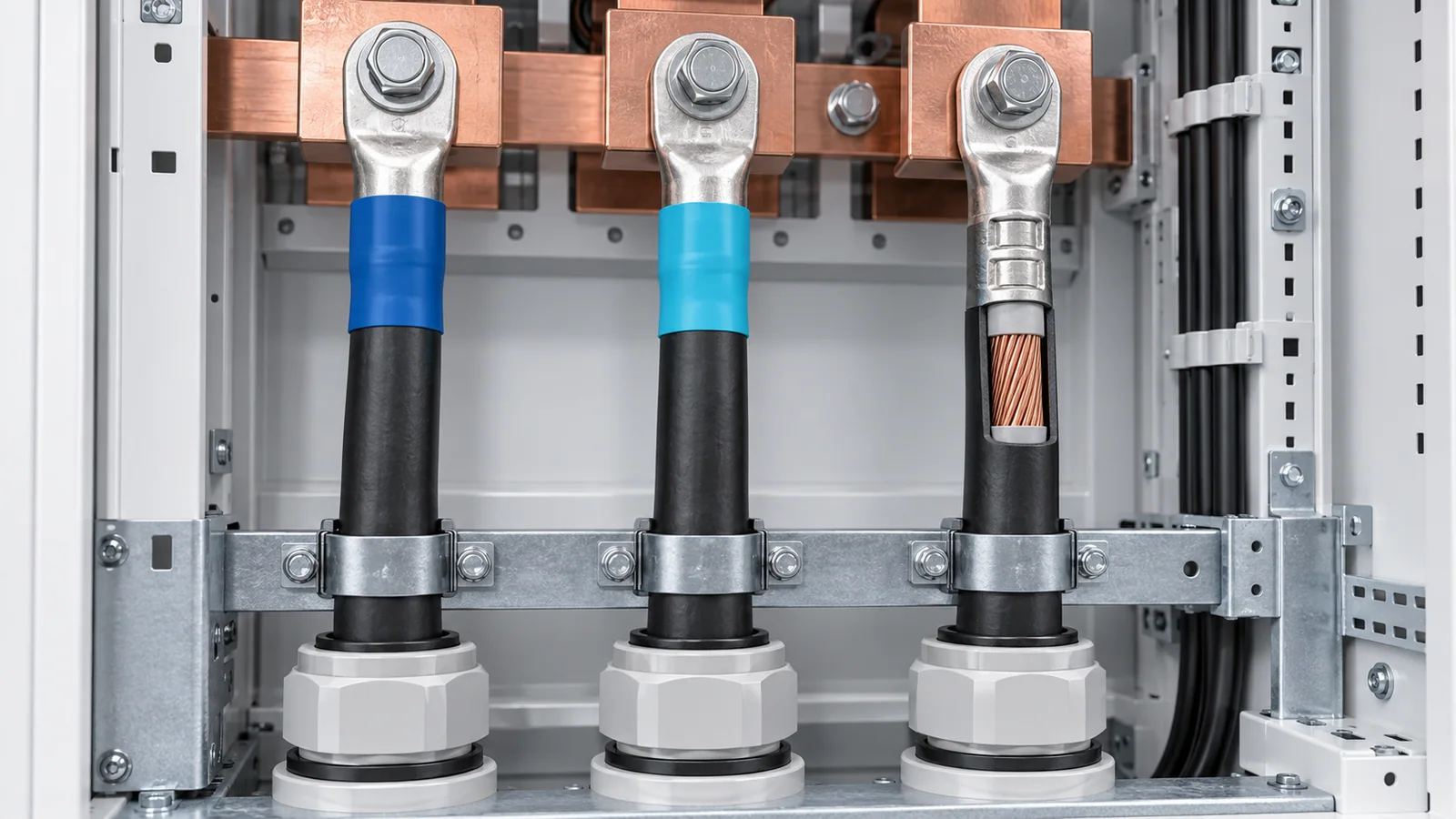
LV Cable Terminations: Components, Methods and Failure Prevention
A reliable low-voltage cable termination is a controlled electrical and mechanical interface. The connector must match the conductor material, size, strand class, temperature rating, and equipment terminal; preparation…
-
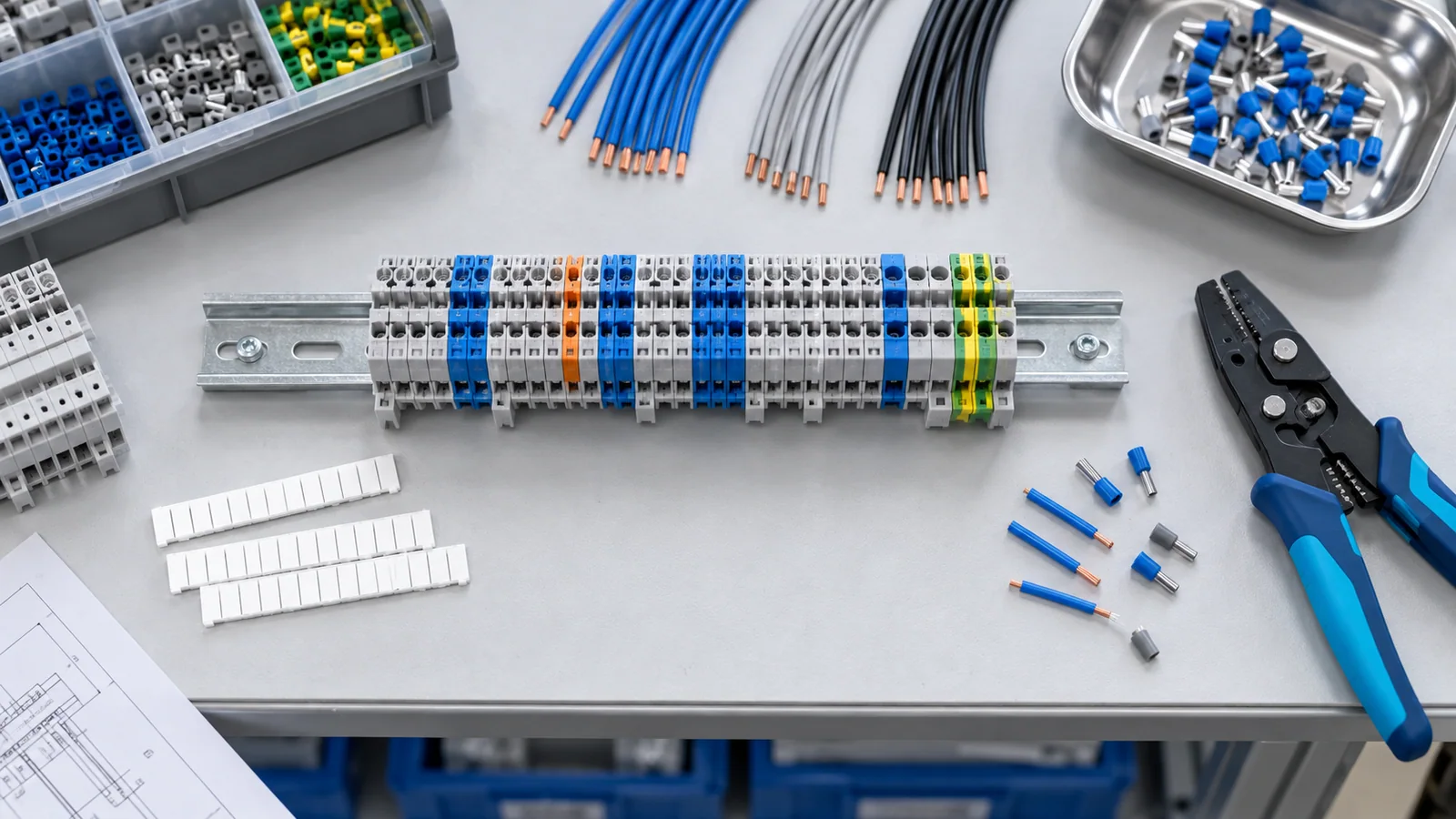
How to Lower Terminal Block Assembly Cost Without Weakening Safety
The lowest-cost terminal-block build is not necessarily the one with the cheapest block. For a repeatable low-voltage panel, reduce total installed cost by controlling wire preparation, terminal selection,…
-
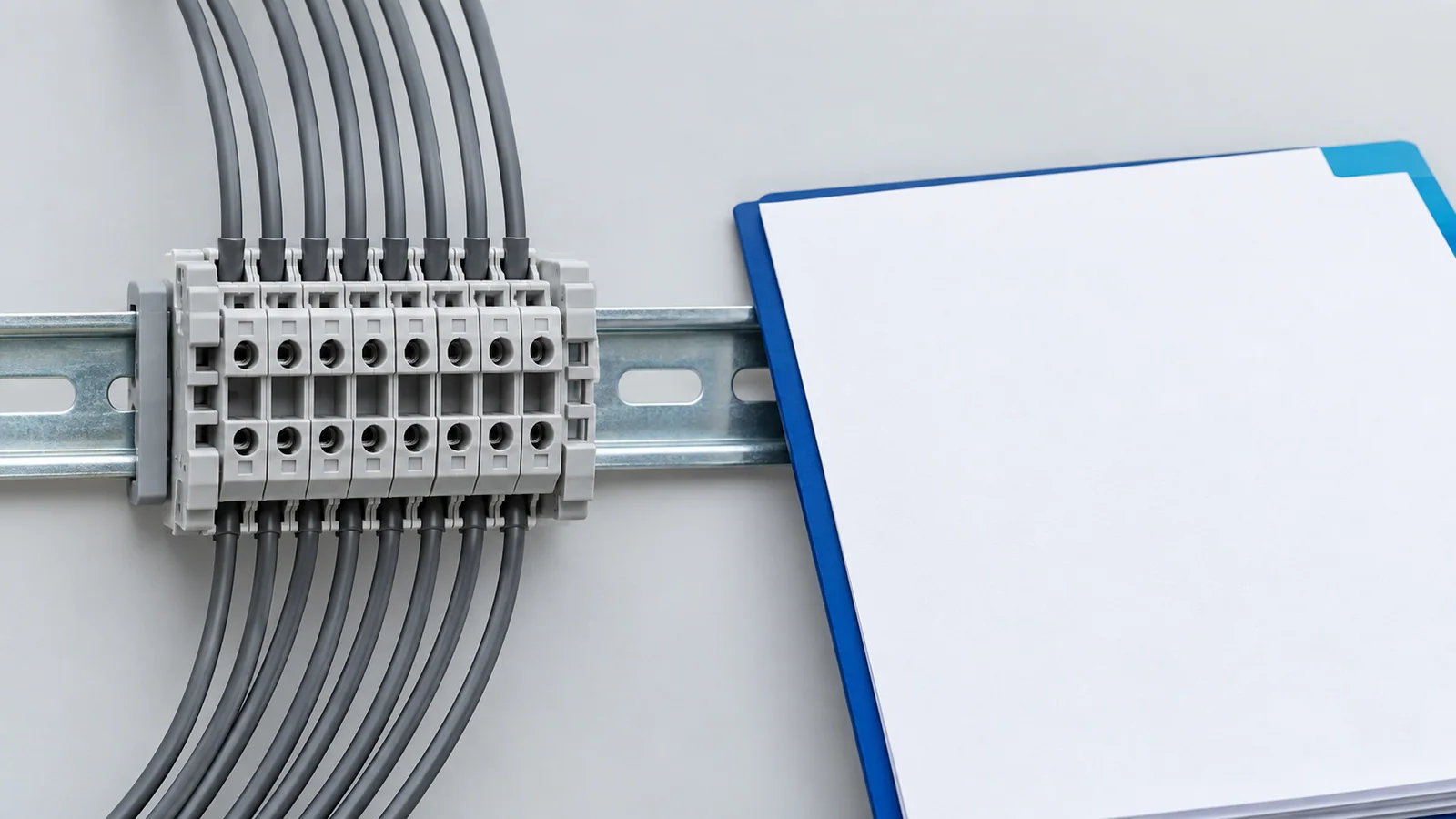
How to Read Terminal Block Markings in UL and IEC Panels
A marking on a terminal block is a starting point for verification, not permission to connect any wire that fits. Read the component identification, voltage and current ratings,…
-
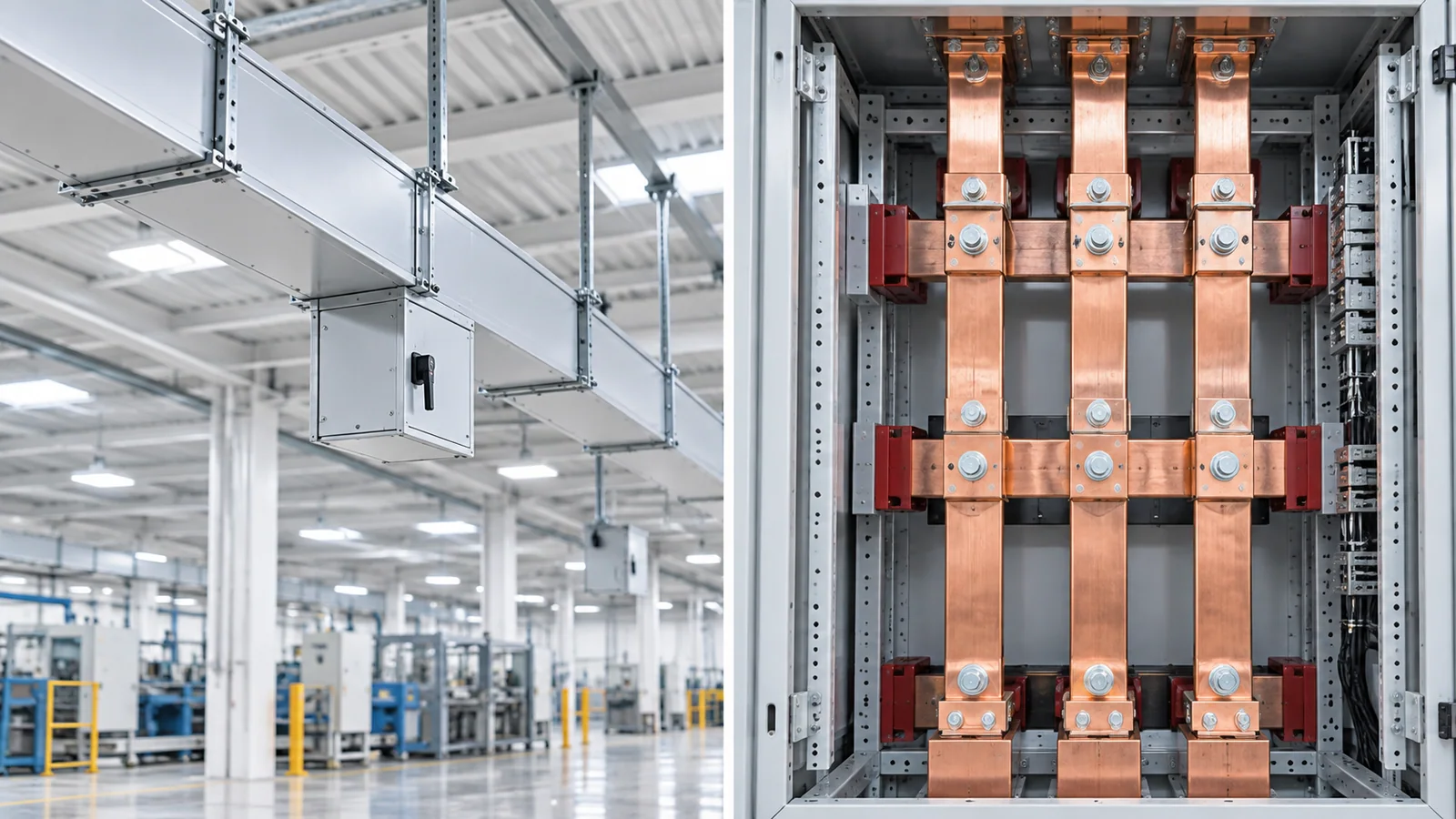
Busway vs. Busbar: Choosing Between a Distribution System and a Conductor
Busway—or busbar trunking—is a complete enclosed distribution assembly with conductors, enclosure, joints, supports and often tap-off provisions. A busbar is the conductor itself or a conductor system integrated…
-
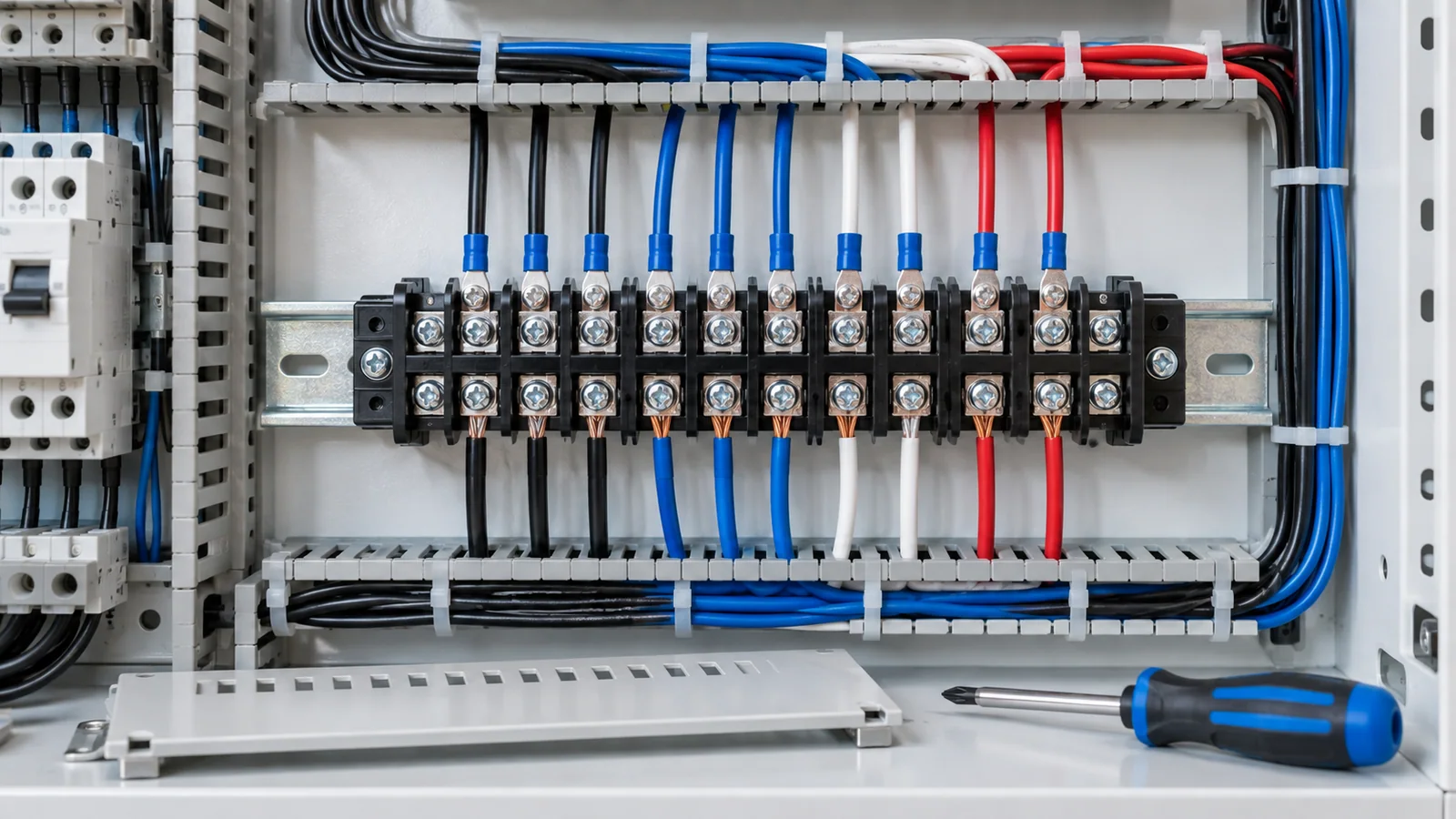
Barrier Terminal Blocks: Selection, Wiring, and Installation Checks
Install a barrier terminal block only after confirming the circuit ratings, accepted conductor and lug types, required spacing, enclosure conditions, hardware stack, strip length and tightening torque from…
-
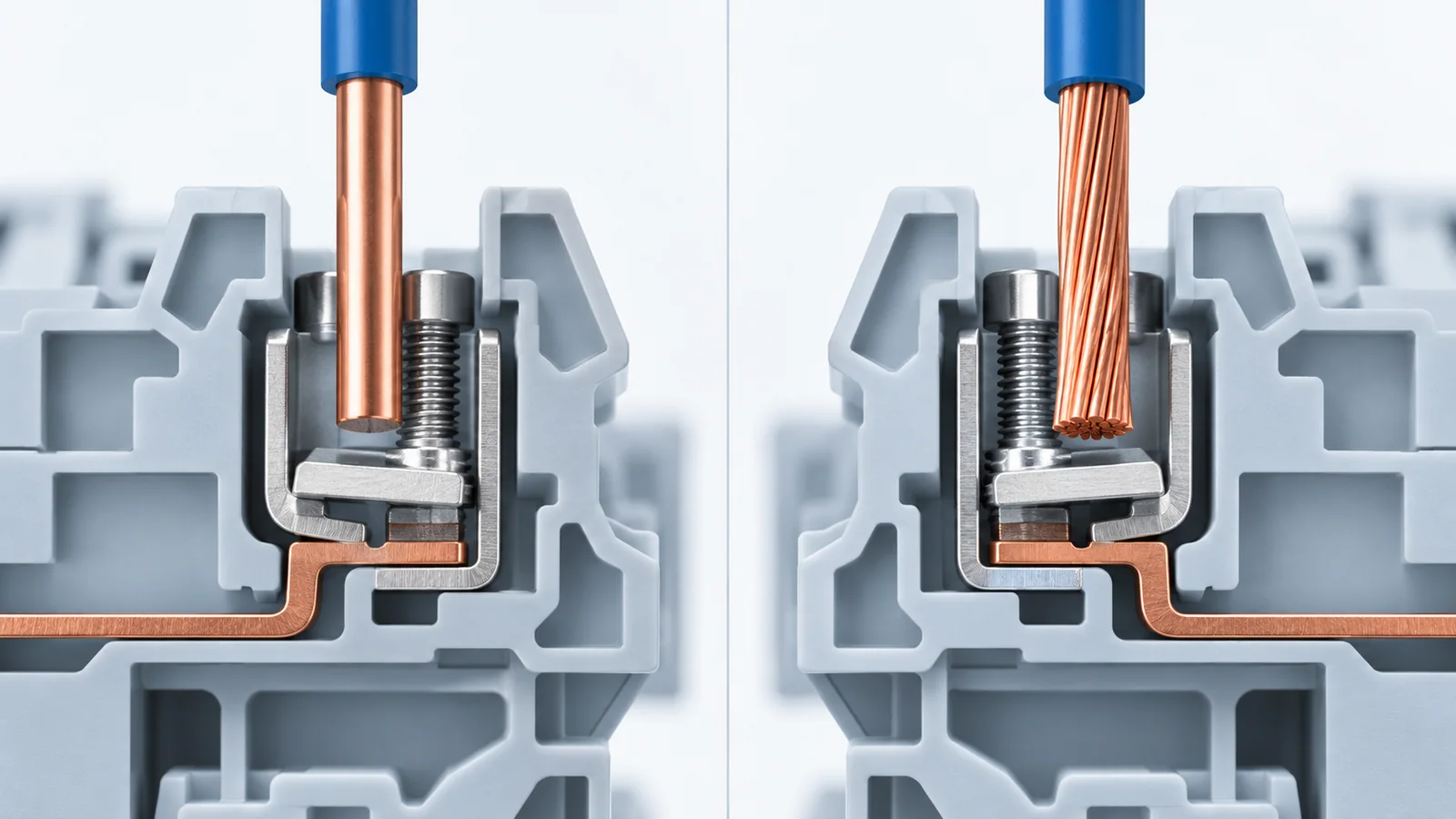
Solid vs. Stranded Wire in Terminal Blocks: Selection and Termination
Use solid wire in a terminal block when the terminal explicitly accepts the conductor size and the installed wire will remain essentially static. Choose stranded or flexible wire…
-
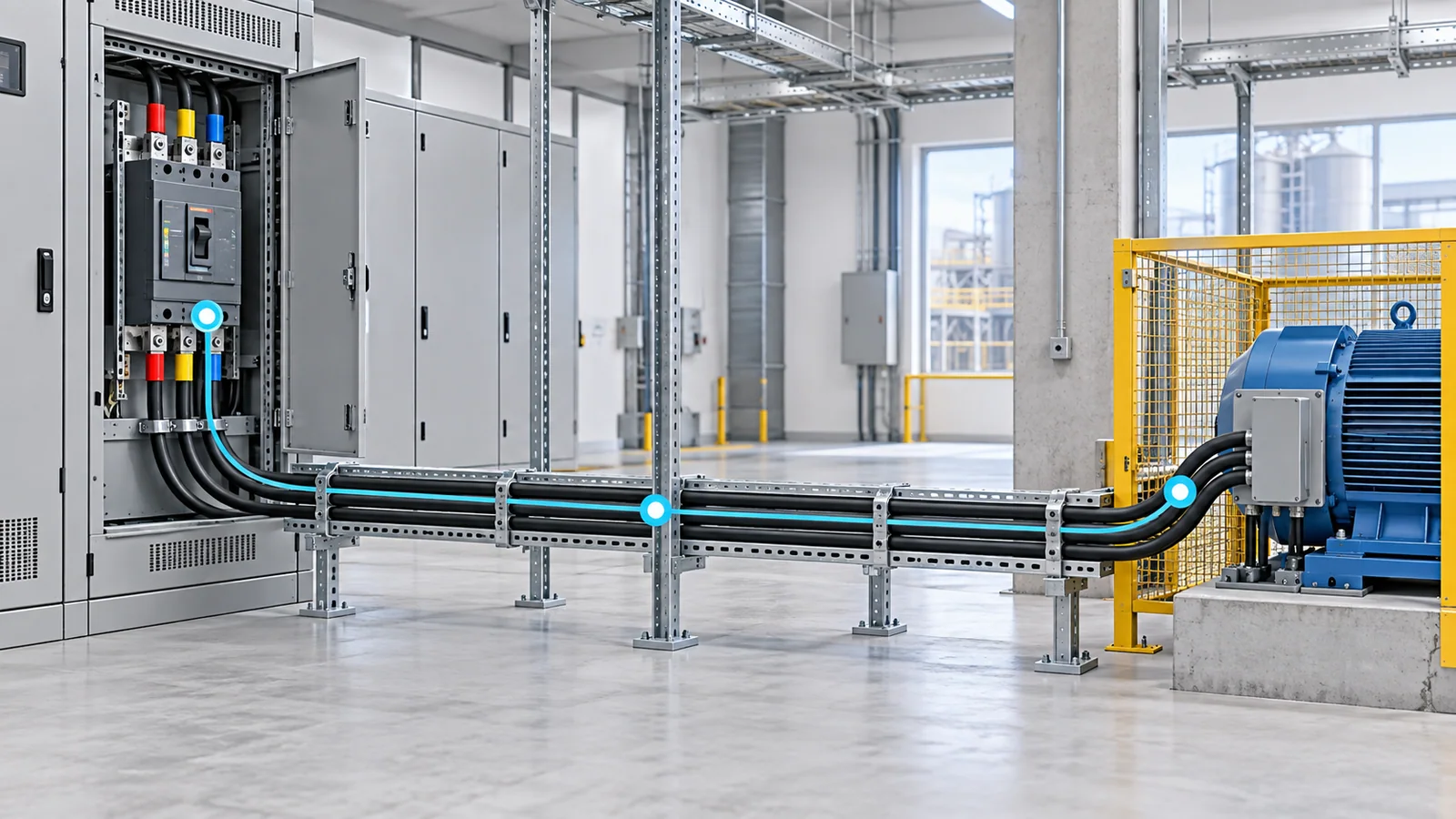
Cable Sizing for Circuit-Breaker-Protected Feeders: Six Verification Gates
For an LV feeder protected by a circuit breaker, choose a cable whose corrected current-carrying capacity covers the load and the breaker’s effective overload setting. Then verify voltage…