
Featured Guide
Latest by date
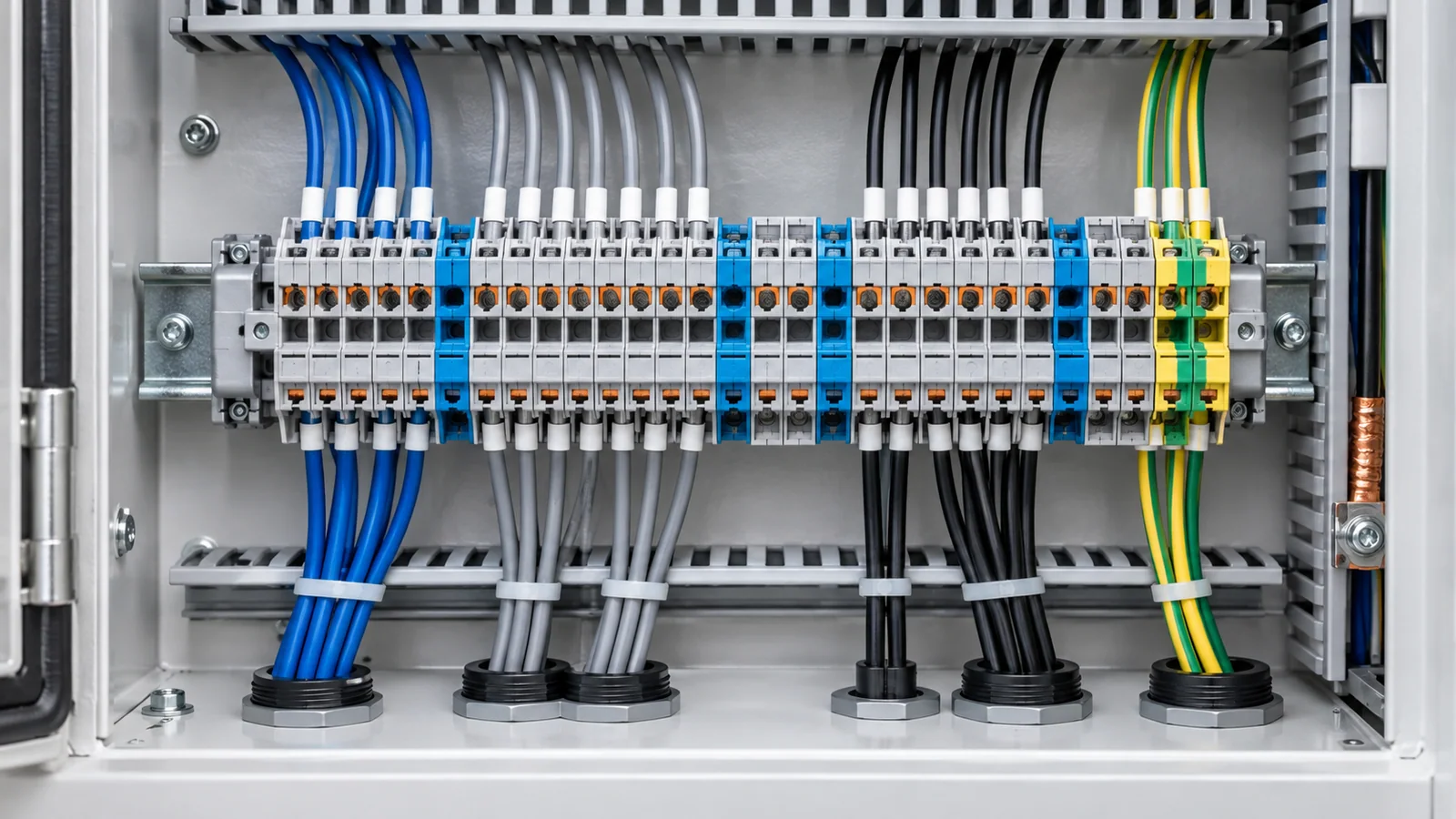
Low Voltage
Category articles
Guides to low-voltage distribution, protective devices, cables, terminals and busbars. Follow the path from equipment ratings to conductor selection, connection quality and verification.MCCB basics · Feeder cable sizing
-
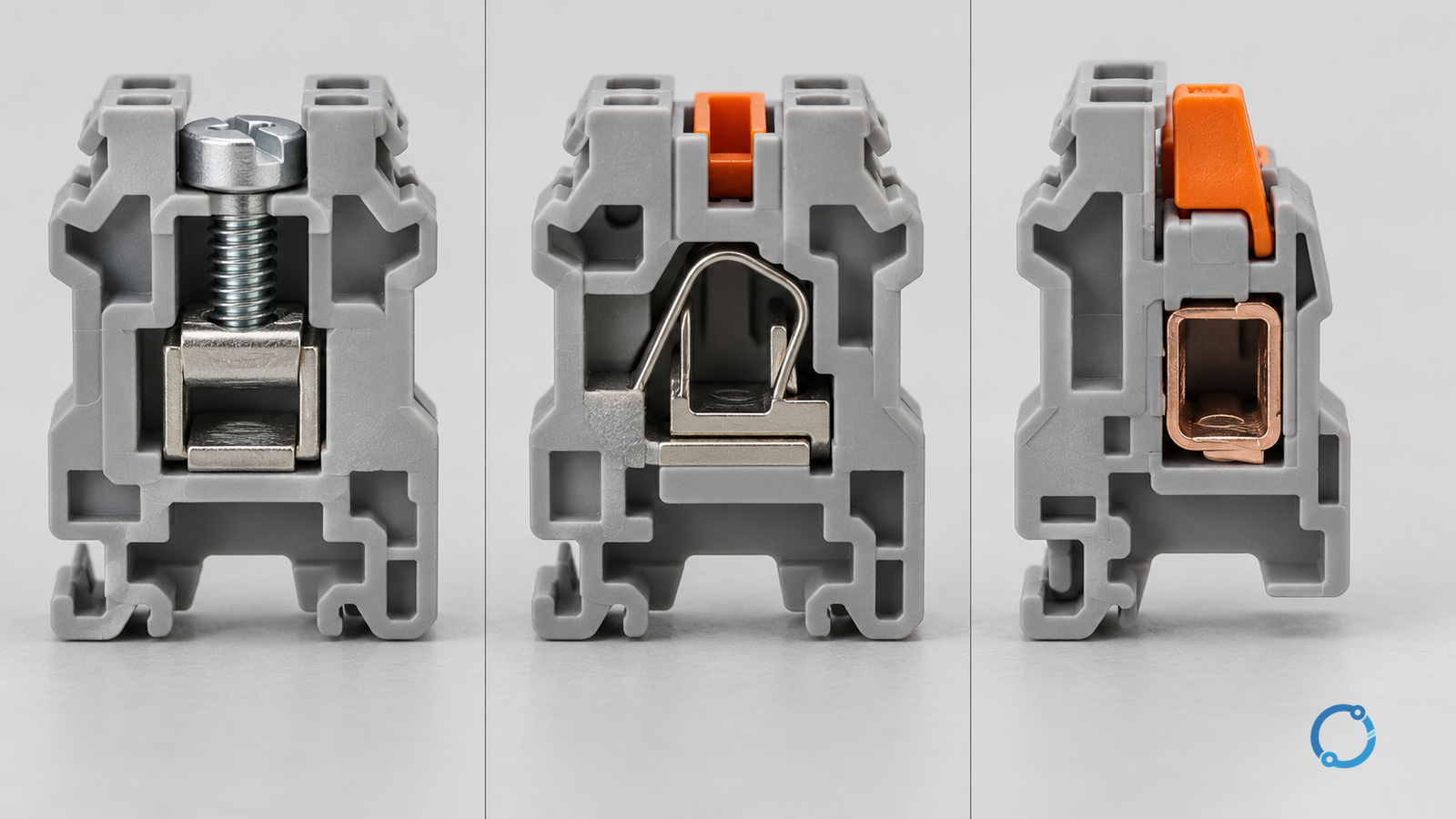
Terminal Block Materials: Durability, Contact Resistance and Losses
A terminal block is a connection system, not a single material. Its conducting parts carry current, its clamping mechanism maintains contact, its surface finish affects the interface, and…
-
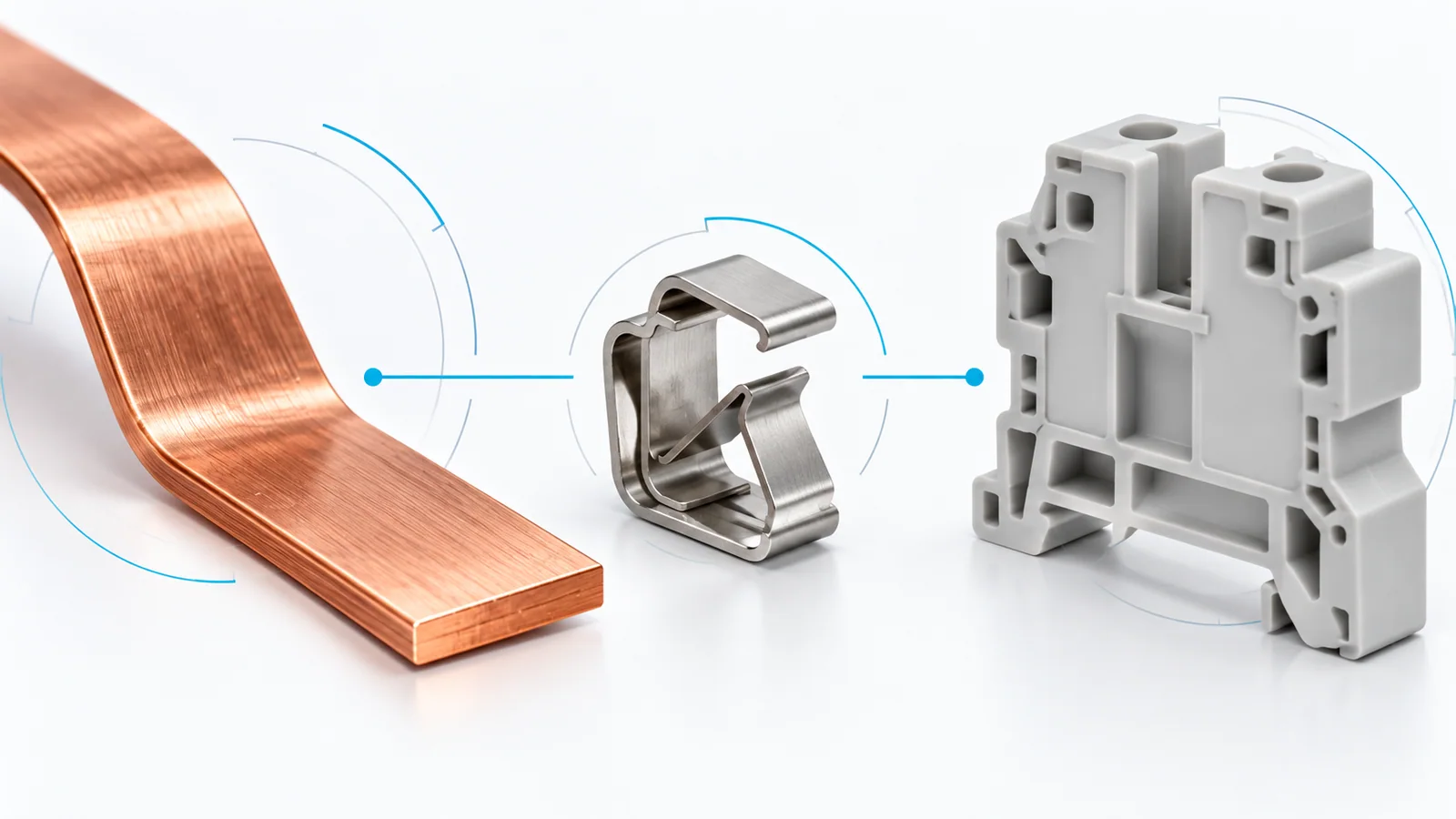
How Pollution Degree Affects Terminal Block Selection
Select a terminal block for the pollution degree of the insulation’s local microenvironment, not simply for the building’s general description. That choice affects the required creepage-distance assessment. It…
-
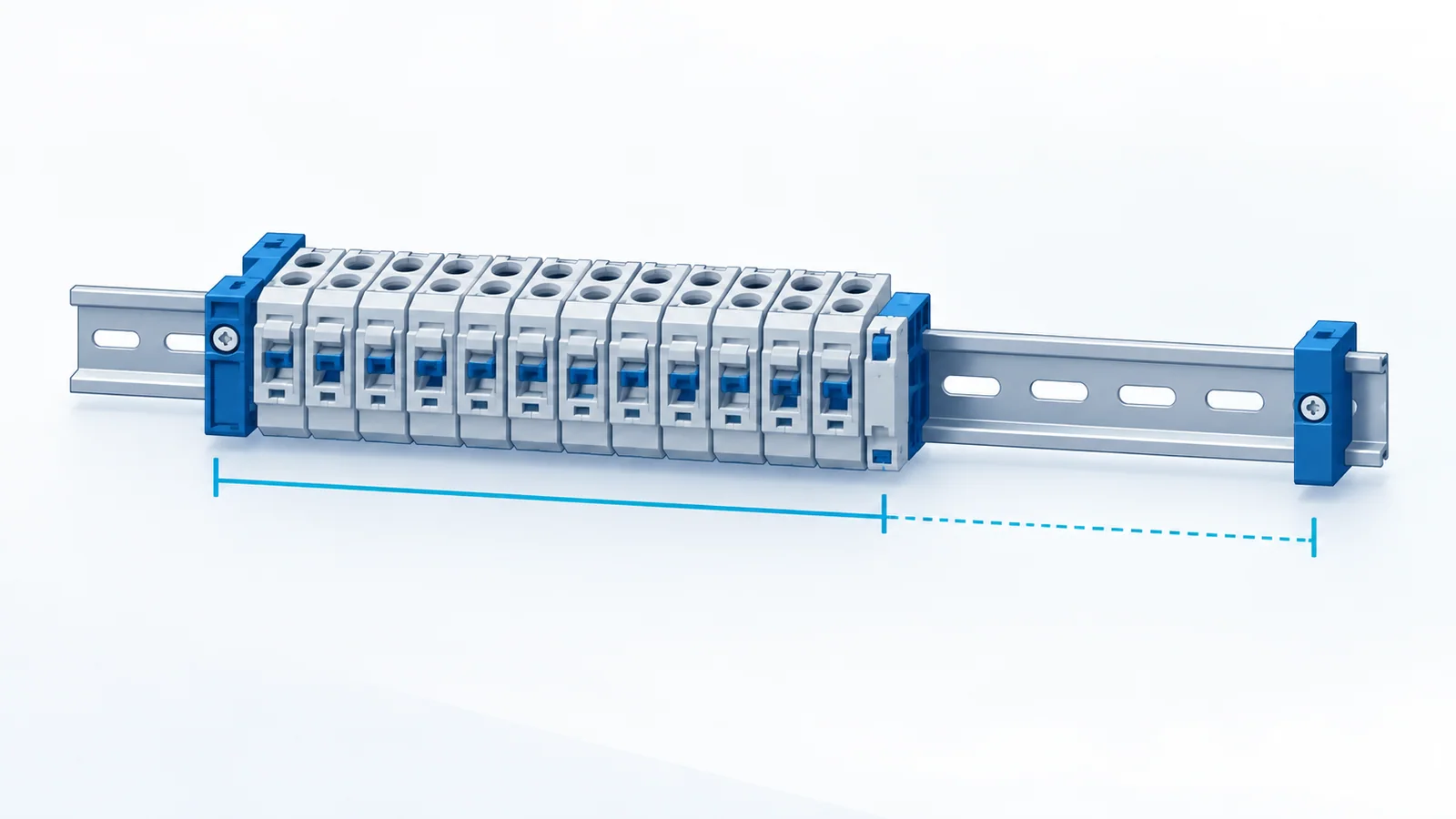
How to Calculate DIN-Rail Space for Terminal Blocks
Add the actual widths of every component that occupies the rail, then add a stated layout reserve and compare the result with usable rail length. Terminal count ×…
-
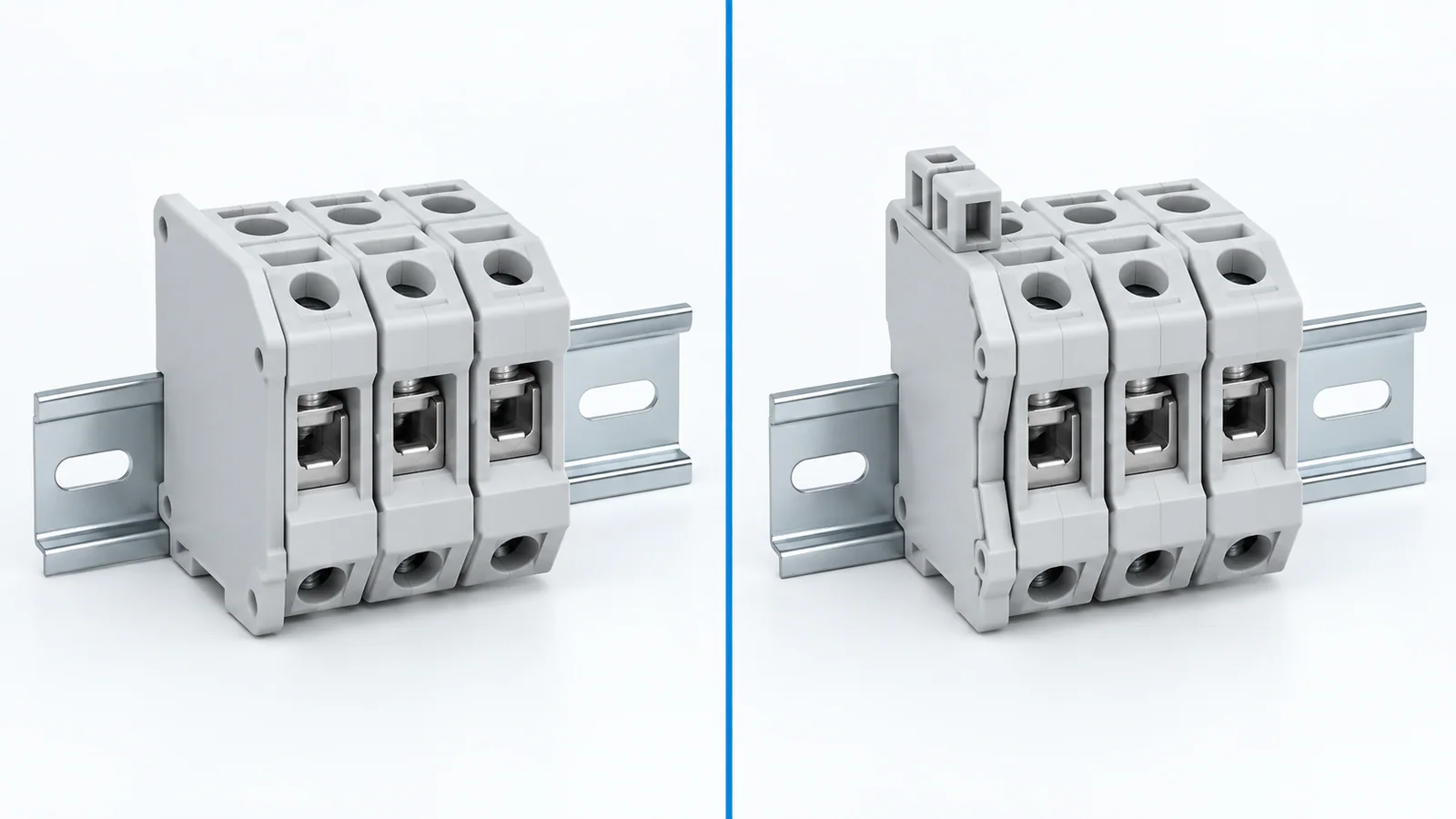
Terminal Block Replacement Checklist: Ratings, Fit and Accessories
A terminal block is not interchangeable just because it clips onto the same rail or accepts the same-looking wire. Before approving a replacement, compare the circuit function, rated…
-
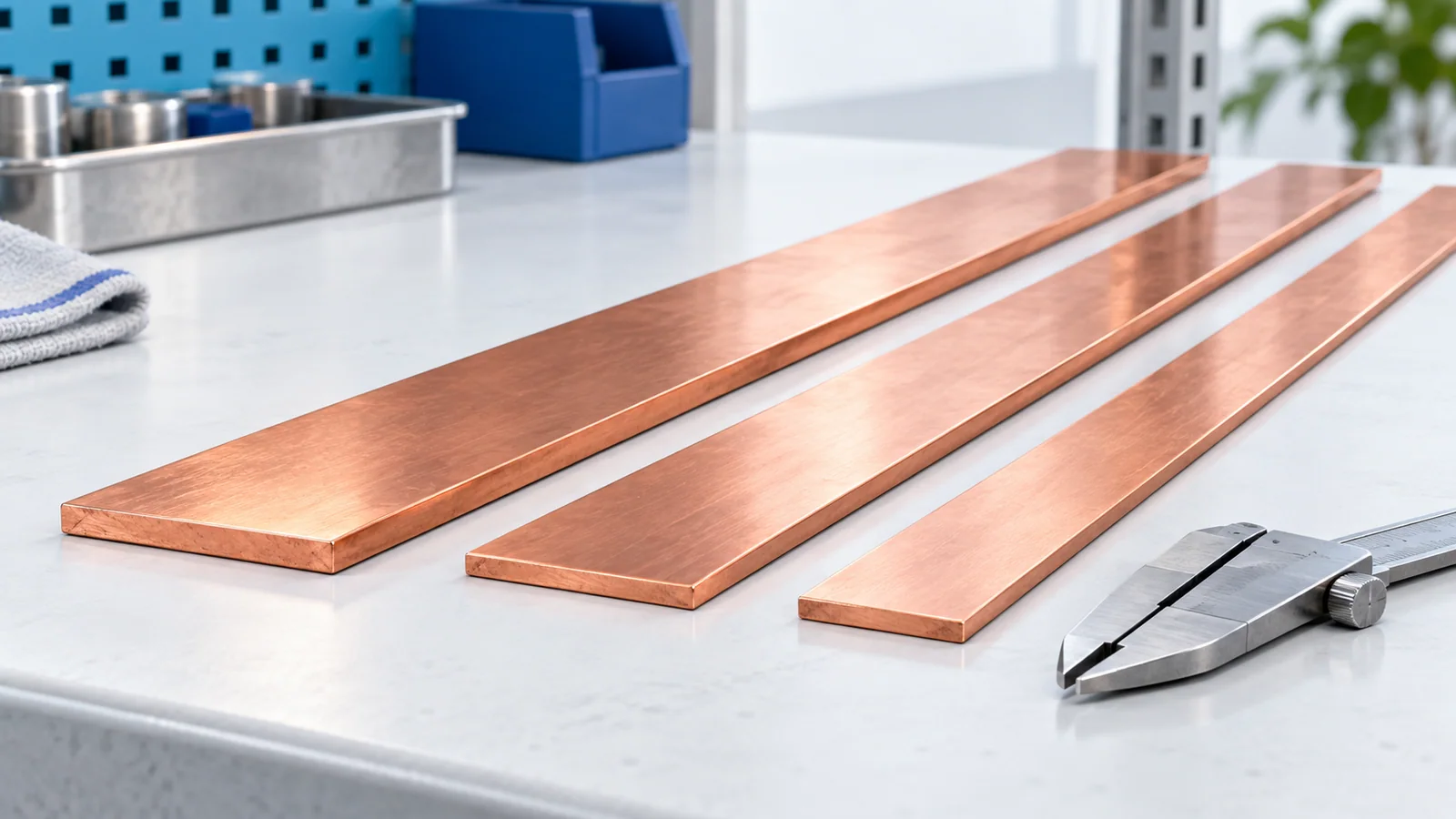
Copper Busbar Cost per Kilogram: Mass and Material-Cost Calculation
For a straight rectangular copper bar, calculate net mass from width × thickness × length × density, then multiply the billable kilograms by the quoted currency per kilogram.…
-
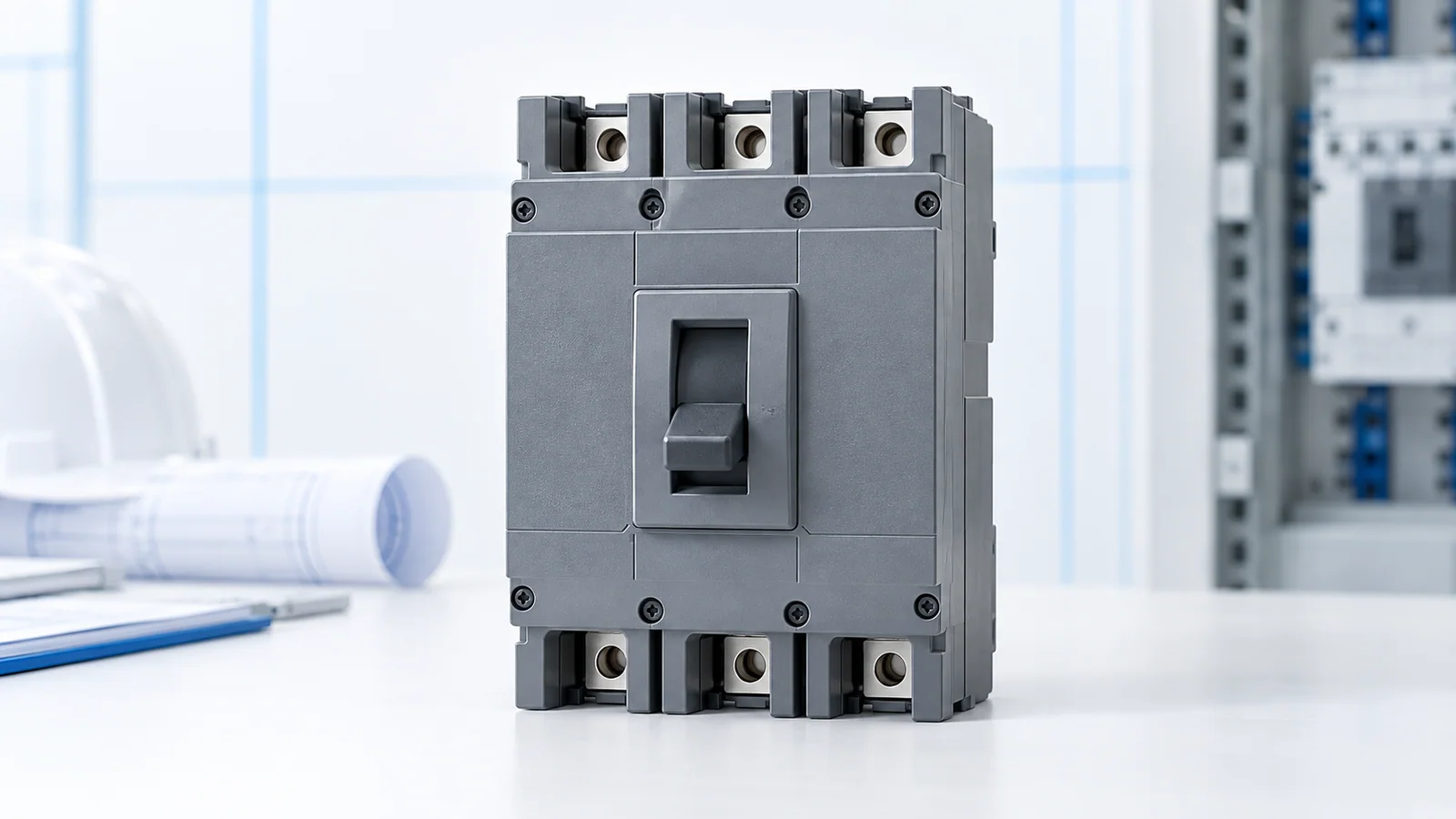
Circuit Breaker Size Calculation: Why a Load-Only Chart Is Not Enough
Calculate design current first, but do not choose a breaker from that number alone. For an IEC-oriented low-voltage circuit, the selected device or effective long-time setting must carry…
-
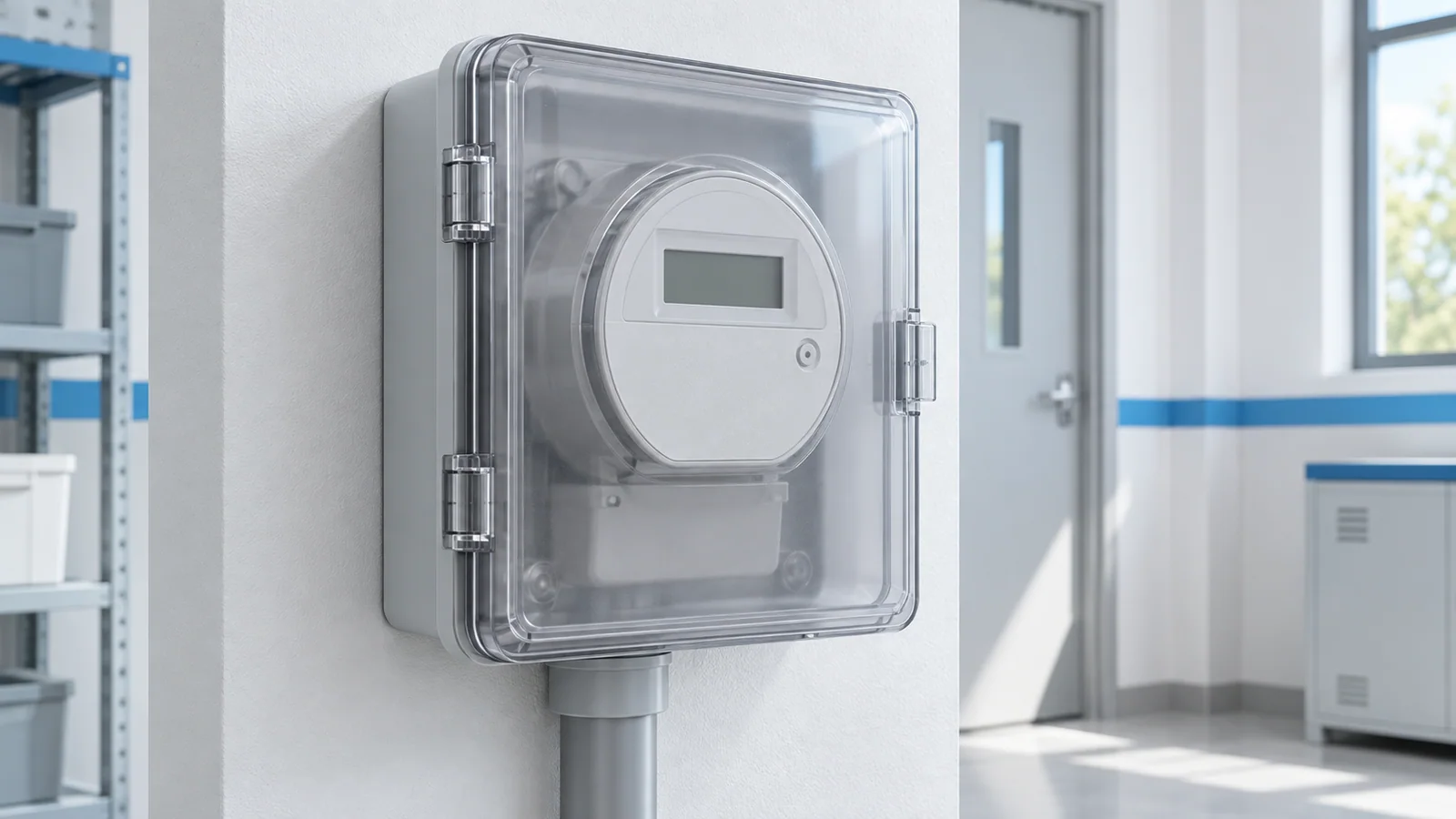
Single-Phase Energy Meter Wiring: A Safe Installation Workflow
There is no universal terminal-number diagram for a single-phase kilowatt-hour (kWh) meter. Before installation, identify whether the meter is directly connected or transformer operated, obtain the exact device…
-
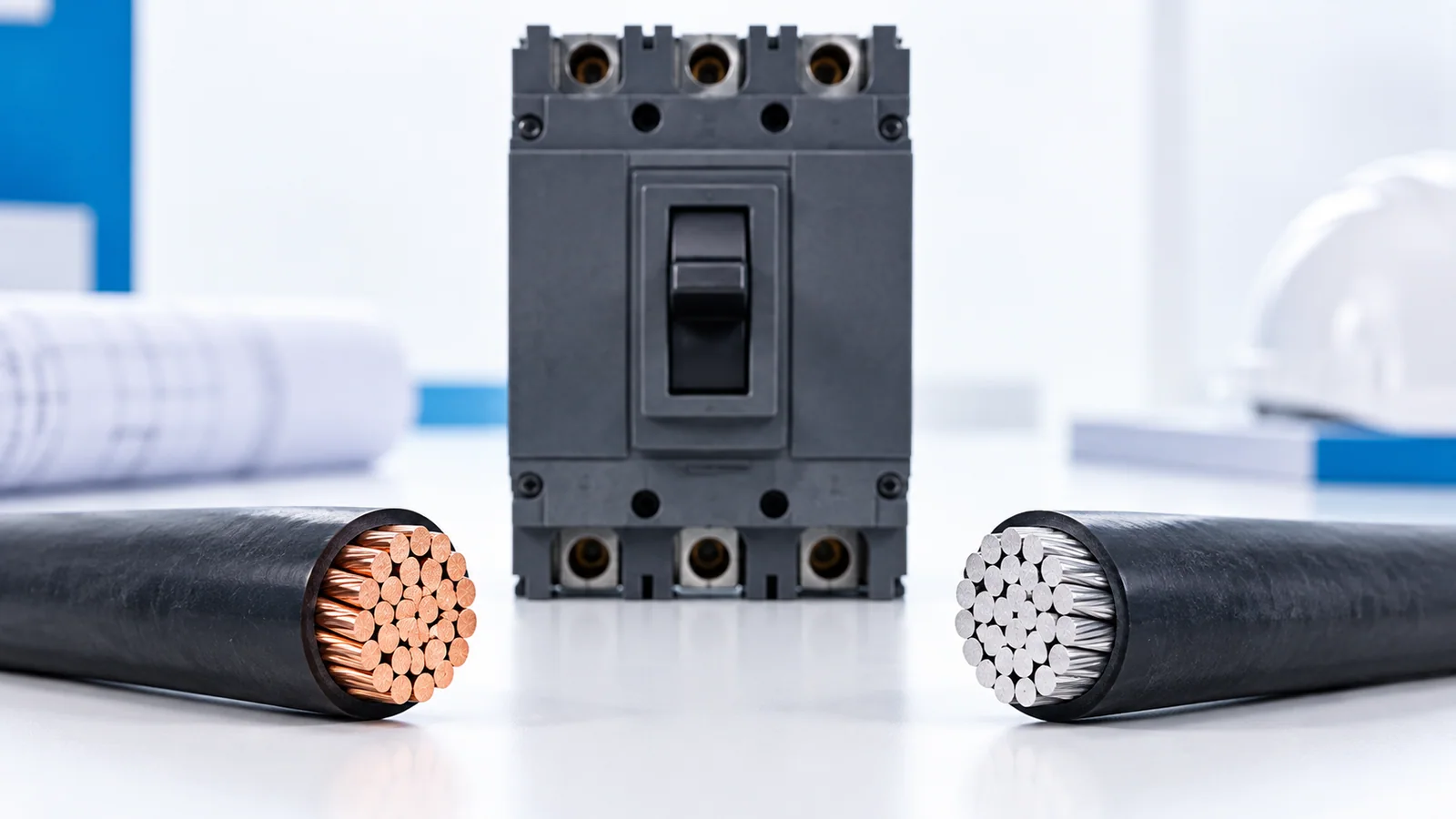
What Wire Size for a 100-Amp Breaker? Copper, Aluminum and Conditions
For a U.S. 100-A branch or feeder circuit, a common starting point is 3 AWG copper or 1 AWG aluminum when the equipment terminations permit the 75°C ampacity…
-
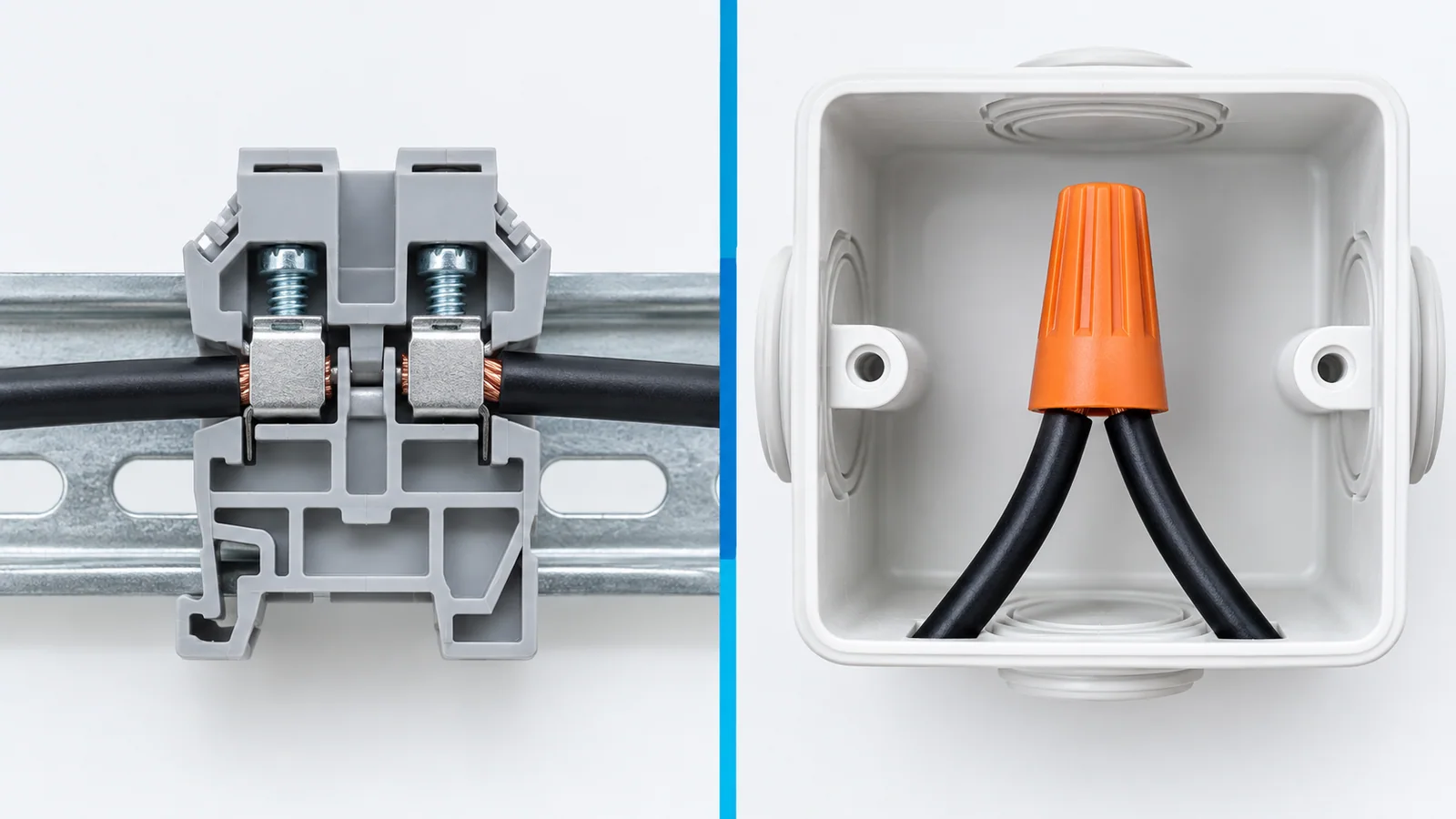
Terminal Blocks vs. Wire Nuts: Choose by Connection and Certification
Use terminal blocks when conductors need organized, repeatable equipment terminations, circuit identification, test access or controlled disconnection. Use a listed twist-on or other splicing wire connector when compatible…
-
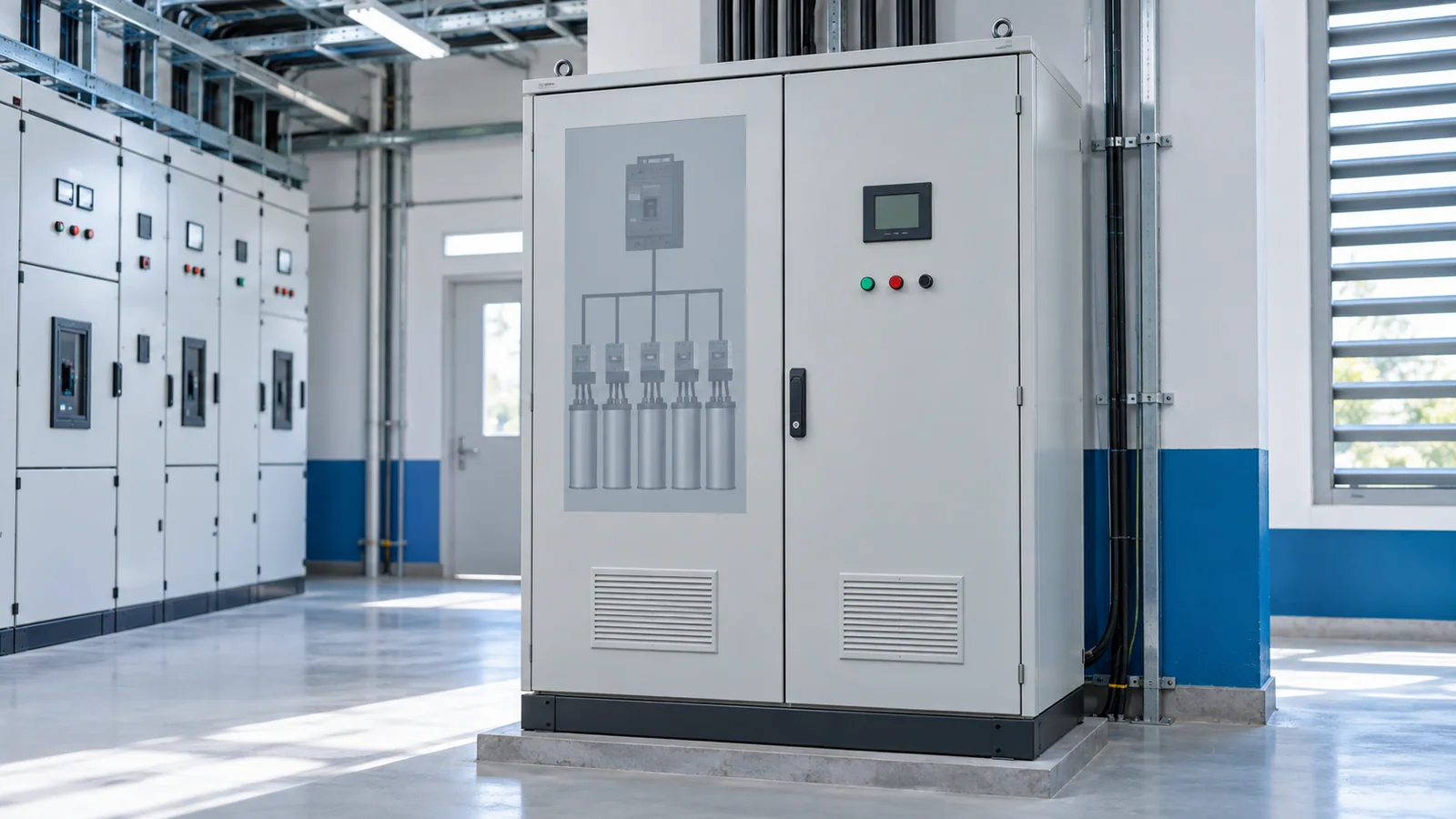
MCCB Selection for Automatic Power-Factor-Correction Panels
Select the incoming molded-case circuit breaker (MCCB) for an automatic power-factor-correction (APFC) panel from the bank’s maximum operating current, installation fault level, protection/coordination requirements and verified assembly design.…