

Latest from MAX
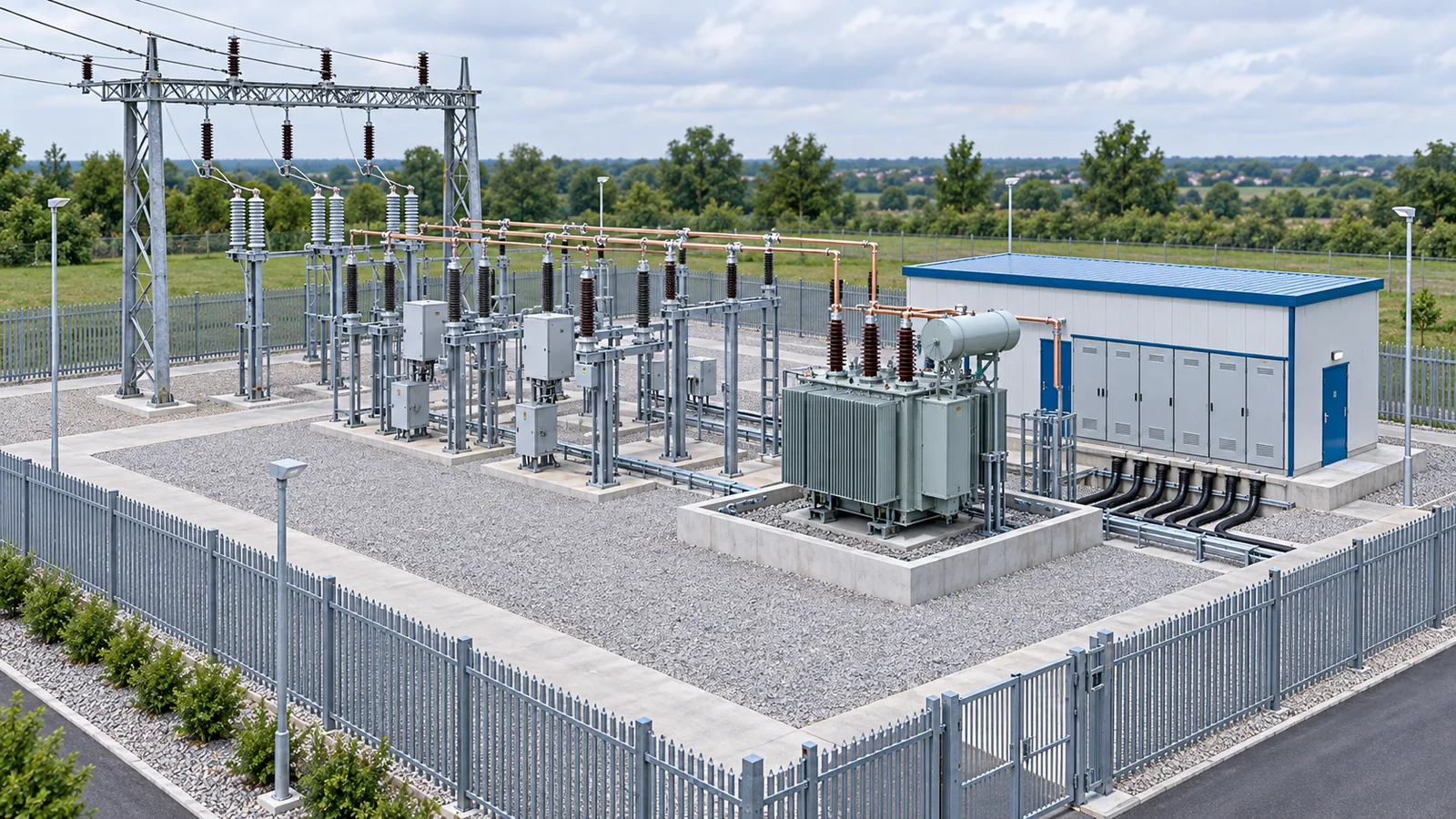
Distribution Substation Basics: Equipment, Layout and Operation
A distribution substation receives electrical power at one voltage, switches and protects it, usually transforms it to a lower distribution voltage, and sends it through multiple outgoing feeders.…
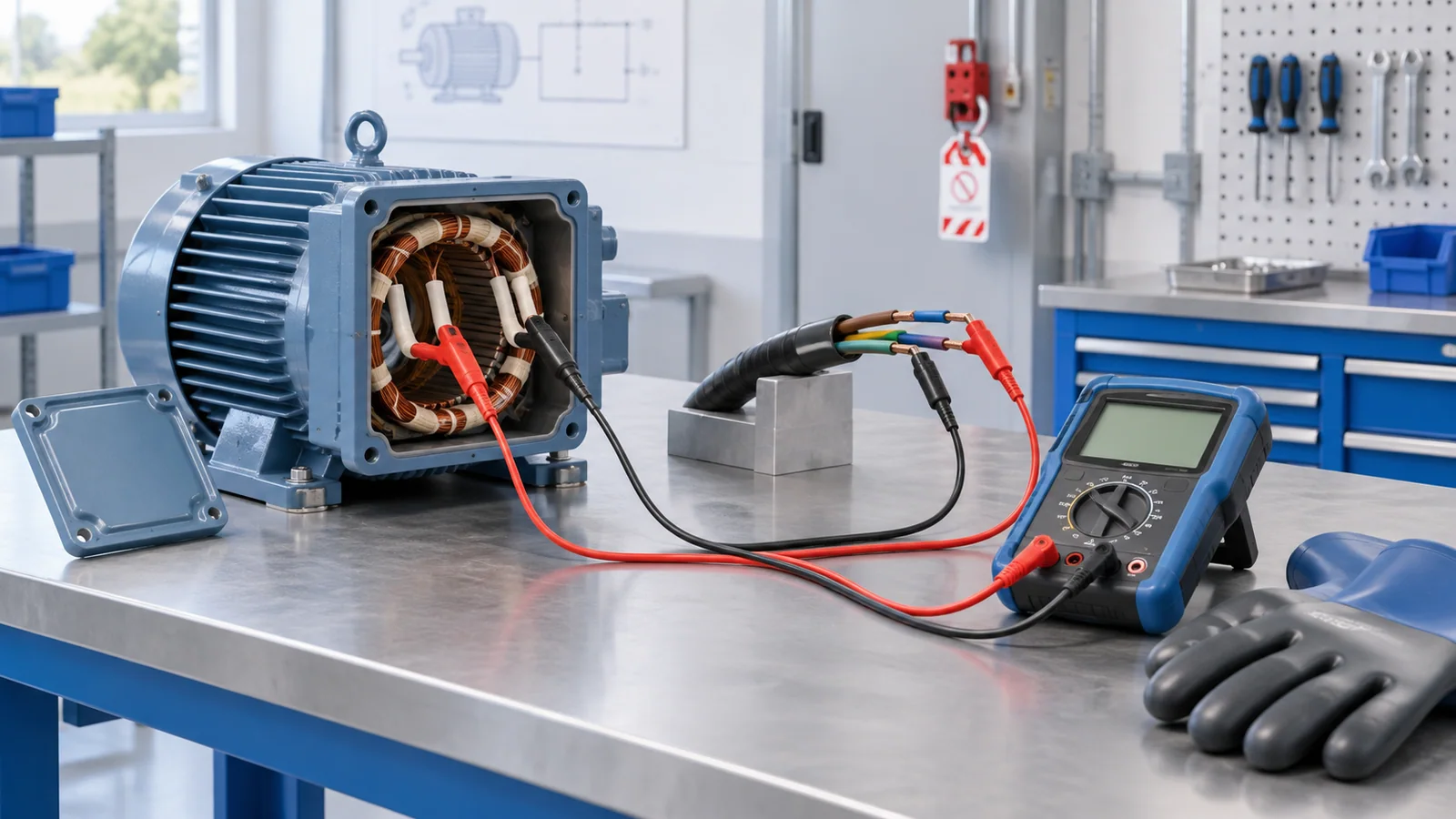
Insulation Resistance Testing: Principles, Procedure and Interpretation
Insulation resistance testing applies a controlled DC test voltage to de-energized insulation and measures the small current that flows. The instrument reports resistance, usually in megohms or gigohms.…
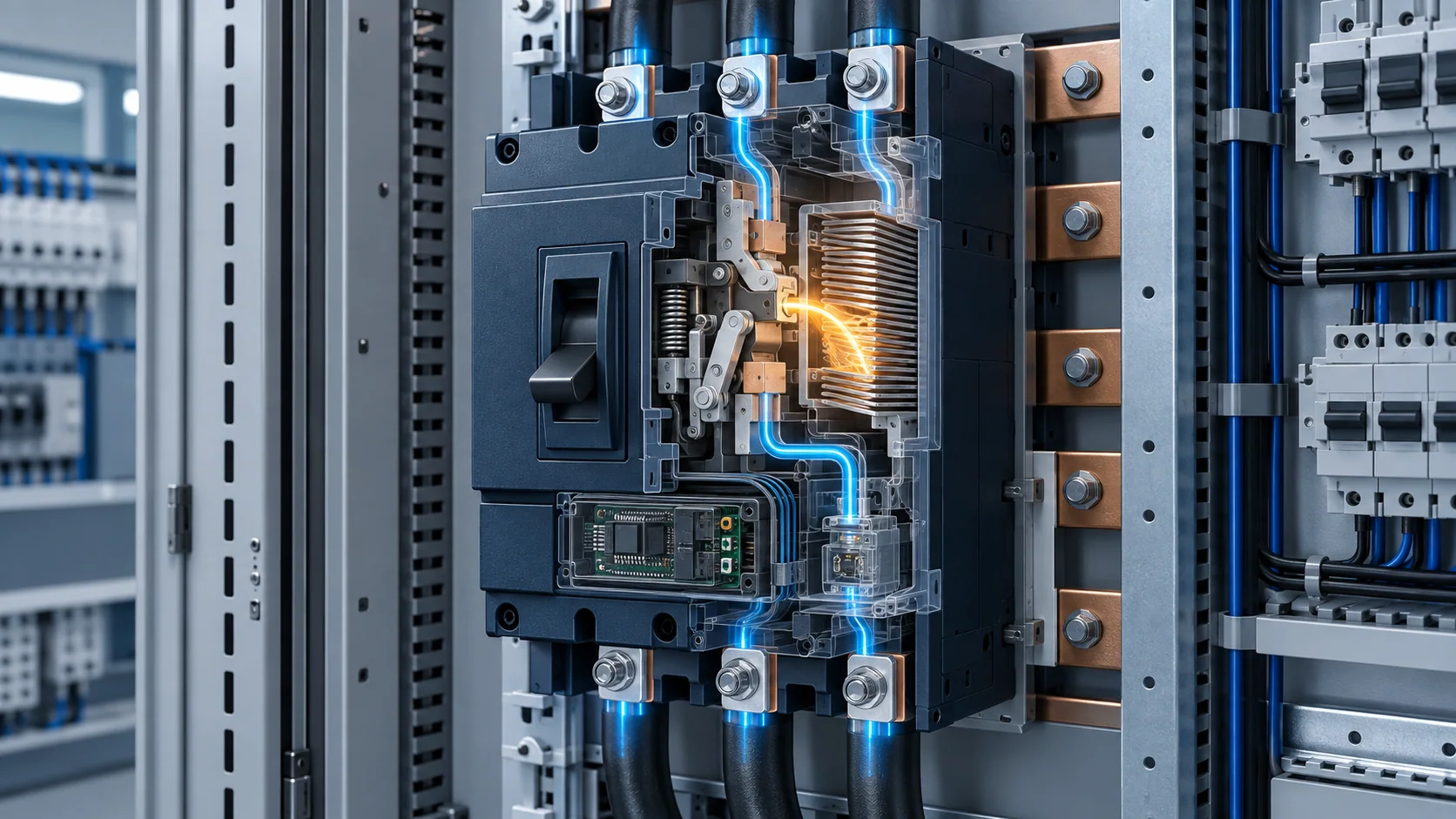
The Basics of Molded Case Circuit Breakers (MCCBs)
A molded case circuit breaker (MCCB) is a low-voltage protective device that can open a circuit during overload or short-circuit conditions and can provide manual isolation or switching…
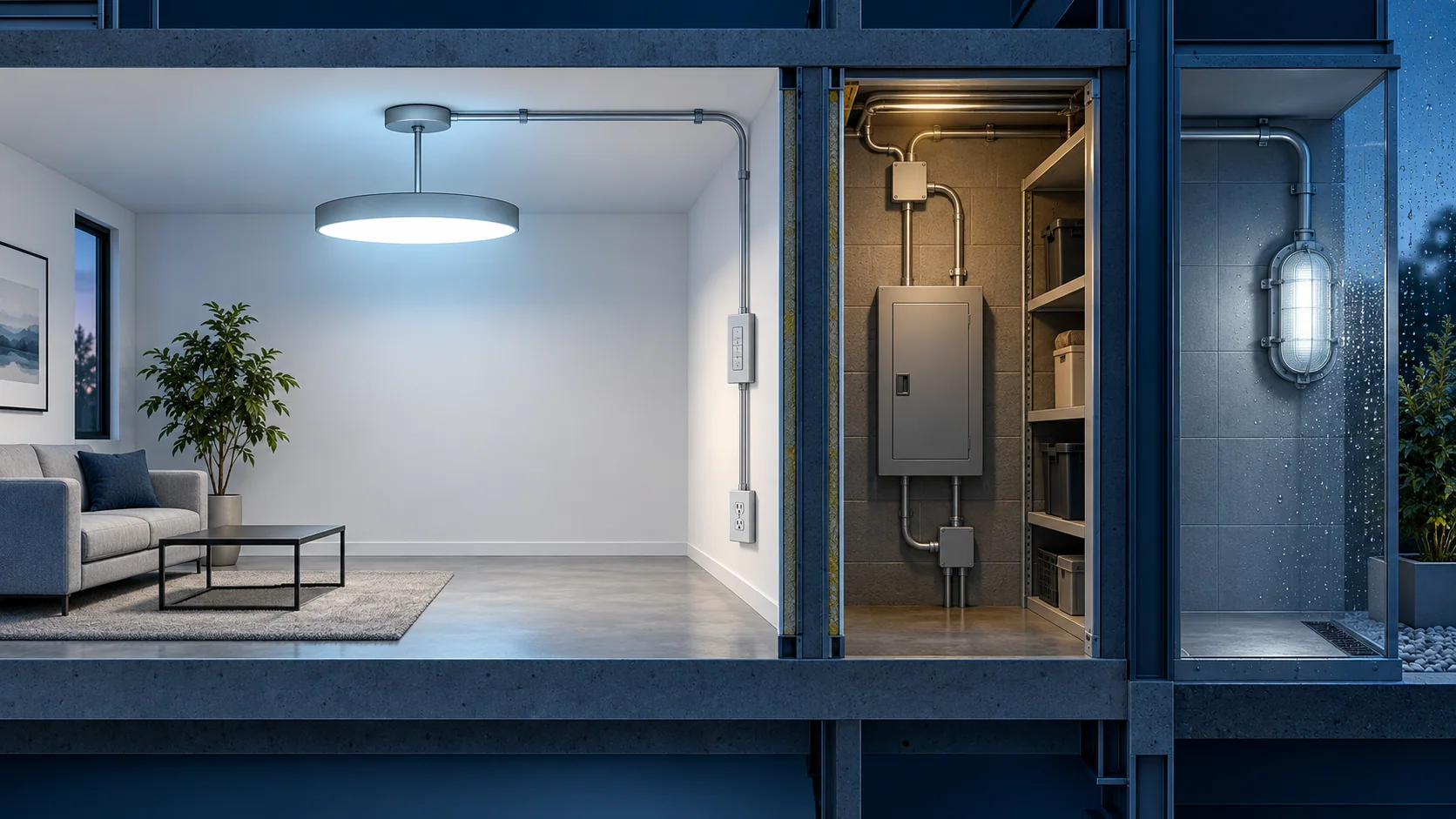
Code Q&A: Lighting Outlet Requirements
There is no single worldwide answer to “How many lighting outlets are required?” The answer depends on the adopted electrical code, local amendments, occupancy, room use, location conditions,…
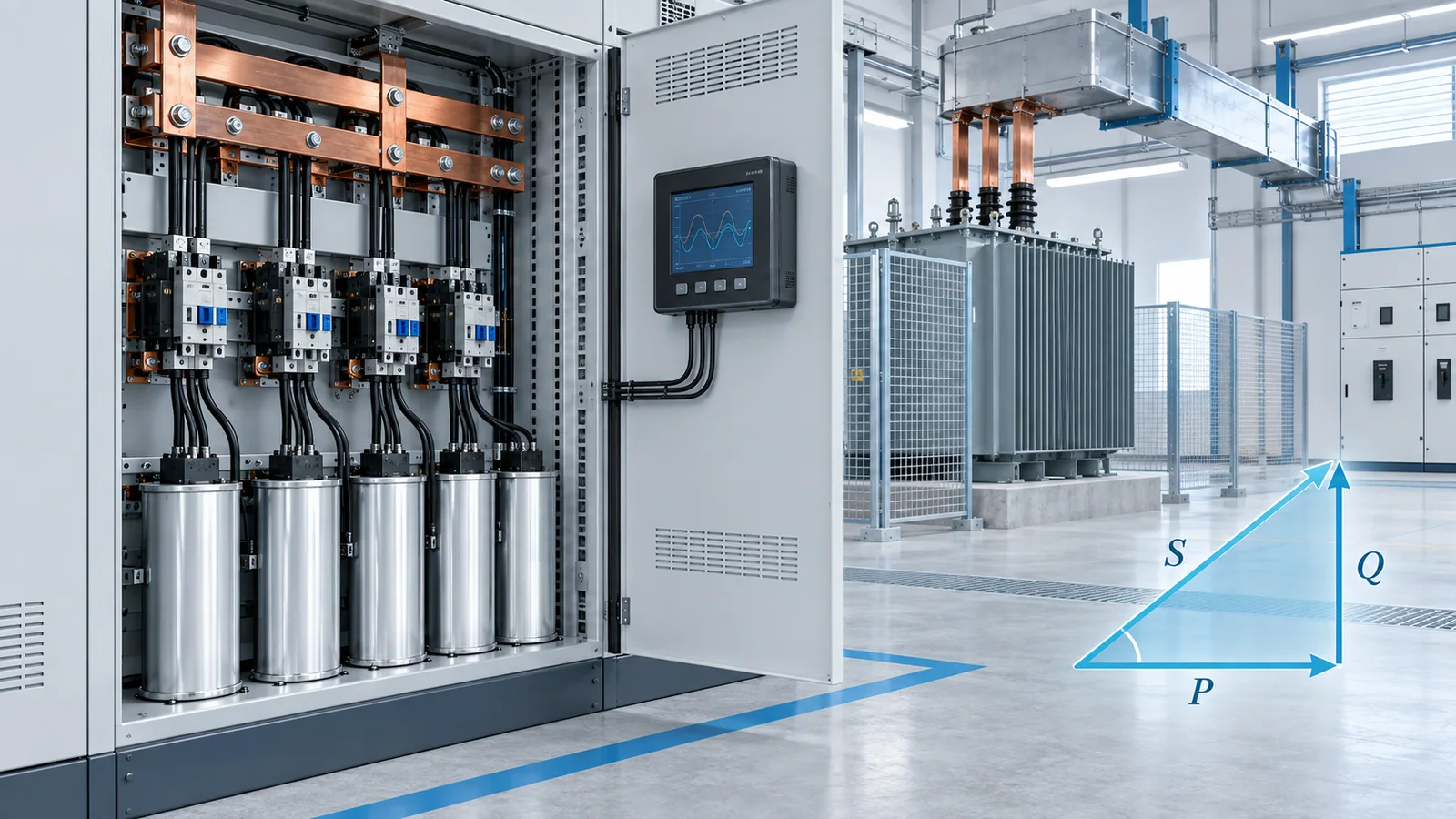
Why Raise the Power Factor? An Engineering Guide
Raising a low power factor reduces the current and apparent power needed to deliver the same real power. That can reduce distribution losses and voltage drop, release transformer…
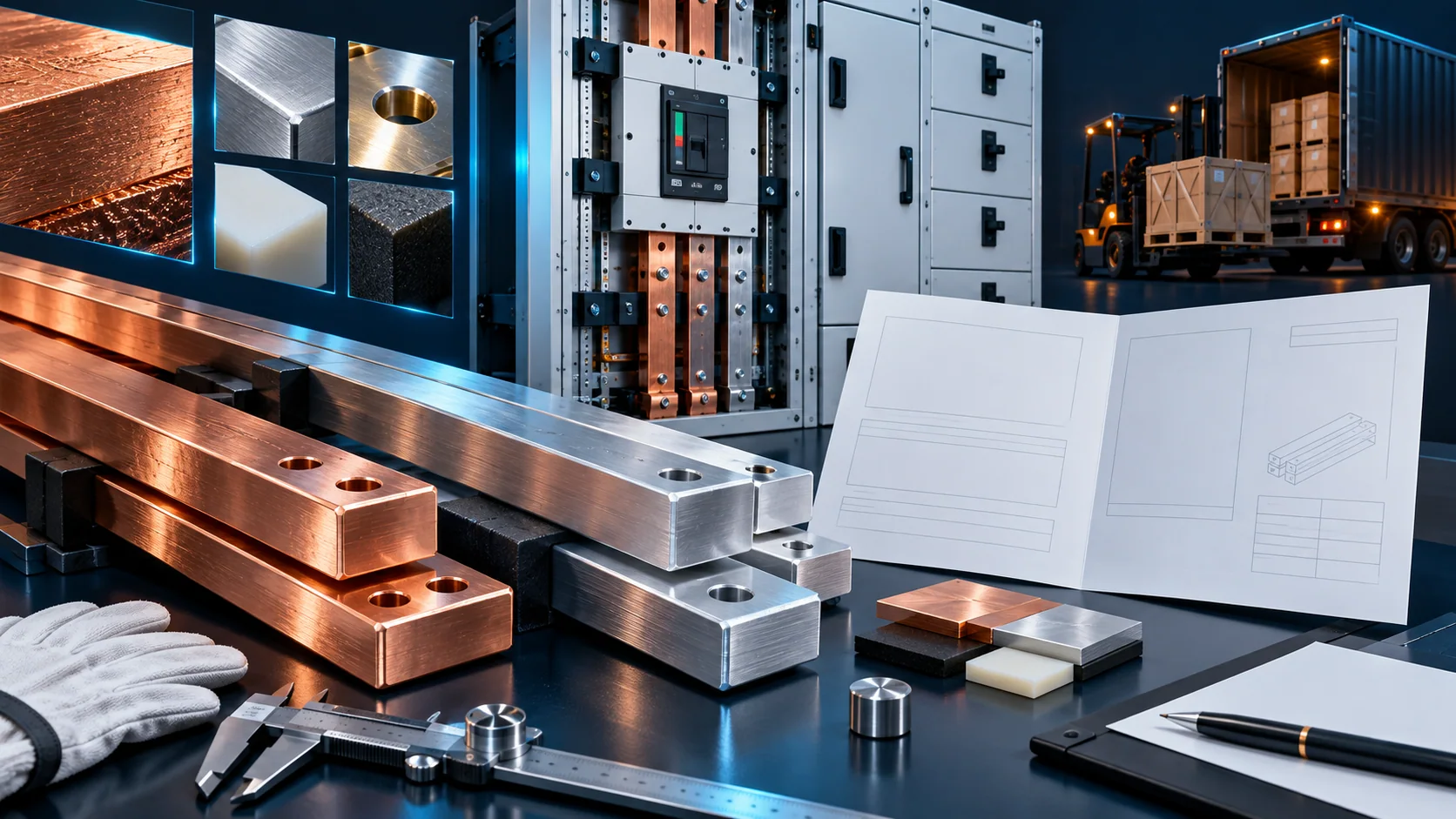
Understanding Electrical Busbar Price – Factors, Trends, and Smart Purchasing
An electrical busbar price is meaningful only when the electrical duty, material, dimensions, finish, fabrication, verification, and delivery basis are defined. A quote for a plain copper bar…
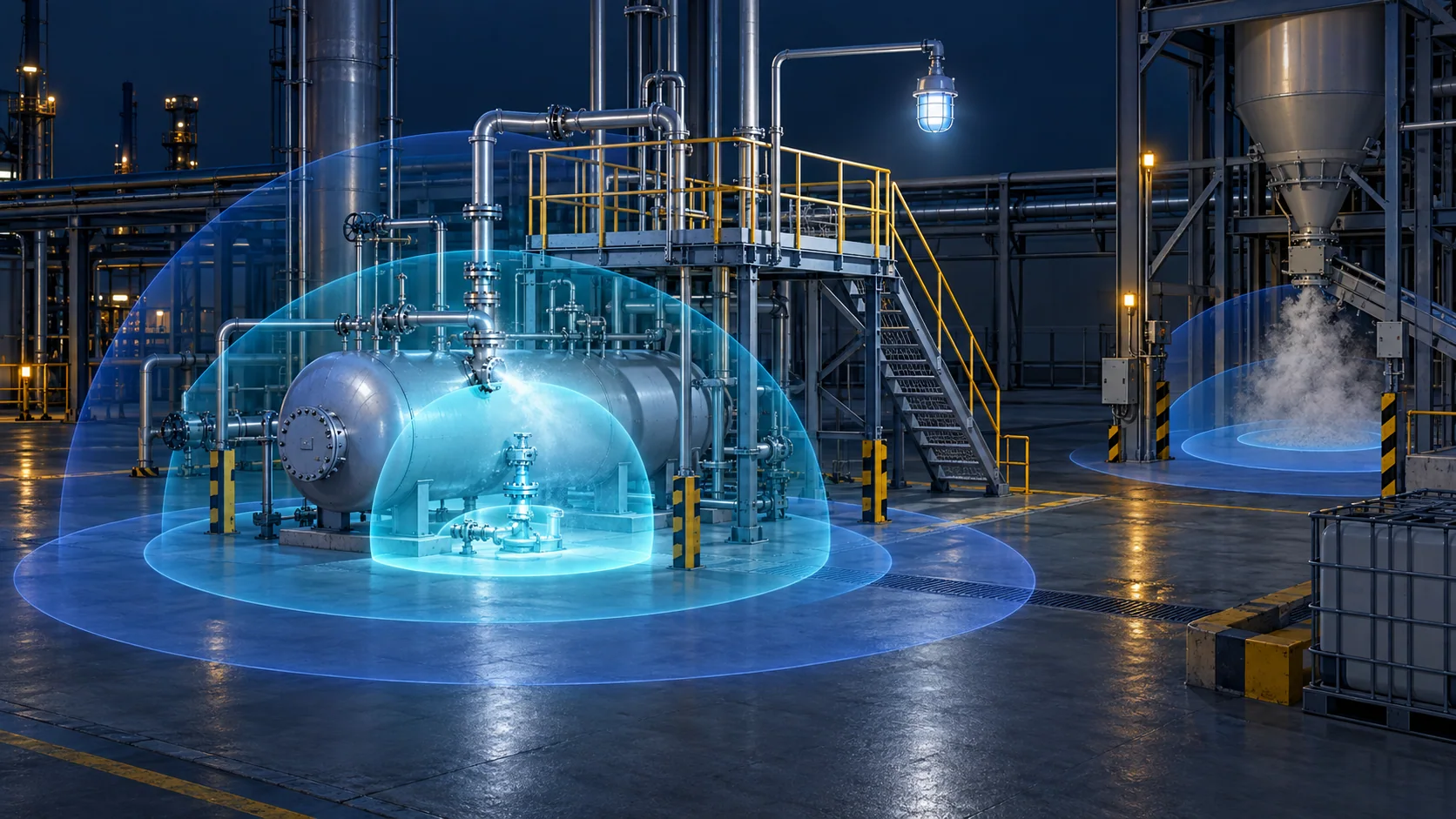
ATEX Lighting Zones for Hazardous Areas: A Practical Selection Guide
ATEX lighting selection starts with the area classification and the substance hazard—not with a luminaire catalogue. A compliant decision normally needs the classified zone, the gas/vapour/mist or dust…
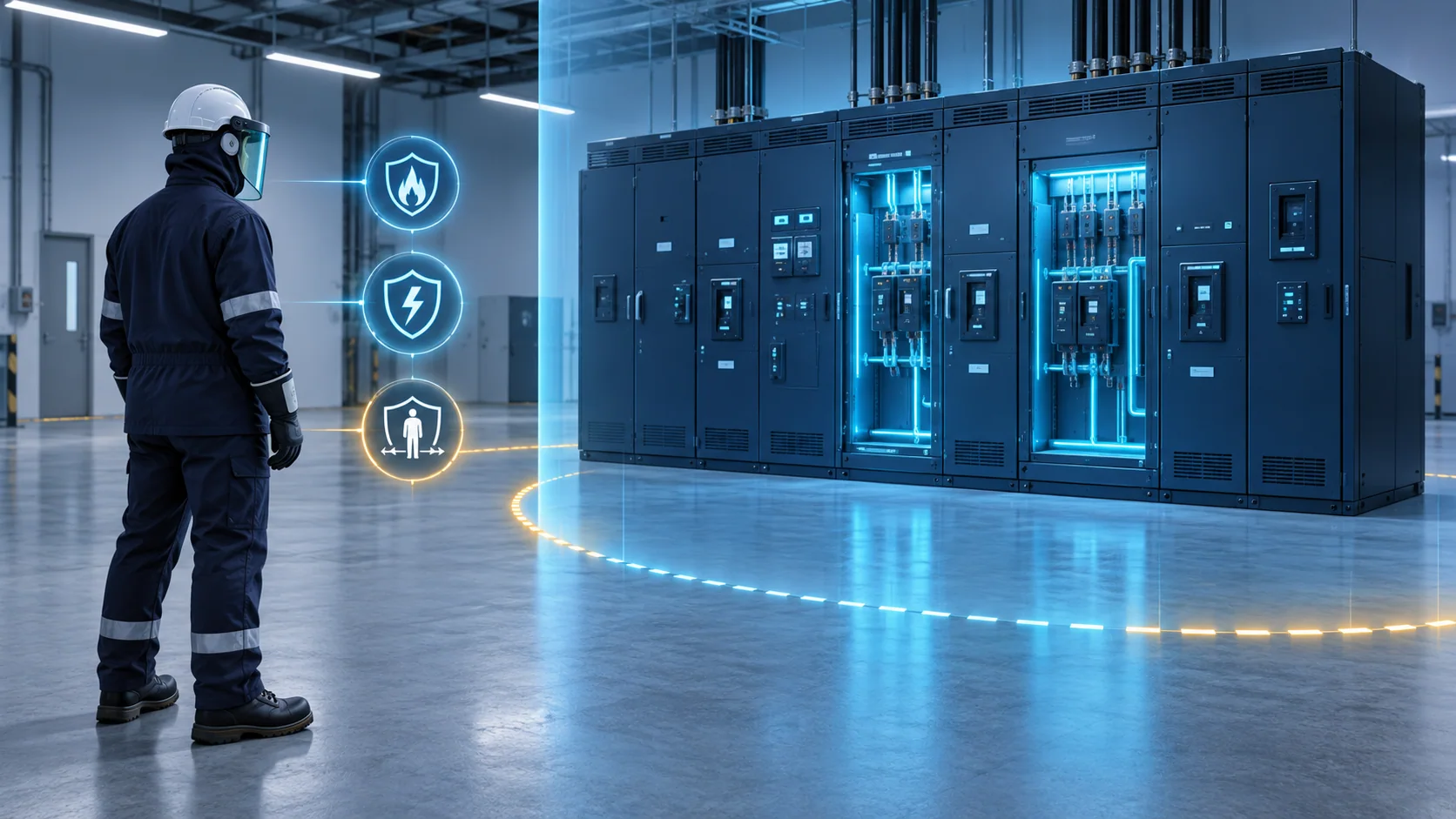
How to Choose the Right Arc Flash PPE
Choose arc flash personal protective equipment (PPE) from a documented hazard assessment, not from system voltage alone. The decision should connect the task, the equipment condition, the incident…
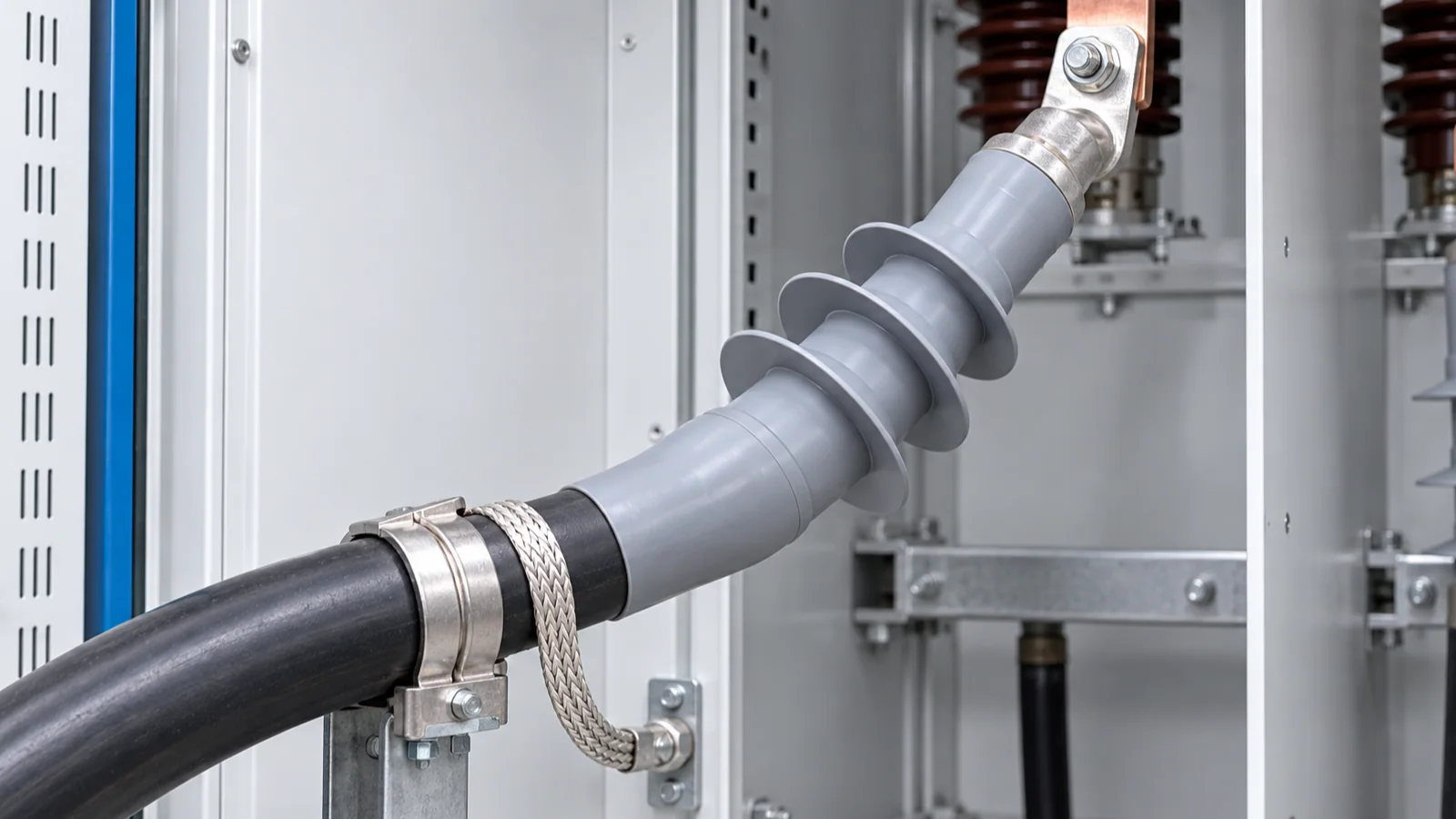
MV Cable Terminations: Stress Control, Creepage, and Why They Fail
For medium-voltage (MV) cable terminations, the first place to investigate is usually the transition between the shielded cable and the connected equipment—not the bulk cable insulation in isolation.…
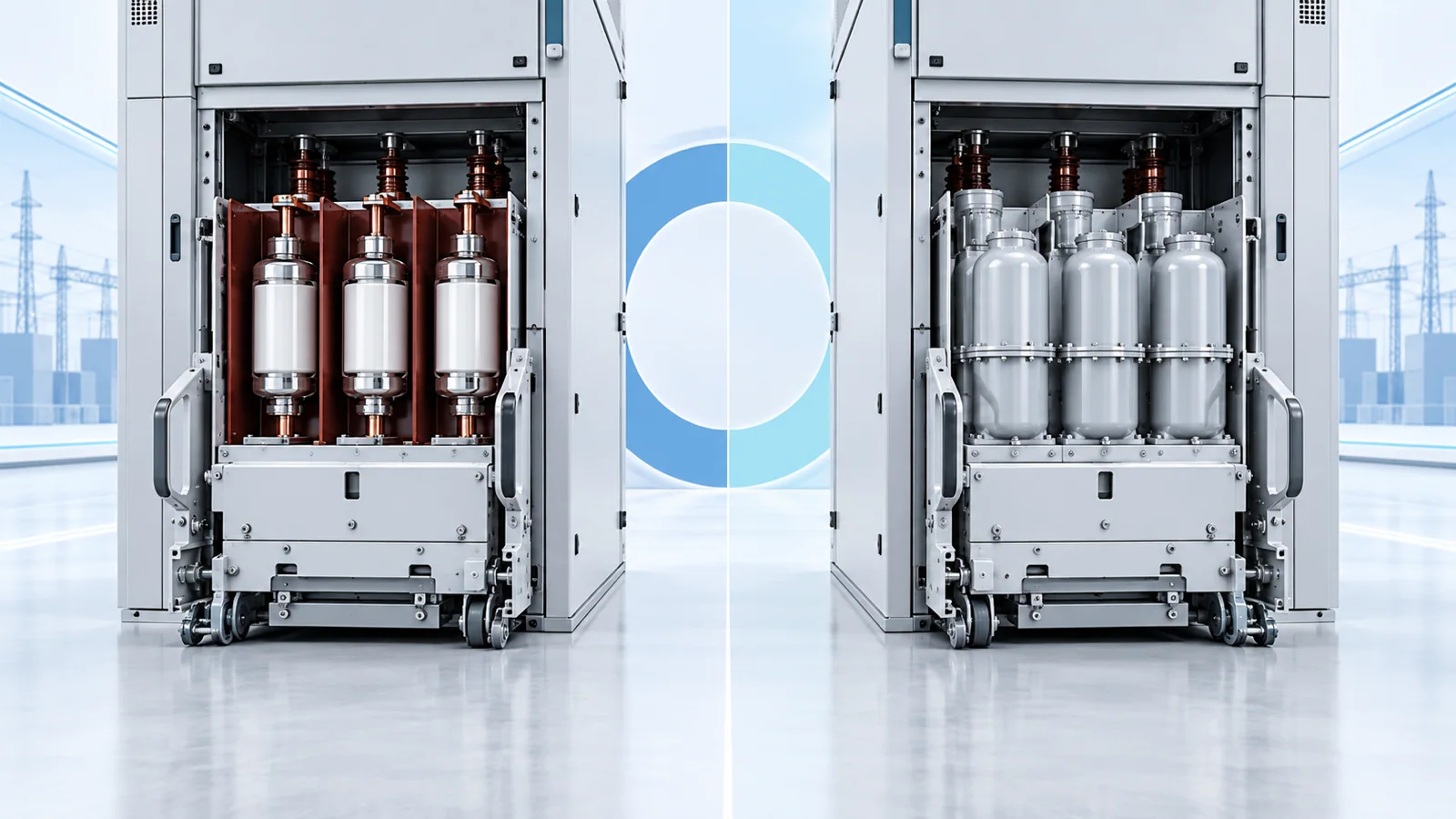
SF6 vs Vacuum Circuit Breakers: How to Choose for 11–36 kV Switchgear
For most new 11–36 kV projects, a vacuum circuit breaker should be the starting point—not because vacuum is universally superior, but because it can meet many distribution duties…