
Selected work
Read Ryan’s guides to low-voltage cable terminations, pollution degree and terminal-block selection, and transformer differential relay settings. Each provides a concrete example of his electrical technology coverage.
Latest from Ryan
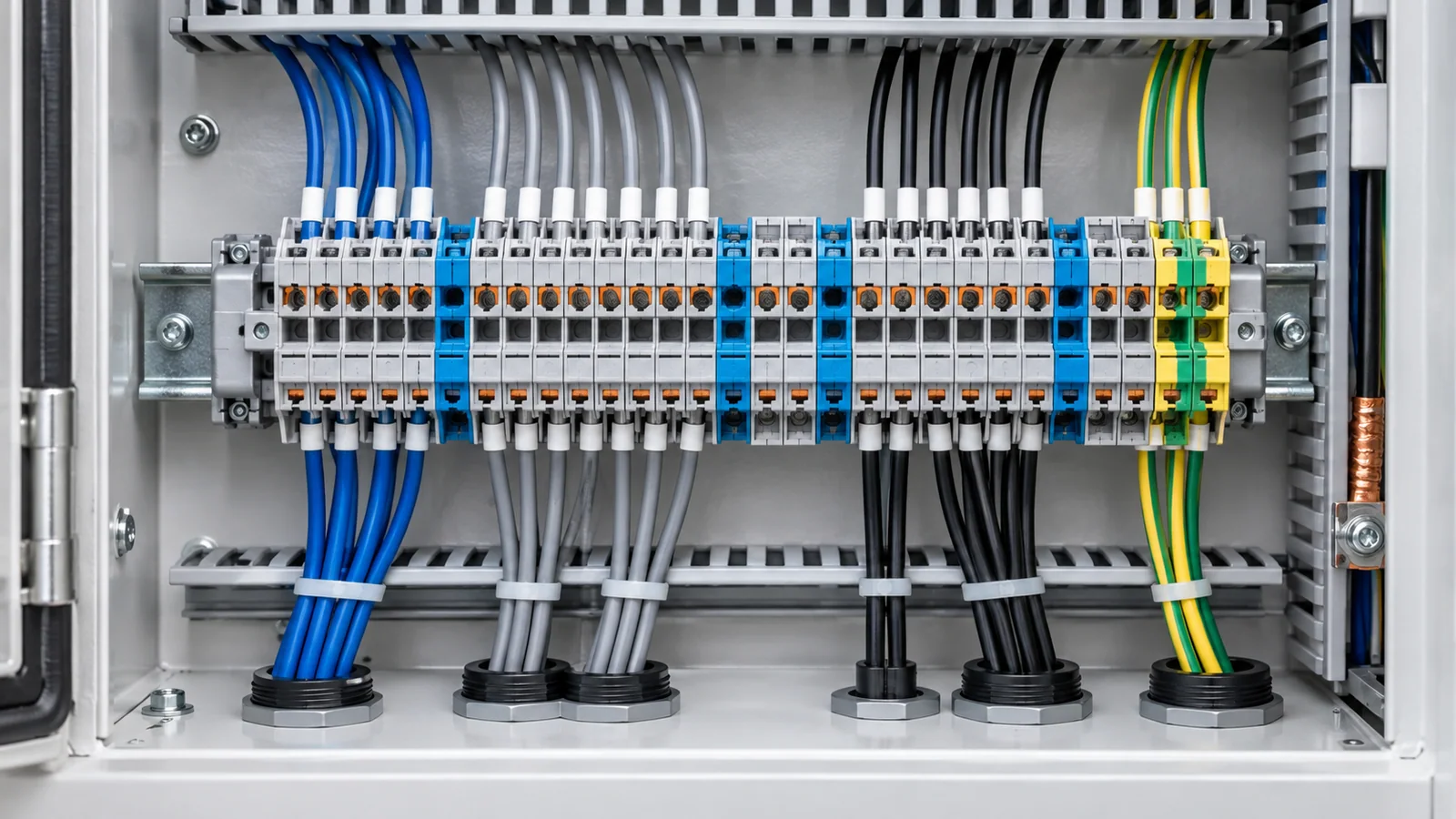
How Pollution Degree Affects Terminal Block Selection
Select a terminal block for the pollution degree of the insulation’s local microenvironment, not simply for the building’s general description. That choice affects the required creepage-distance assessment. It…

Copper Busbar Cost per Kilogram: Mass and Material-Cost Calculation
For a straight rectangular copper bar, calculate net mass from width × thickness × length × density, then multiply the billable kilograms by the quoted currency per kilogram.…
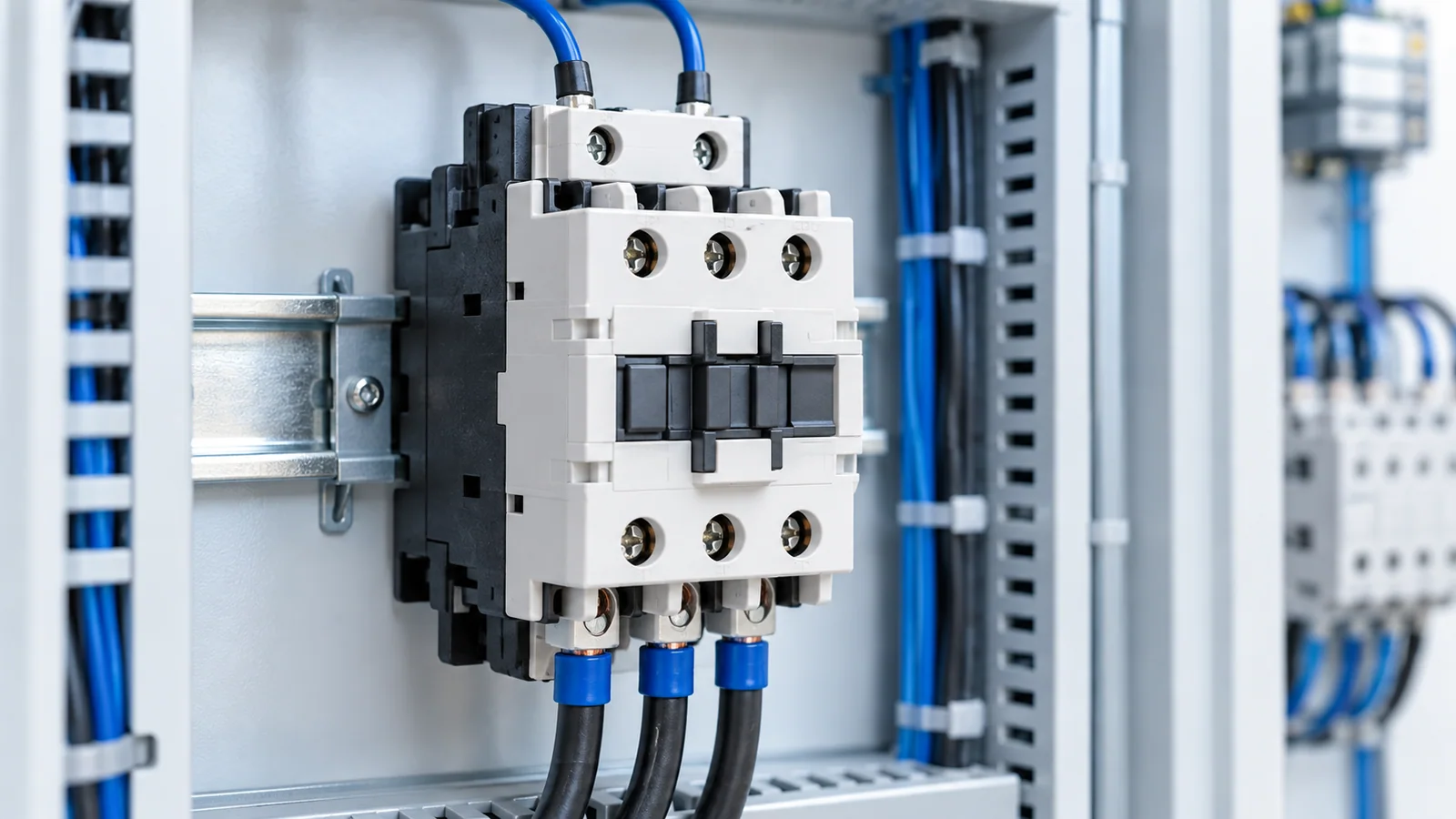
Contactor Selection for a 60 Hz Control Supply
A 60 Hz control supply is a coil-compatibility input, not a complete contactor specification. First confirm the actual voltage and frequency at the coil terminals during pickup and…

MCB vs. Fuse: Choosing Low-Voltage Overcurrent Protection
Both a correctly selected miniature circuit breaker (MCB) and a correctly selected fuse system can protect a low-voltage circuit against overcurrent. Choose between them only after checking the…
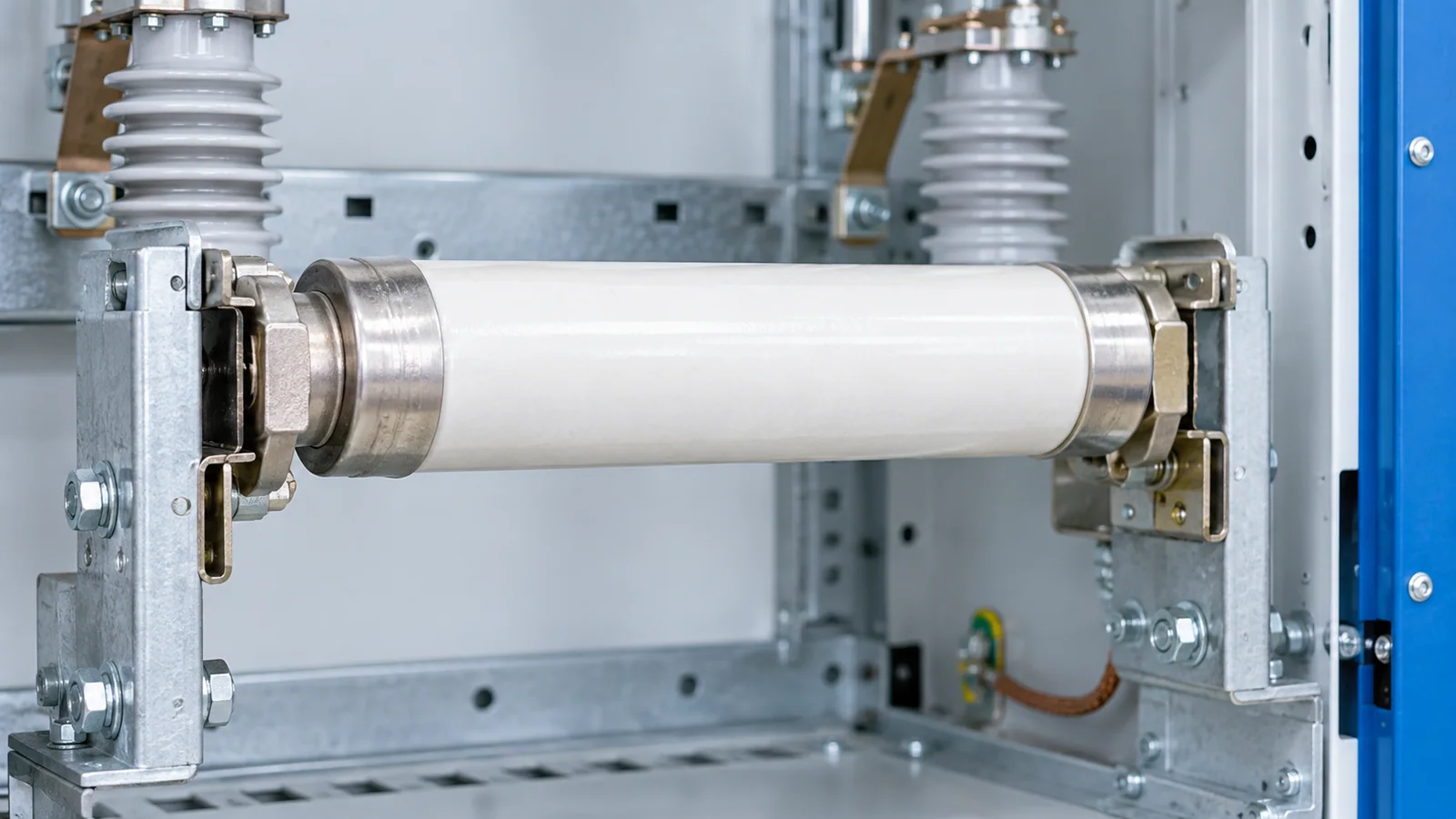
Medium-Voltage Fuse Ratings Explained: Voltage, Current and Breaking Range
An MV fuse link has several different ratings, not one “size.” Rated voltage addresses the application voltage; rated current relates to carrying normal current under specified conditions; breaking-current…
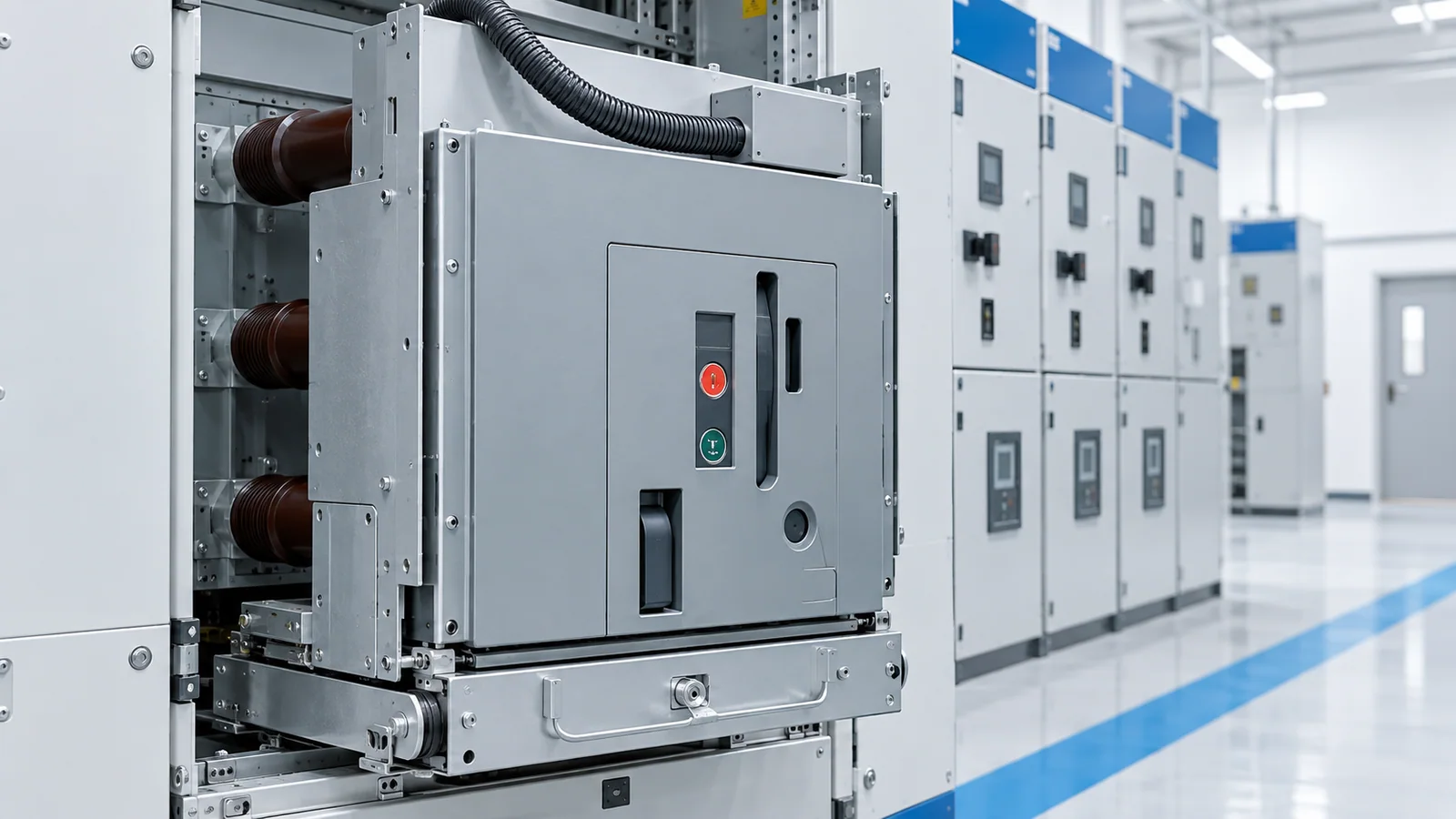
Medium-Voltage Circuit Breaker Operating Sequence Explained
An operating sequence describes a breaker’s assigned ability to perform specified open and close–open operations at stated intervals; it is not an instruction to reclose every faulted feeder.…
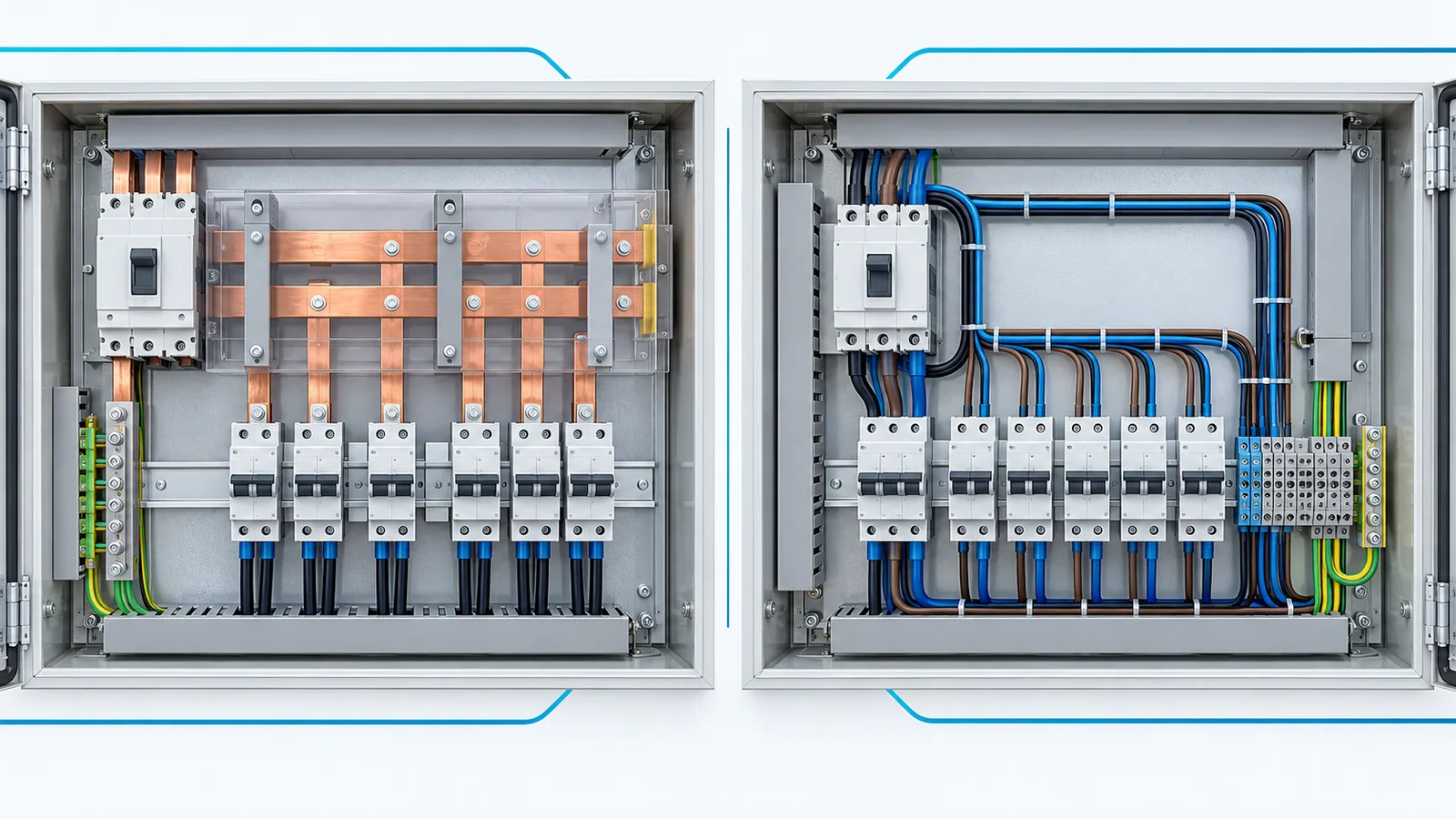
Busbar vs. Terminal-Block-and-Cable Wiring in Control Panels
An engineered busbar system is often attractive when a low-voltage panel distributes substantial current to repeated devices in a compact, stable layout. Discrete cable and terminal blocks usually…
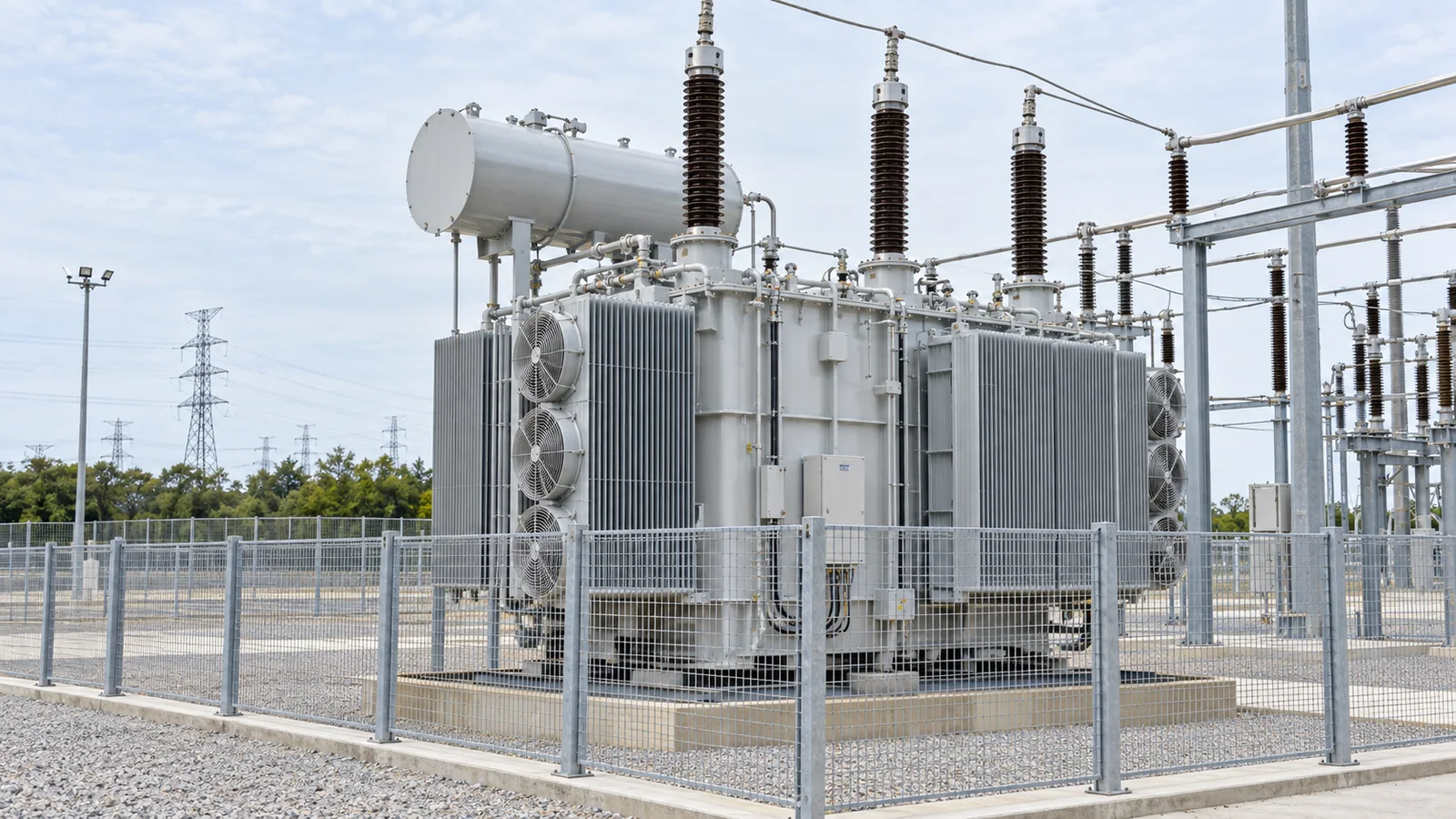
Transformer Abnormal Noise: Five Sound Patterns and Safe Next Steps
A power transformer normally produces some audible sound. The useful warning is a new, louder, irregular, or relocated sound compared with that unit’s baseline under comparable operating conditions.…
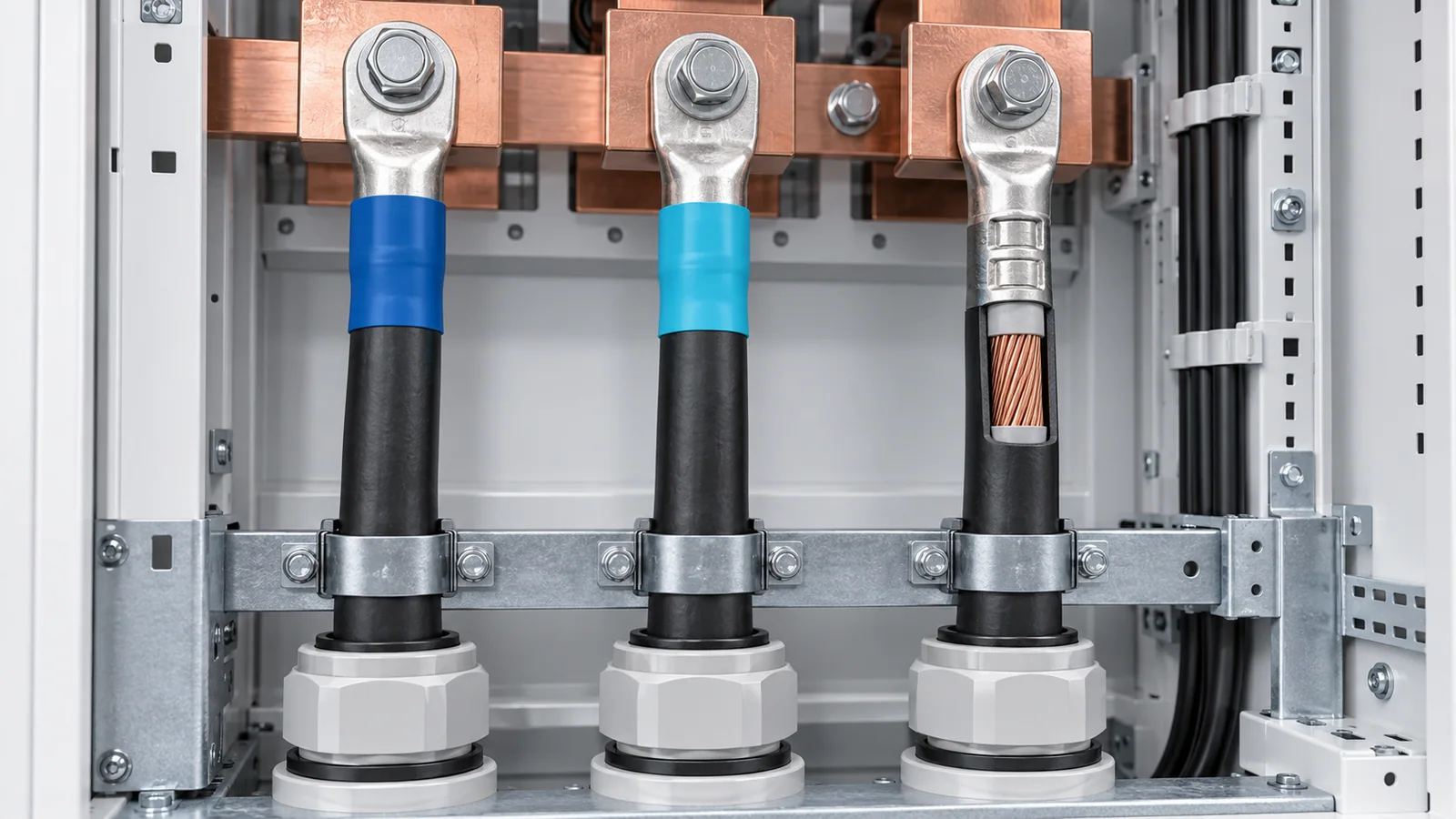
LV Cable Terminations: Components, Methods and Failure Prevention
A reliable low-voltage cable termination is a controlled electrical and mechanical interface. The connector must match the conductor material, size, strand class, temperature rating, and equipment terminal; preparation…
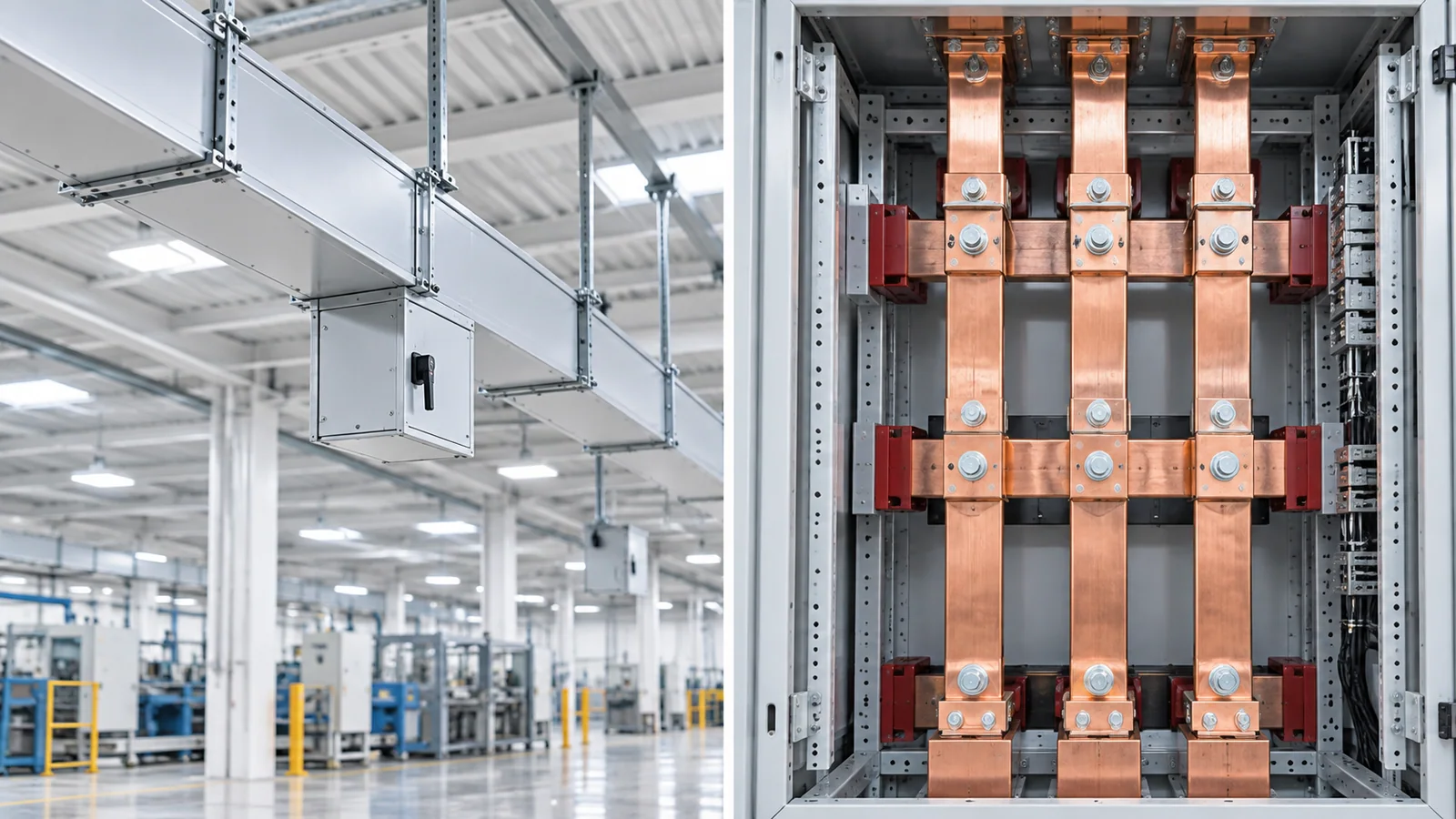
Busway vs. Busbar: Choosing Between a Distribution System and a Conductor
Busway—or busbar trunking—is a complete enclosed distribution assembly with conductors, enclosure, joints, supports and often tap-off provisions. A busbar is the conductor itself or a conductor system integrated…