
Selected work
Explore MAX’s guides to distribution-substation equipment and power flow, circuit-breaker feeder cable sizing, and vacuum circuit-breaker current chopping. These articles show the range of electrical topics covered in his published work.
Latest from MAX
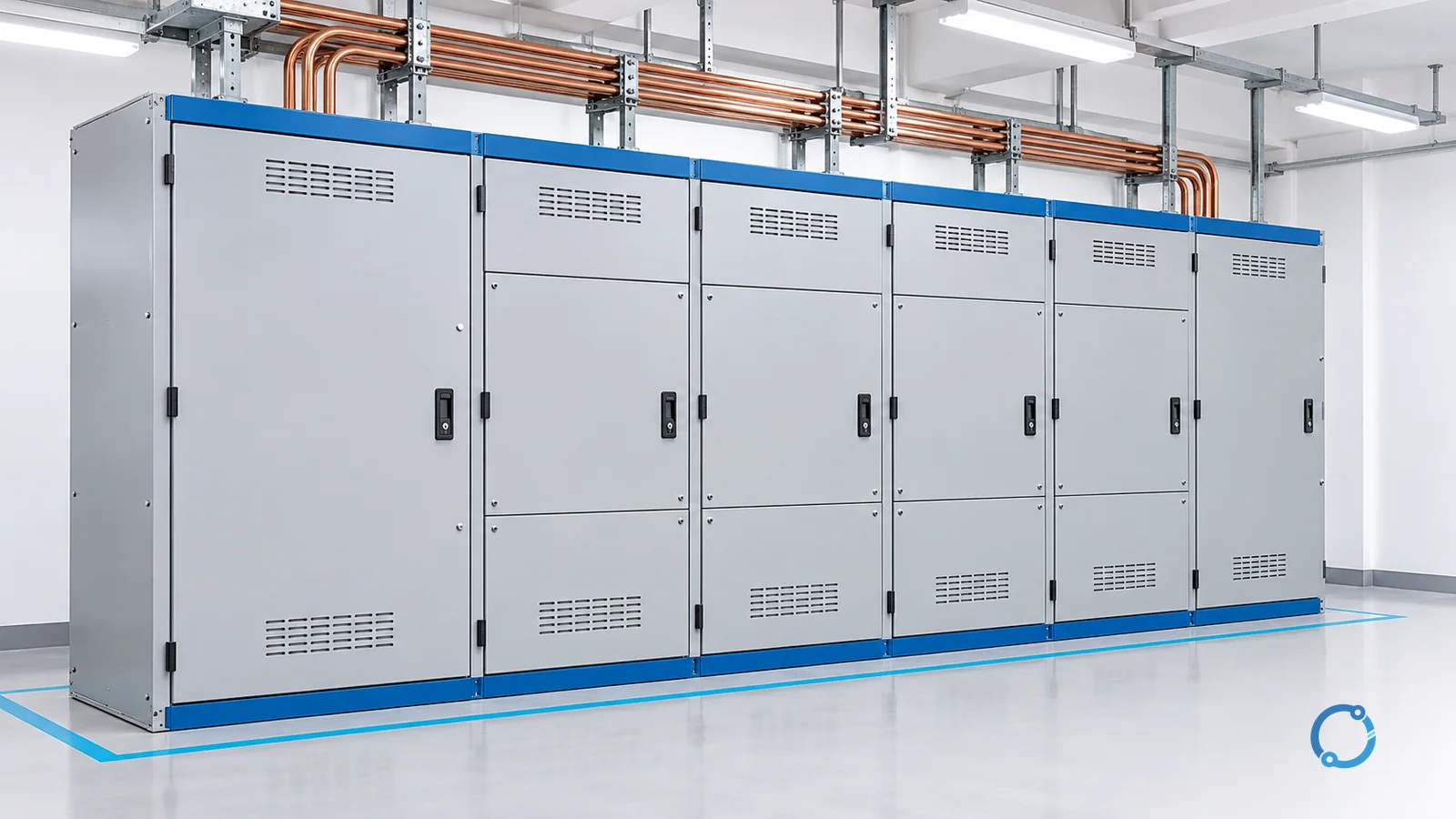
What Is Switchgear? Components, Voltage Classes and LV/MV/HV Boundaries
Short answer: Switchgear is an assembly of switching, protective, control and measuring equipment used to control, protect and isolate electrical circuits and equipment. Its functional map is switch…
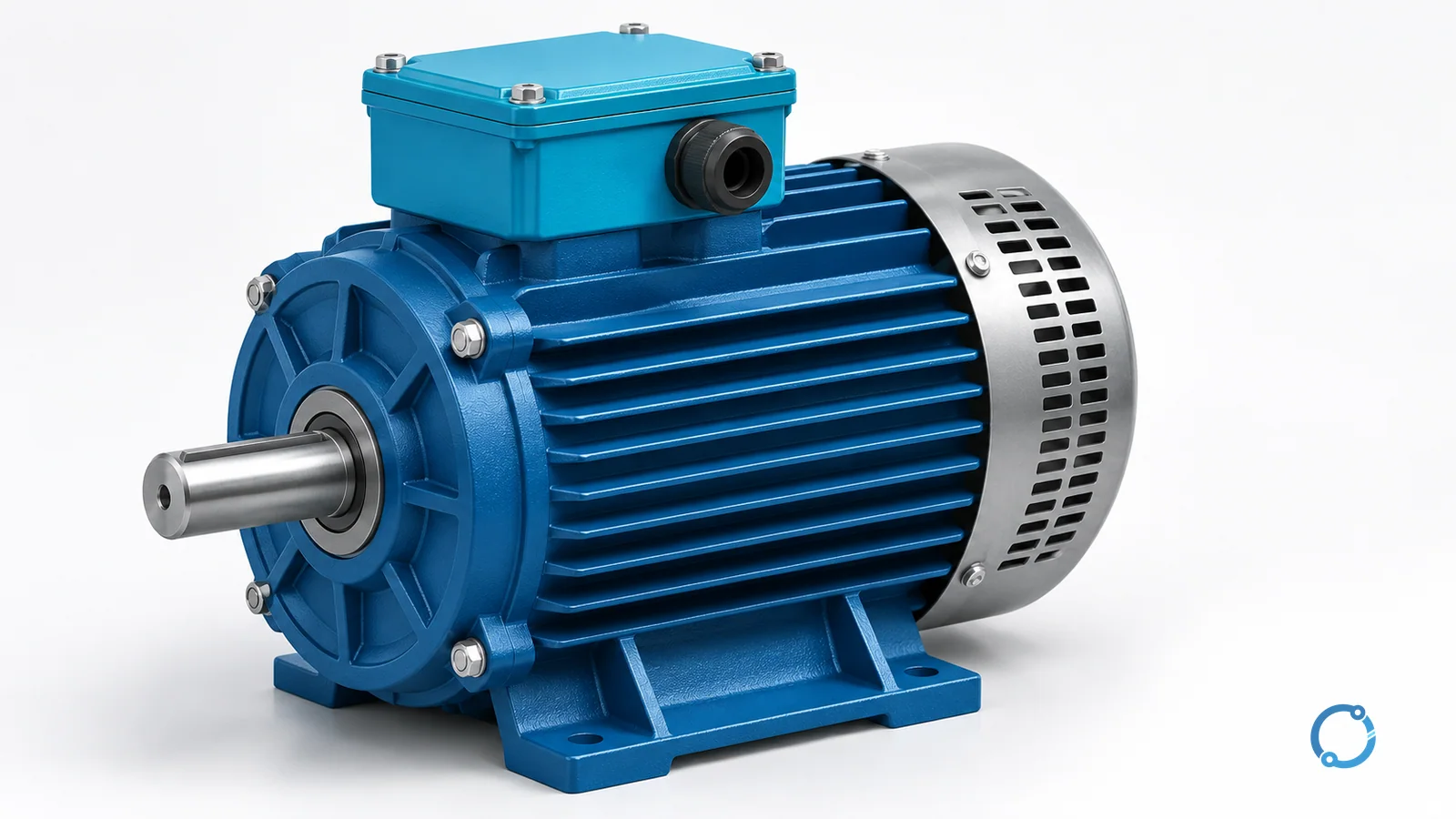
How Does an Electric Motor Work? The Electromagnetic Principle, Part by Part
Short answer: An electric motor converts electrical energy into mechanical rotation through the interaction of magnetic fields and current. A current-carrying conductor in a magnetic field experiences a…
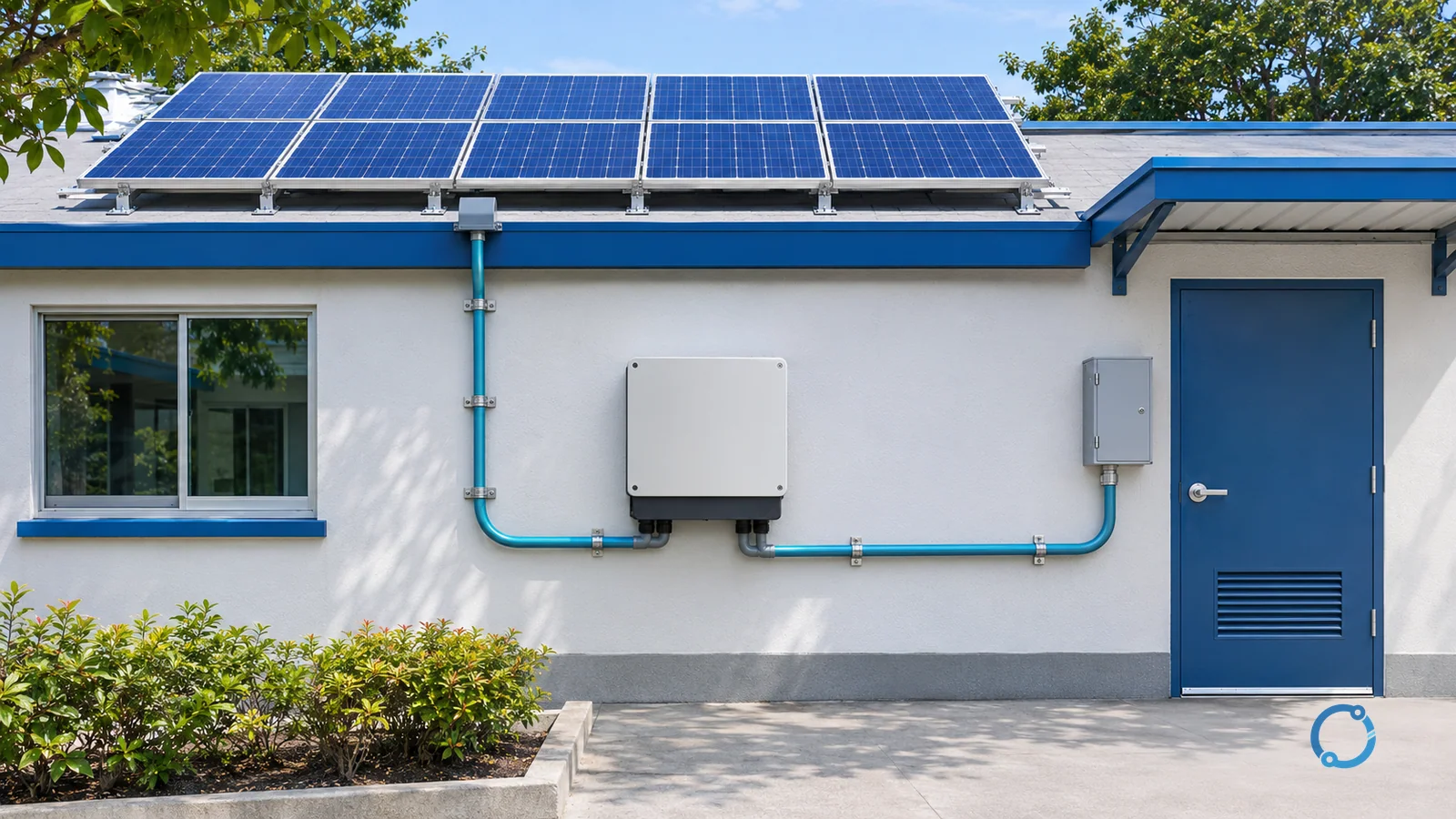
What Is an Inverter? How DC Becomes AC, Main Types and Sizing Basics
Short answer: An inverter is a power-electronic device that converts direct current (DC) electricity into alternating current (AC) electricity. In a photovoltaic system, it sits between the DC…
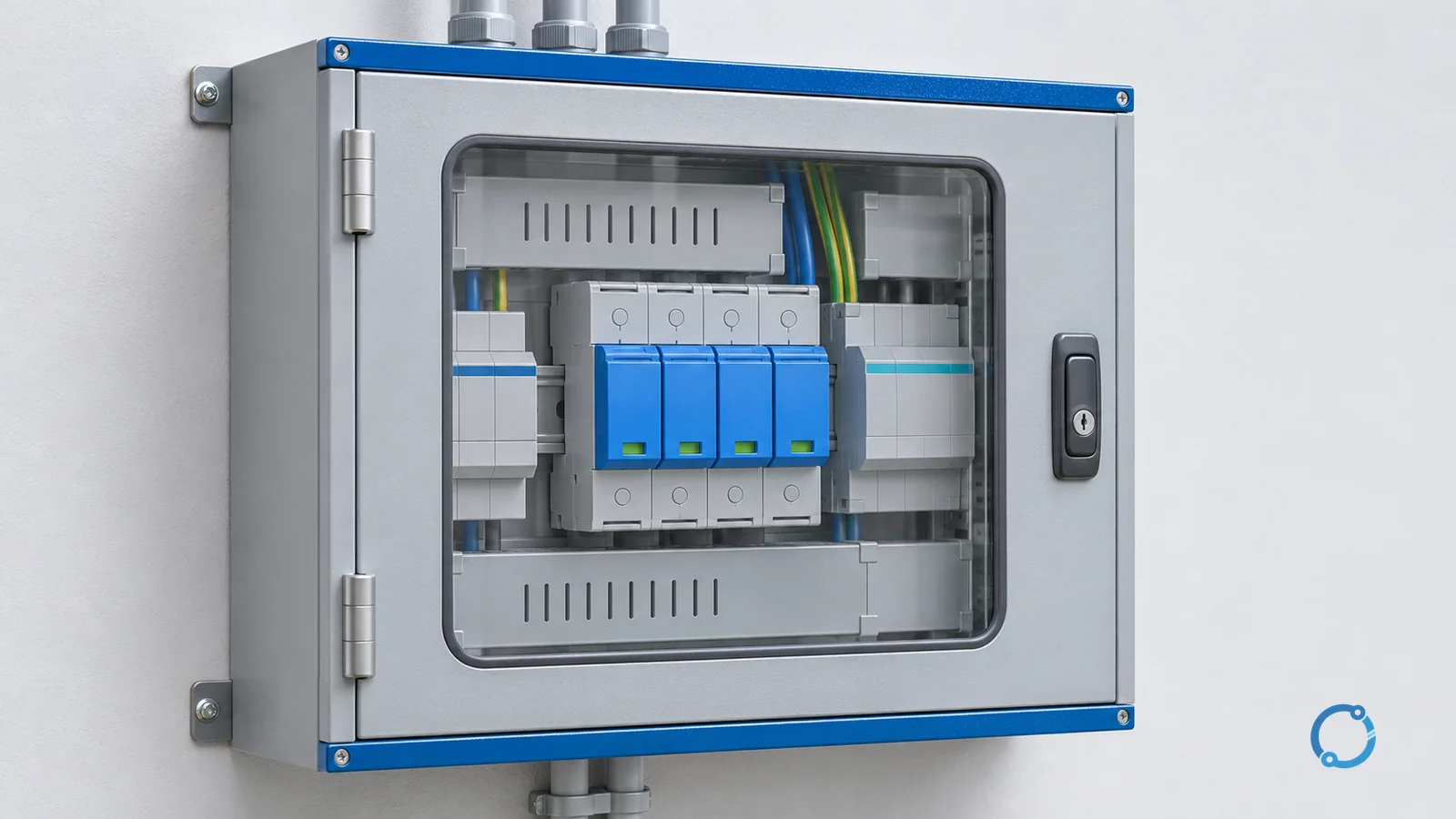
What Is a Surge Protector (SPD)? How It Works and the Type 1, 2, 3 Classes
Short answer: A surge protective device (SPD) is a protective device that responds to a transient overvoltage by providing a controlled path for surge current and by limiting…
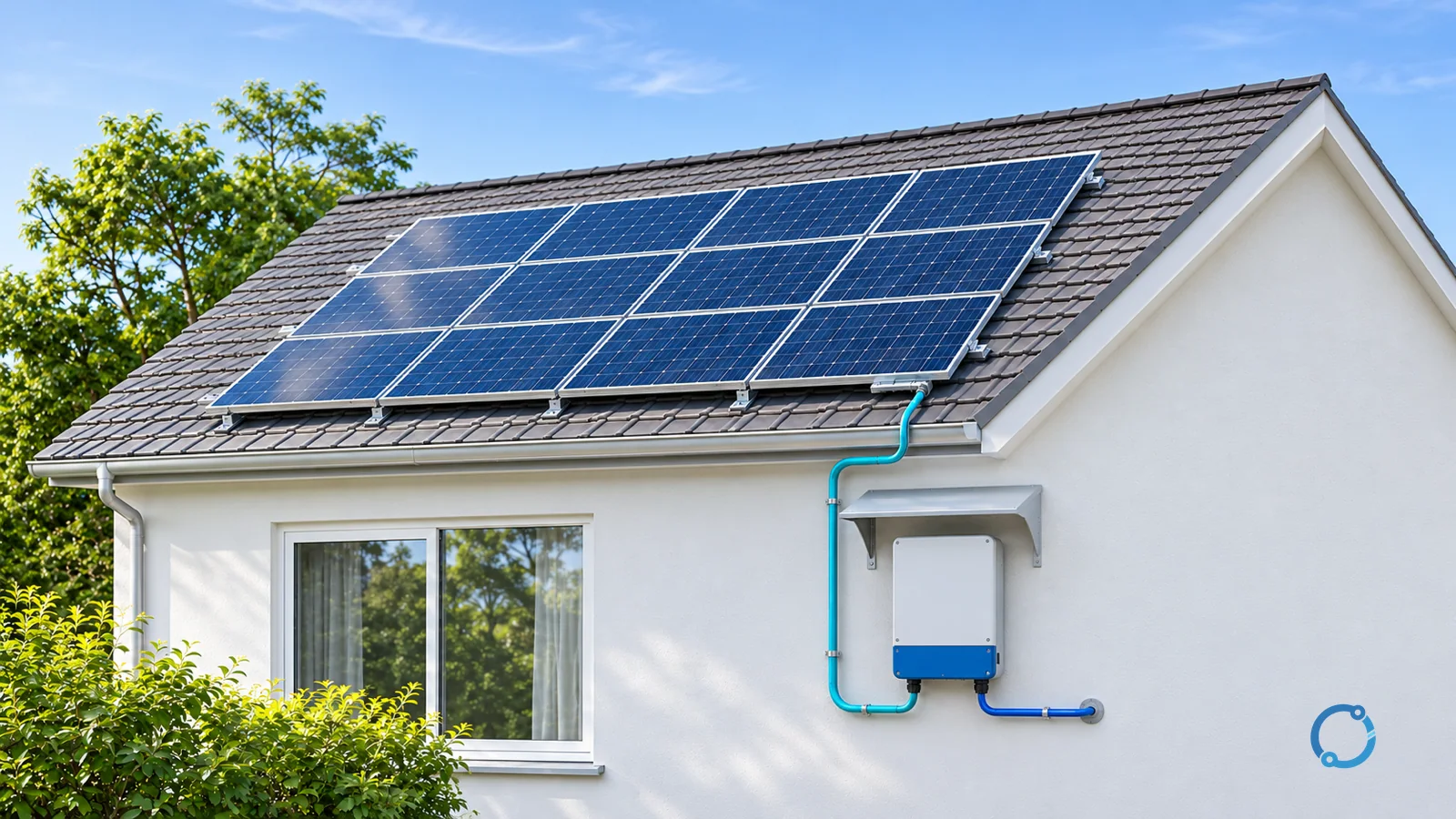
How Many Solar Panels Does a House Need? The kWh Math, Step by Step
Short answer: Estimate the number of panels by dividing annual household energy use by the annual output of one panel under the same sunlight and system assumptions: panels…
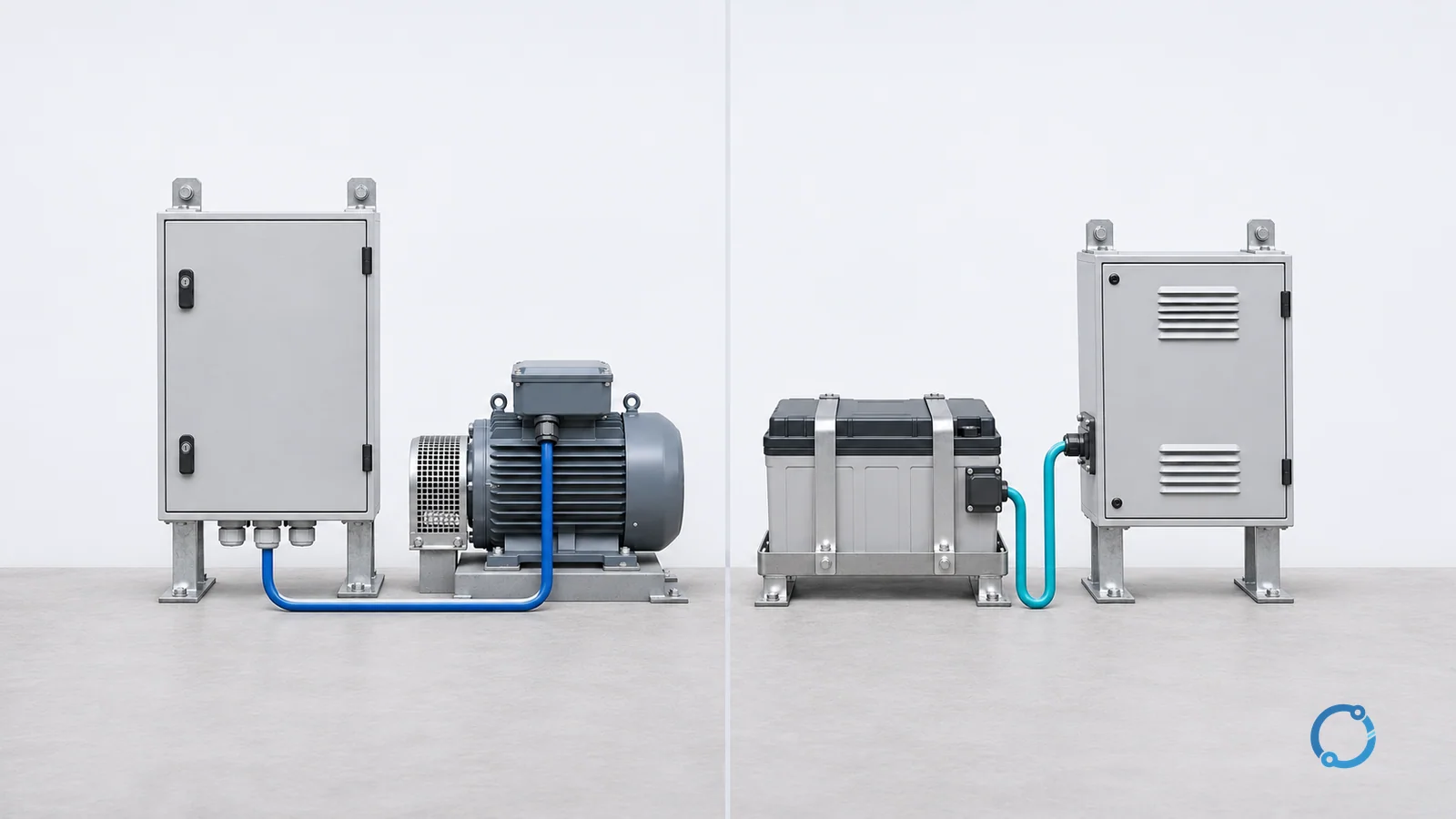
AC vs DC Current: What Is the Difference, and Why the Grid Uses AC
Short answer: Alternating current (AC) periodically reverses direction, while direct current (DC) flows in one direction. AC became the practical basis of the bulk power grid because a…
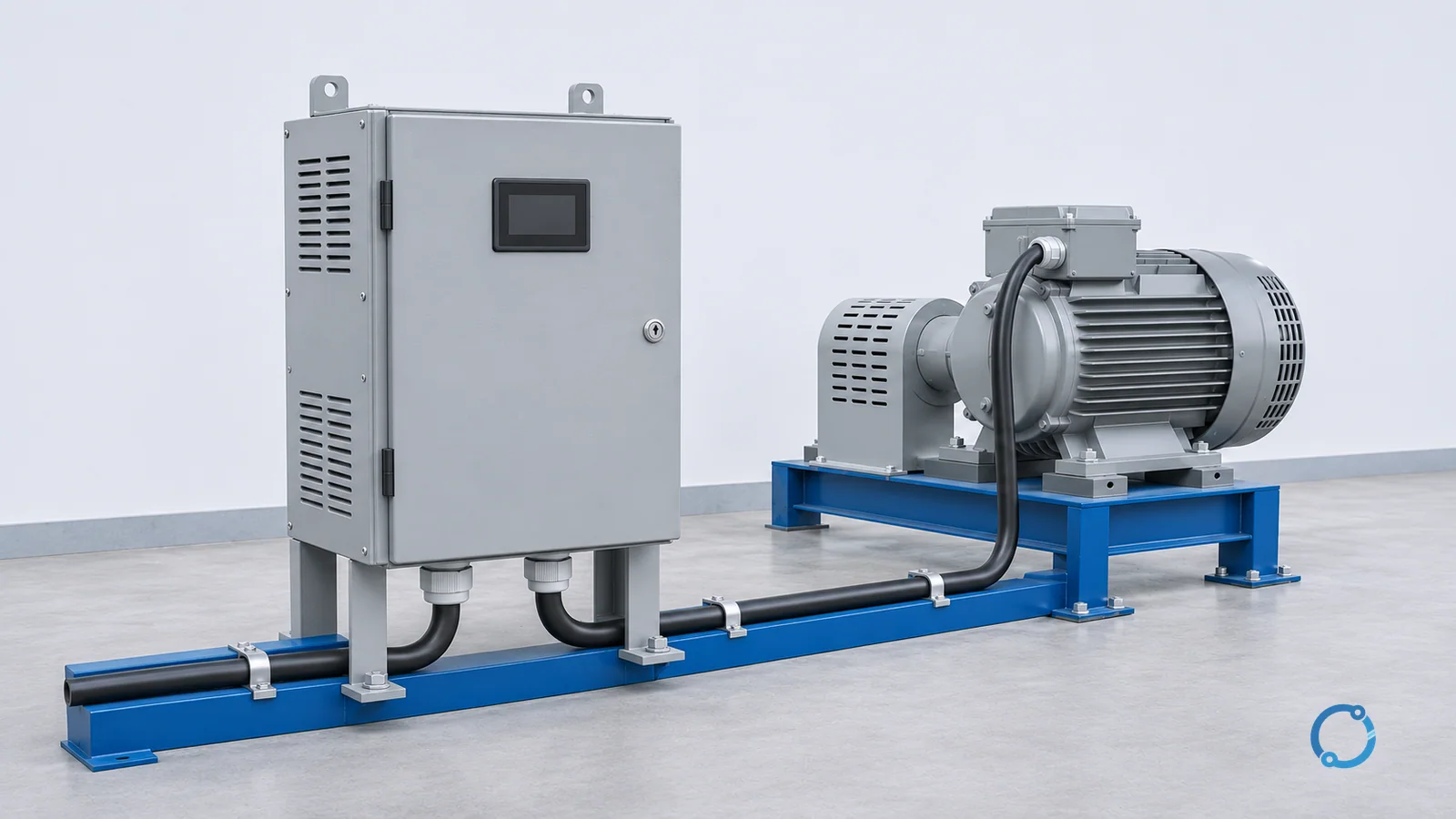
What Is a VFD (Variable Frequency Drive)? How It Works, and When a Motor Needs One
Short answer: A variable frequency drive (VFD) is a power-electronic device that changes the frequency and voltage supplied to an AC motor so the motor can operate at…
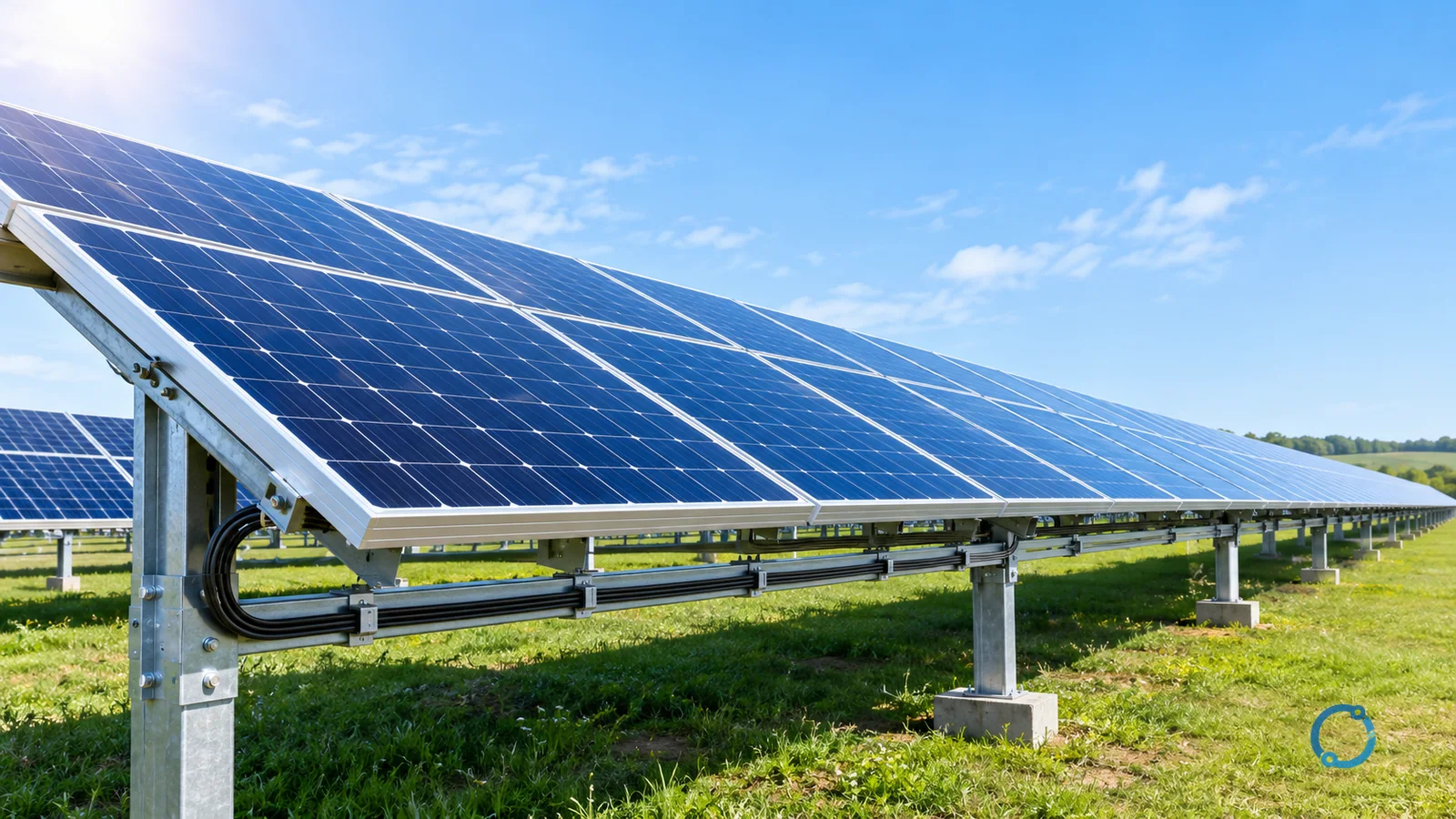
How Do Solar Panels Work? From Photons to AC Power, Step by Step
Short answer: Sunlight transfers energy to electrons in a photovoltaic cell. The cell’s semiconductor structure separates those charges and produces direct current. Cells are connected into a module,…
Wire Size Guide: How to Choose AWG by Amps, Distance and Voltage Drop
Short answer: Choose wire size in three steps. First, use the load current and the applicable ampacity table to establish a minimum AWG. Second, calculate voltage drop over…
AWG Wire Size Chart: Ampacity, Diameter and mm² Conversion
Short answer: A larger AWG number means a smaller conductor. Use this AWG wire size chart in three passes: find the nominal diameter and area, look up the…