
Selected work
Explore MAX’s guides to distribution-substation equipment and power flow, circuit-breaker feeder cable sizing, and vacuum circuit-breaker current chopping. These articles show the range of electrical topics covered in his published work.
Latest from MAX

kW vs kWh: How to Calculate Electricity Use
A kilowatt (kW) measures power: the rate at which equipment uses or supplies energy. A kilowatt-hour (kWh) measures an amount of energy. To calculate electricity use at a…

How Pumped Storage Hydropower Works: Charging, Generation and Losses
Pumped storage hydropower stores energy by moving water uphill. It uses electricity to pump water into an upper reservoir, then generates electricity when water flows back down through…

Transmission vs Distribution: How Electricity Reaches Your Building
Transmission carries bulk electricity between generation and major network nodes. Distribution delivers it through local networks to customers. Voltage is an important clue, but network function and the…

Capacity Factor vs Efficiency: What Each Number Really Measures
Capacity factor measures how much electricity a generator produced compared with continuous operation at a specified capacity over the same period. Efficiency measures how much input energy becomes…

Battery Storage MW vs MWh: Calculate Duration Without Mixing Ratings
For battery energy storage, MW describes output power and MWh describes energy capacity. Their ratio gives duration in hours when both ratings use a compatible basis: Duration (h)…

Relay Operating Principles for Fault Detection: Definite-Time, Inverse-Time and Differential Logic
A protective relay turns a measured system condition into a trip decision. The generic chain is: measurement -> comparison or characteristic -> time decision -> trip output That…
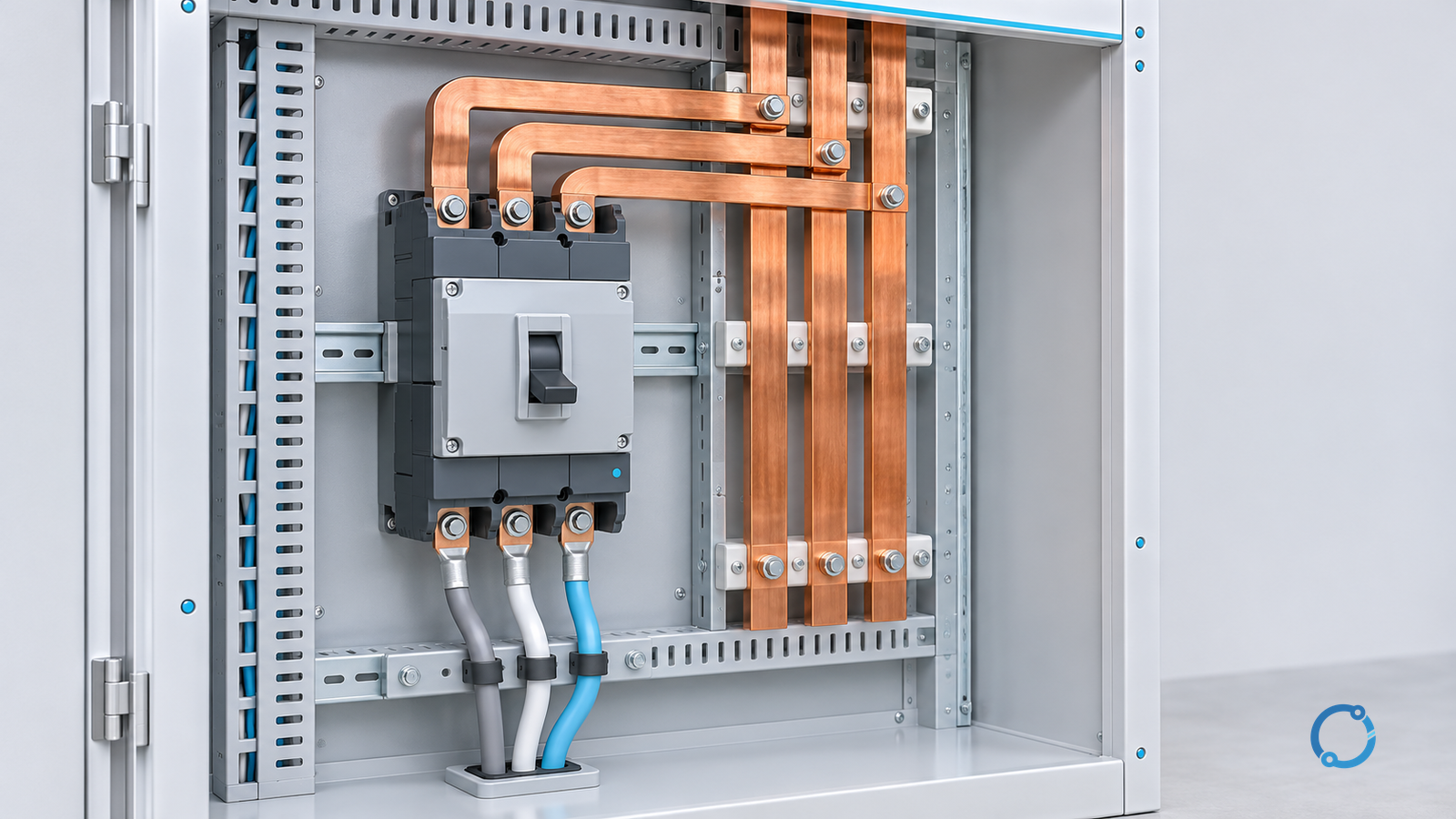
Calculating Maximum Demand kVA and Required Cable Current Rating
Maximum demand is not the sum of every connected load. It is the greatest demand expected over a defined assessment period after the applicable demand methodology has been…
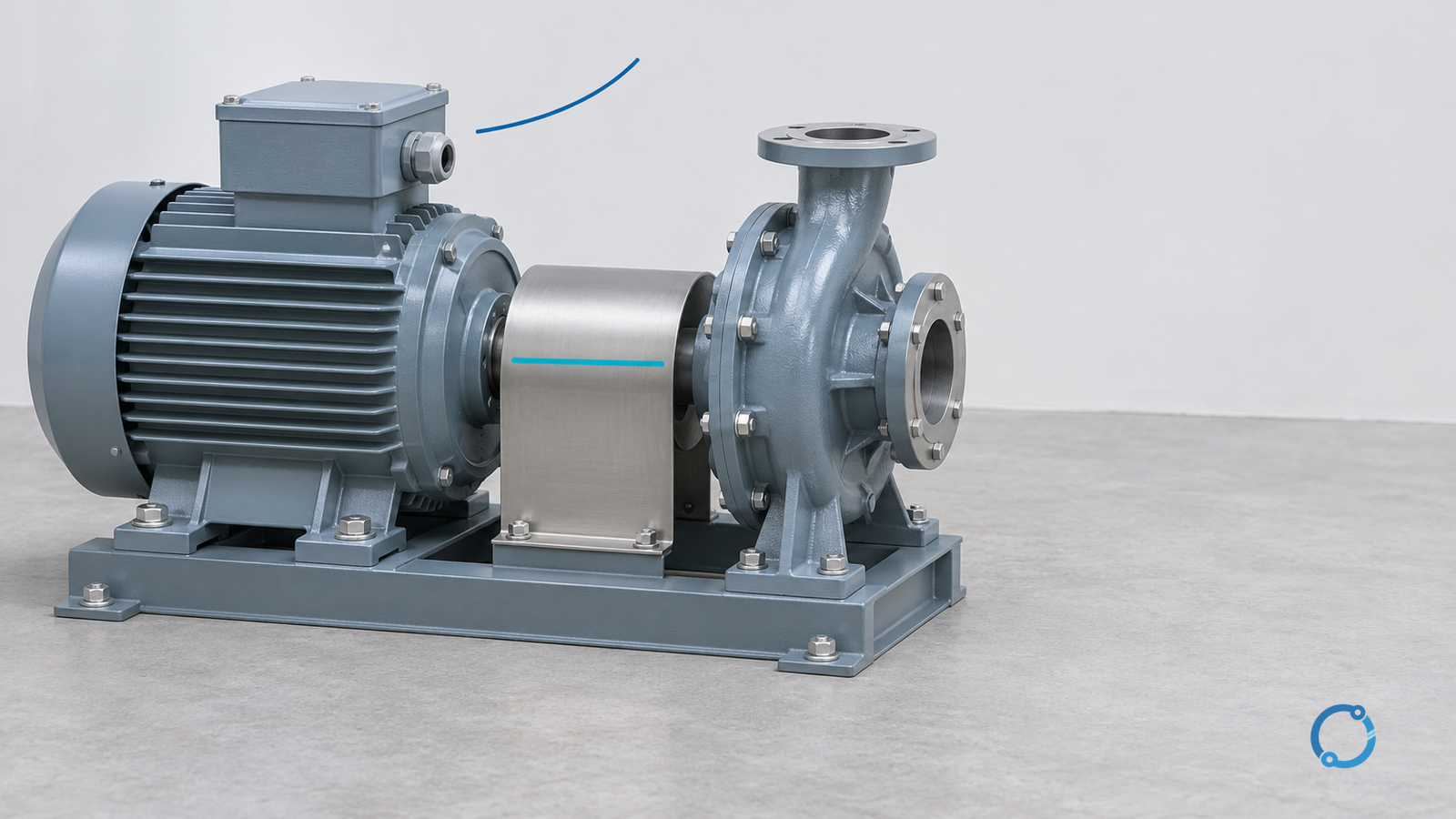
Motor Efficiency Calculation: Input Power, Shaft Output and Losses
Motor efficiency tells you how much electrical input becomes useful mechanical power at the shaft: Efficiency (%) = shaft output power ÷ electrical input power × 100. Use…

Power-Factor Relay Wiring on LV and MV Systems: CT/VT, Control and Commissioning Boundaries
A power-factor relay is a measurement and control device, not a complete capacitor-bank design. Its wiring must answer four questions: what voltage and current does it measure, how…

How Do GFCI and Standard Breakers Respond to Ground Faults?
A standard circuit breaker responds to excessive current through the conductors it protects. A ground-fault circuit interrupter (GFCI) responds to a difference between the current leaving the circuit…