
Selected work
Explore MAX’s guides to distribution-substation equipment and power flow, circuit-breaker feeder cable sizing, and vacuum circuit-breaker current chopping. These articles show the range of electrical topics covered in his published work.
Latest from MAX
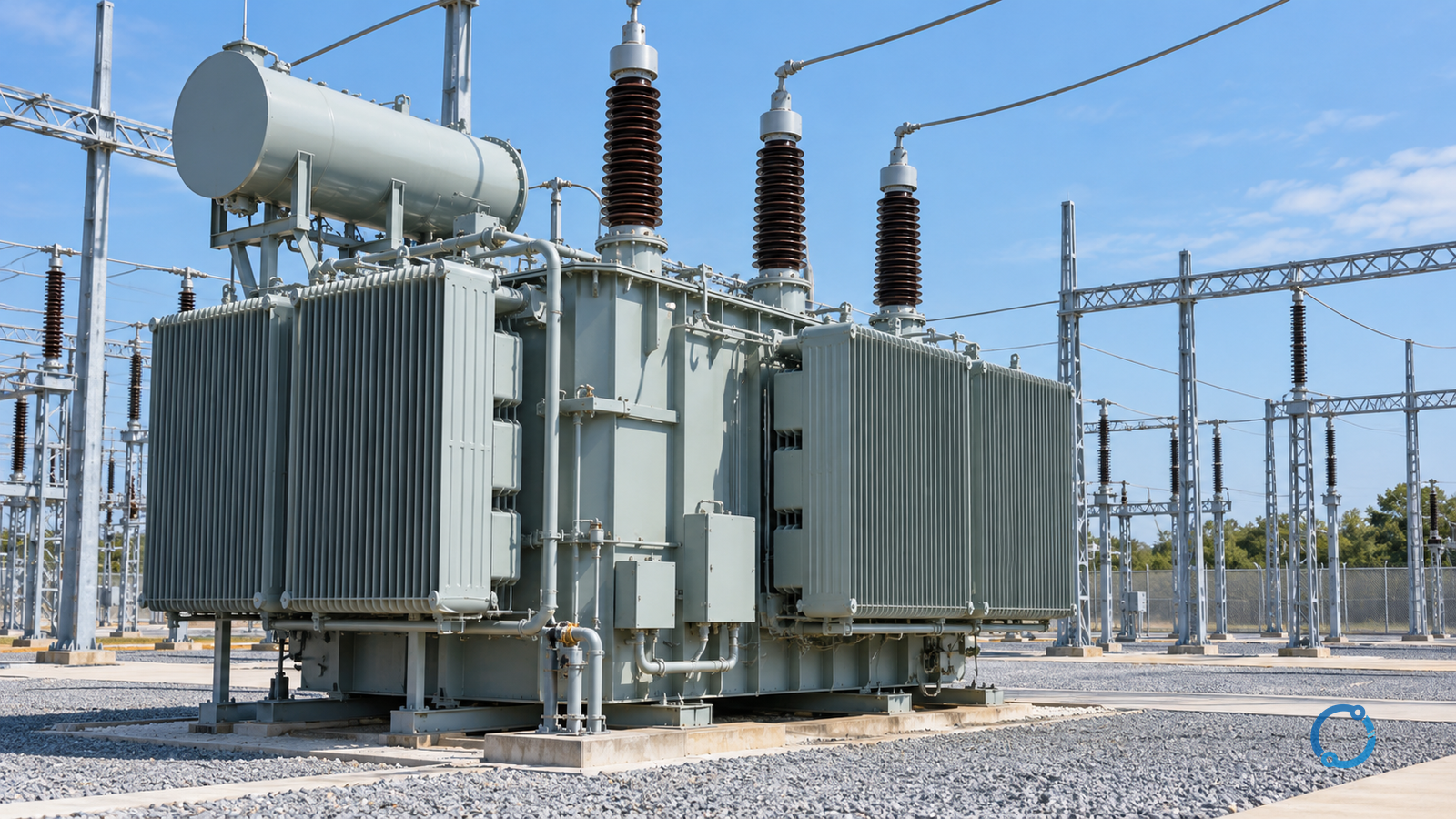
Shunt Reactor Fundamentals: Substation Connections, Switching and Protection
A shunt reactor is connected across an AC power system to absorb inductive reactive power. It can help control voltage when a lightly loaded transmission line, cable, or…
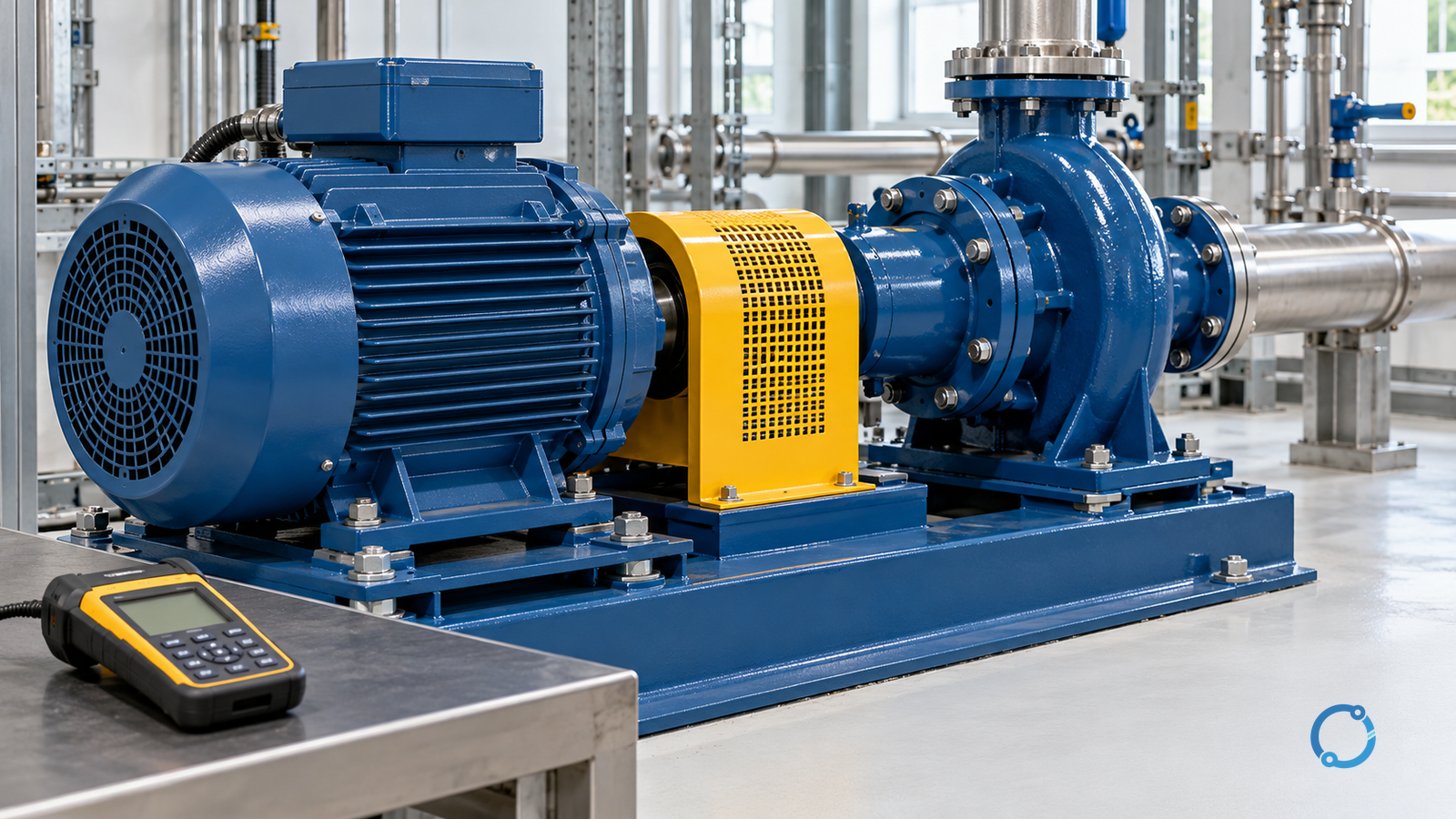
Electric Motor Noise Diagnosis: A Safe Path from Sound to Evidence
An unfamiliar motor noise is a reason to investigate, not proof that a bearing has failed. A fan, coupling, driven machine, loose mounting or electrical operating condition can…
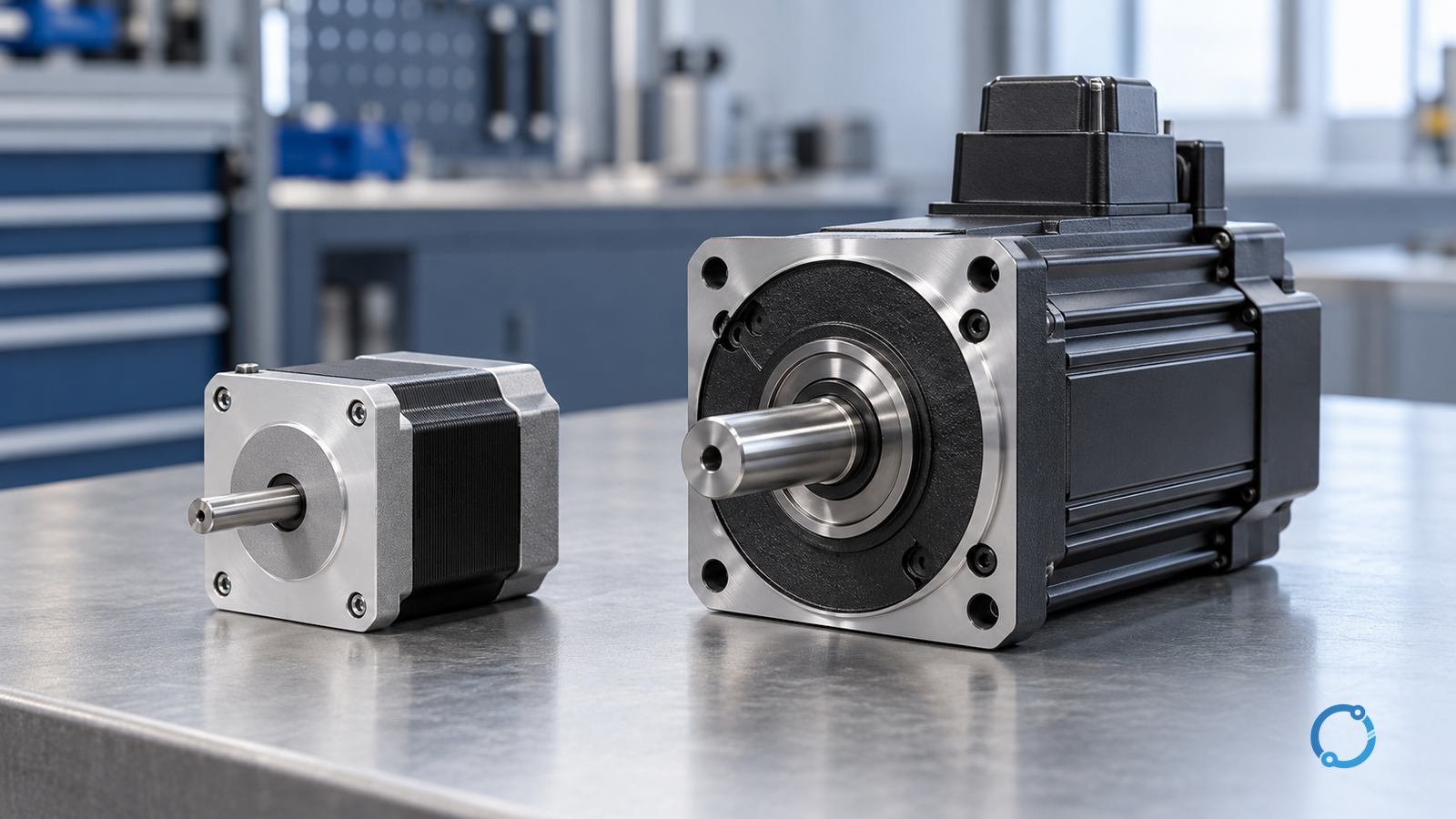
Stepper Motor vs Servo Motor: How to Choose a Motion Axis
Choose a stepper axis when its verified torque-speed curve and thermal duty cover the complete motion profile, and the application can tolerate its chosen position-verification strategy. Consider a…
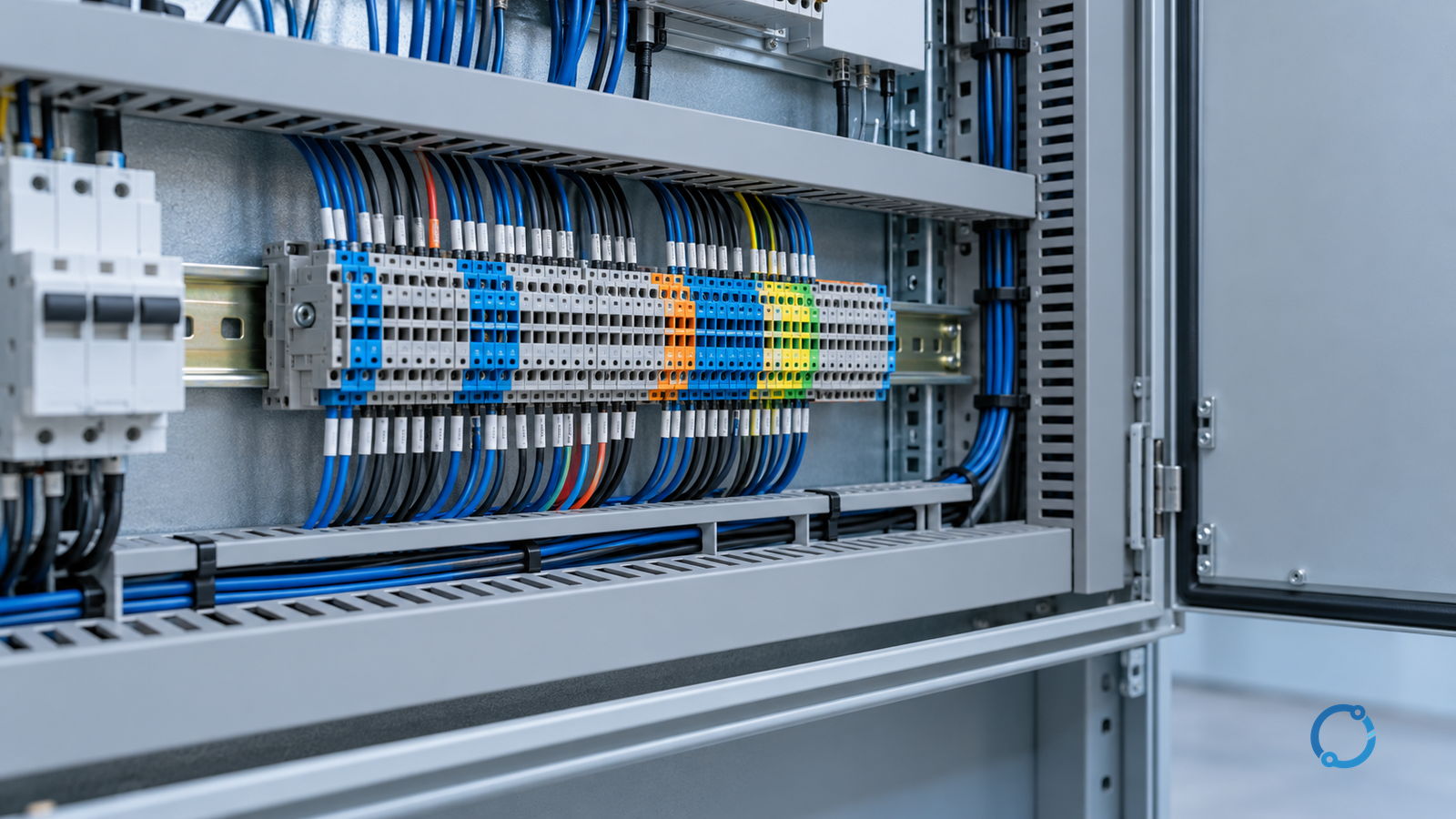
How to Design a Serviceable Terminal Strip Layout
A serviceable terminal strip lets a qualified person identify the right circuit, reach its connection, work on it with the required isolation in place, and restore the correct…
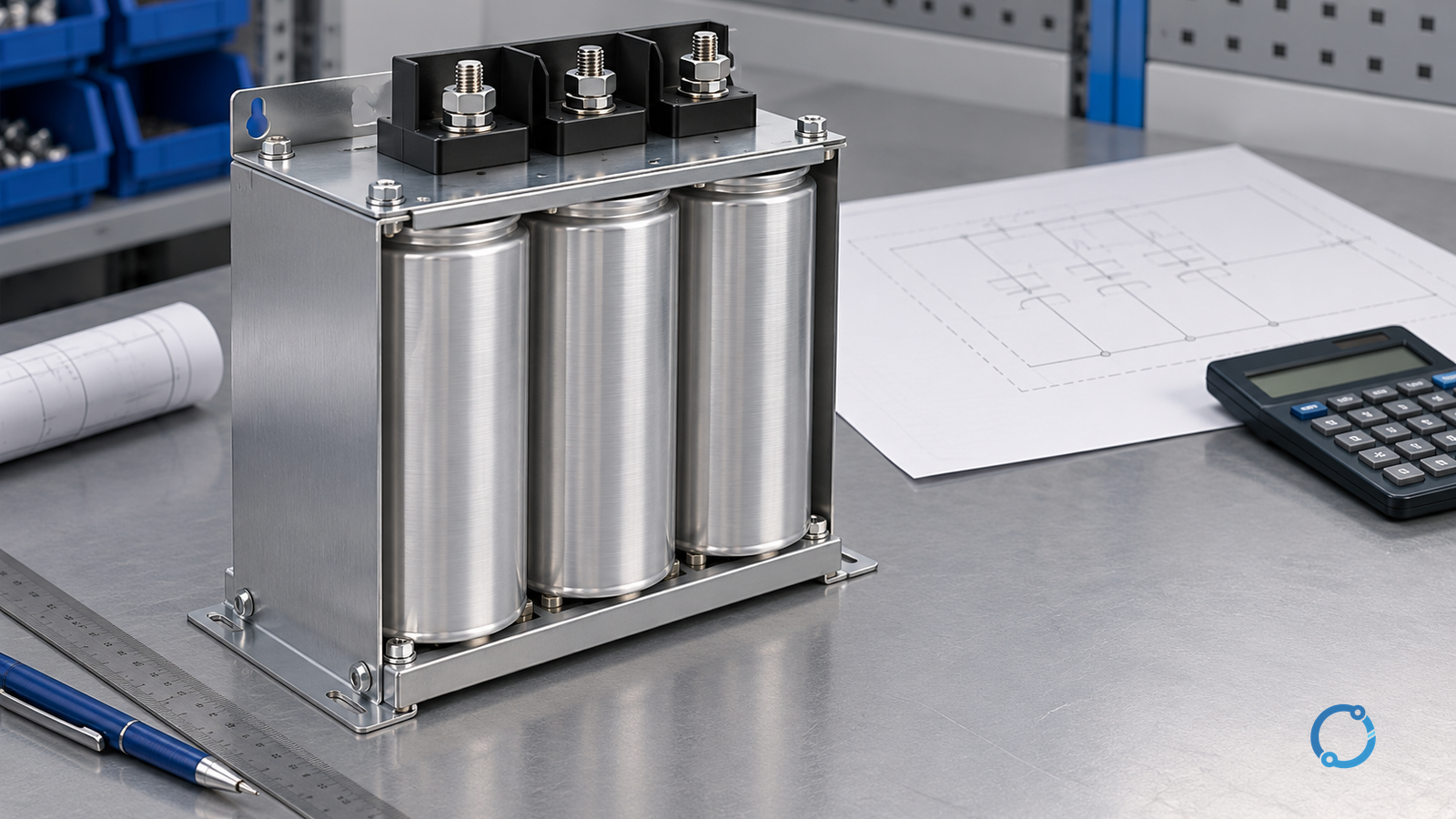
Capacitor Microfarads to kVAR: A Connection-Aware Conversion Guide
Capacitance cannot be converted to kilovolt-amperes reactive (kVAR) on its own. You also need the RMS voltage actually across each capacitor, the supply frequency, and—for three-phase banks—the connection…
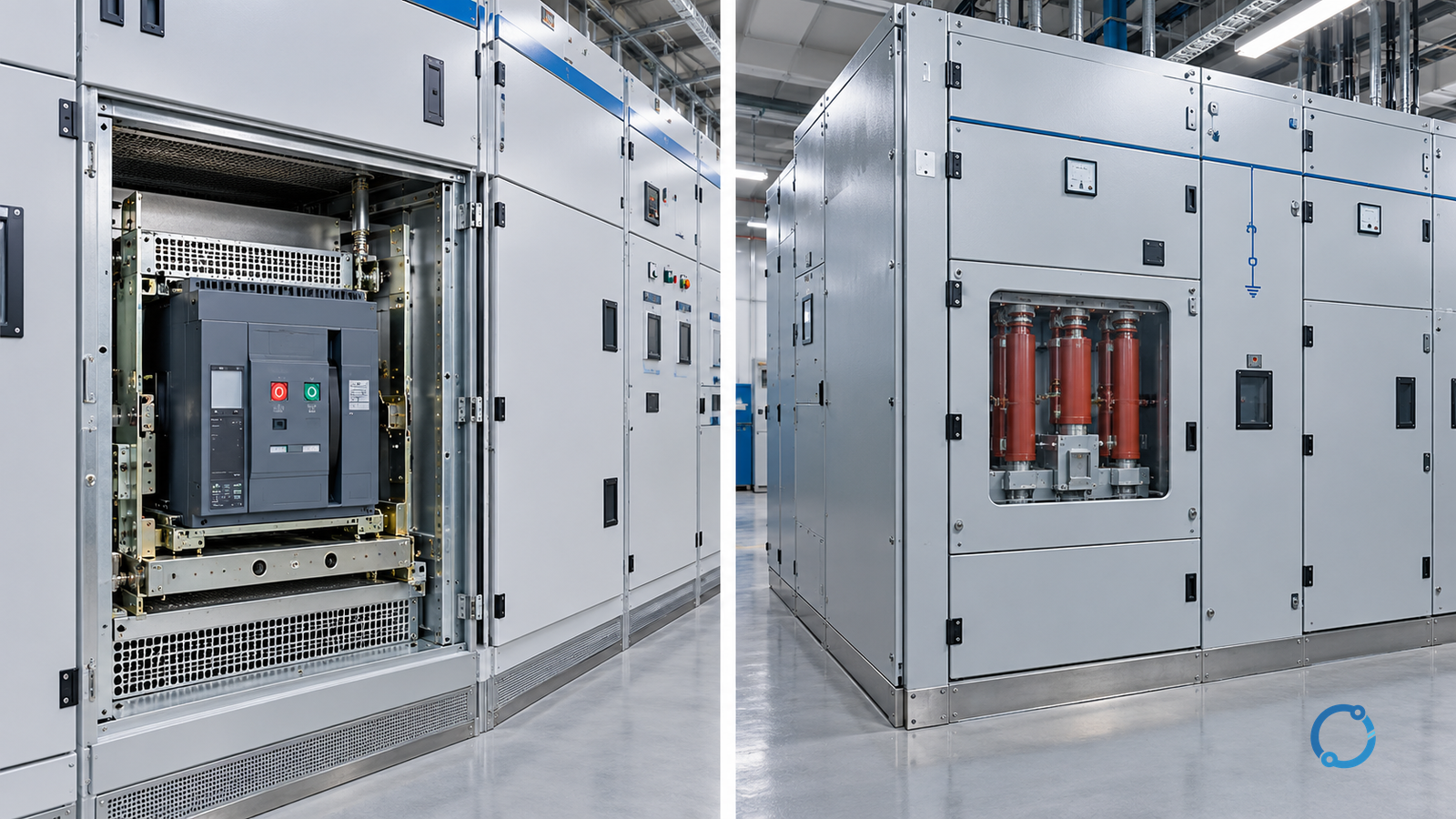
Air Circuit Breaker vs Vacuum Circuit Breaker: Voltage Class, Duty and Selection Boundaries
An air circuit breaker (ACB) and a vacuum circuit breaker (VCB) are not interchangeable options selected by current rating. In the conventional IEC equipment language used here, an…
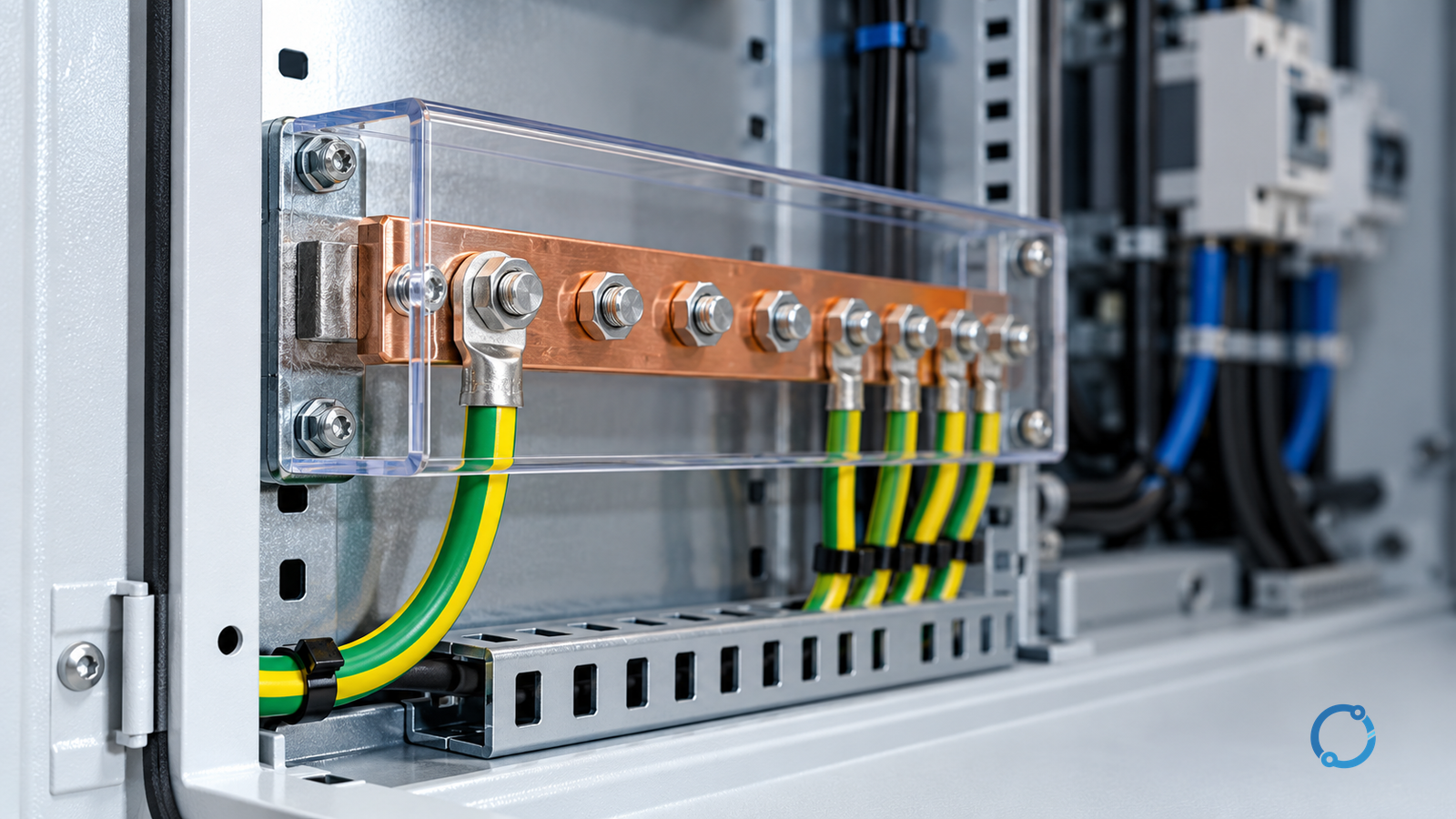
Equipment Grounding Conductor Sizing: A U.S. NEC Verification Workflow
Equipment grounding conductor sizing in the United States is a code-verification task, not a generic wire chart lookup. First identify the conductor’s role and the exact circuit. Then…
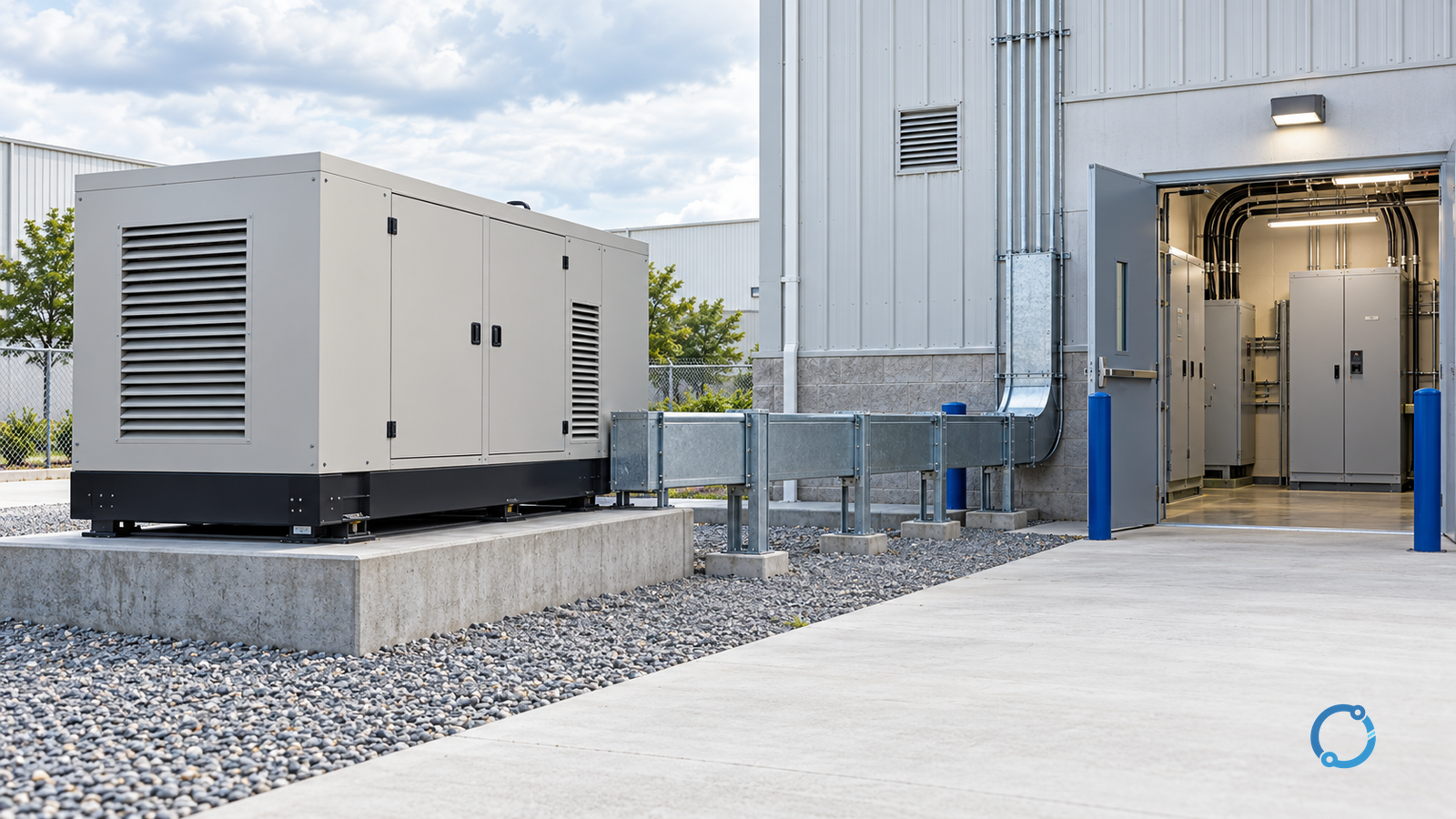
Sizing a Standby Generator: Load Steps, Motor Starting and Source Compatibility
Standby generator sizing starts with an operating sequence, not an arithmetic sum of connected loads. The generating set must carry the steady load that is actually transferred, accept…
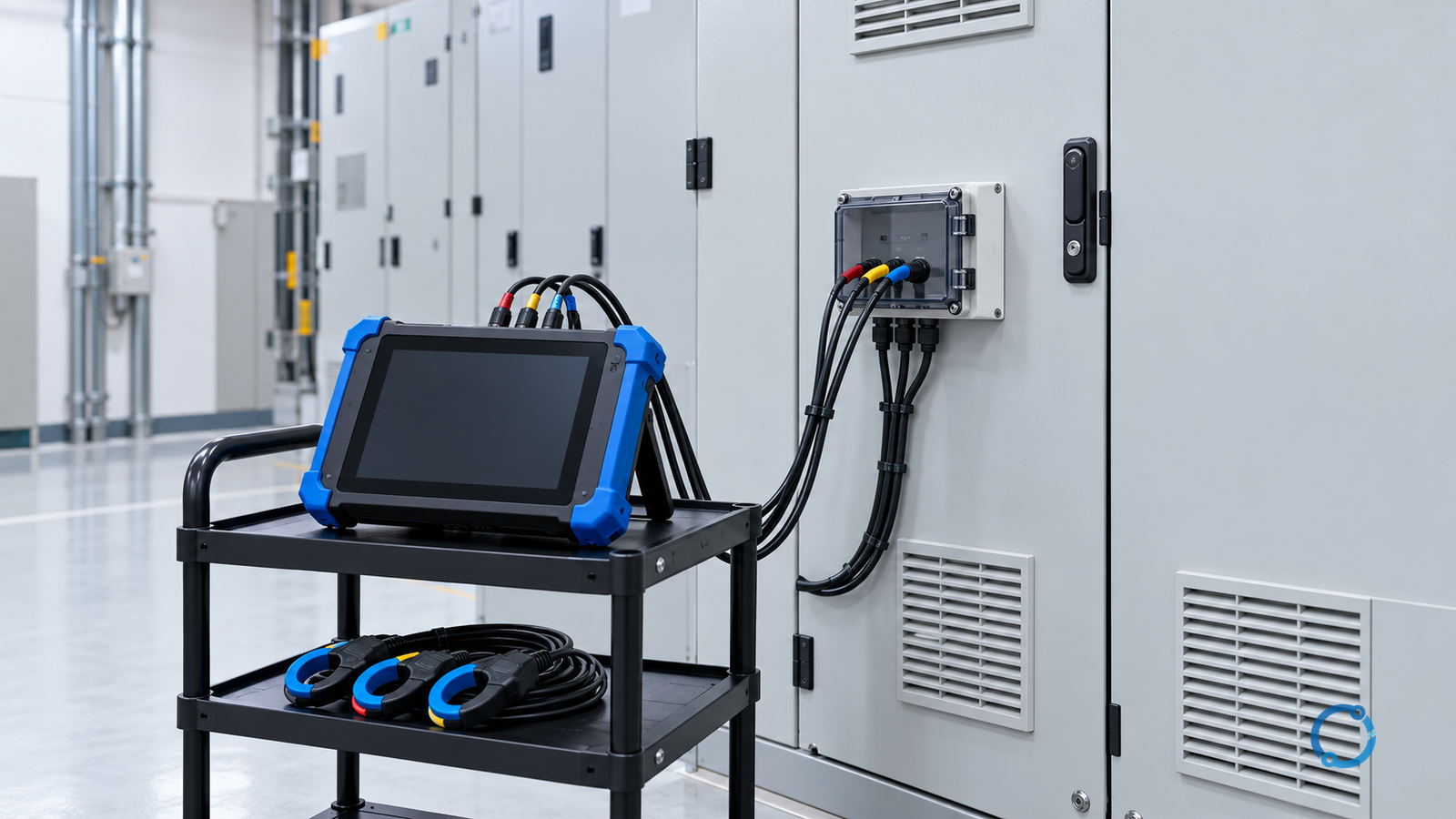
How to Build a Power-Quality Measurement and Monitoring Plan
A power-quality measurement plan is more than a list of meters and channels. It is an evidence design. It begins with the decision that the data must support,…
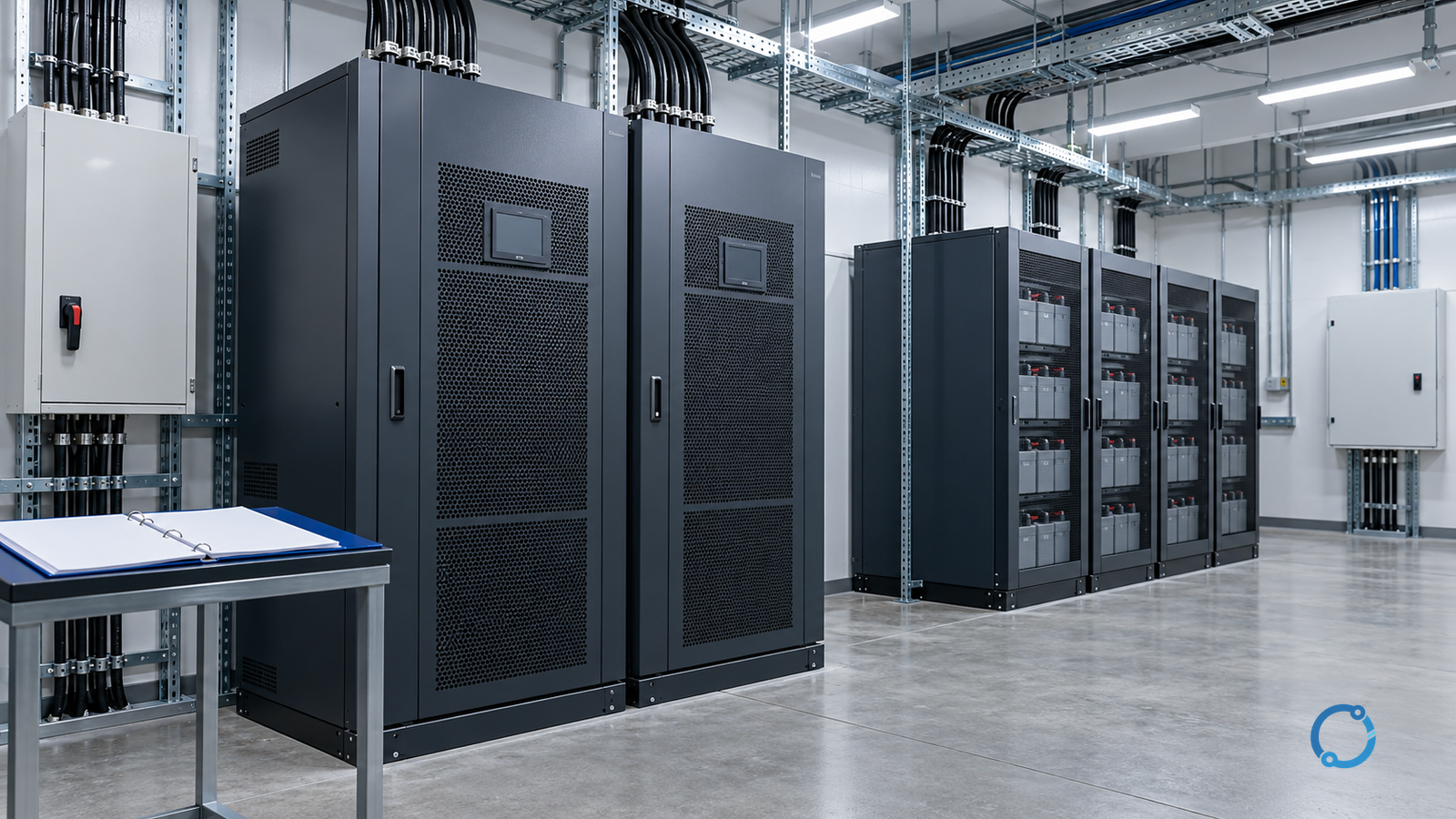
Selecting a UPS System for Critical Power Applications
An uninterruptible power system is selected by the function that must remain available, not by a single kilovolt-ampere target. The protected equipment, duration of a process, allowable transfer…