
Featured Guide
Latest by date

Protection & Control
Category articles
Relay protection, coordination, trip circuits, interlocks and supervisory control. Explore how faults are detected, isolated and communicated across electrical systems. For protective-device selection see Protection & Safety; for work practices and regulatory scope see Safety & Standards.
-
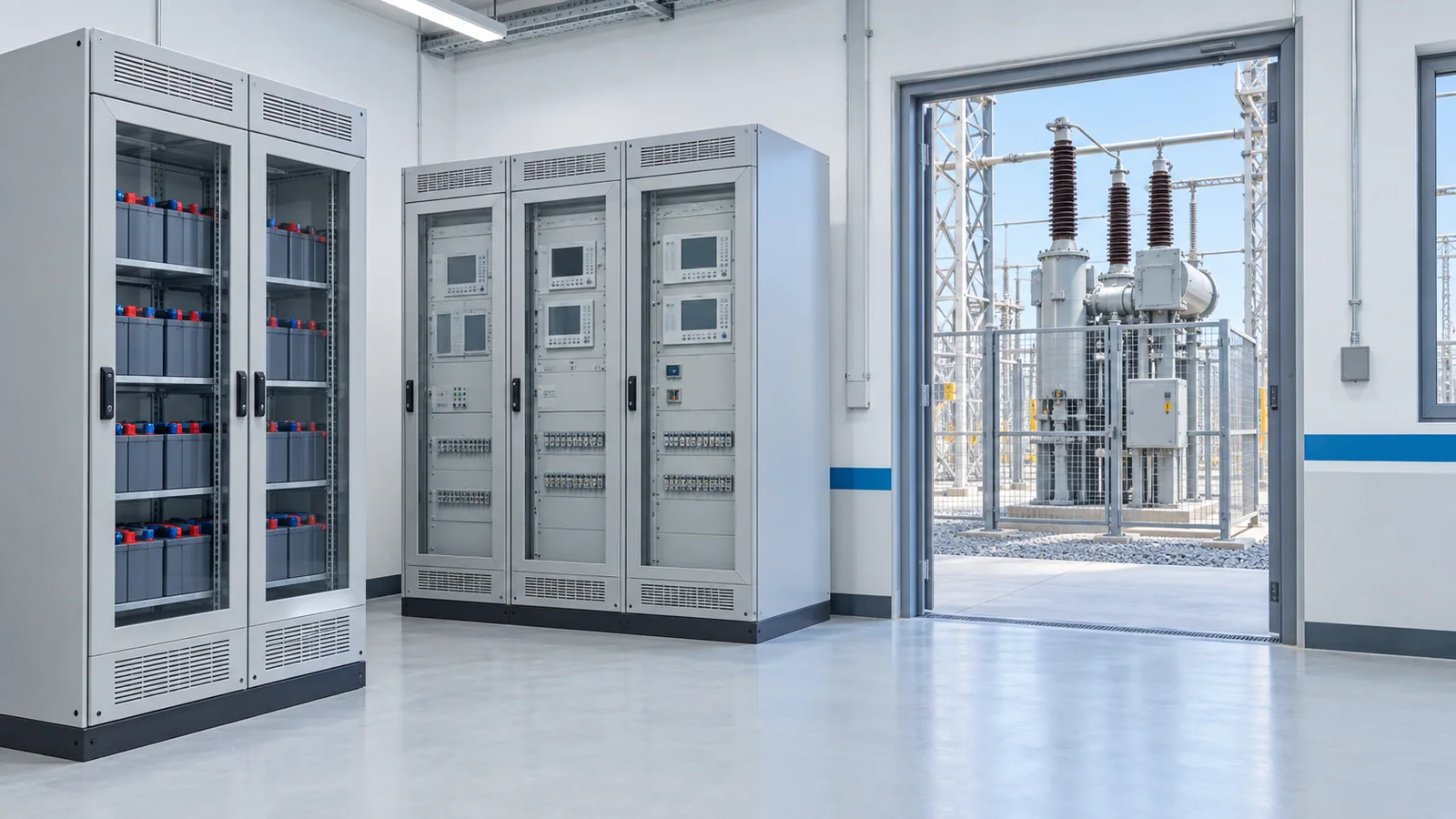
Substation Trip Circuit Design: A Practical Verification Checklist
A breaker trip circuit is successful only if a protection decision reaches the correct trip coil with enough energy under the least favorable credible control-power condition, and the…
-
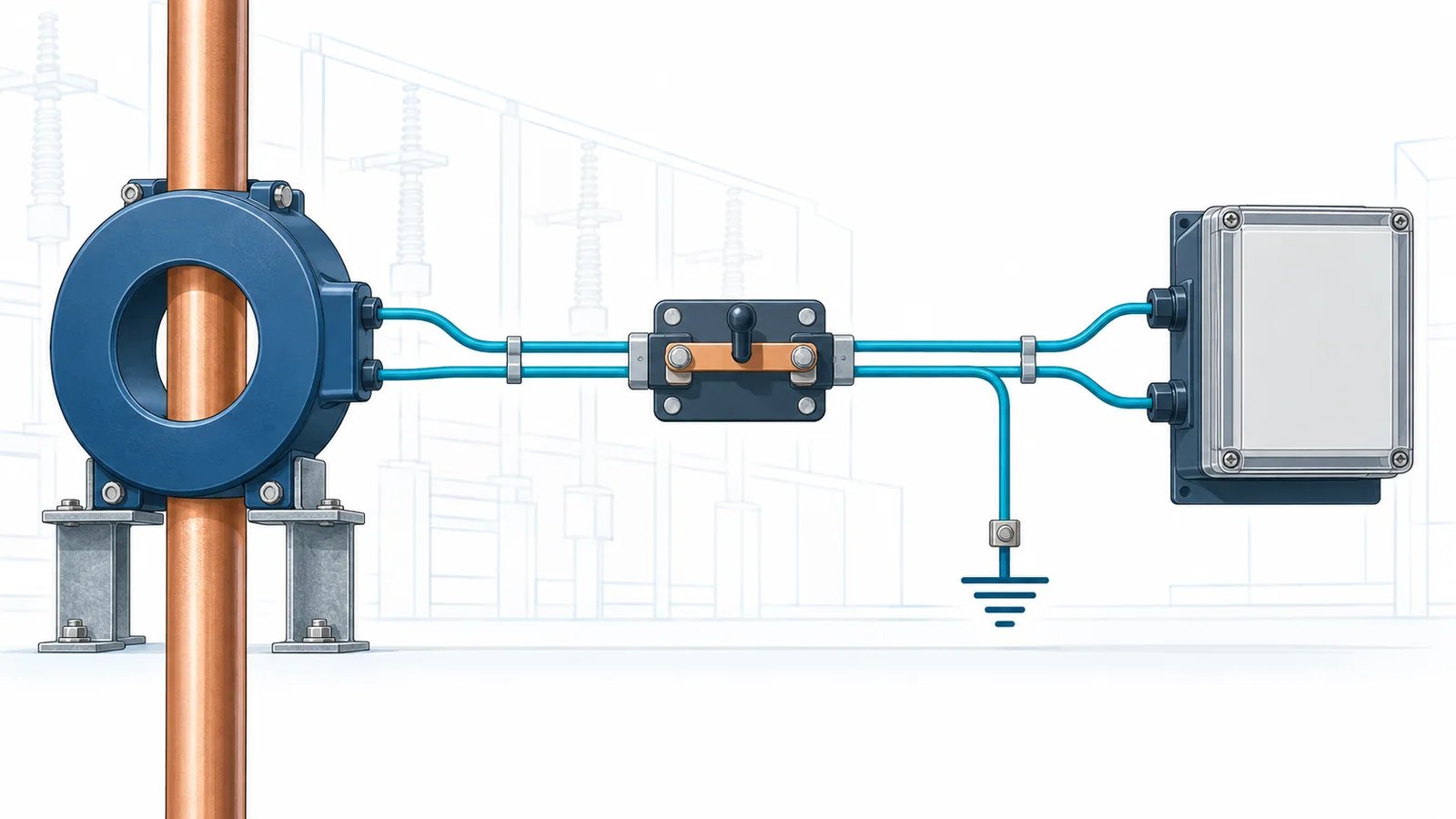
Current Transformer Installation, Earthing, and Testing: A Safe Workflow
Before commissioning an inductive current transformer (CT), de-energize and secure the primary circuit, keep every unused or incomplete secondary shorted, install one designated secondary grounding point, verify nameplate/ratio/polarity…
-
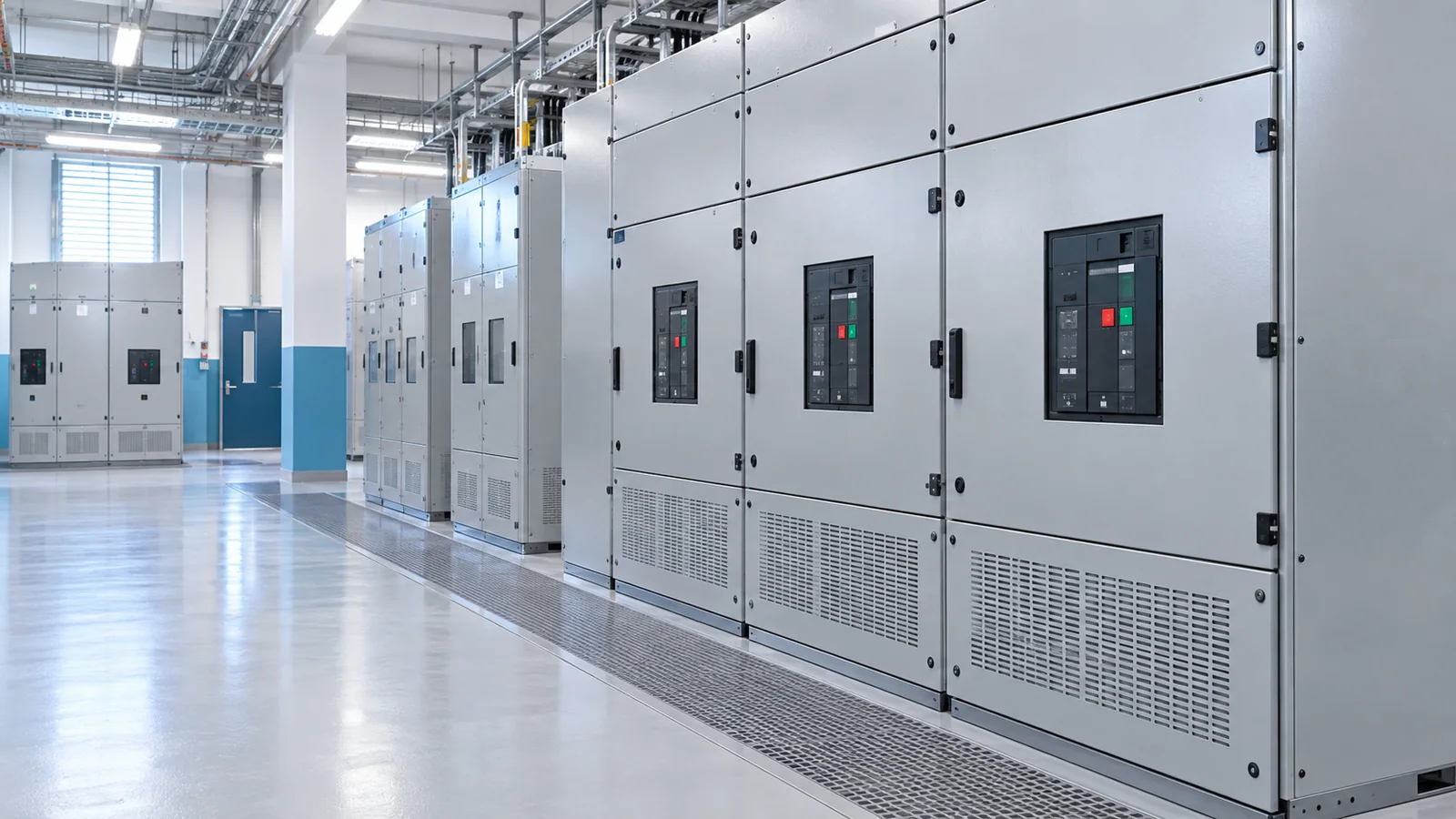
Substation Breaker Trip Troubleshooting: Reconstruct the Event Before Reclosing
When a substation circuit breaker trips unexpectedly, first establish what ordered it to open and whether it actually interrupted current. Do not treat every open breaker as a…
-
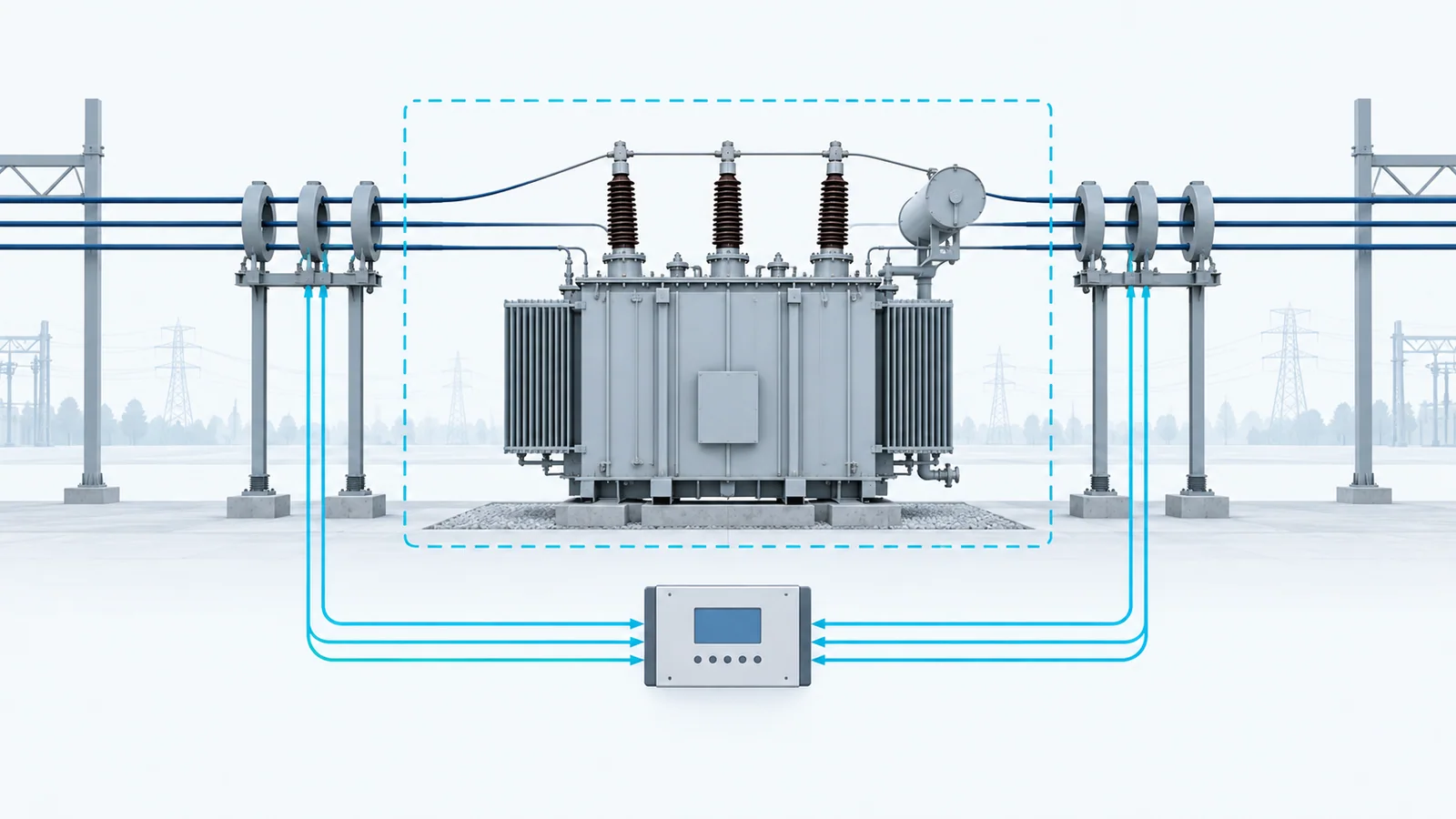
Transformer Differential Relay Settings: A Calculation Workflow
Correct transformer differential settings start by referring every winding current to a common relay base. Calculate winding full-load current, apply actual current-transformer (CT) ratios and relay connection factors,…
-
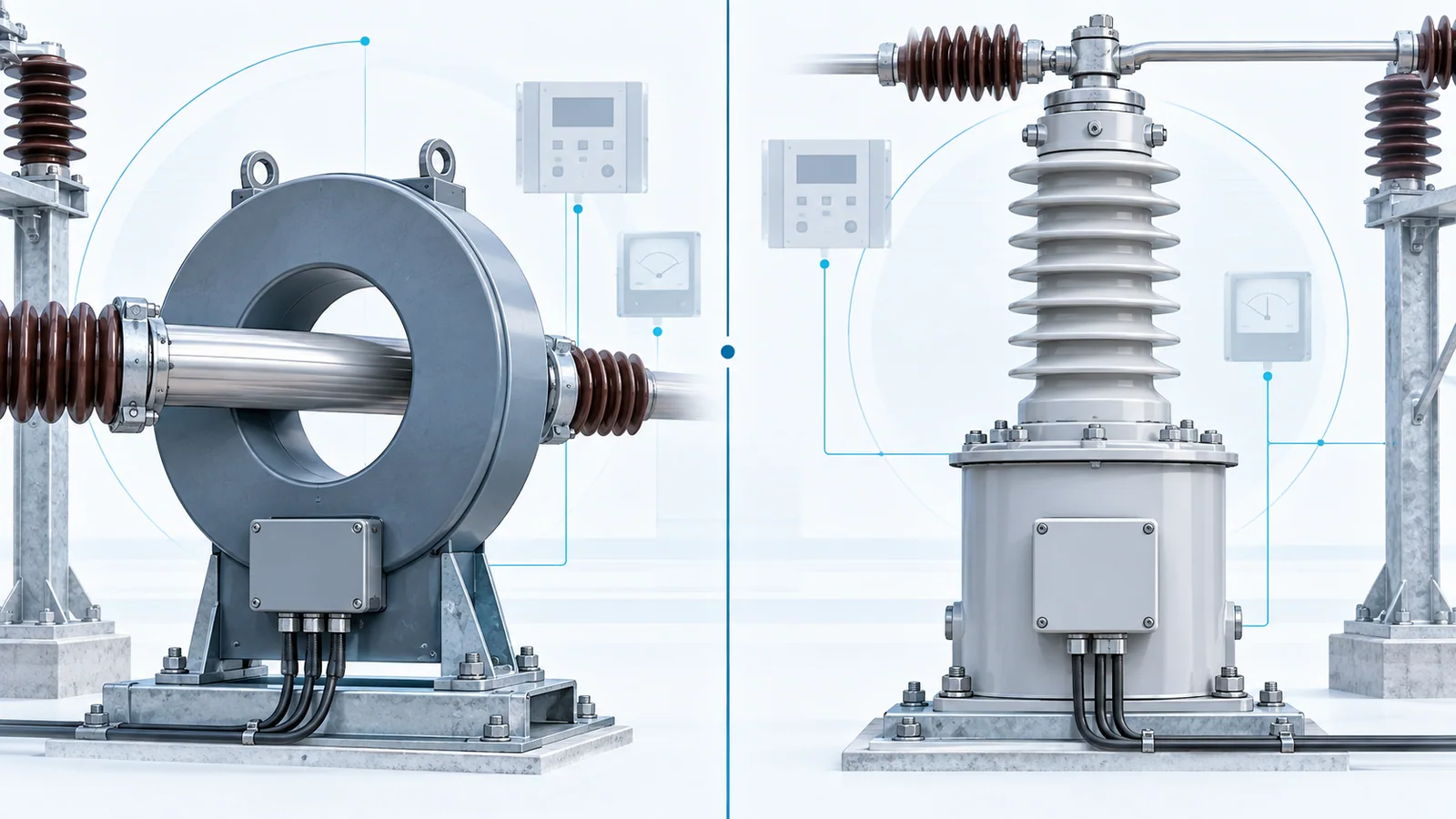
CT and VT Selection Best Practices
Current transformer (CT) and voltage transformer (VT) selection begins with the connected function: revenue metering, indication, protection, control, disturbance recording, or a combination. From there, match system voltage…