
Electrical Engineering Guides
-
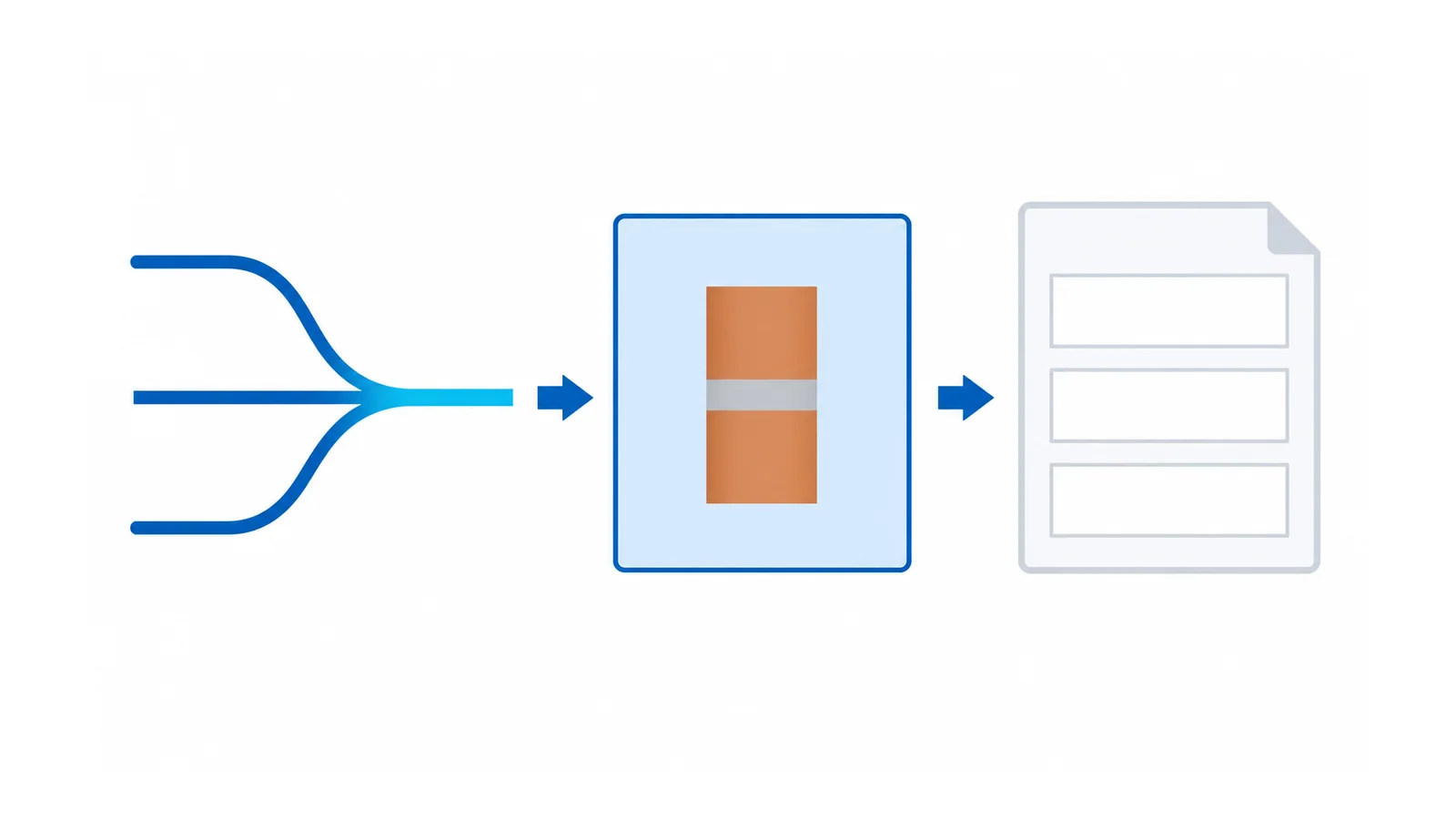
Terminal Block Current Rating vs. Actual Load: A Verification Worksheet
A terminal block’s current rating is usable only with its declared conditions. To accept an actual load, match the conductor and preparation, operating duty, local temperature, arrangement and…
-
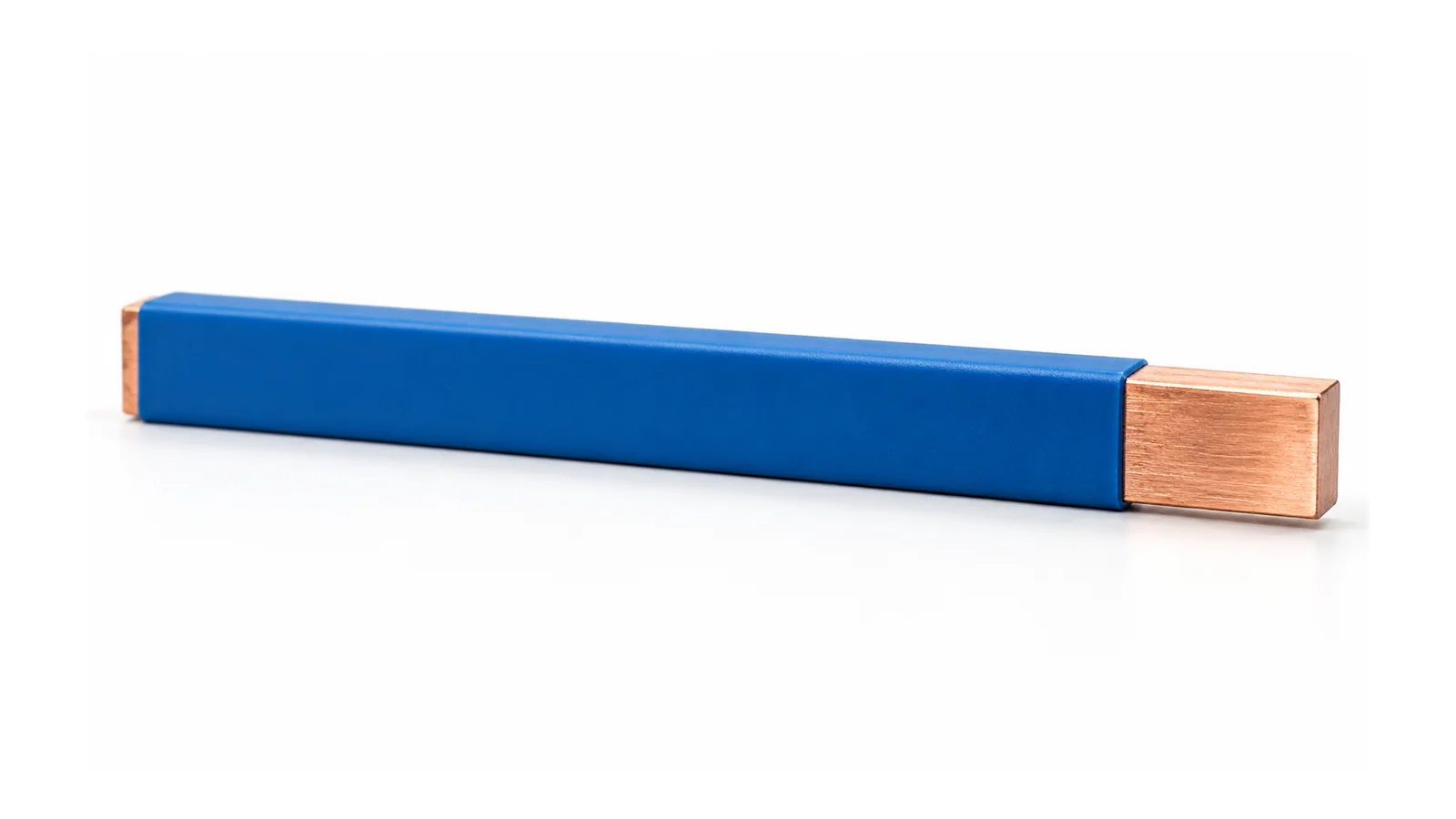
Busbar Insulation Types: Heat-Shrink, Epoxy Coating and Molded Systems
Choose busbar insulation by the surfaces it must cover, the connections that must remain usable, and the evidence for the finished assembly. Heat-shrink sleeves, epoxy coatings and molded…
-
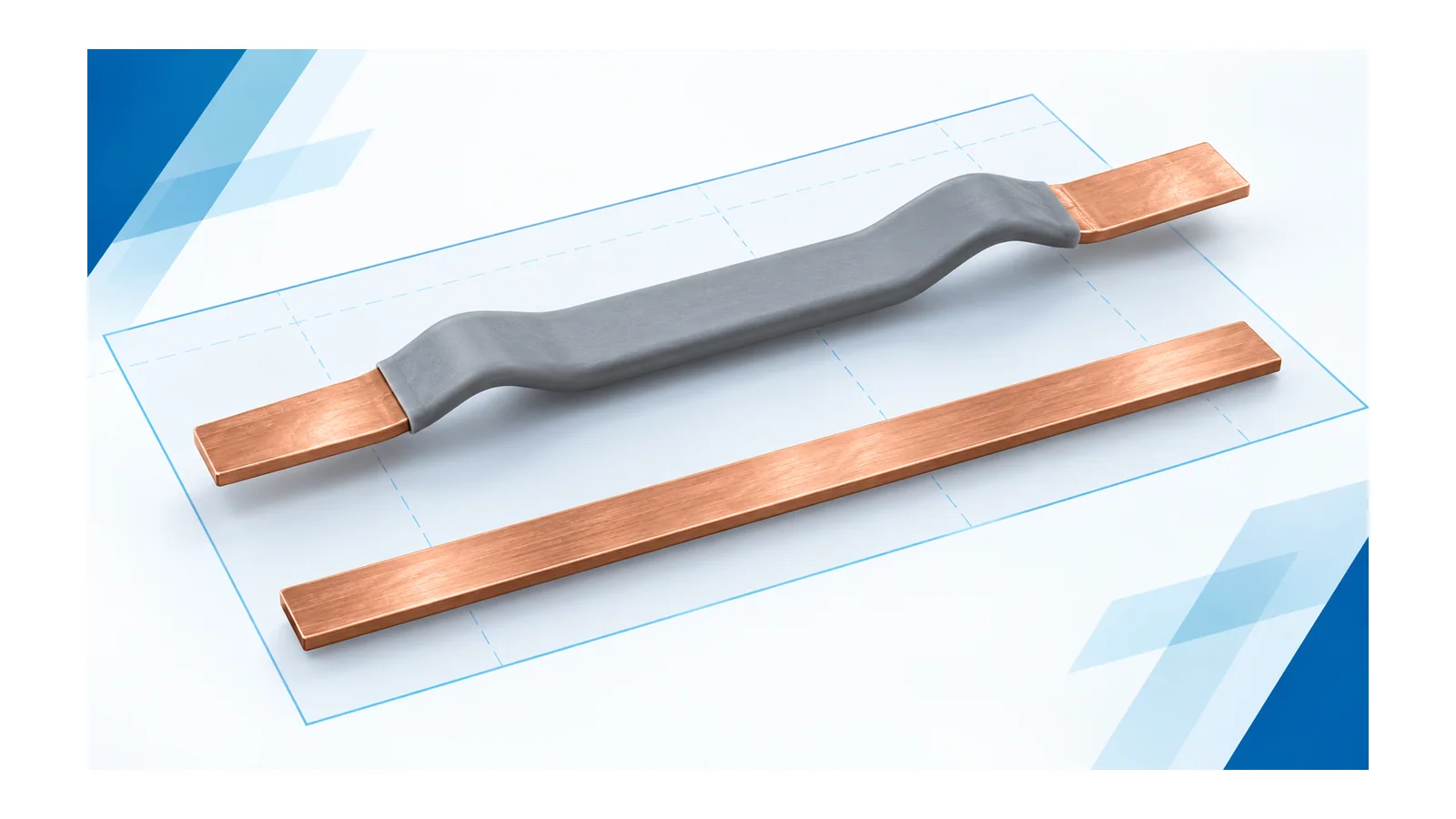
Flexible Insulated vs. Bare Copper Busbars: A Panel Design Comparison
A flexible insulated link can be useful for an offset connection; a rigid bare copper rail can suit a stable distribution backbone. Neither is automatically the smaller, cooler…
-
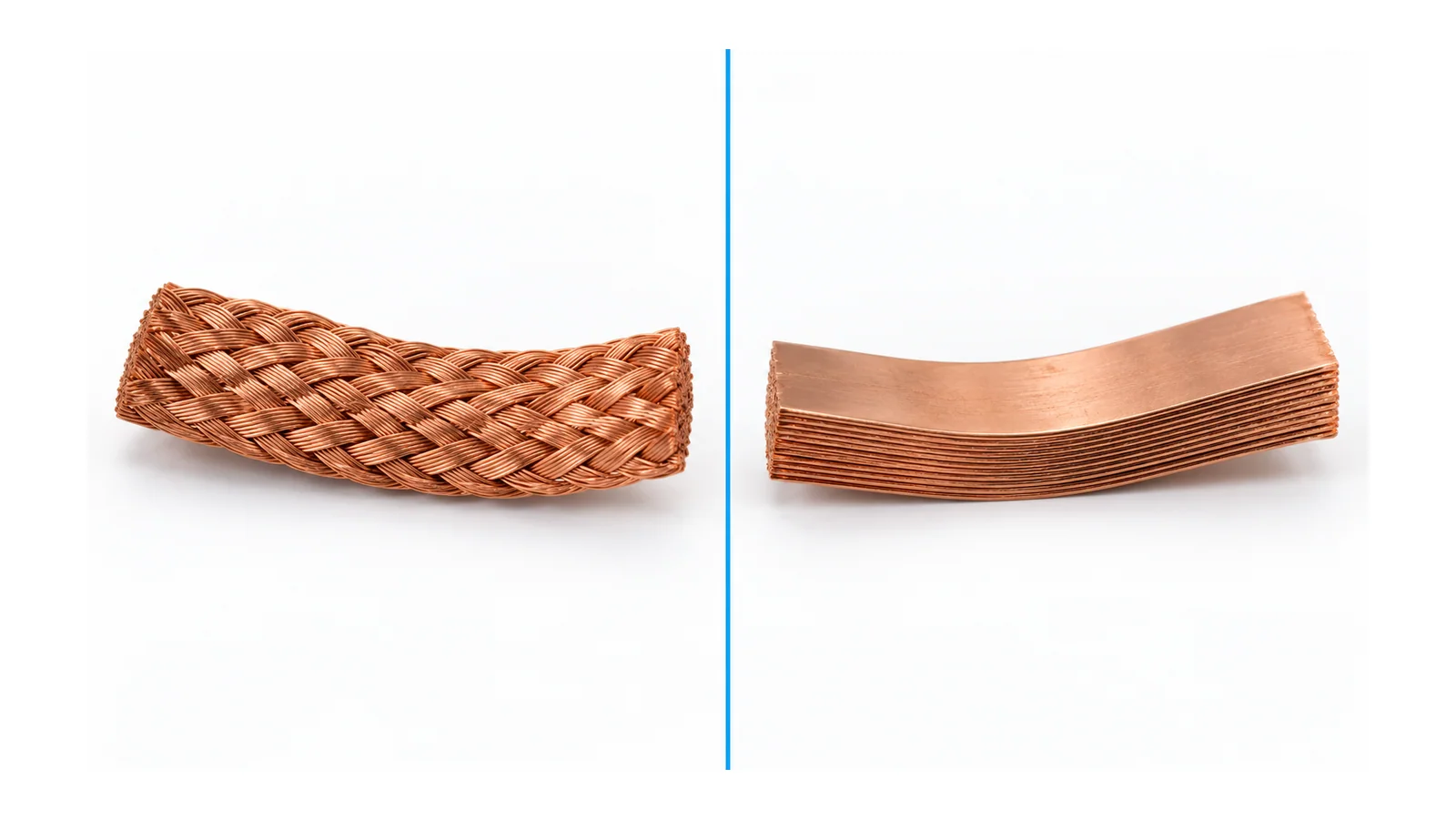
Braided vs. Laminated Copper Busbars: Choosing Flexible Links
Choose between copper braid and a flexible copper-foil stack by the movement envelope, actual conducting section and end connections, then verify thermal and fault-duty performance in the intended…
-
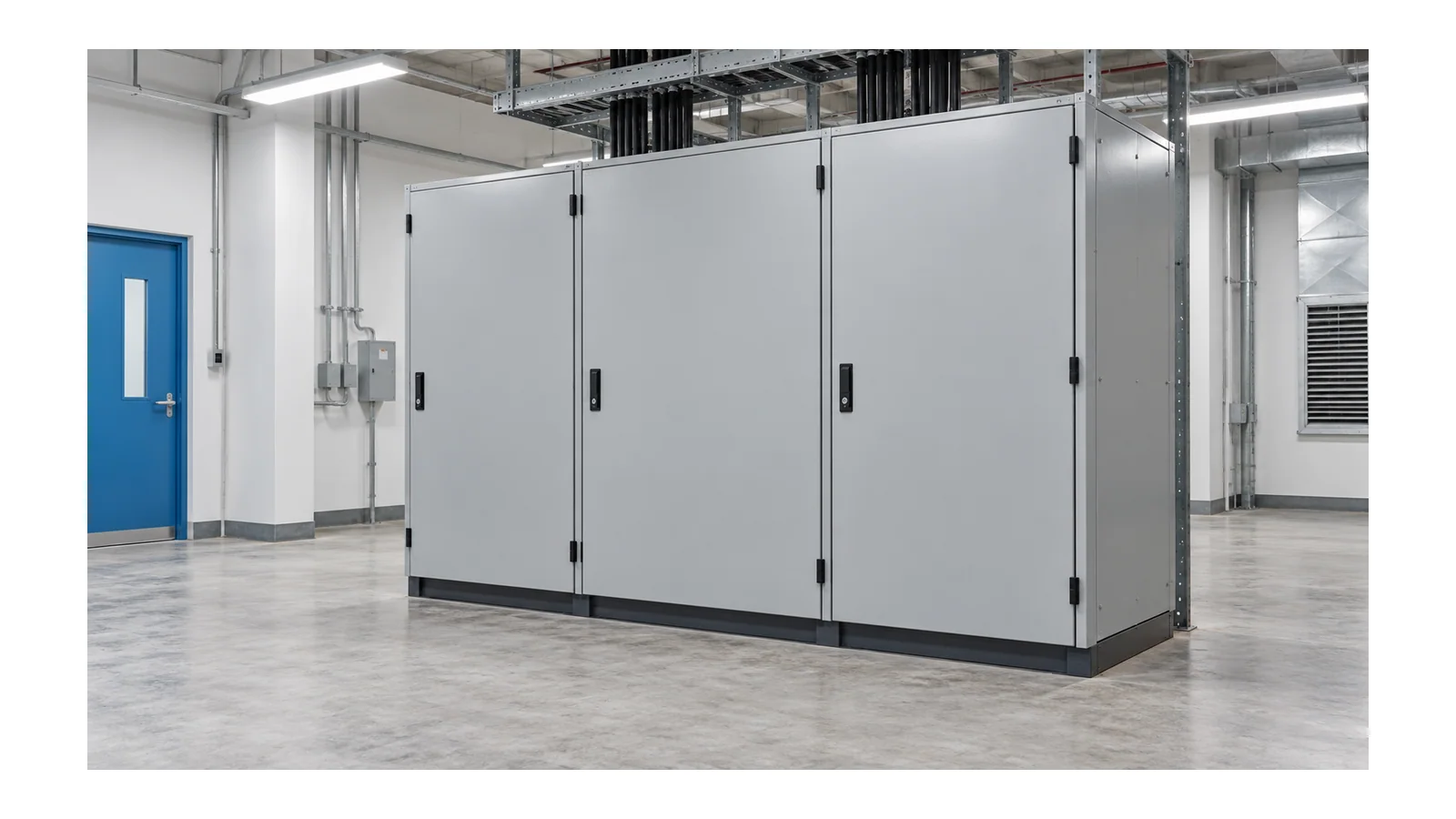
LV Switchgear Operating Temperature: Causes and Diagnostic Checks
High low-voltage (LV) switchgear temperature can come from more internal losses, less heat removal, a hotter surrounding environment, or a localized resistive connection. Diagnose which changed before choosing…
-
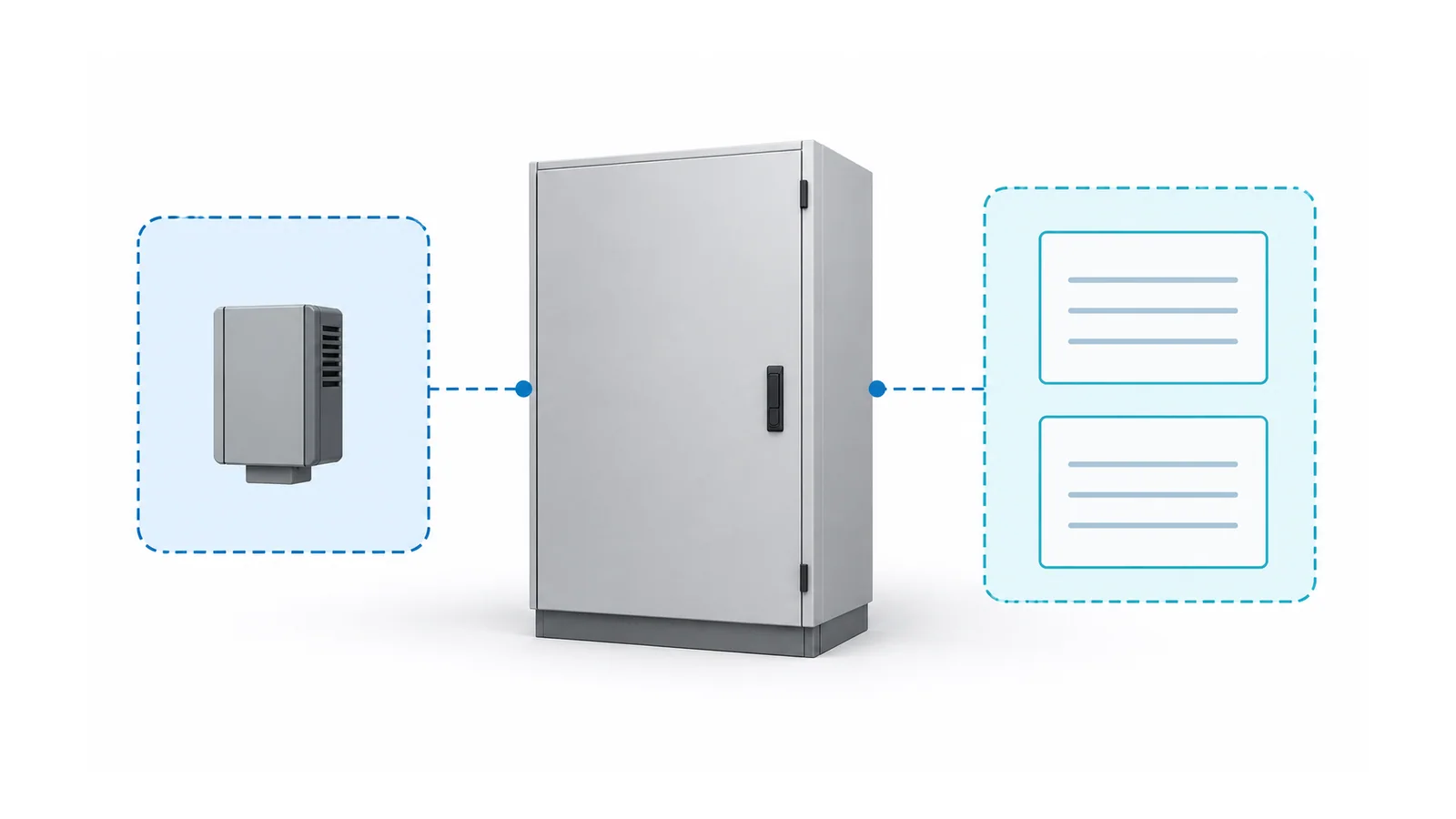
Intelligent Breakers and Switchgear: A Specification and Acceptance Checklist
Specify intelligent breakers and switchgear by electrical duty first, then by demonstrable digital functions. For each measurement, alarm or command, define the operating purpose, required data, failure behavior…
-
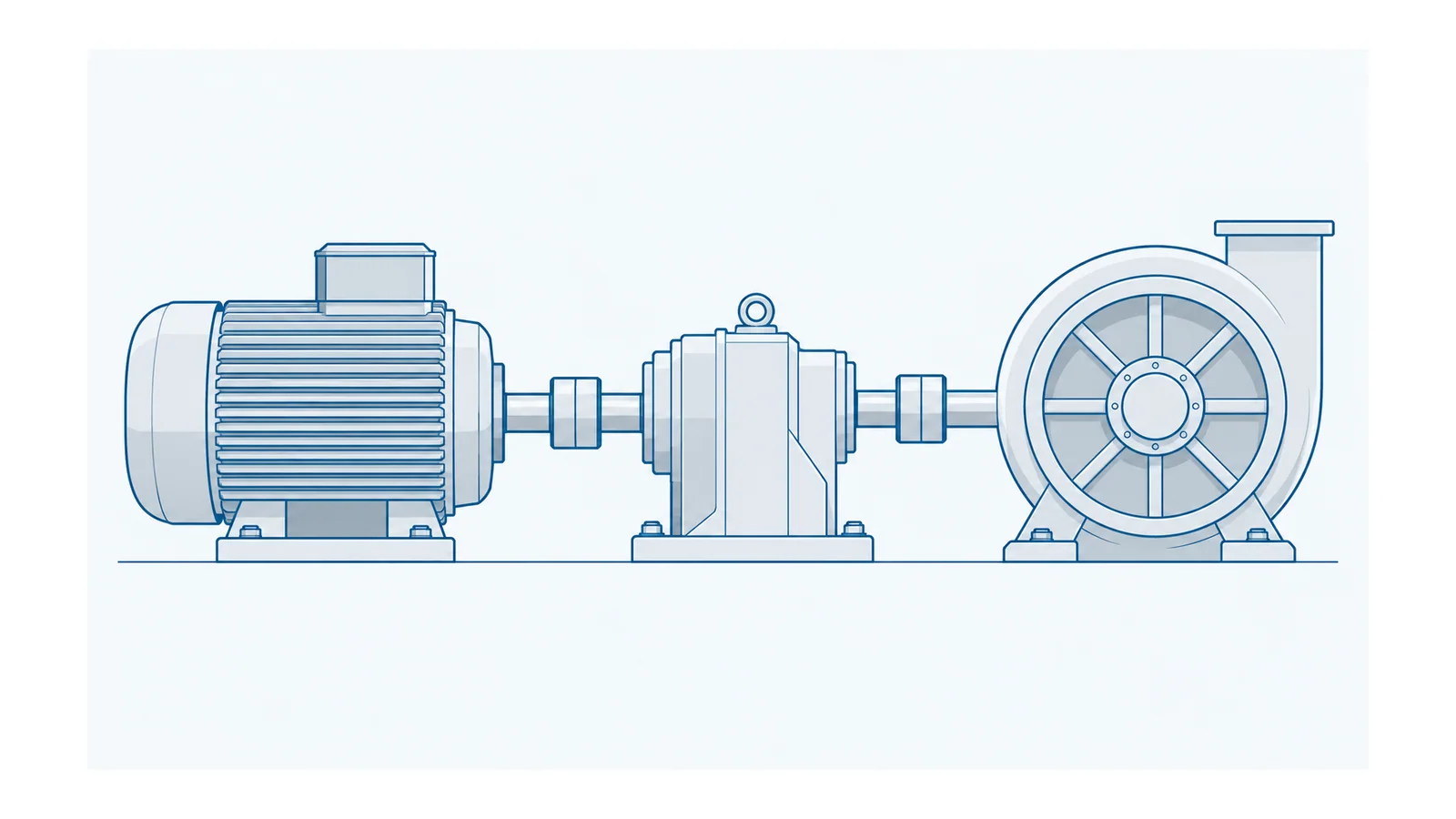
Motor and VFD Sizing for Machine Loads: Torque, Inertia and Duty
Size the motor from the machine’s required shaft torque and speed over time, then check the variable-frequency drive (VFD) against the motor’s required current and overload duration. Matching…
-
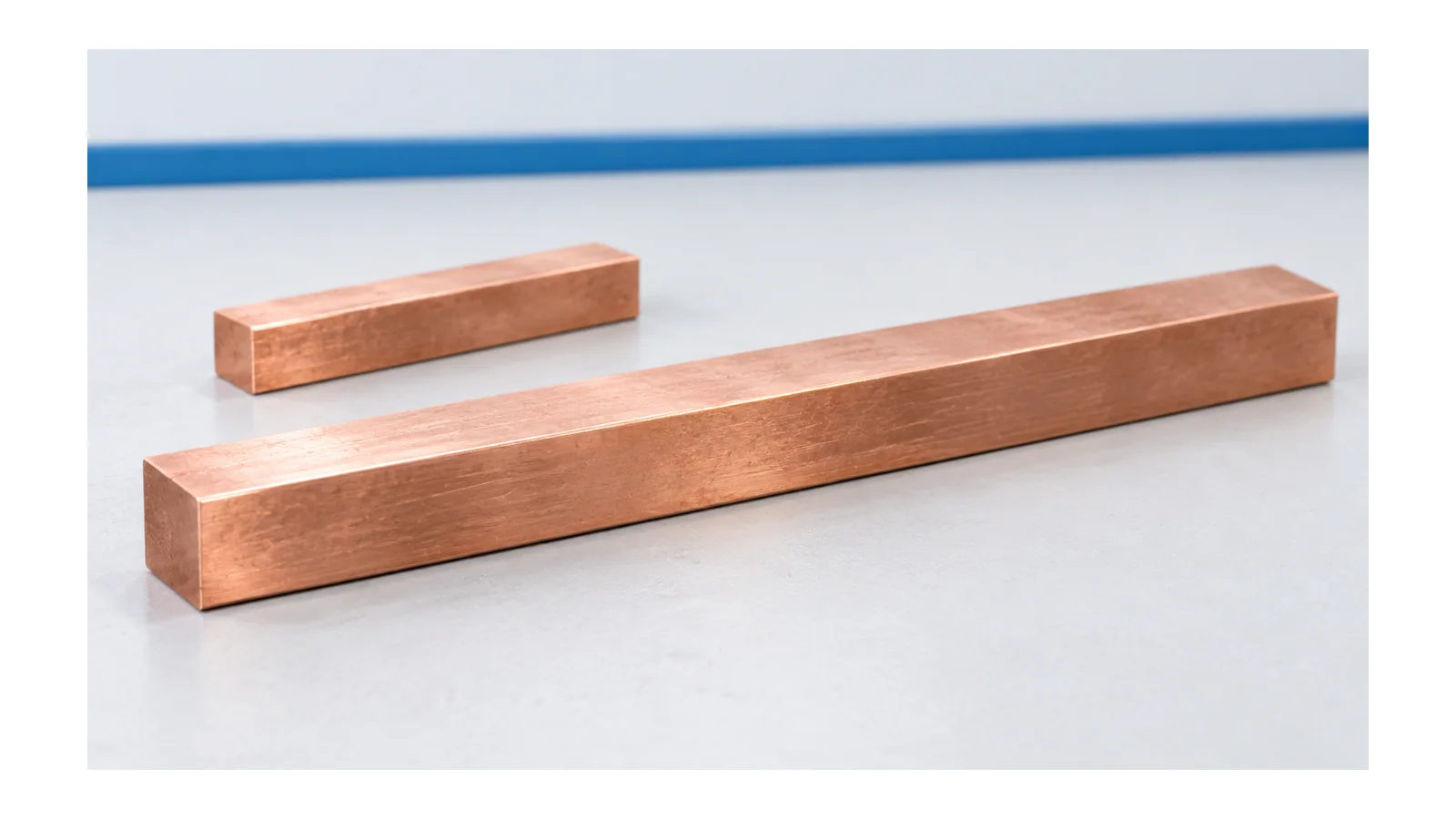
Copper Busbar Sizing for ESS Battery Cabinets
Size a stationary energy storage system (ESS) cabinet’s copper busbars from the maximum permitted direct-current (DC) duty across the operating voltage range, charge/discharge states and battery-branch availability. Then…
-
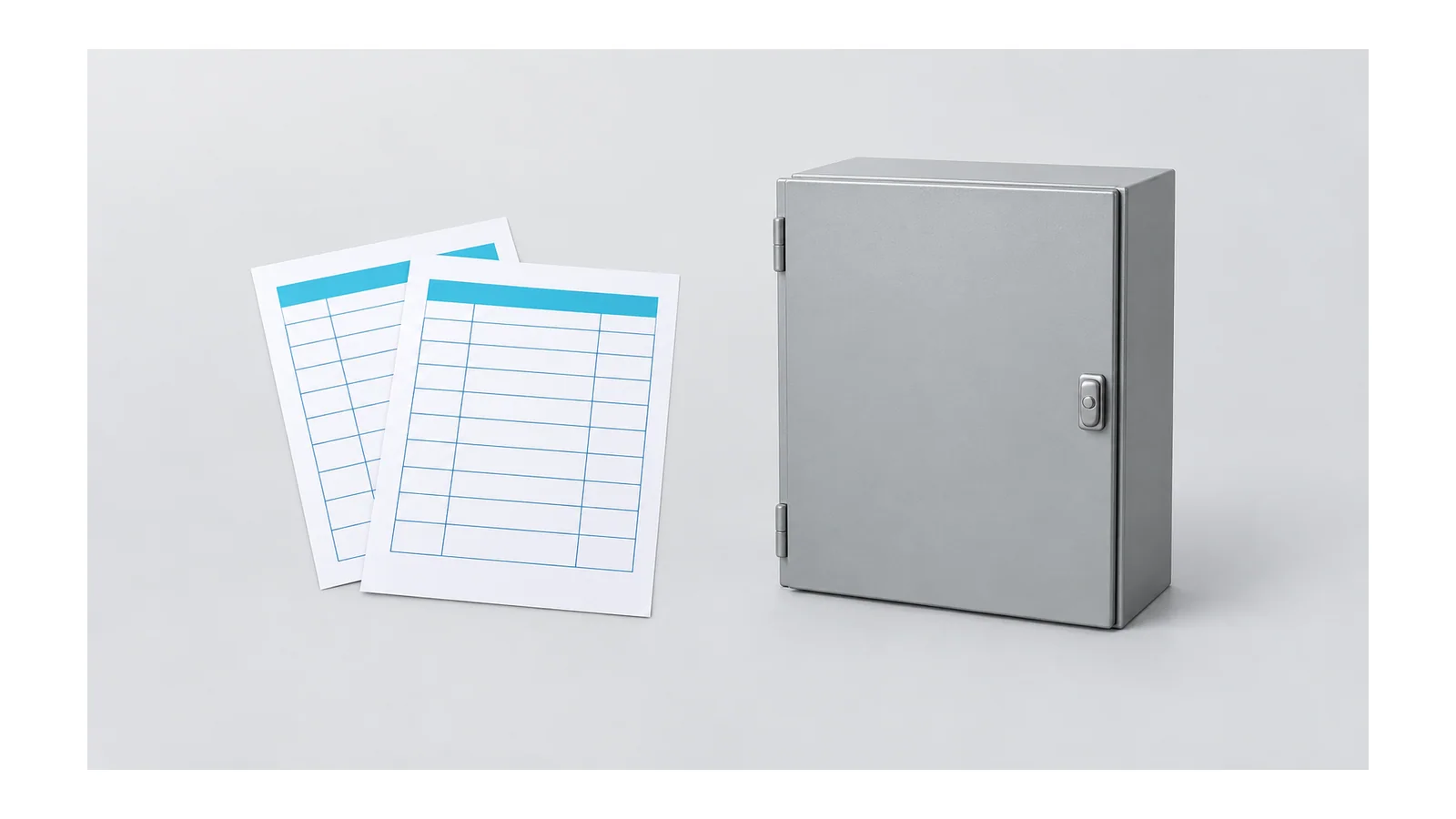
Arc-Flash Labels and Operating Modes: A Configuration-Check Workflow
An arc-flash label is useful only when its information applies to the equipment and operating conditions under review. Trace it to the equipment identity, study revision, credible supply…
-
Arc-Flash Risk Reduction: Maintenance, Mitigation and Containment
An effective arc-flash control plan separates three functions: preventing an initiating fault, reducing a person’s exposure or the fault’s duration, and limiting the consequences of an internal arc.…