

Electrical Engineering Guides
-
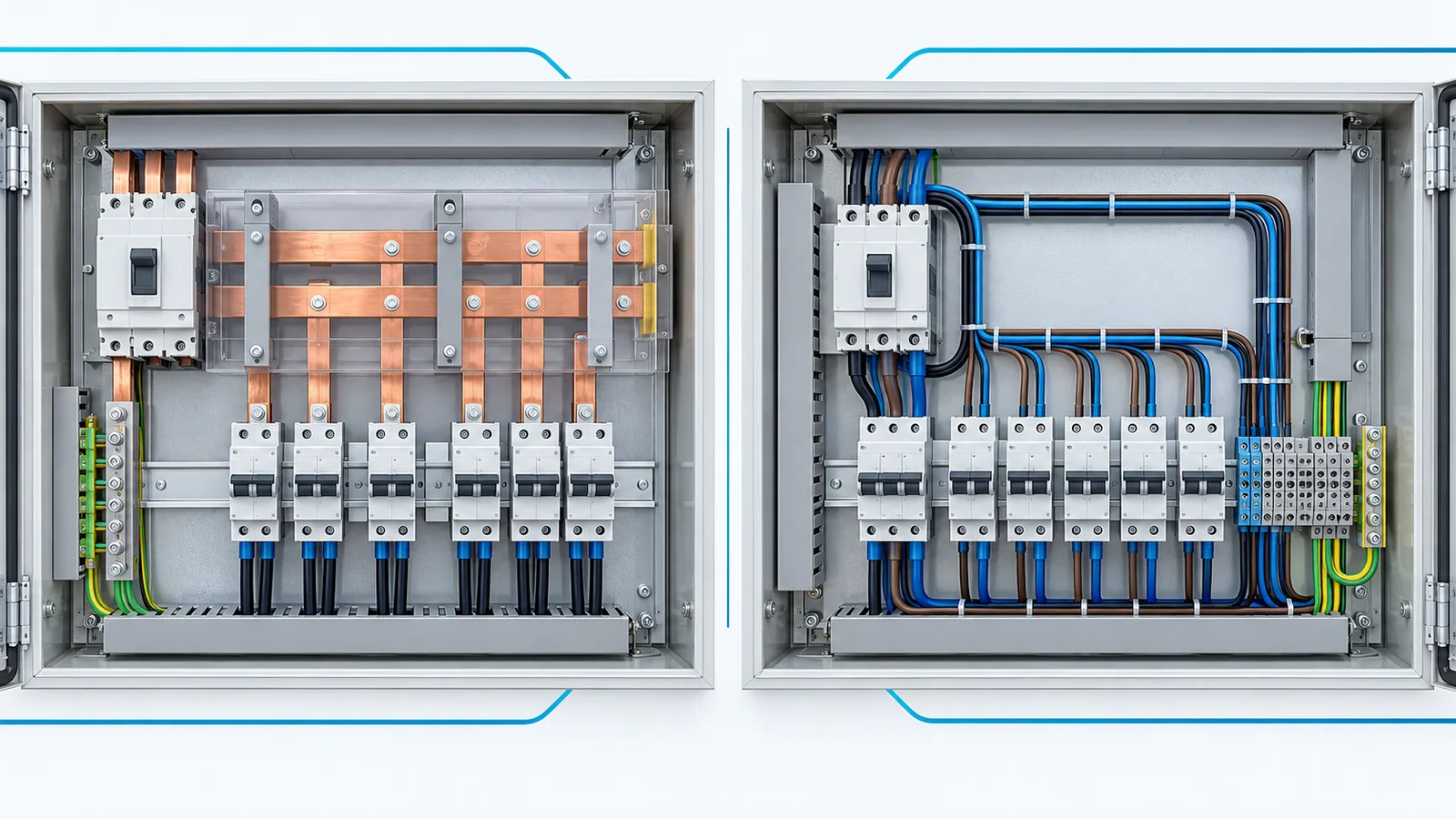
Busbar vs. Terminal-Block-and-Cable Wiring in Control Panels
An engineered busbar system is often attractive when a low-voltage panel distributes substantial current to repeated devices in a compact, stable layout. Discrete cable and terminal blocks usually…
-
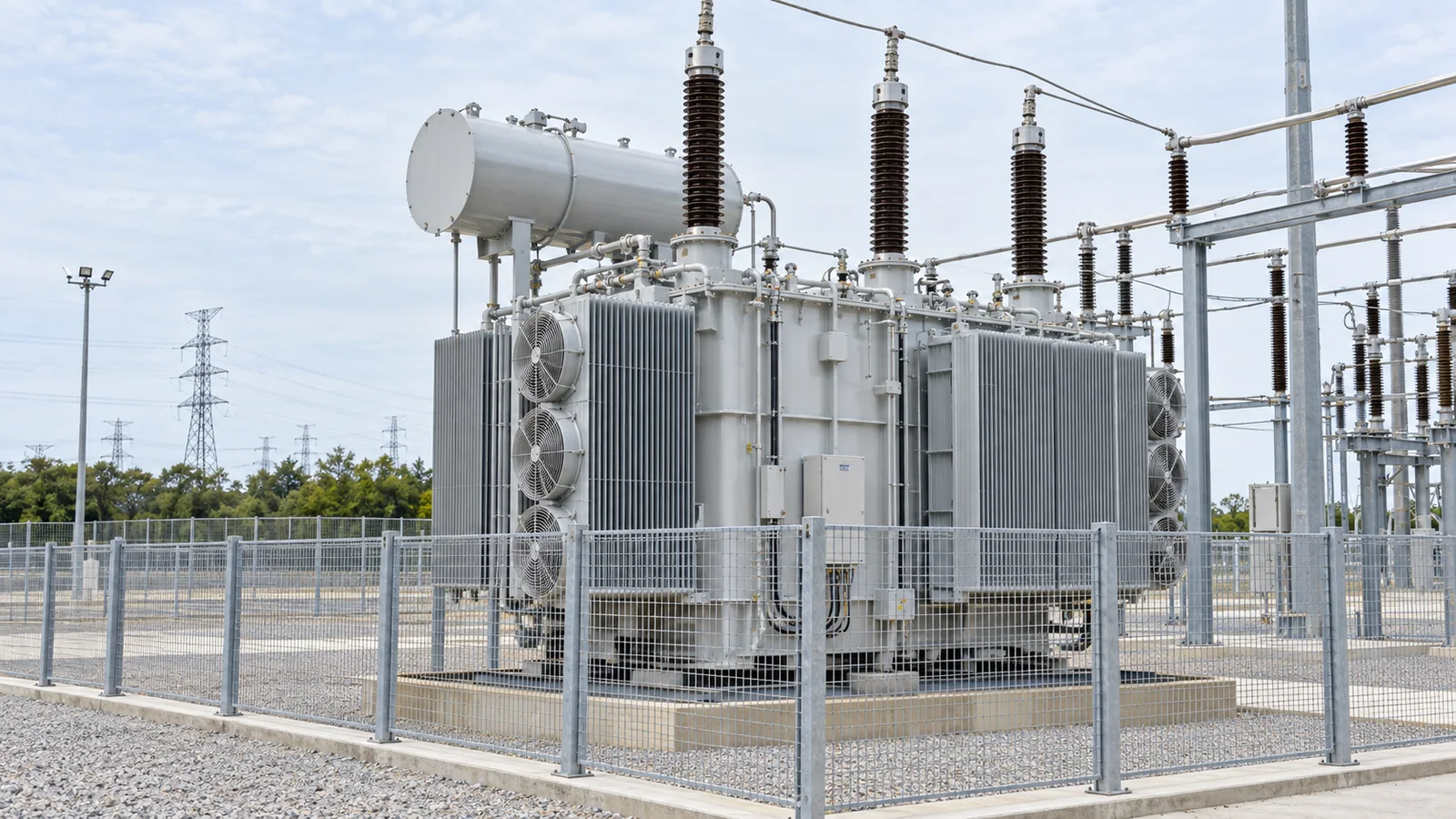
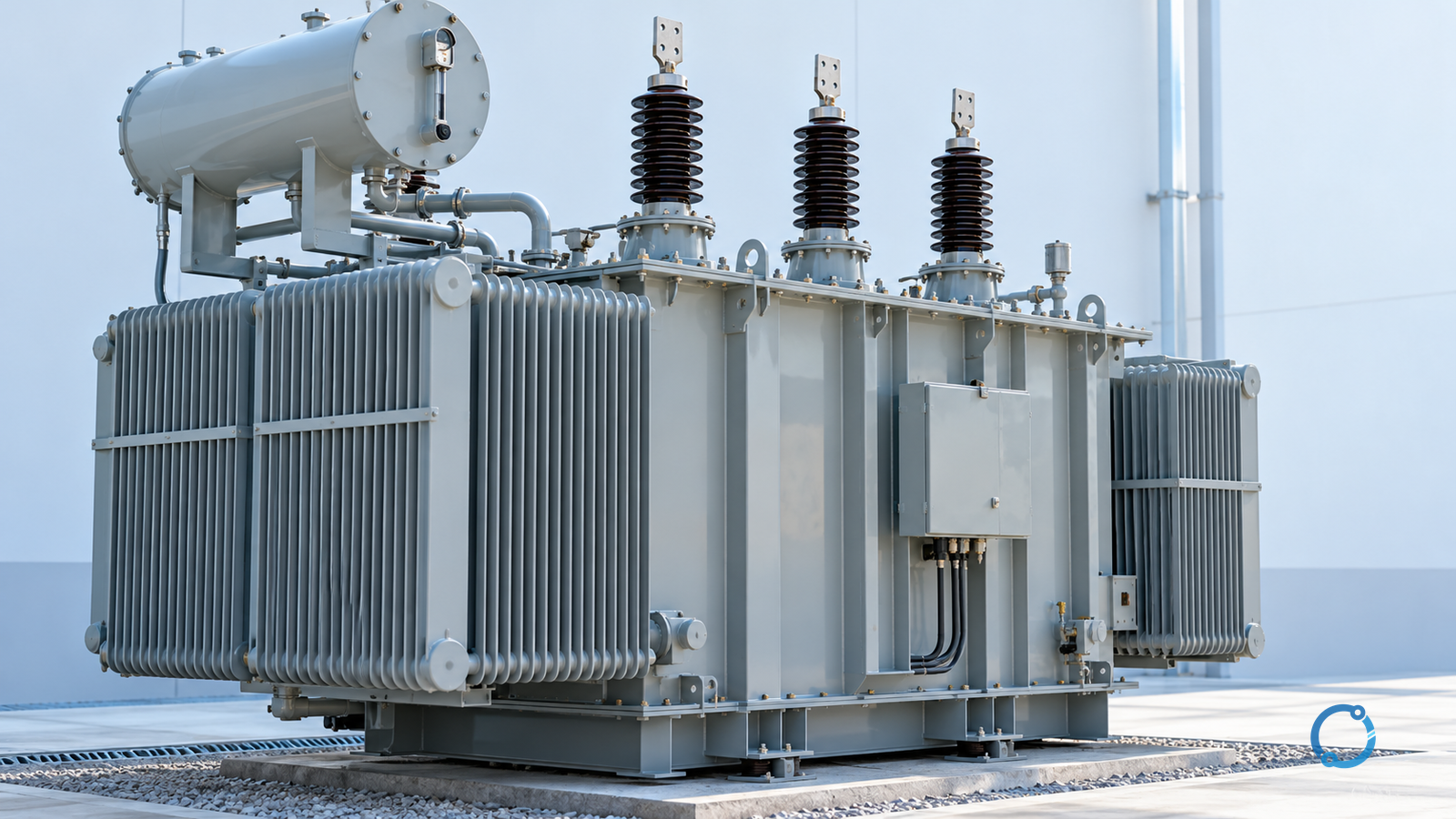
Transformer Abnormal Noise: Five Sound Patterns and Safe Next Steps
A power transformer normally produces some audible sound. The useful warning is a new, louder, irregular, or relocated sound compared with that unit’s baseline under comparable operating conditions.…
-
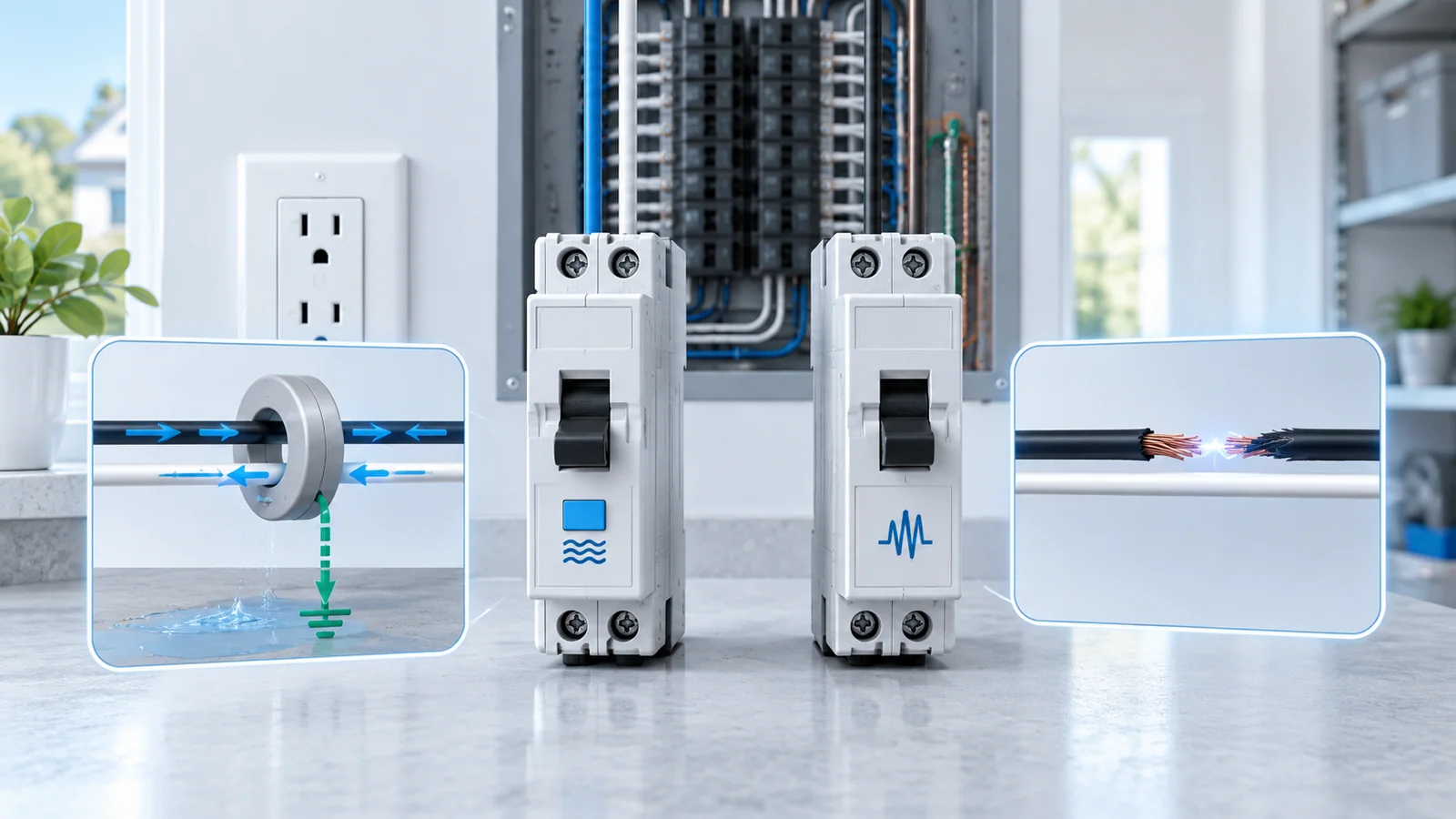
GFCI vs. AFCI: What Each Device Protects Against
A ground-fault circuit interrupter (GFCI) and an arc-fault circuit interrupter (AFCI) respond to different hazards. A GFCI compares current leaving and returning on the intended circuit conductors and…
-
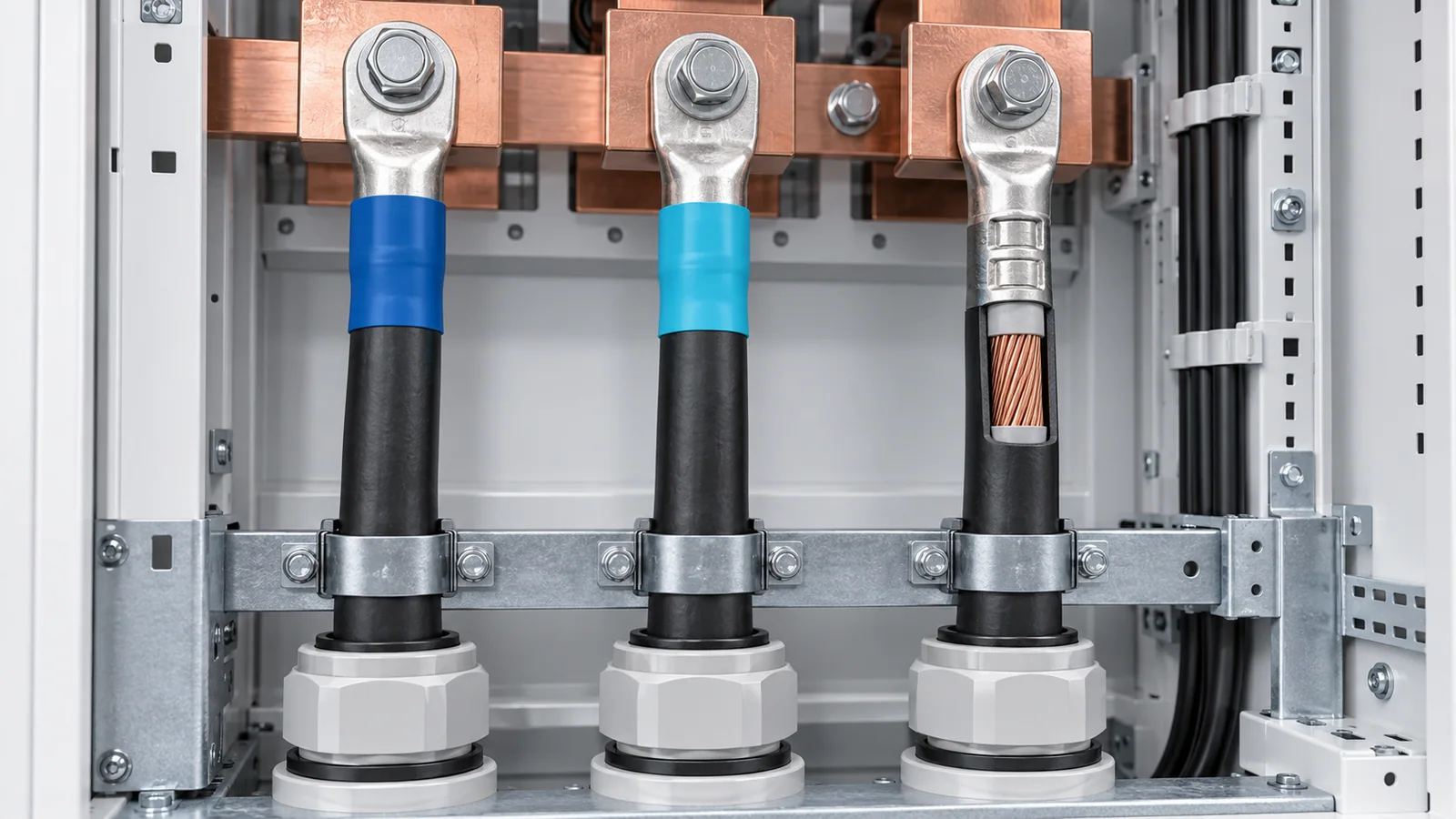
LV Cable Terminations: Components, Methods and Failure Prevention
A reliable low-voltage cable termination is a controlled electrical and mechanical interface. The connector must match the conductor material, size, strand class, temperature rating, and equipment terminal; preparation…
-
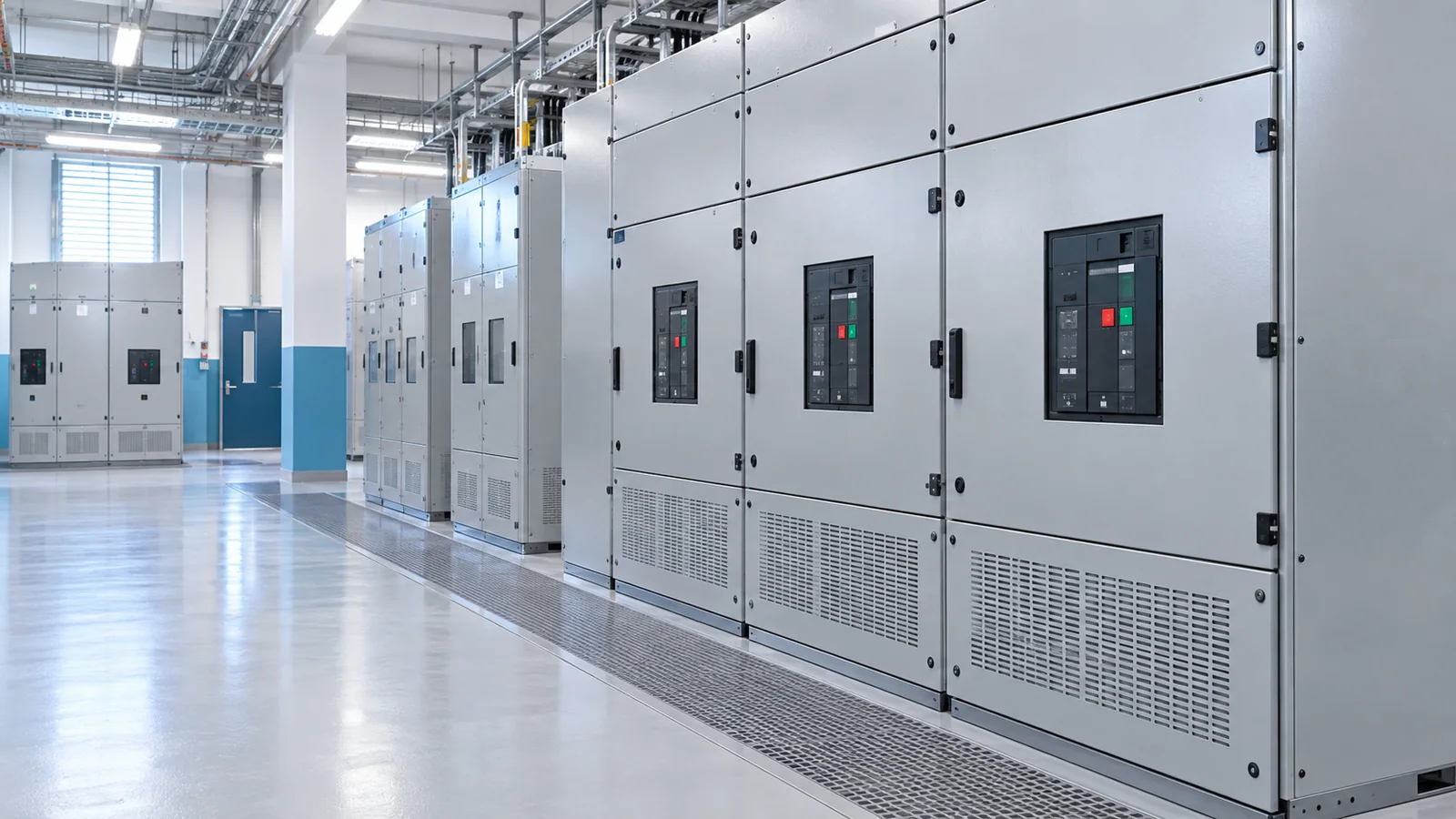
Substation Breaker Trip Troubleshooting: Reconstruct the Event Before Reclosing
When a substation circuit breaker trips unexpectedly, first establish what ordered it to open and whether it actually interrupted current. Do not treat every open breaker as a…
-
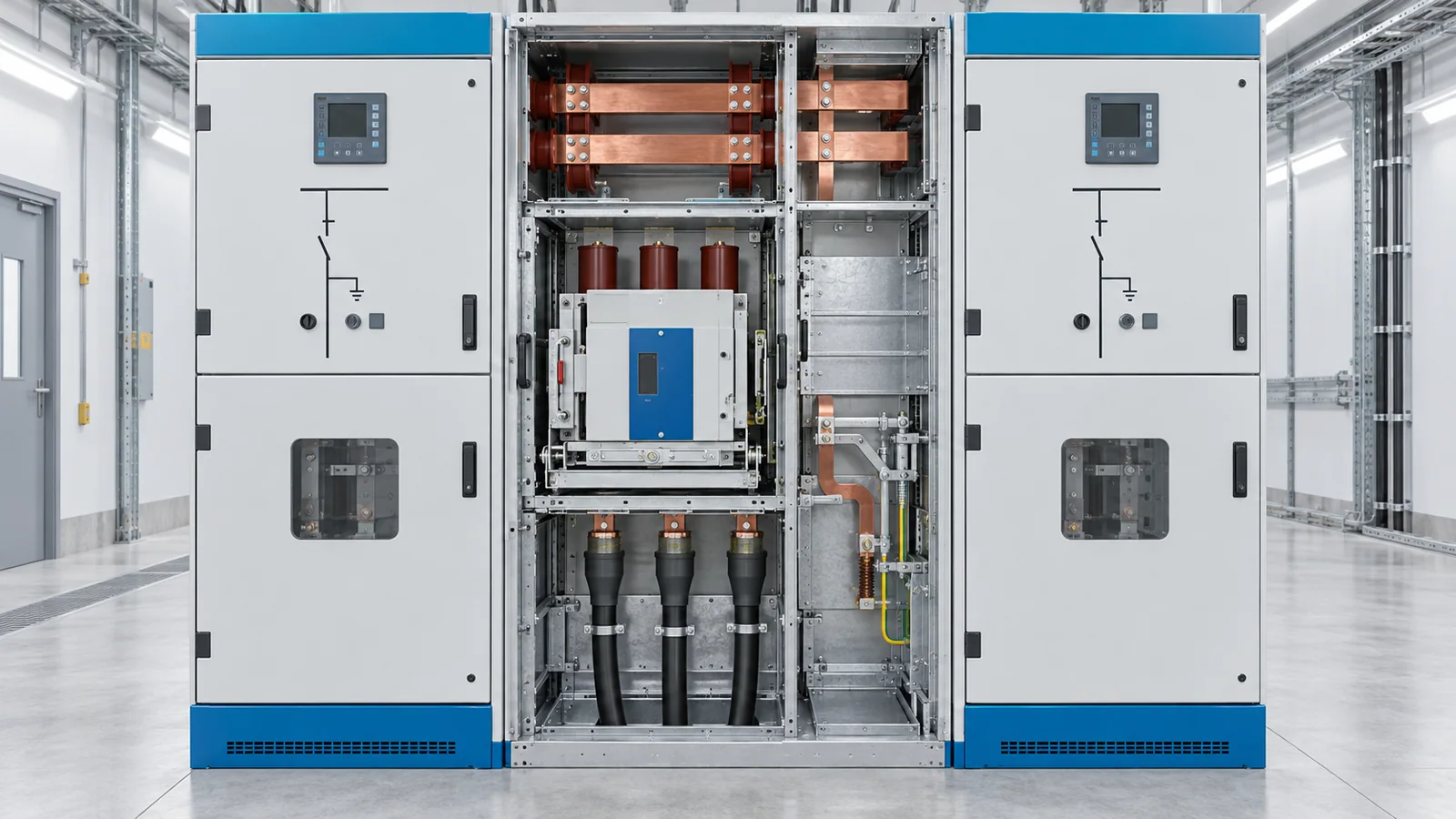
Switching Devices in Medium-Voltage Switchgear
Medium-voltage switchgear uses different devices for different electrical duties. A circuit breaker can interrupt specified fault currents; a load switch interrupts specified normal or limited abnormal currents; a…
-
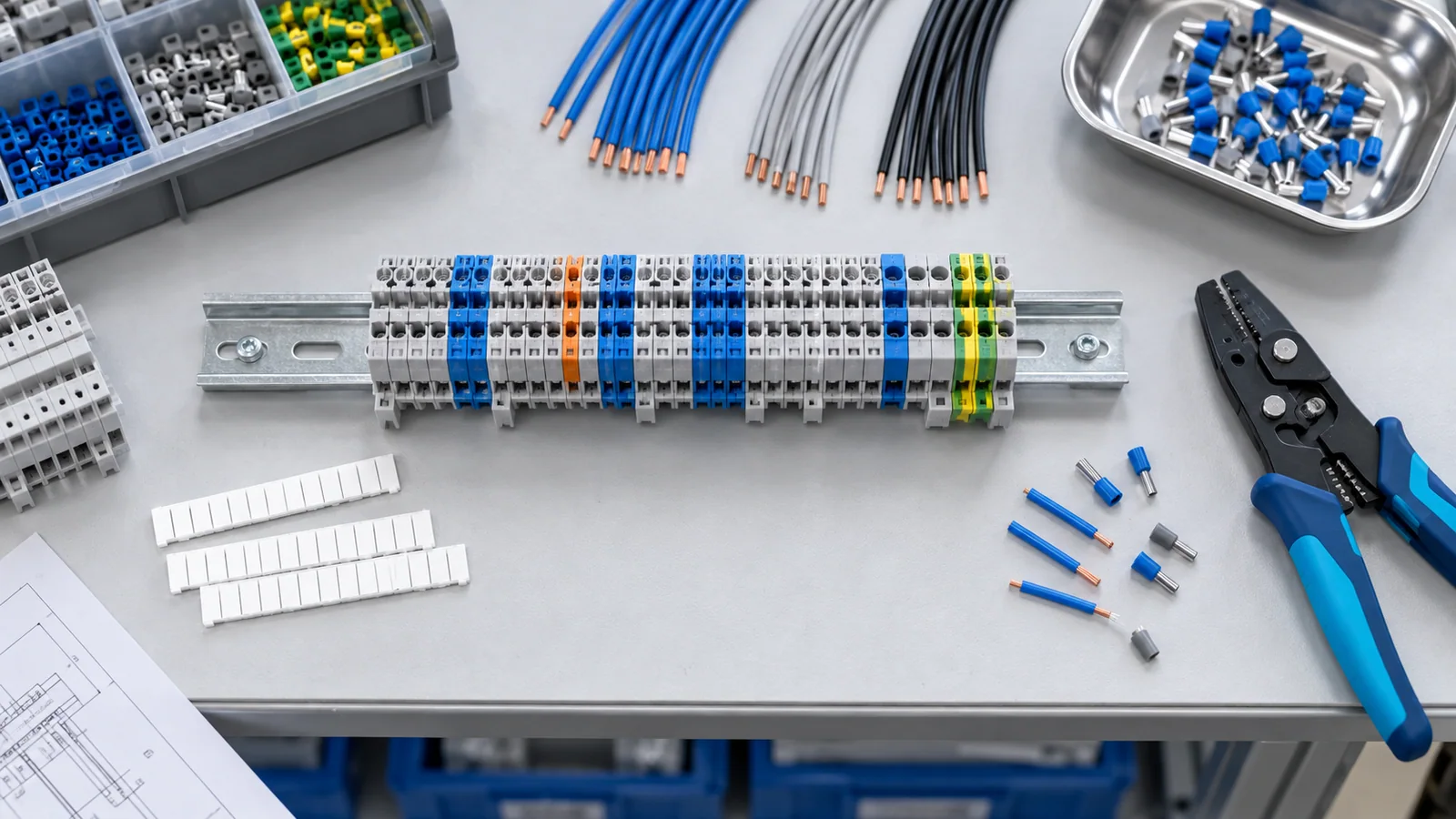
How to Lower Terminal Block Assembly Cost Without Weakening Safety
The lowest-cost terminal-block build is not necessarily the one with the cheapest block. For a repeatable low-voltage panel, reduce total installed cost by controlling wire preparation, terminal selection,…
-
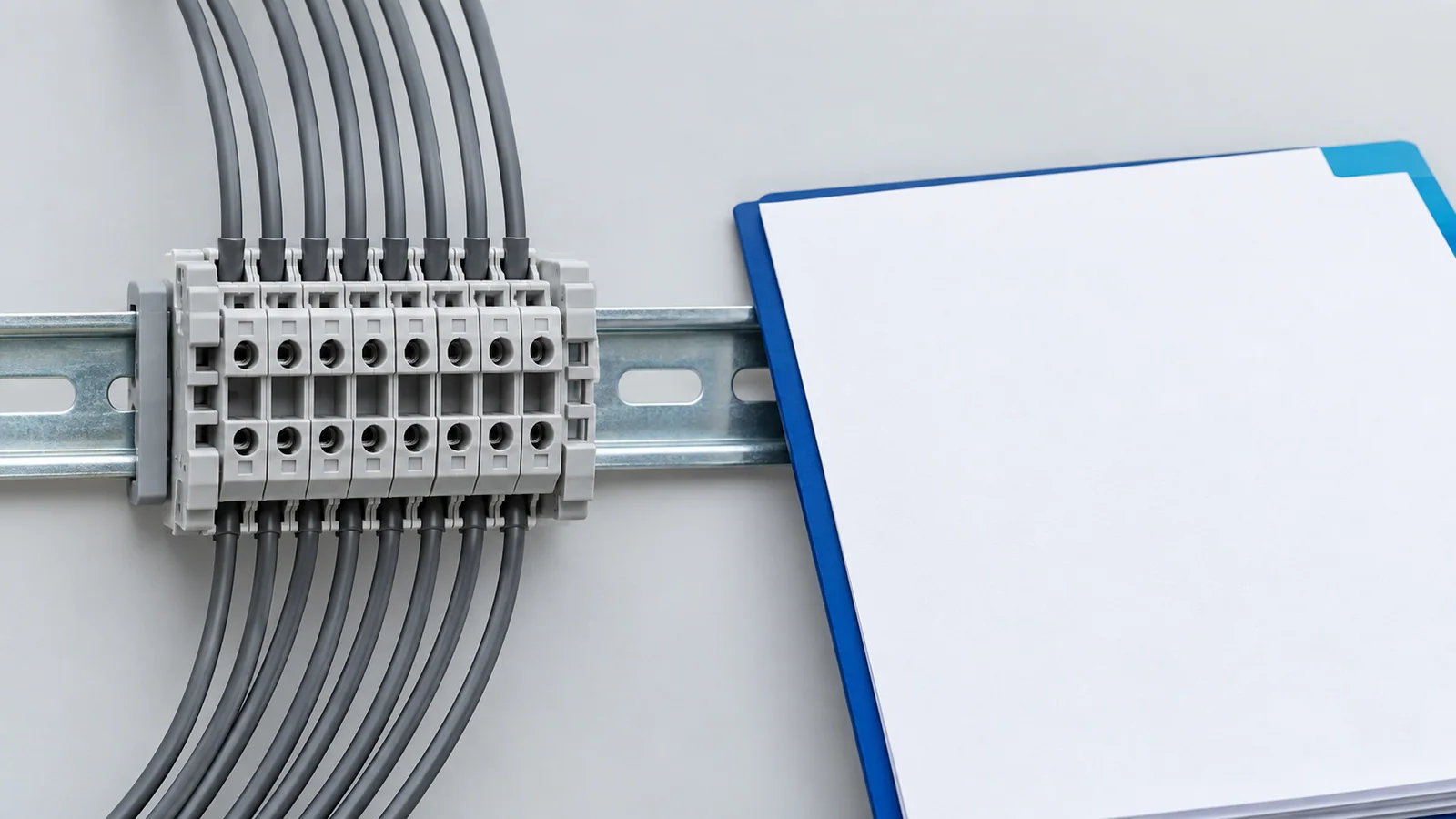
How to Read Terminal Block Markings in UL and IEC Panels
A marking on a terminal block is a starting point for verification, not permission to connect any wire that fits. Read the component identification, voltage and current ratings,…
-
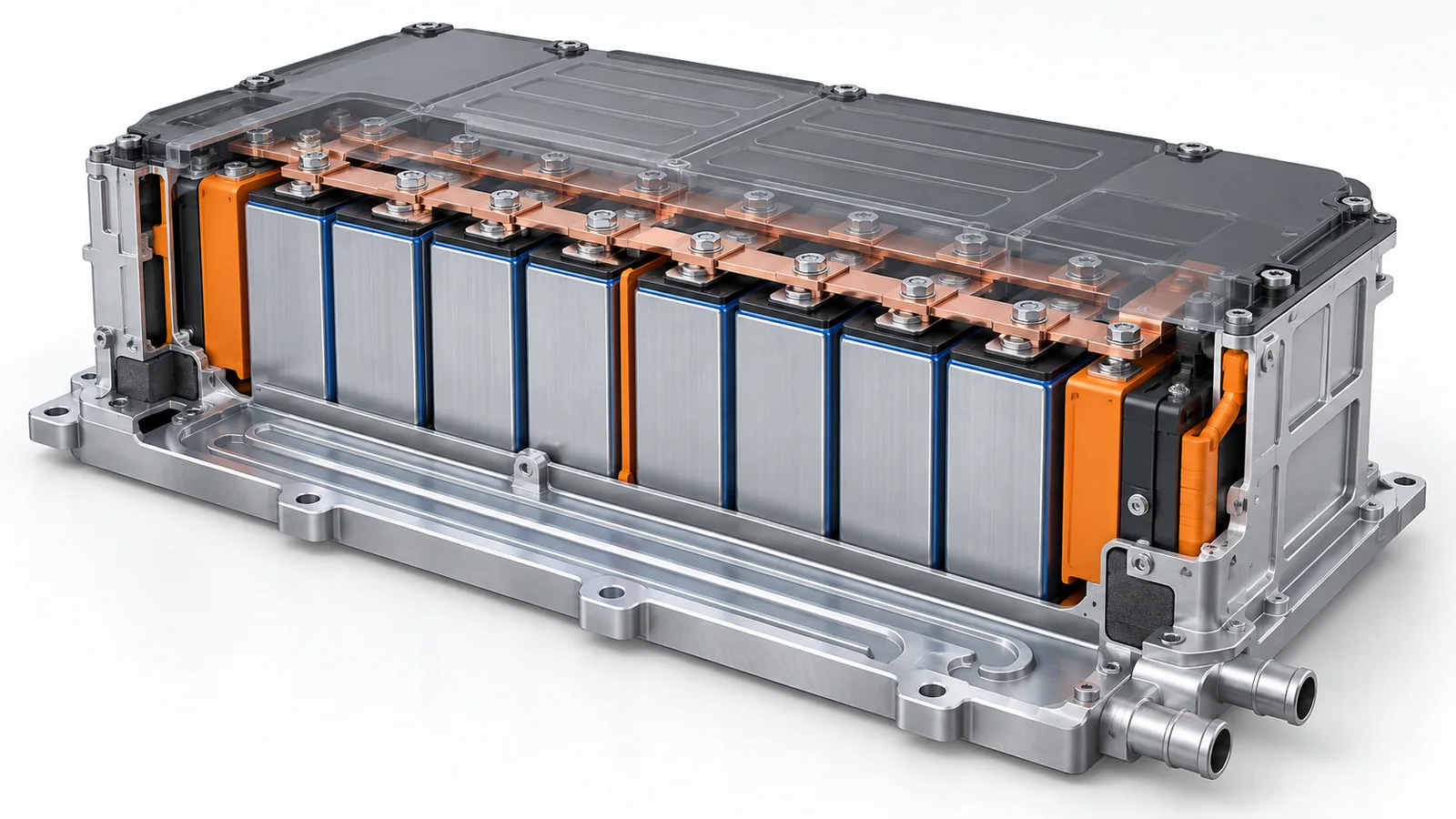
EV Battery Busbar Design: Current, Heat, Insulation, and Validation
Size an EV battery busbar from the actual continuous and pulse-current duty using resistance at operating temperature, then validate joints, cooling, insulation coordination, fault forces, vibration, manufacturing tolerance…
-
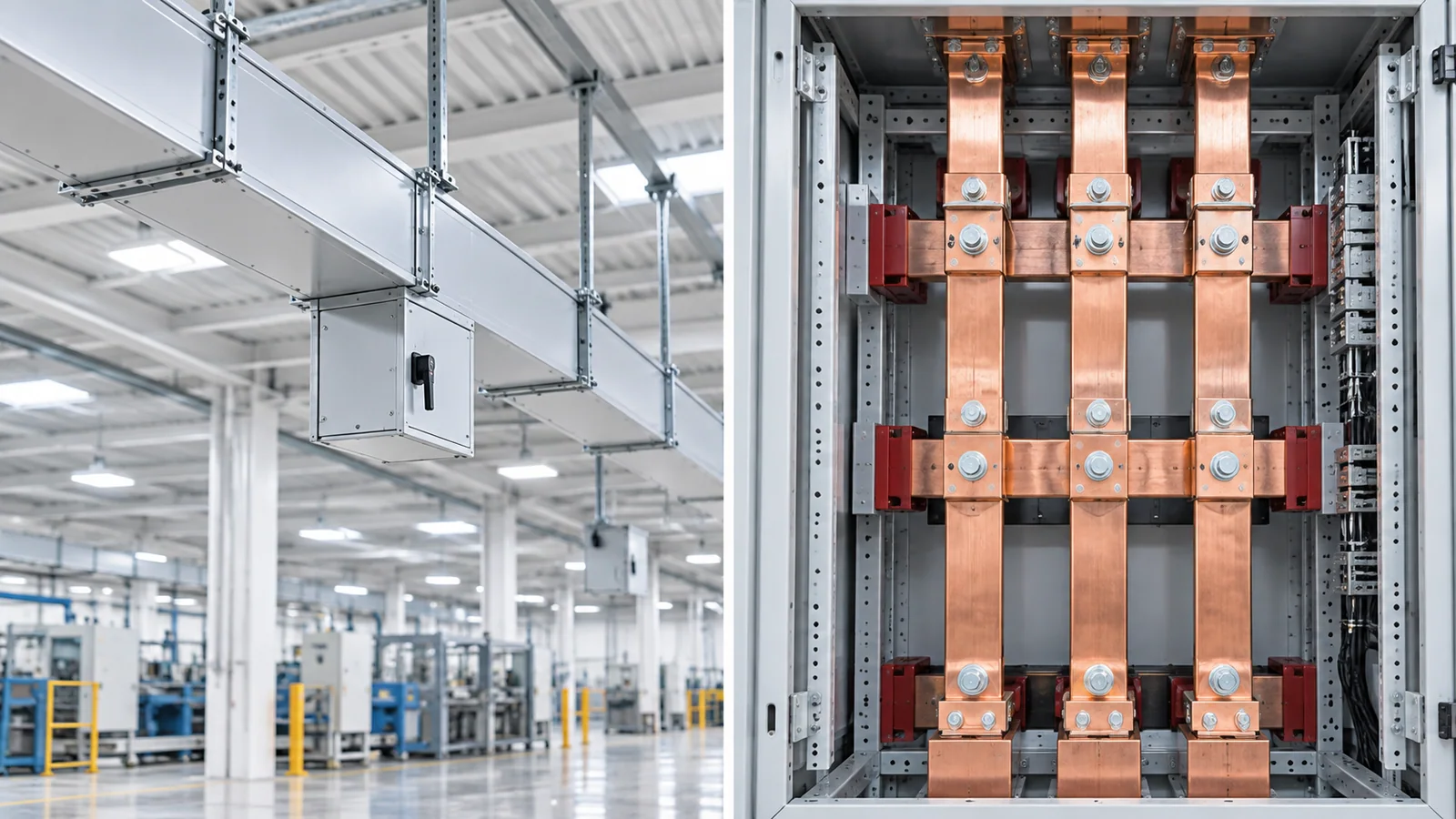
Busway vs. Busbar: Choosing Between a Distribution System and a Conductor
Busway—or busbar trunking—is a complete enclosed distribution assembly with conductors, enclosure, joints, supports and often tap-off provisions. A busbar is the conductor itself or a conductor system integrated…