
Selected work
Explore MAX’s guides to distribution-substation equipment and power flow, circuit-breaker feeder cable sizing, and vacuum circuit-breaker current chopping. These articles show the range of electrical topics covered in his published work.
Latest from MAX
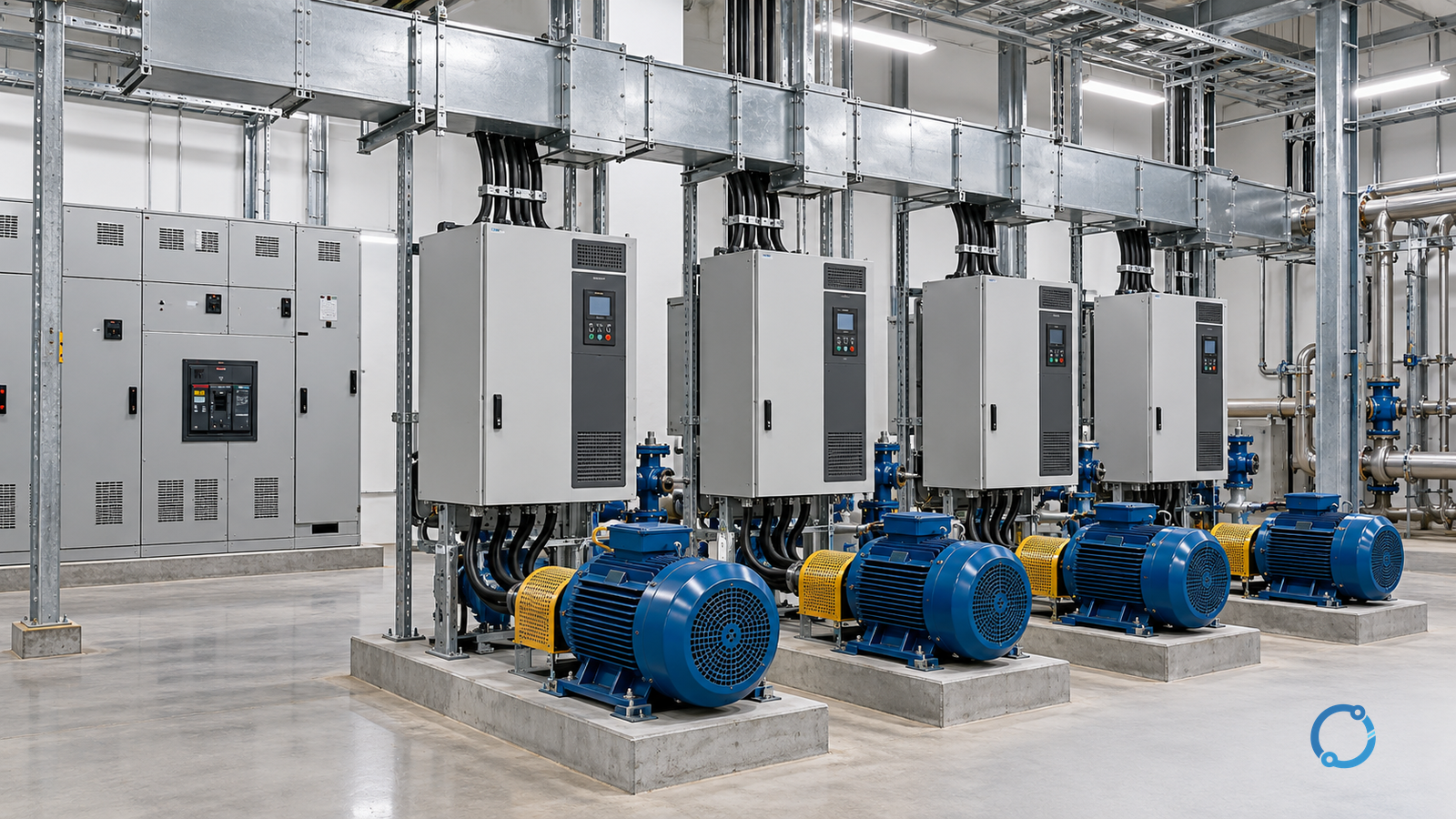
VFD Harmonic Mitigation: Select by Spectrum, Point of Common Coupling and Load
Harmonic mitigation cannot be selected from a product category alone. Define the point of common coupling (PCC) and governing limit, obtain a representative spectrum, model impedance and resonance,…
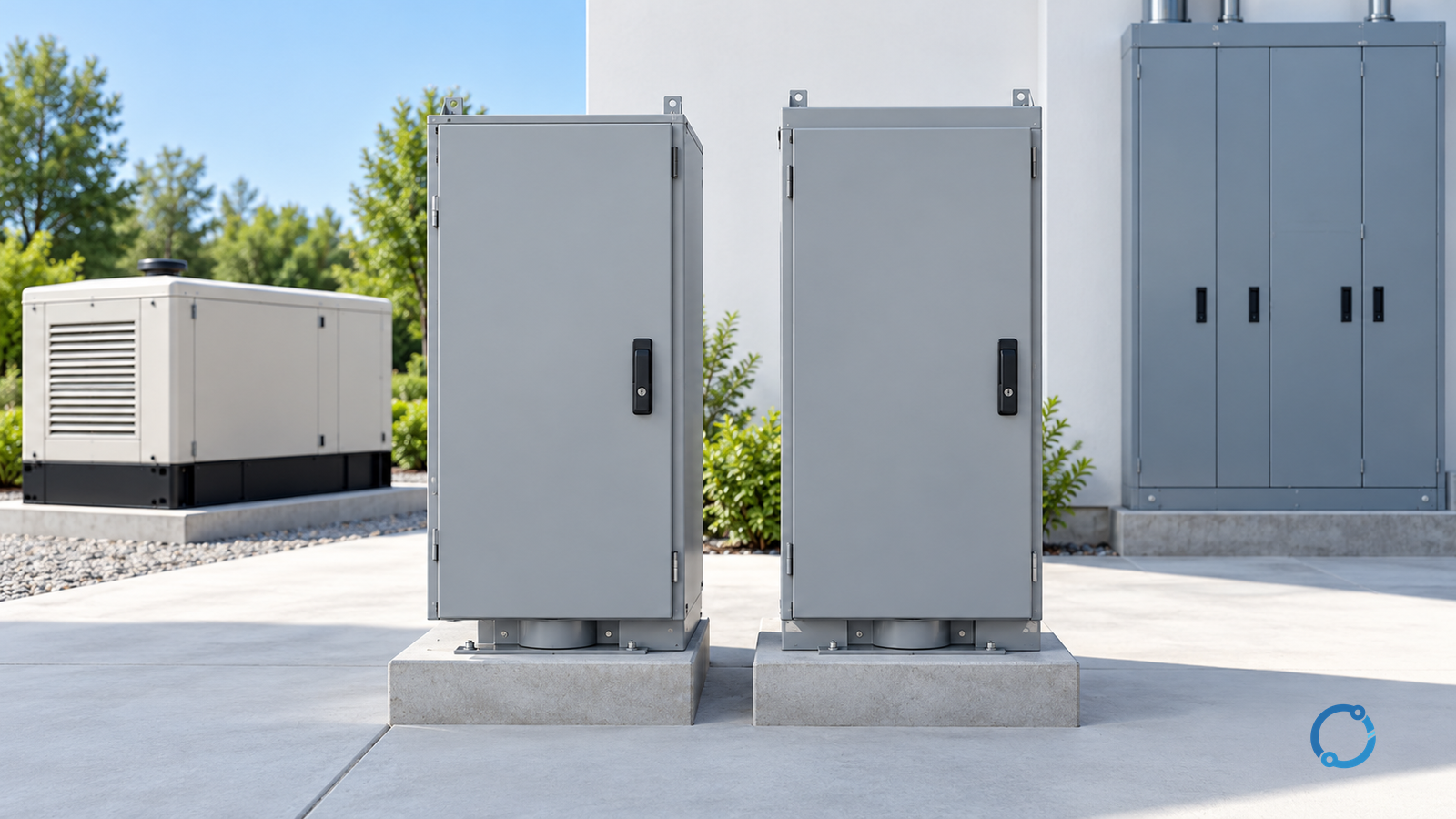
3-Pole vs. 4-Pole Transfer Switches: Neutral, Grounding and Switching Boundaries
The transfer-switch pole count must follow the neutral and grounding arrangement of the complete system. In a three-phase four-wire system, a three-pole switch transfers three ungrounded line conductors…
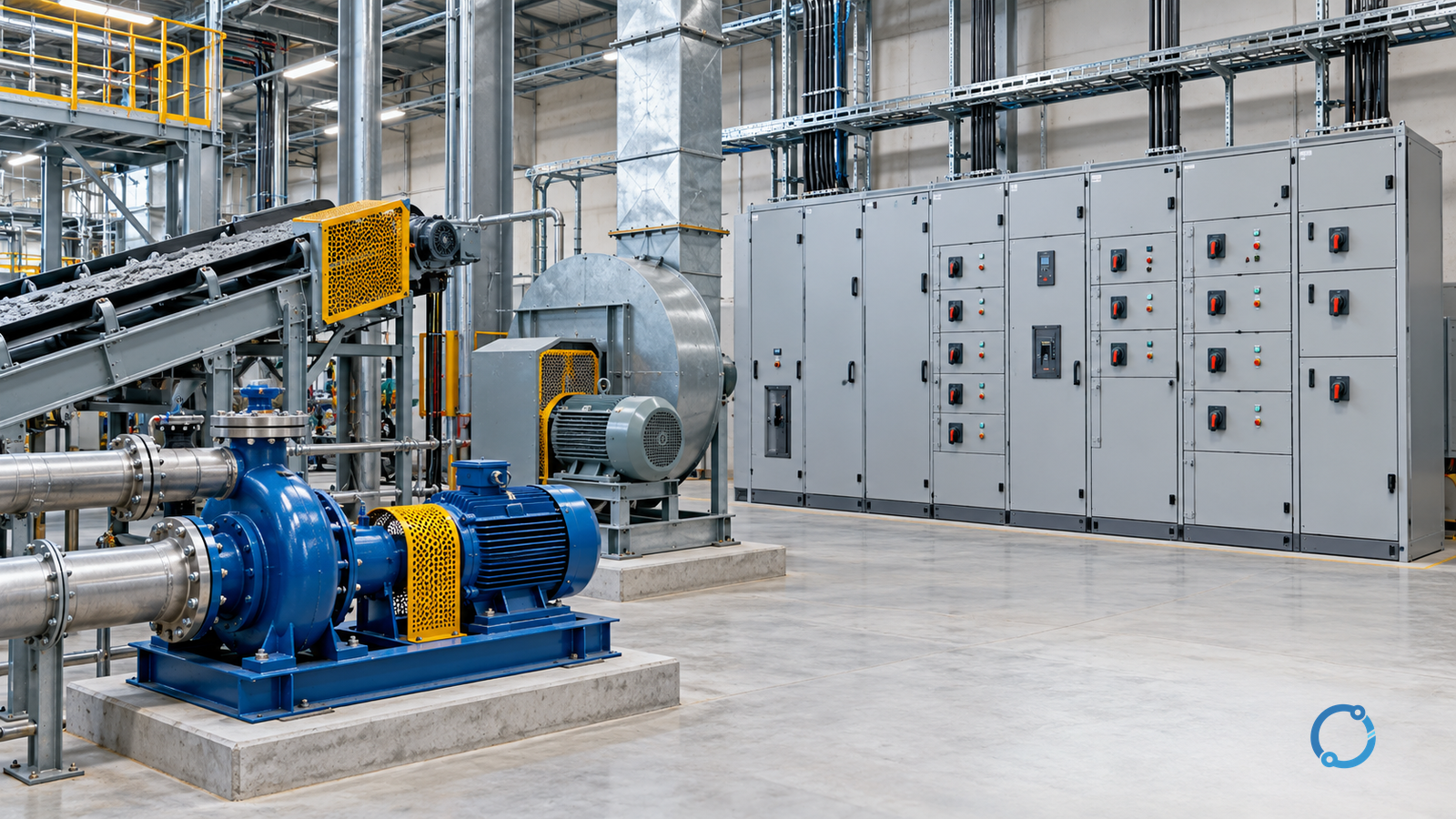
Motor Control Center Selection for Mechanical Loads: Sections, Buses and Duty
Select a motor control center (MCC) by tracing the driven machine and its operating duty through the complete electrical arrangement. Establish how each conveyor, pump, fan, compressor, mixer…

Fixed vs. Withdrawable MV Switchgear: Maintenance, Floor Space and Interlocking
Choose a fixed functional unit when the approved isolation and maintenance plan can establish the required work boundary without moving the device, and the installation provides the access…
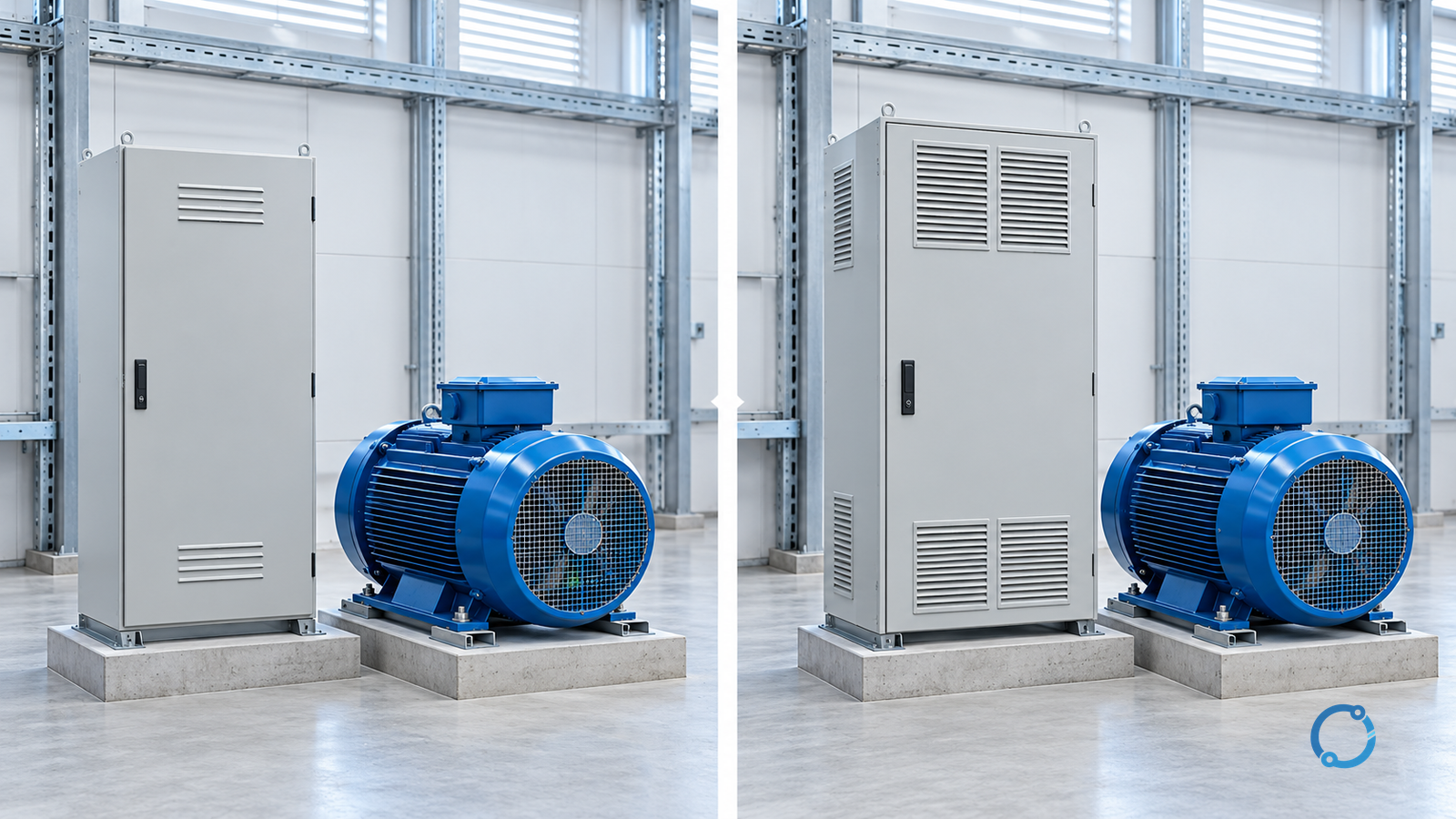
Comparing Motor Starting Methods: DOL, Soft Start, VFD and MV Contactors
Choose a motor-starting architecture by matching the driven load, supply event, starting duty, run-speed requirement and consequence of failure—not by ranking device names. Direct-on-line (DOL) starting is a…
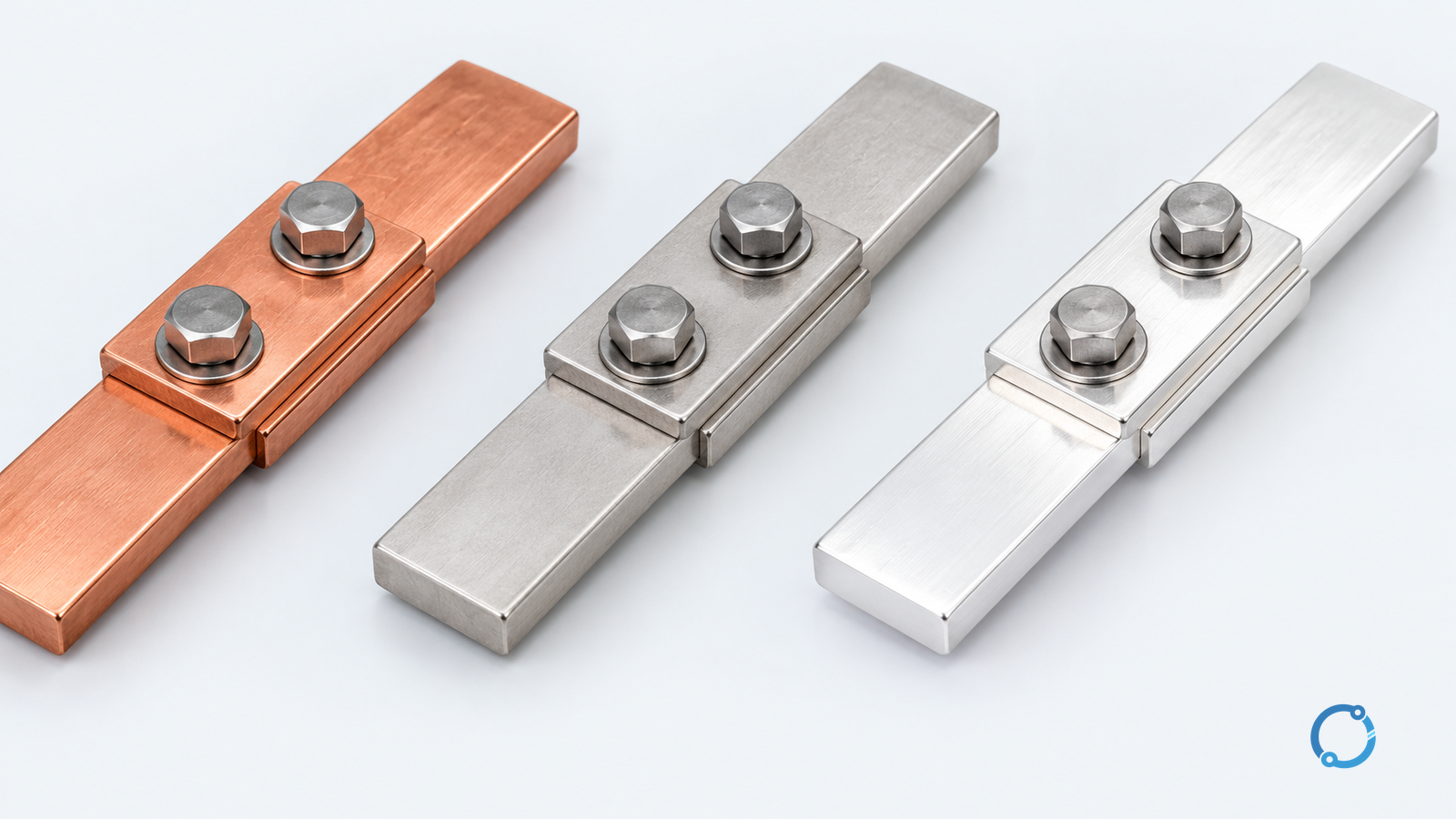
Bare Copper vs Tin-Plated vs Silver-Plated Busbars: A Selection Guide
Choose a copper busbar finish from the joint outward. Bare copper can suit a protected, well-prepared copper-to-copper connection; tin plating can be considered where a tinned interface is…
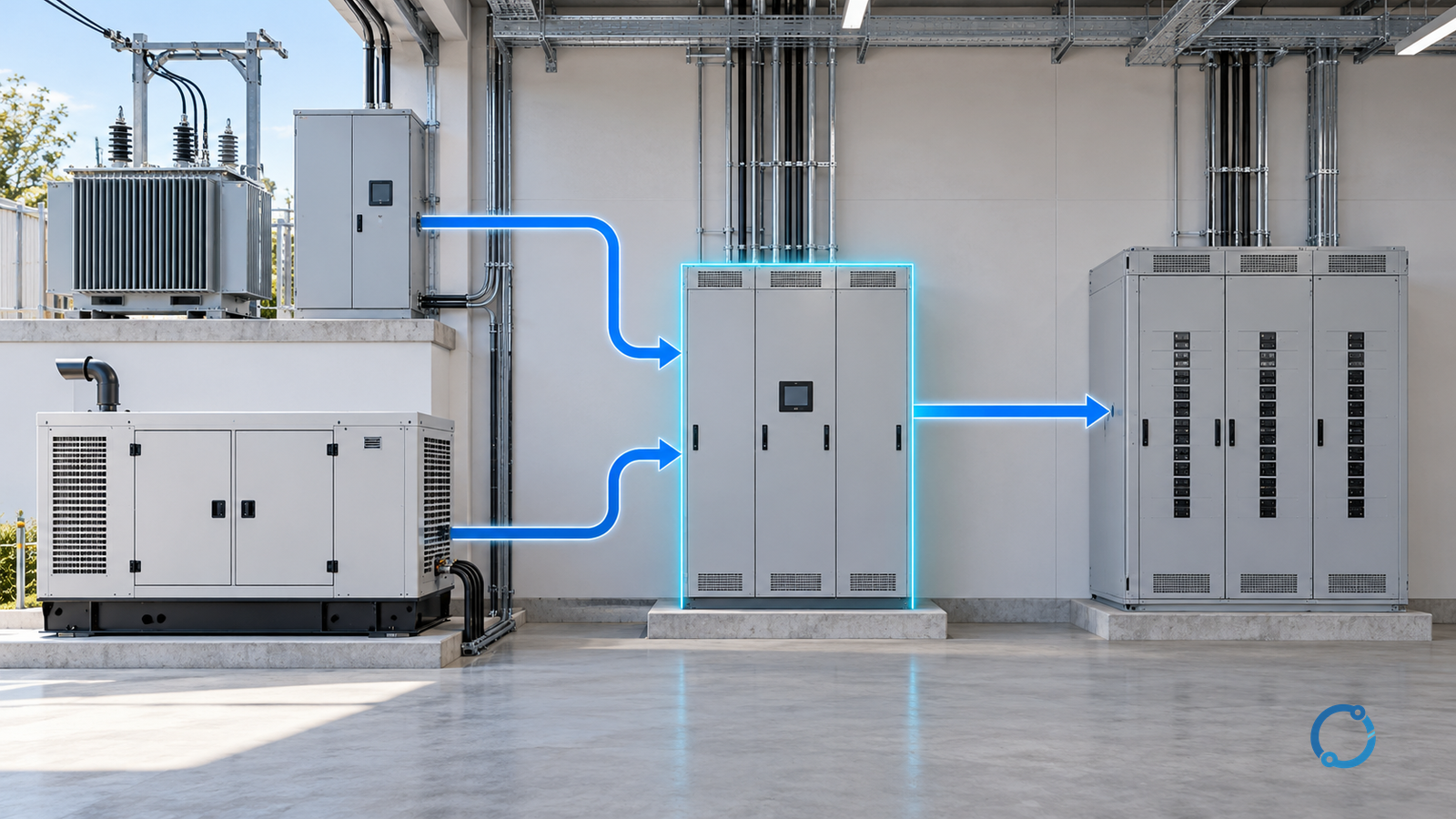
Closed-Transition Transfer Switches: Source and Fault Coordination
A closed-transition transfer switch briefly parallels the source and load during a changeover, reducing the interruption that an open transition creates. It is not simply a faster transfer.…

Modular vs Smart Switches: A Requirements-Based Selection
A conventional modular switch is usually the simpler choice when direct local control and a circuit that operates independently meet the need. A smart switch is justified when…
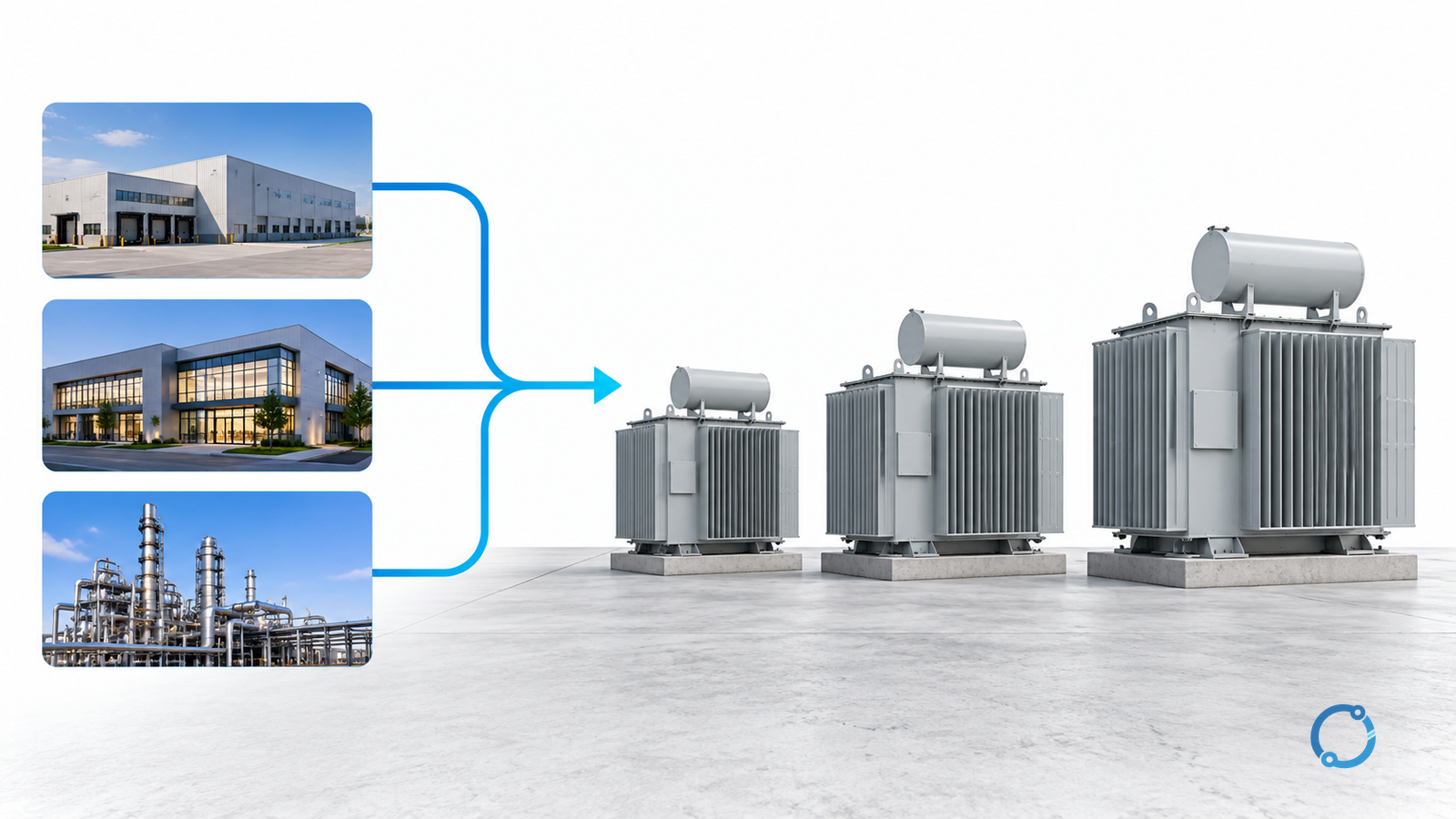
How to Size a Transformer: kVA Selection by Load Duty
To size a transformer, start with a documented load profile in kVA, then compare candidate ratings against the thermal, voltage, harmonic, motor-starting, fault and environmental conditions that the…
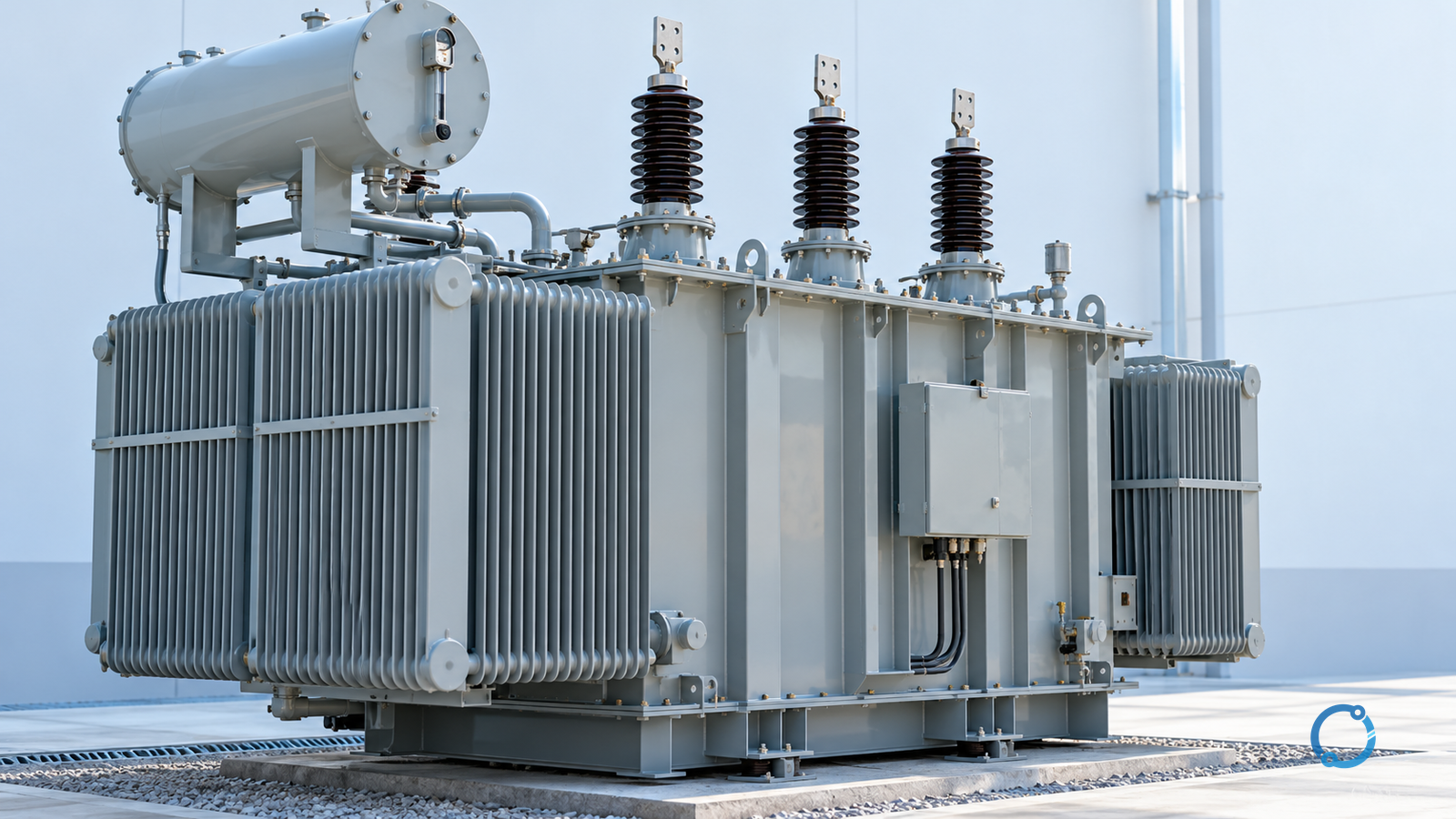
What Is Transformer Rating Based On?
A transformer’s kVA or MVA rating is an apparent-power capability under declared voltage, frequency, cooling and temperature conditions. It is not a measured kW output and it is…