
Selected work
Explore MAX’s guides to distribution-substation equipment and power flow, circuit-breaker feeder cable sizing, and vacuum circuit-breaker current chopping. These articles show the range of electrical topics covered in his published work.
Latest from MAX
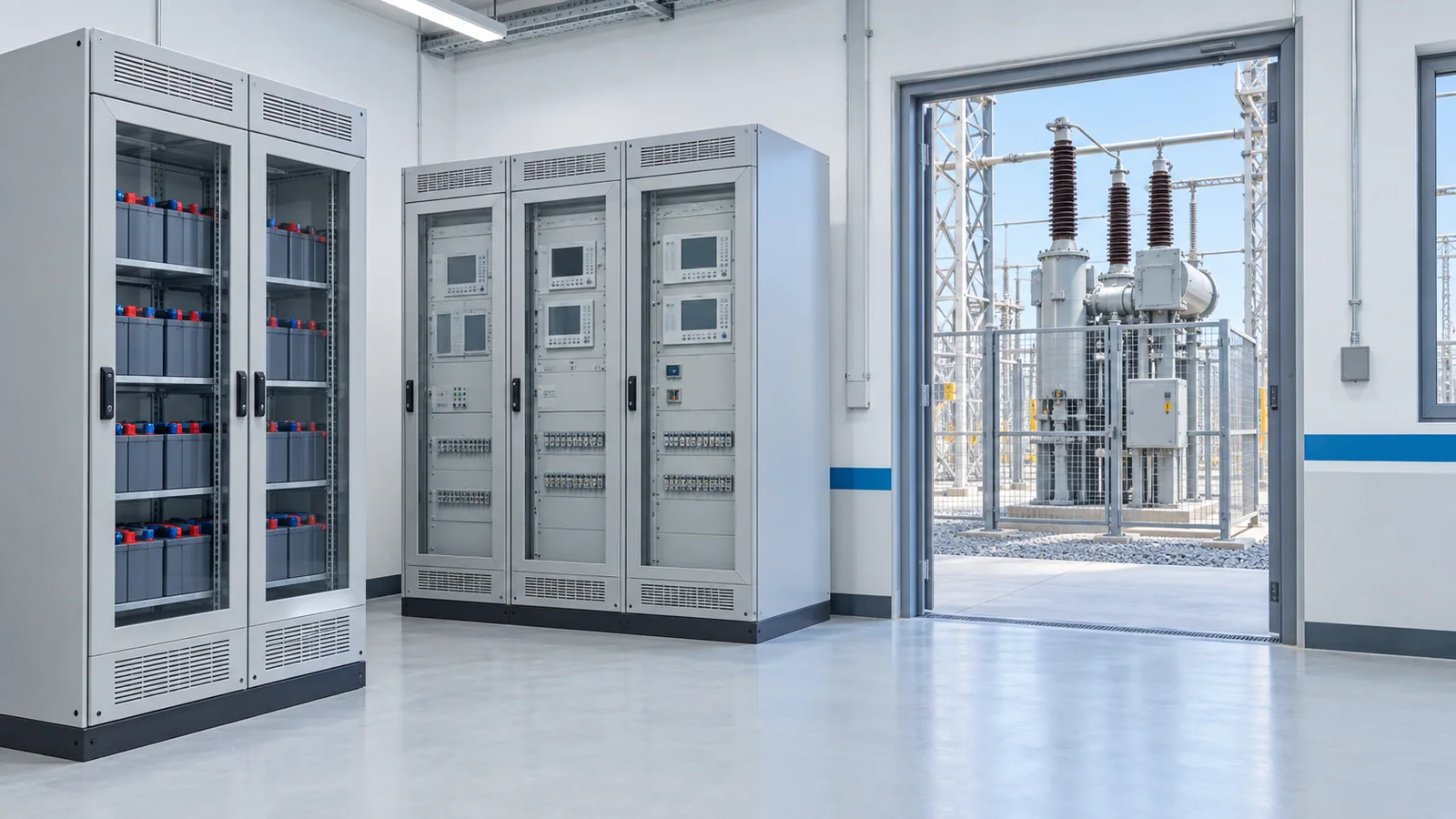
Substation Trip Circuit Design: A Practical Verification Checklist
A breaker trip circuit is successful only if a protection decision reaches the correct trip coil with enough energy under the least favorable credible control-power condition, and the…
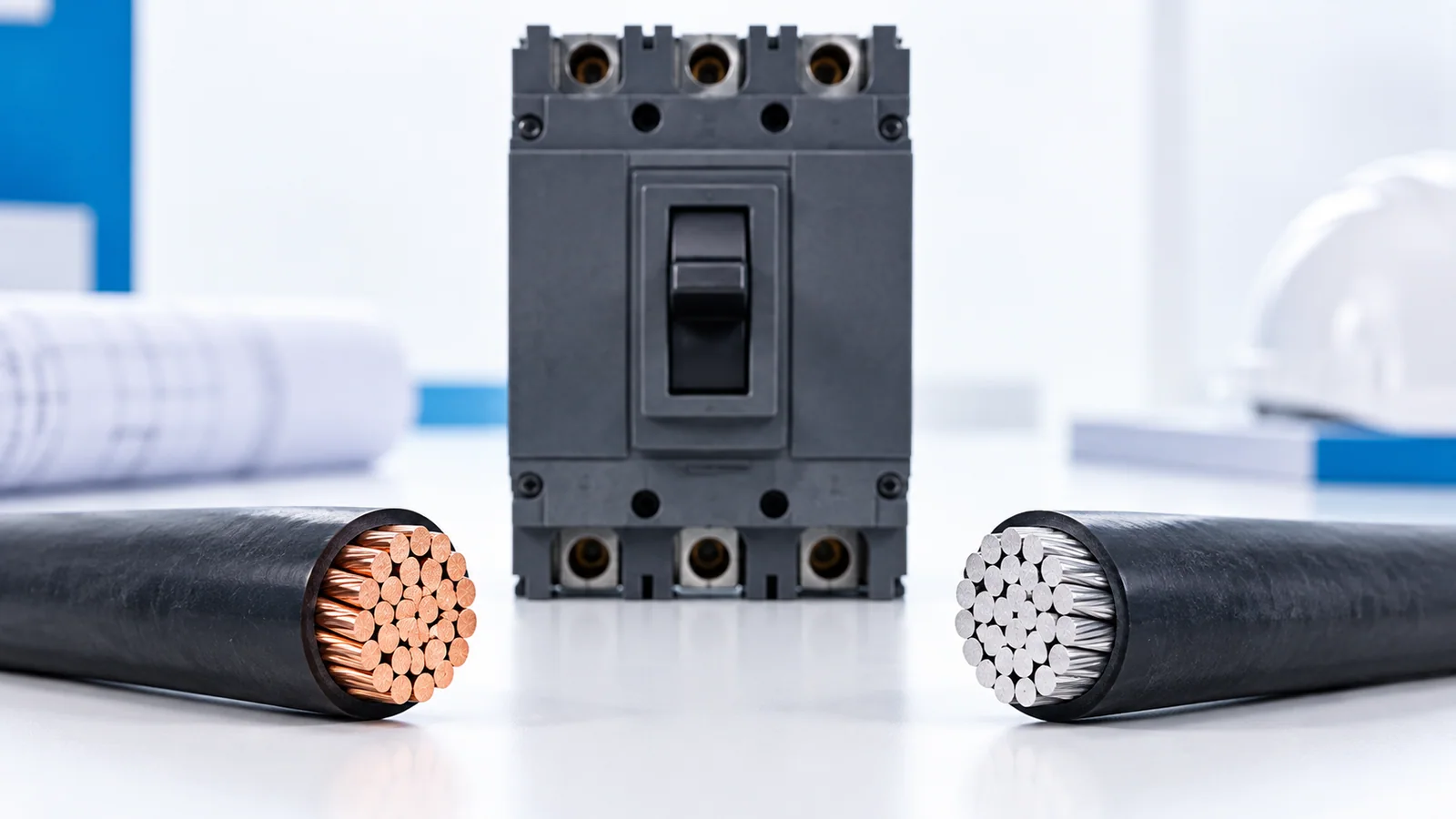
What Wire Size for a 100-Amp Breaker? Copper, Aluminum and Conditions
For a U.S. 100-A branch or feeder circuit, a common starting point is 3 AWG copper or 1 AWG aluminum when the equipment terminations permit the 75°C ampacity…
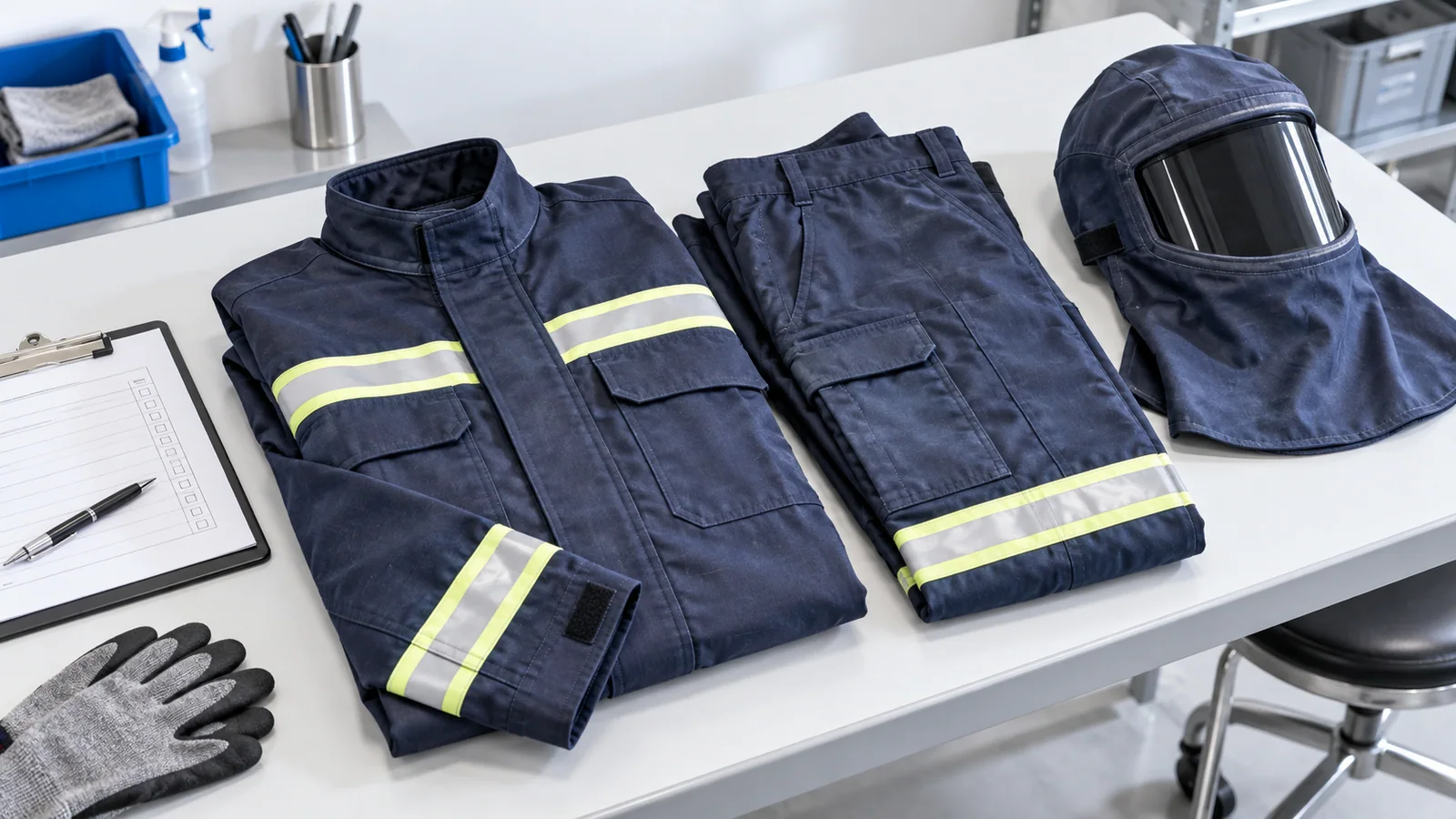
Arc-Rated PPE Maintenance and Replacement: An Inspection Guide
Remove arc-rated personal protective equipment (PPE) from use when it is torn, has damaged closures or seams, has lost its identification, or is contaminated with flammable substances. Clean,…
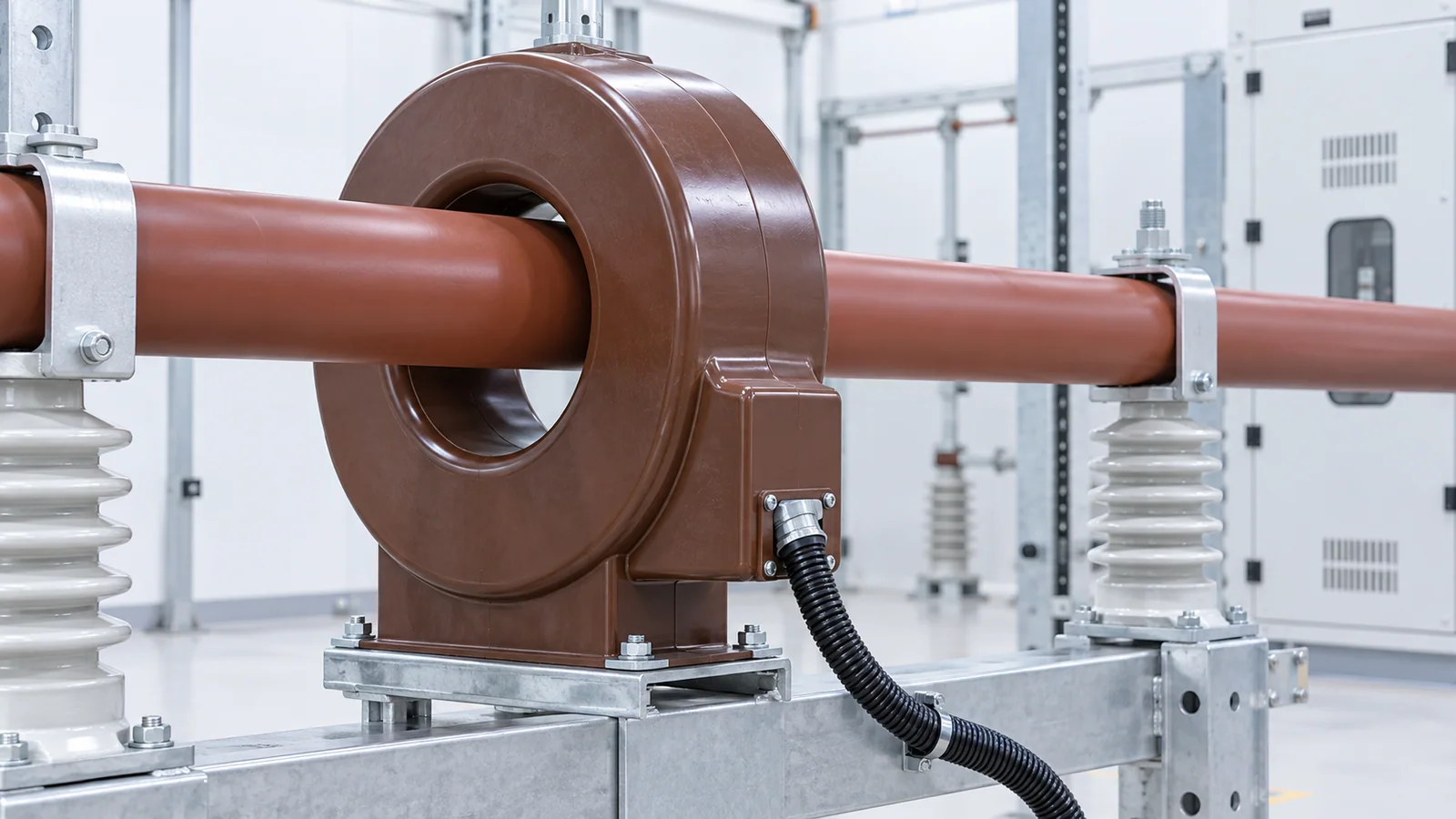
Current Transformer Selection Criteria for Metering and Protection
For an alternating-current power-system current transformer (CT), select the ratio, each core’s duty and accuracy, the complete secondary burden, and short-circuit withstand as one specification. A ratio that…
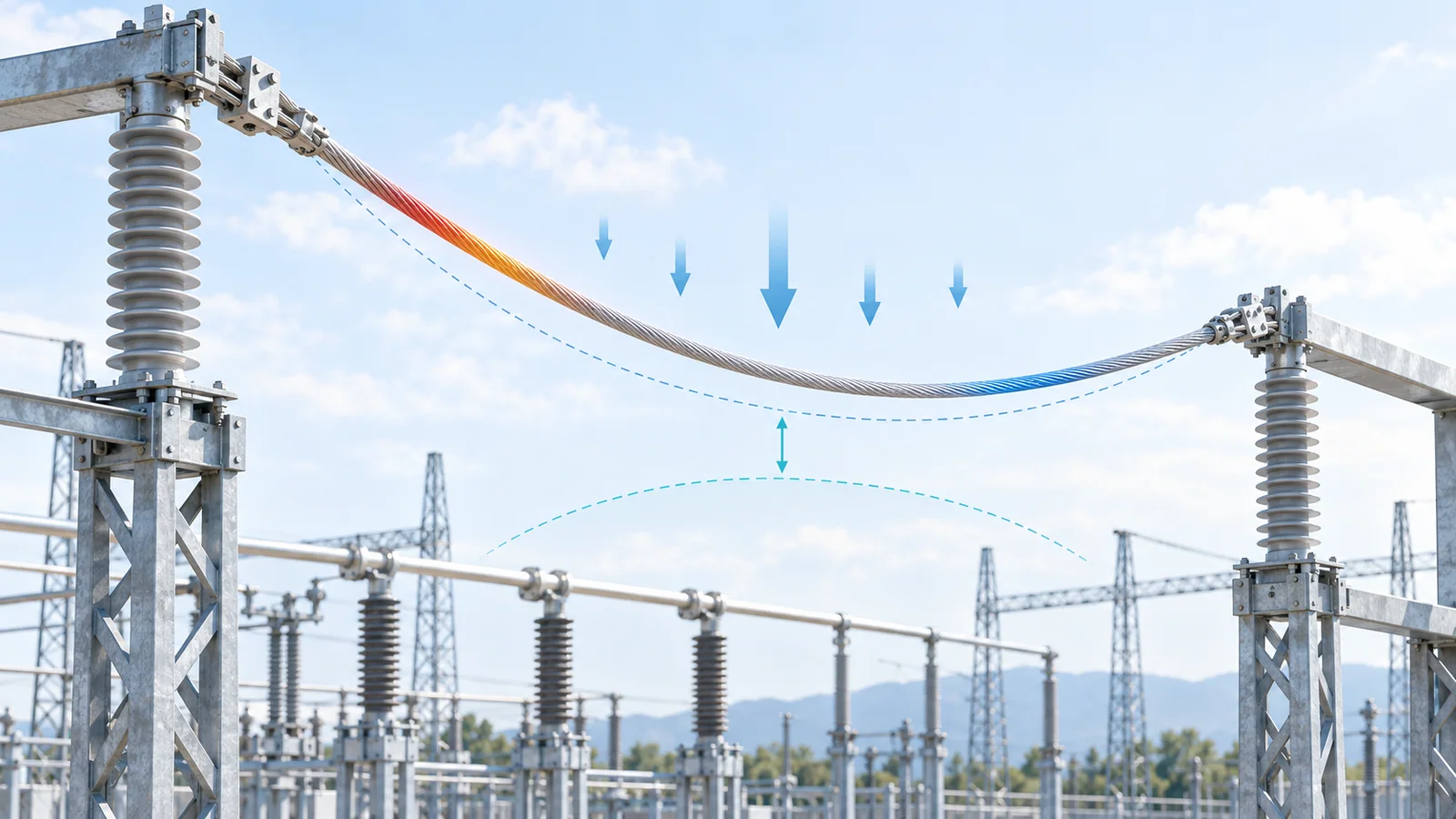
Overhead Conductor Selection for Substations: Four Engineering Studies
Selecting a flexible bare conductor for an outdoor substation is not an ampacity lookup. The selected conductor, bundle, span and fittings must pass four linked studies: continuous and…
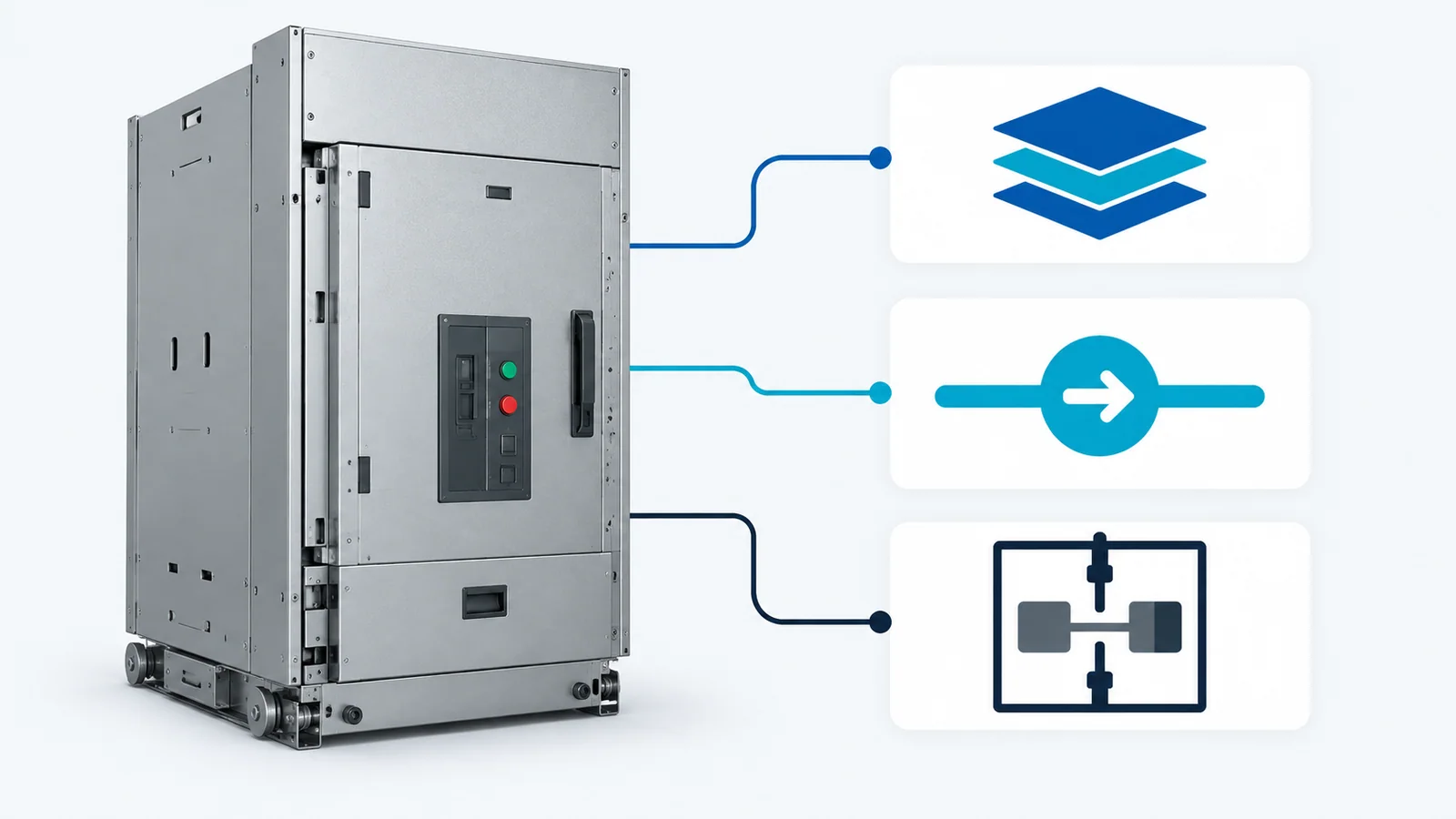
Medium-Voltage Circuit Breaker Ratings: A Specification Crosswalk
An MV circuit breaker is not adequately specified by “kV, A and kA.” Match each rated duty to the corresponding system condition: maximum operating voltage and insulation stress,…
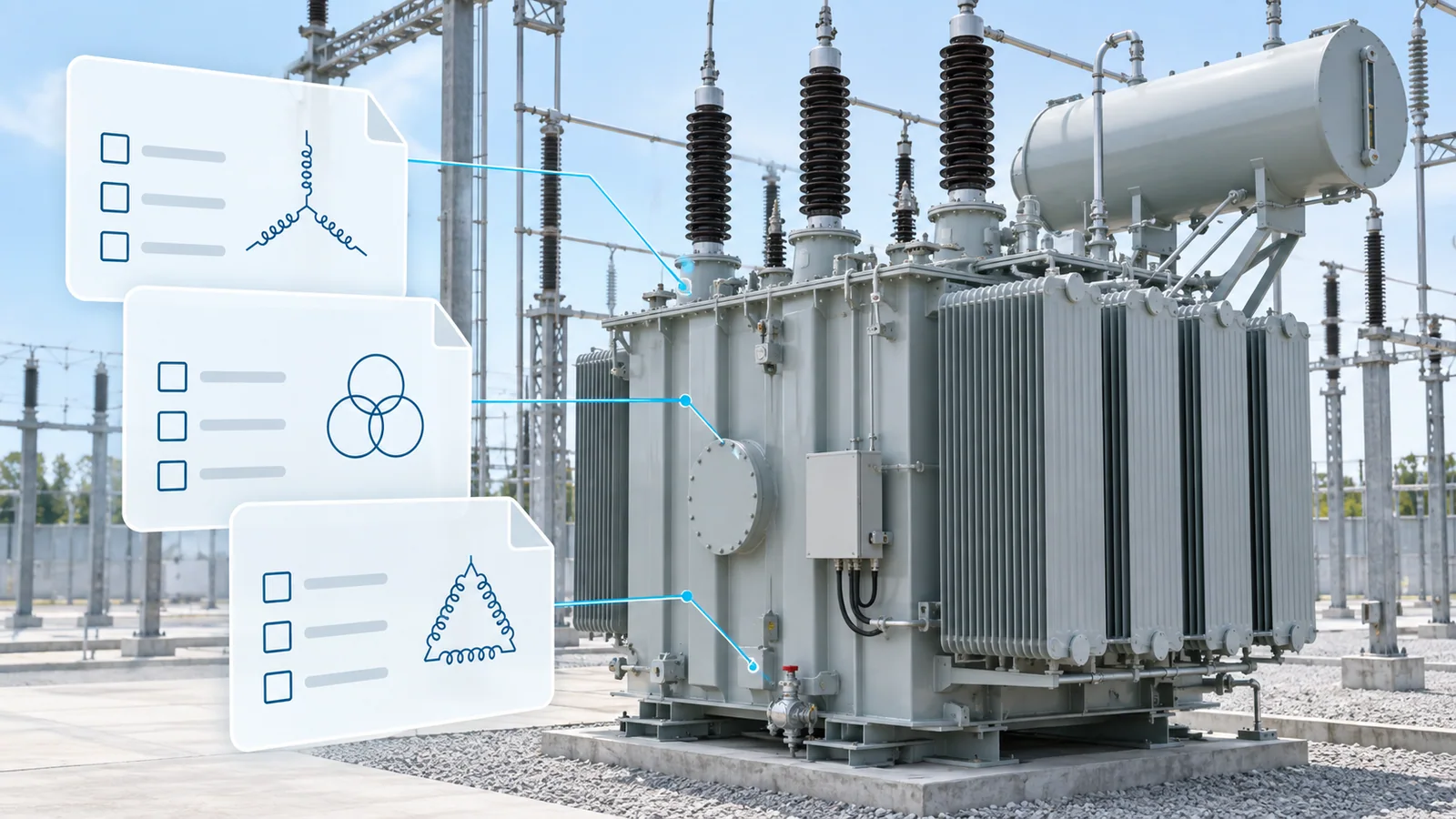
IEC 60076 Transformer Specification: A Purchaser’s Data Checklist
“Comply with IEC 60076” is not a complete transformer specification. IEC 60076-1 supplies the general framework, while other parts address thermal performance, insulation and dielectric tests, short-circuit withstand…
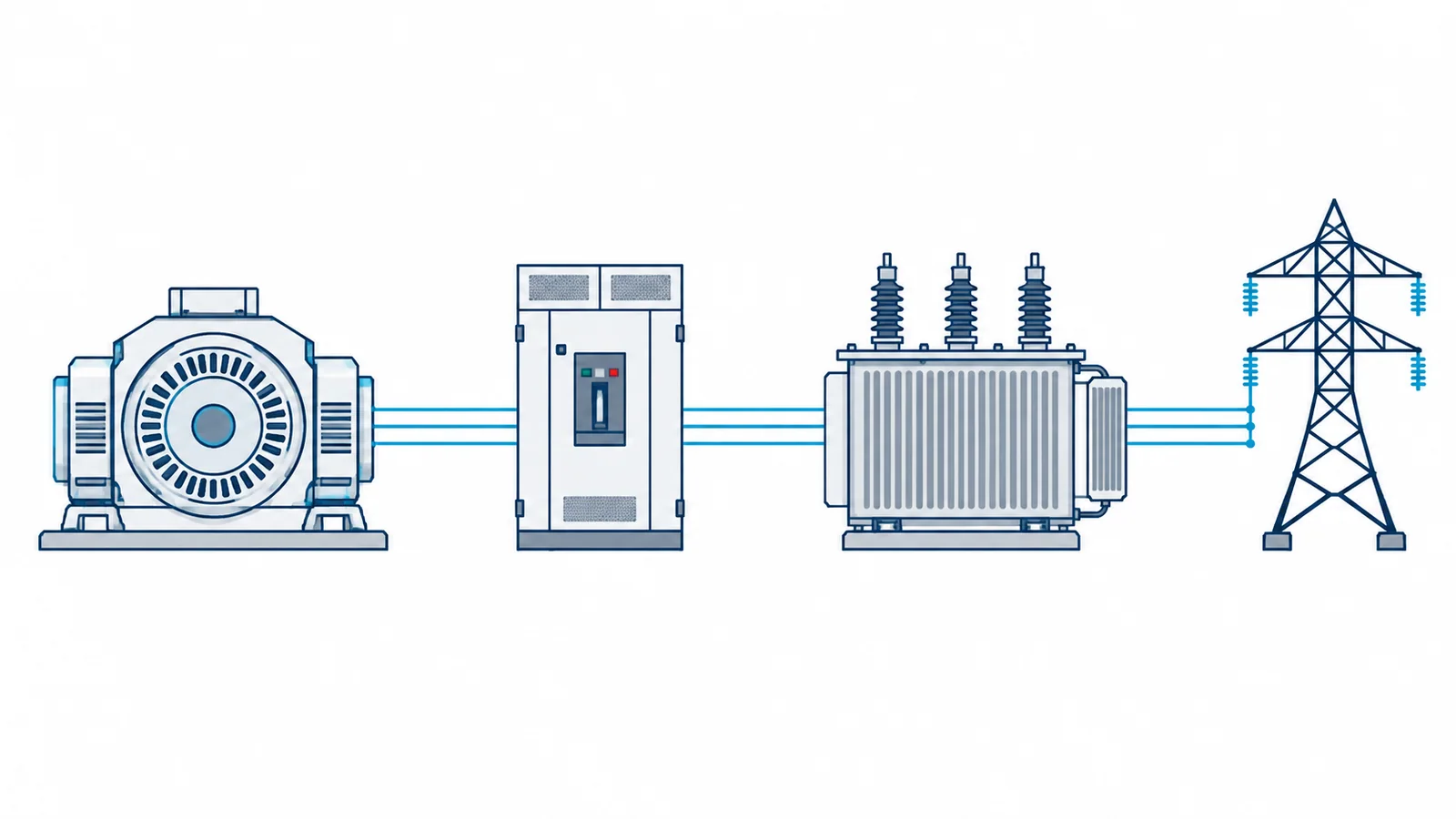
Generator Circuit Breaker Breaking Capacity: Study Both Fault Sources
A medium-voltage generator circuit breaker (GCB) cannot be specified from one symmetrical short-circuit kA value. Study faults fed from the generator and faults fed from the power system…
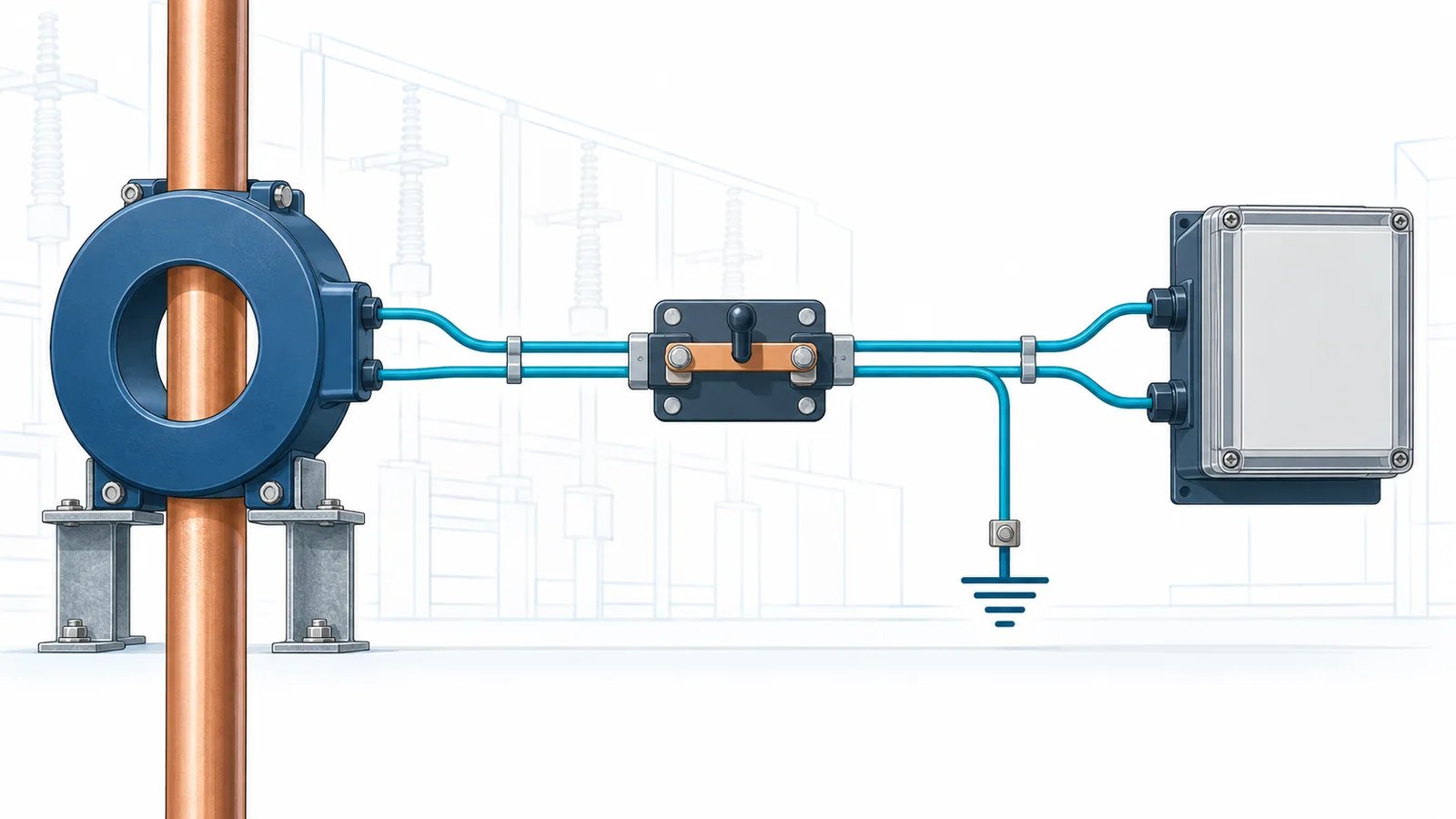
Current Transformer Installation, Earthing, and Testing: A Safe Workflow
Before commissioning an inductive current transformer (CT), de-energize and secure the primary circuit, keep every unused or incomplete secondary shorted, install one designated secondary grounding point, verify nameplate/ratio/polarity…
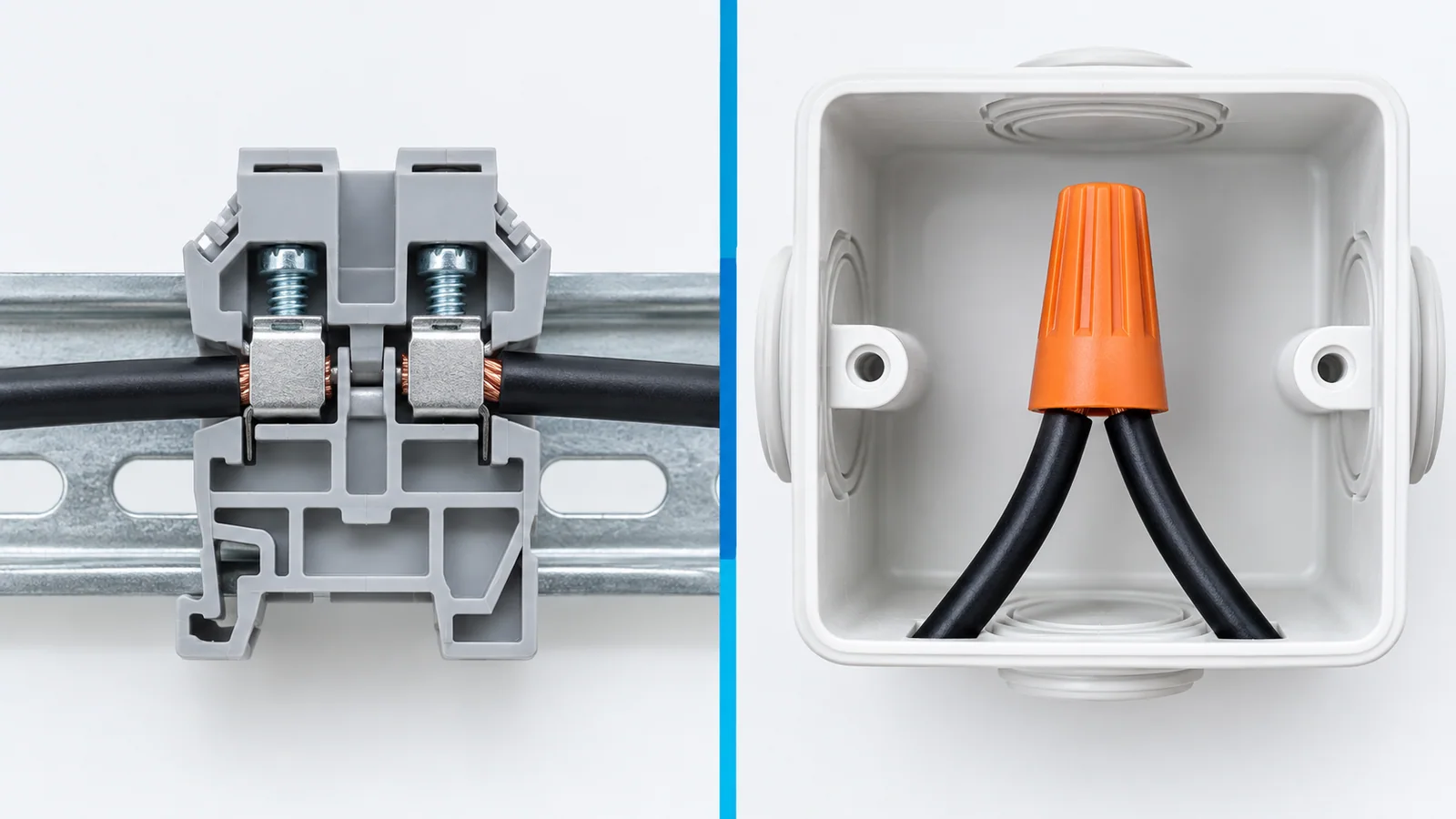
Terminal Blocks vs. Wire Nuts: Choose by Connection and Certification
Use terminal blocks when conductors need organized, repeatable equipment terminations, circuit identification, test access or controlled disconnection. Use a listed twist-on or other splicing wire connector when compatible…