
Selected work
Explore MAX’s guides to distribution-substation equipment and power flow, circuit-breaker feeder cable sizing, and vacuum circuit-breaker current chopping. These articles show the range of electrical topics covered in his published work.
Latest from MAX
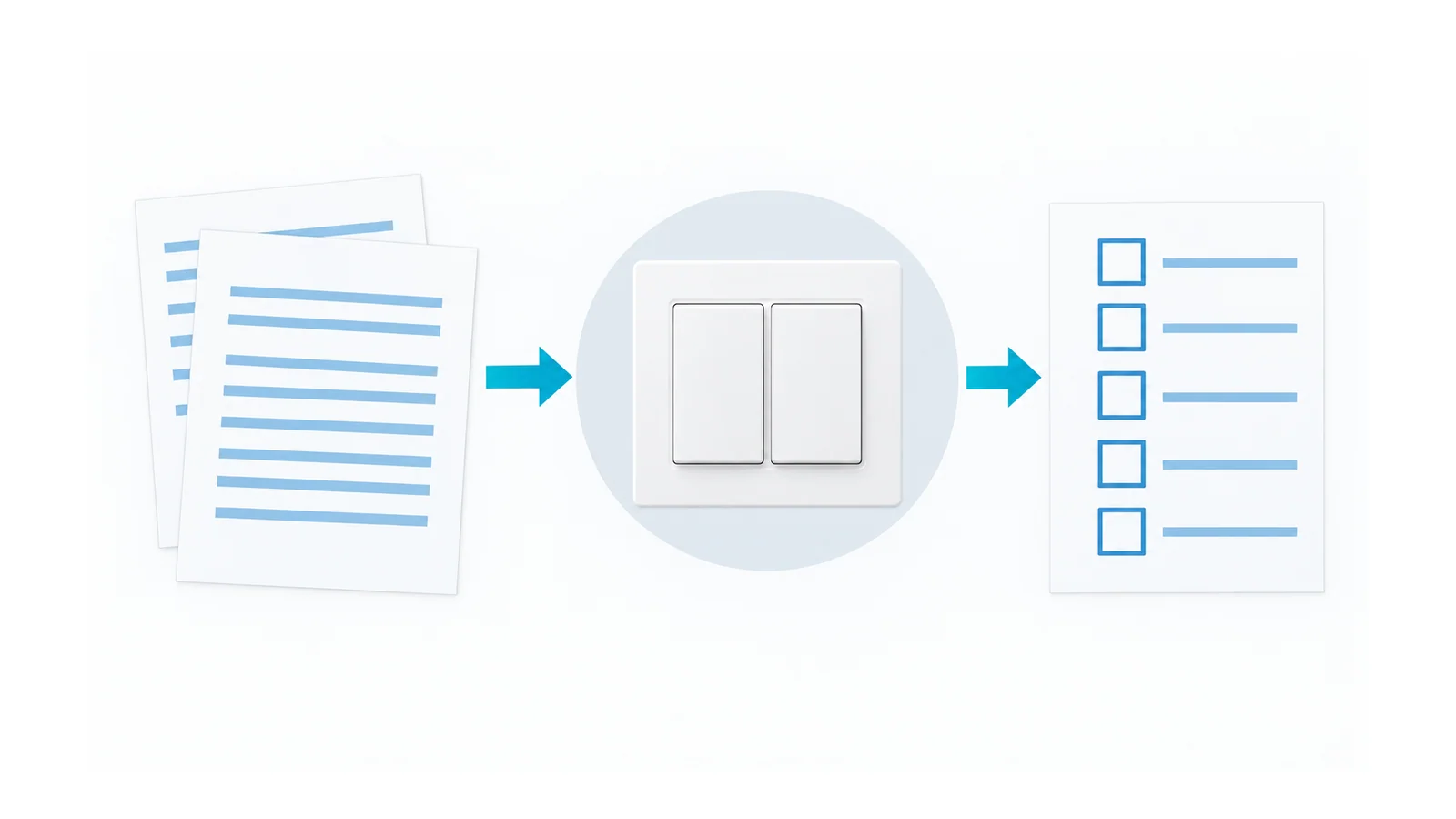
Modular Switch and Socket Installation: Five Verification Gates
A modular switch or socket installation is ready for handover only after five questions have documented answers: is the accessory system suitable, was the work safely isolated, are…

Switch and Socket Safety: Warning Signs and Safe User Checks
Stop using a switch or socket that shows scorching, melting, unexplained crackling, physical damage or an electric-shock symptom. Keep people away and arrange assessment by a competent electrical…
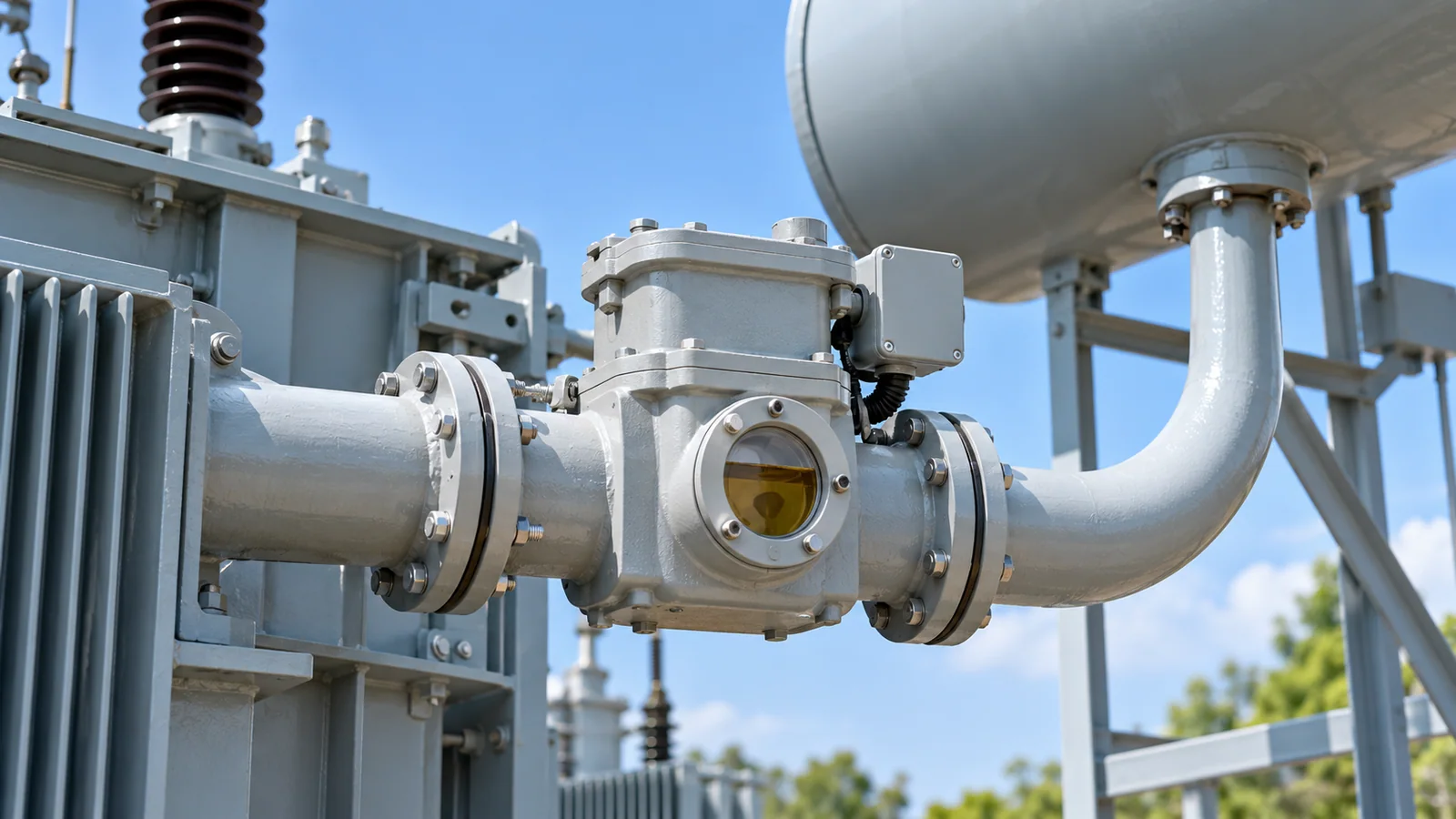
Buchholz Relay Troubleshooting: Alarm, Trip and Safe Investigation
A Buchholz relay operation is evidence to investigate, not a diagnosis by itself. First identify the exact relay element and the alarm or trip contact that operated. Preserve…
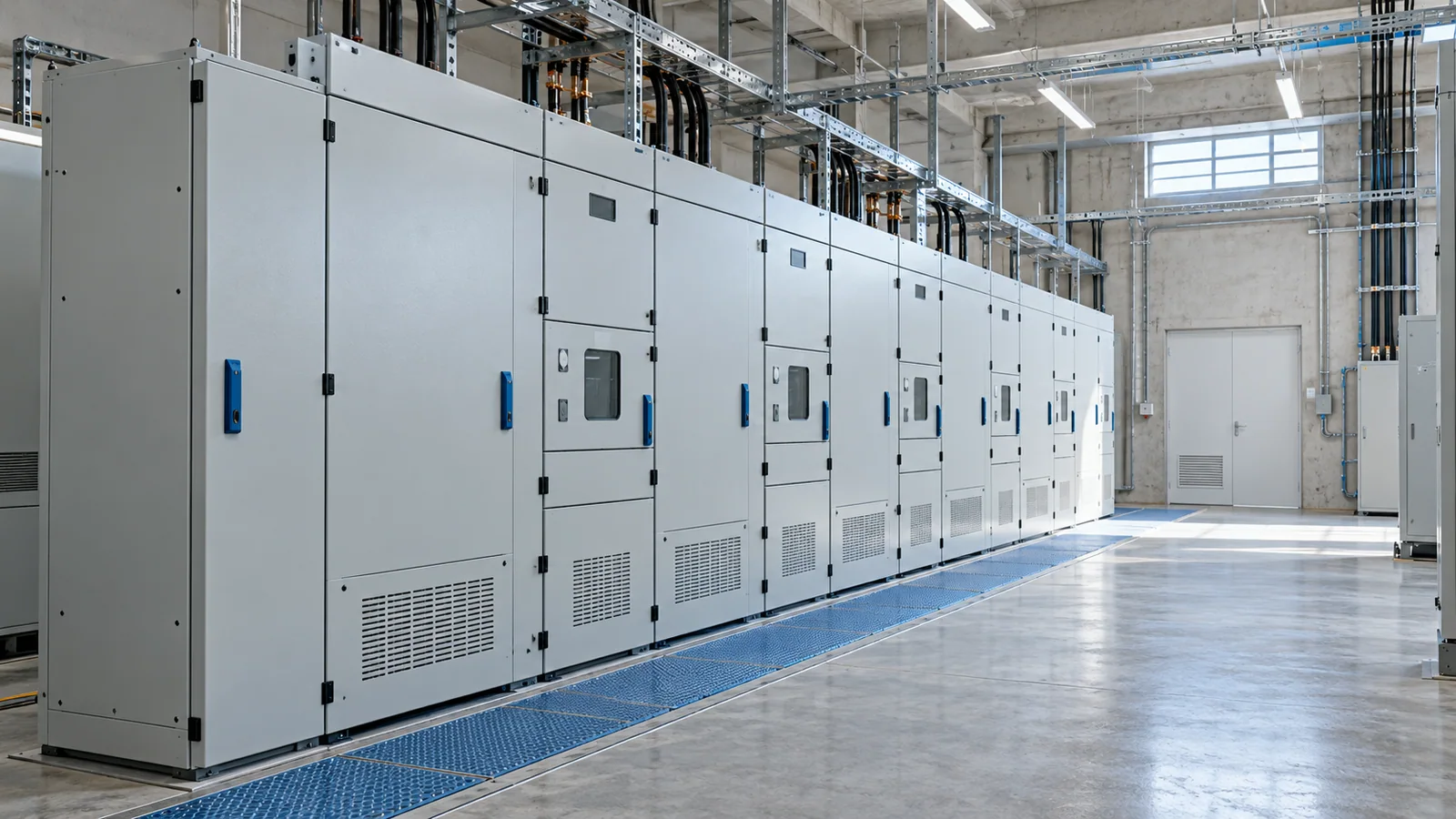
Aging Switchgear: When to Repair, Retrofit or Replace
Calendar age should trigger a review, not automatically decide replacement. Repair is defensible when the defect is localized and the retained assembly remains fit for its duty. Retrofit…
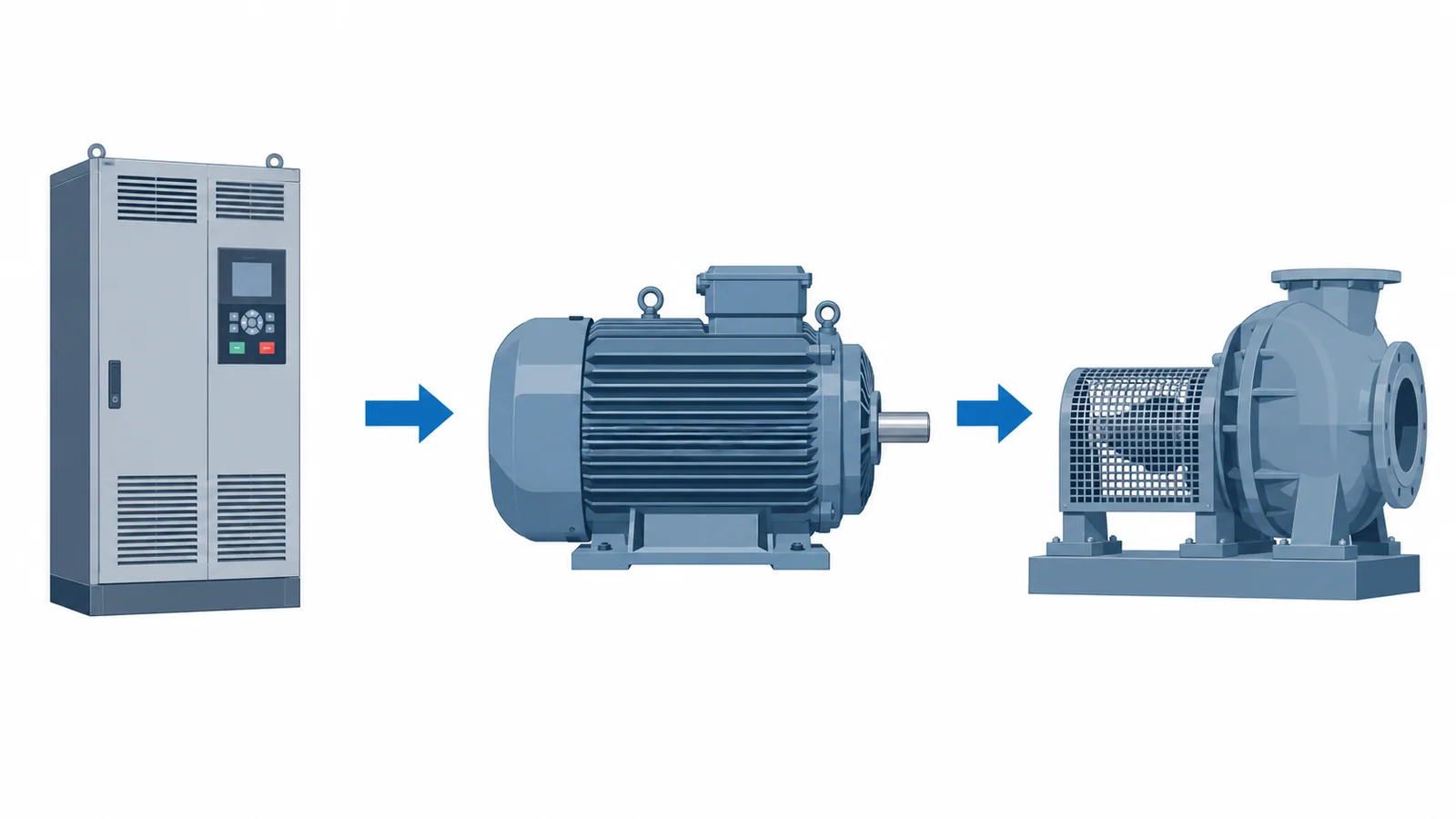
Induction Motor Calculations Every VFD User Should Know
A variable-frequency drive (VFD) controls the electrical frequency supplied to a motor, but frequency is not the same as actual shaft speed. For an induction motor, first calculate…
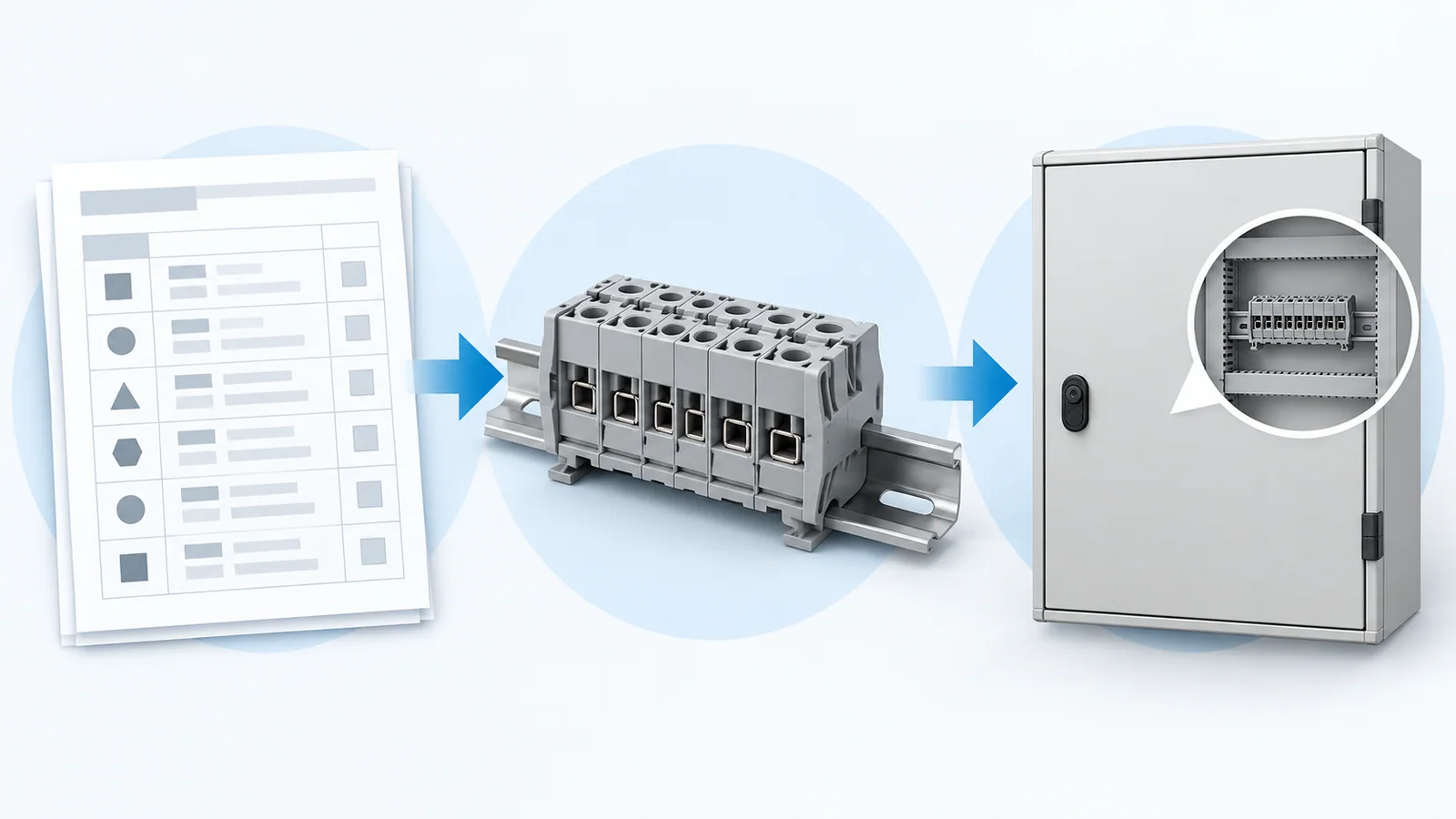
How to Select Terminal Blocks for Electrical Panels
Select a terminal block by circuit function first, then verify conductor acceptance, electrical duty and environmental conditions. Only after those checks should you finalize bridges, protective-earth connections, mounting…
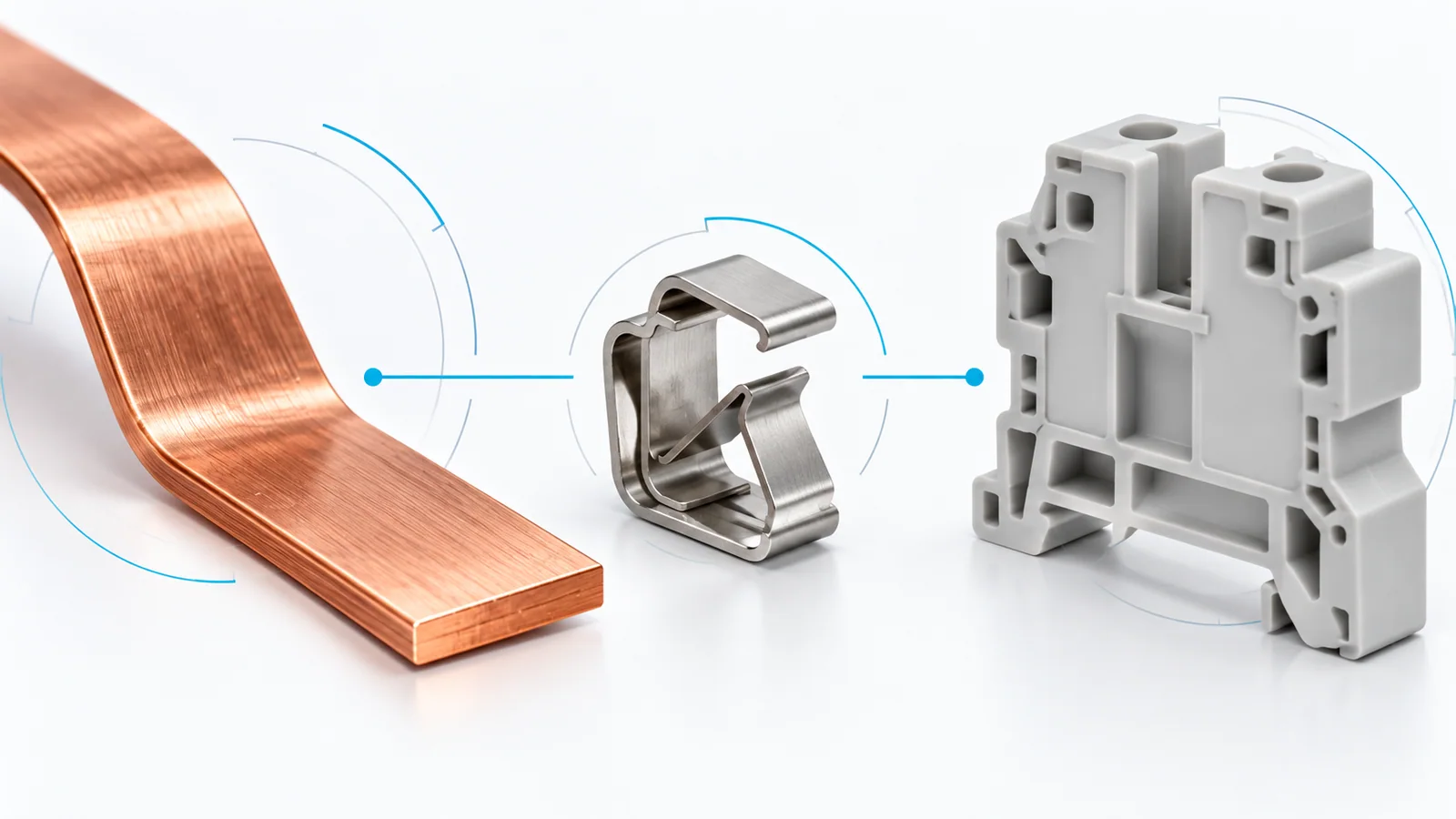
Terminal Block Materials: Durability, Contact Resistance and Losses
A terminal block is a connection system, not a single material. Its conducting parts carry current, its clamping mechanism maintains contact, its surface finish affects the interface, and…
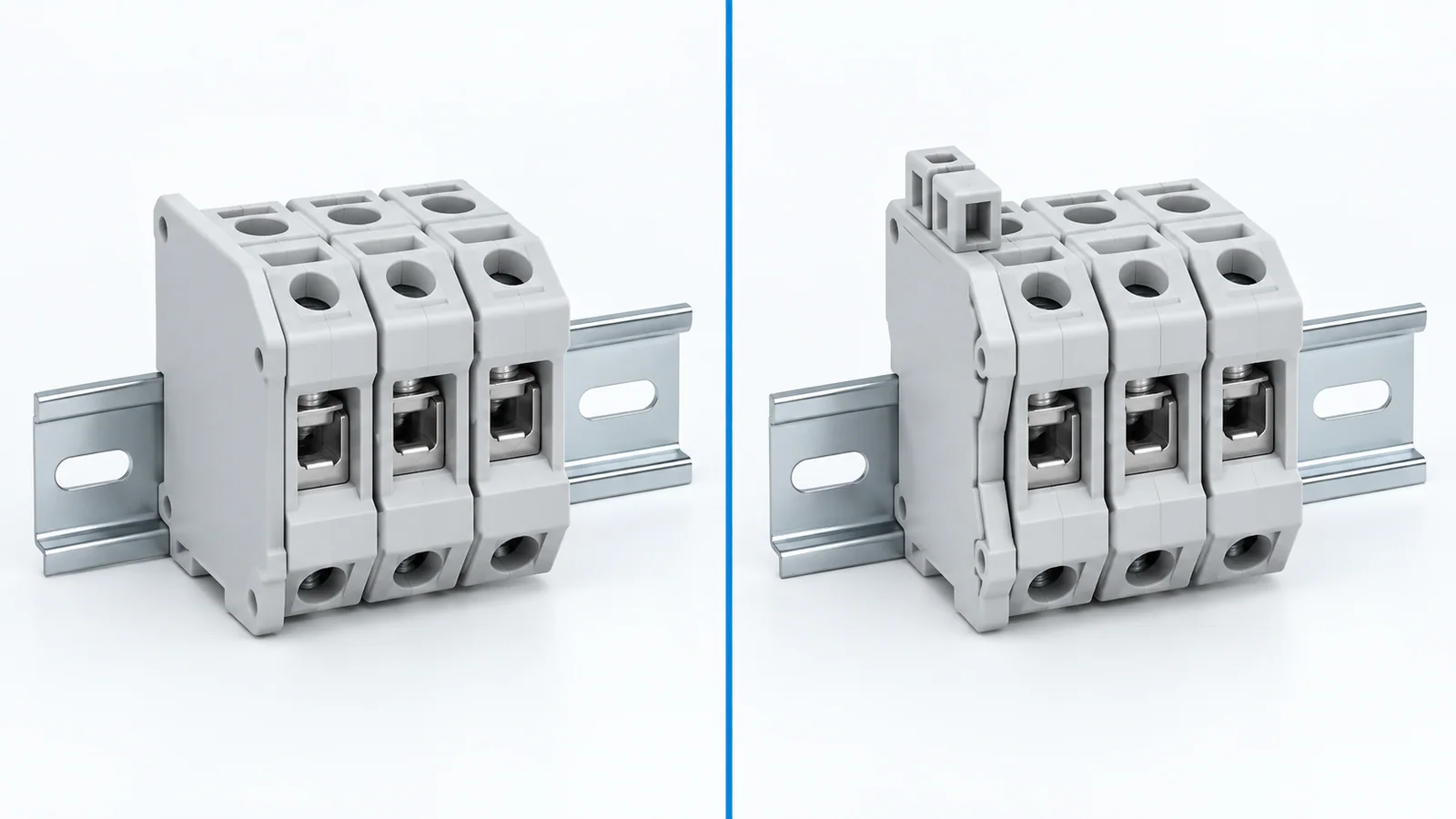
Terminal Block Replacement Checklist: Ratings, Fit and Accessories
A terminal block is not interchangeable just because it clips onto the same rail or accepts the same-looking wire. Before approving a replacement, compare the circuit function, rated…
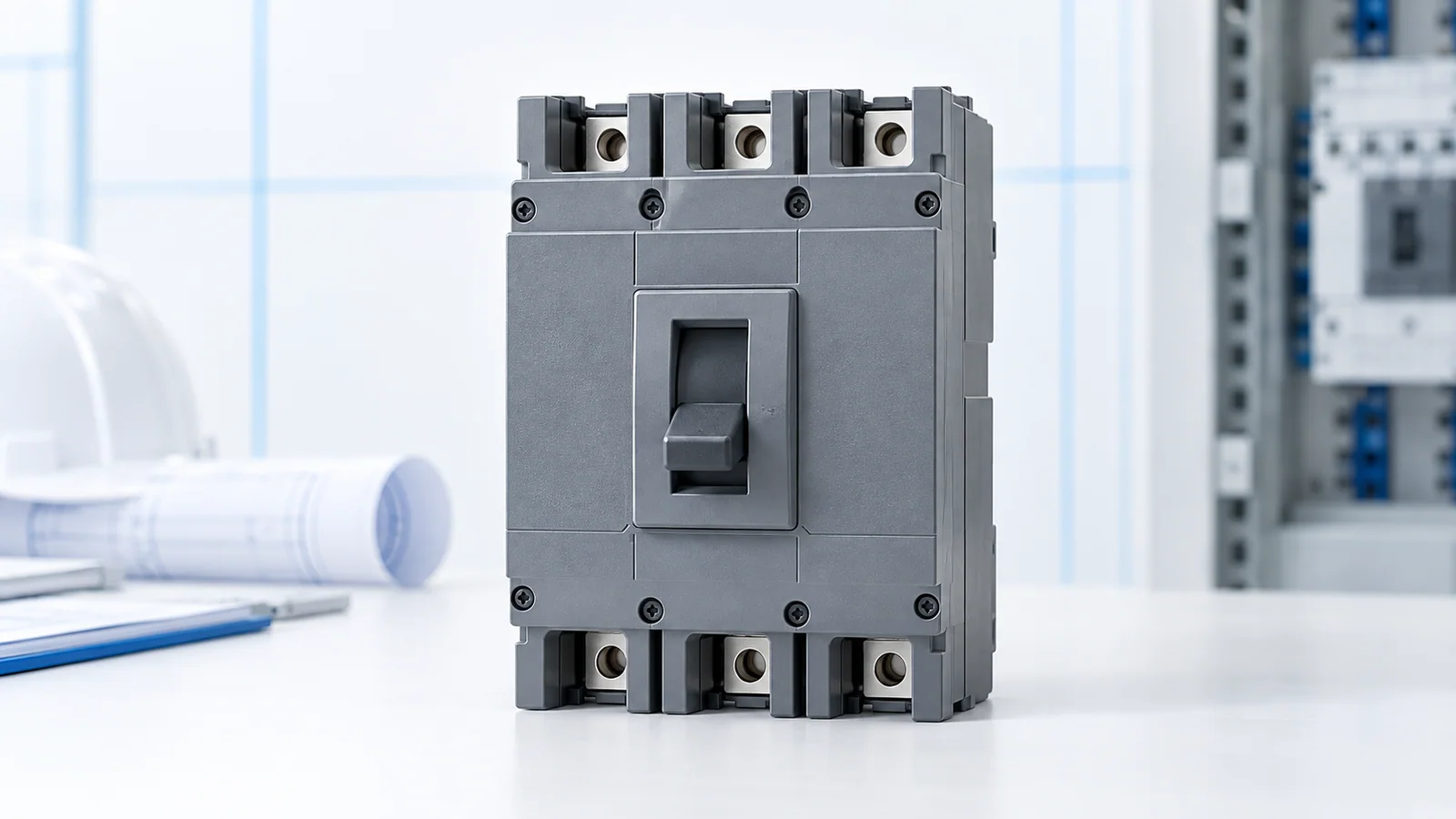
Circuit Breaker Size Calculation: Why a Load-Only Chart Is Not Enough
Calculate design current first, but do not choose a breaker from that number alone. For an IEC-oriented low-voltage circuit, the selected device or effective long-time setting must carry…
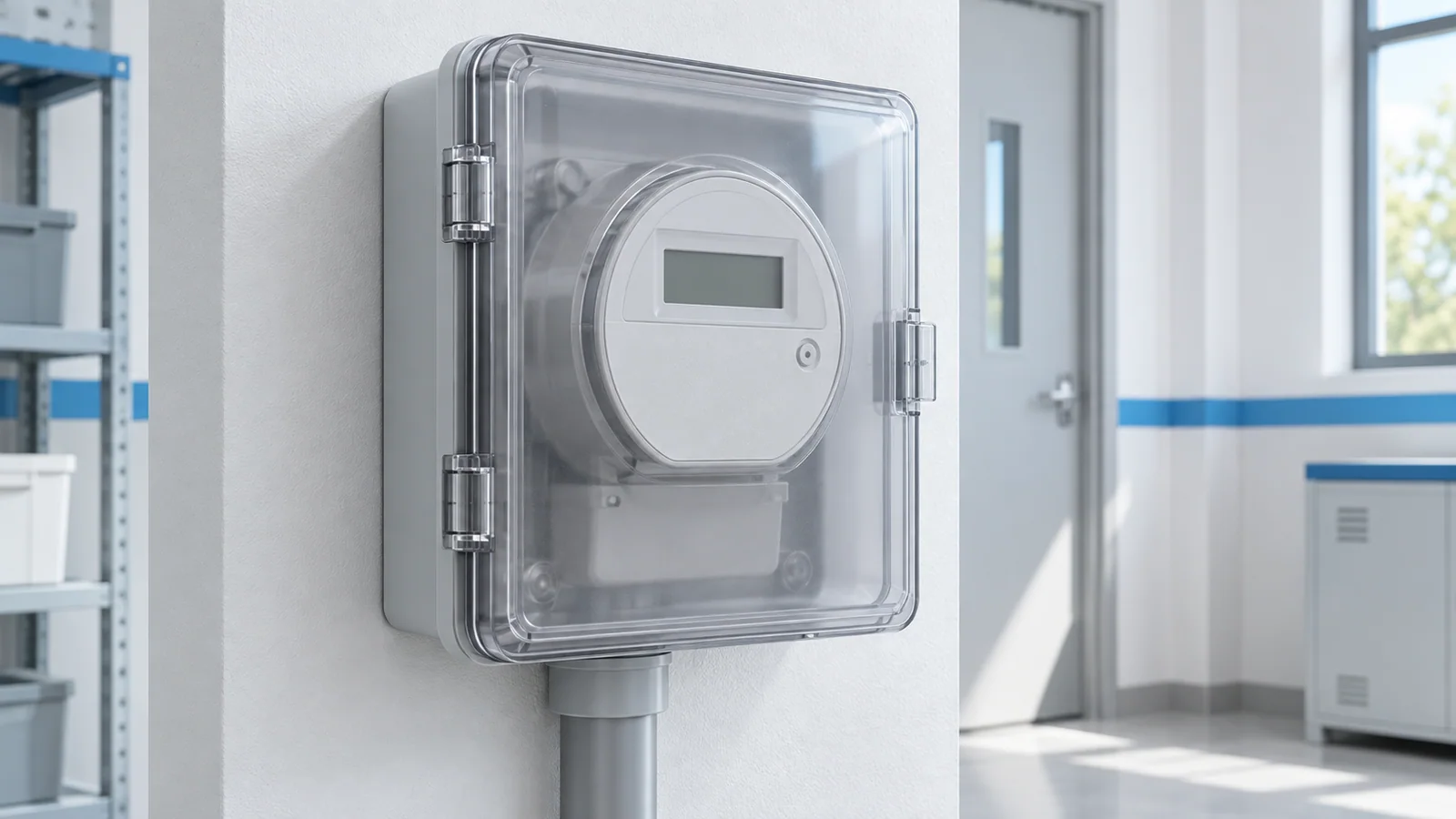
Single-Phase Energy Meter Wiring: A Safe Installation Workflow
There is no universal terminal-number diagram for a single-phase kilowatt-hour (kWh) meter. Before installation, identify whether the meter is directly connected or transformer operated, obtain the exact device…