
Selected work
Explore MAX’s guides to distribution-substation equipment and power flow, circuit-breaker feeder cable sizing, and vacuum circuit-breaker current chopping. These articles show the range of electrical topics covered in his published work.
Latest from MAX
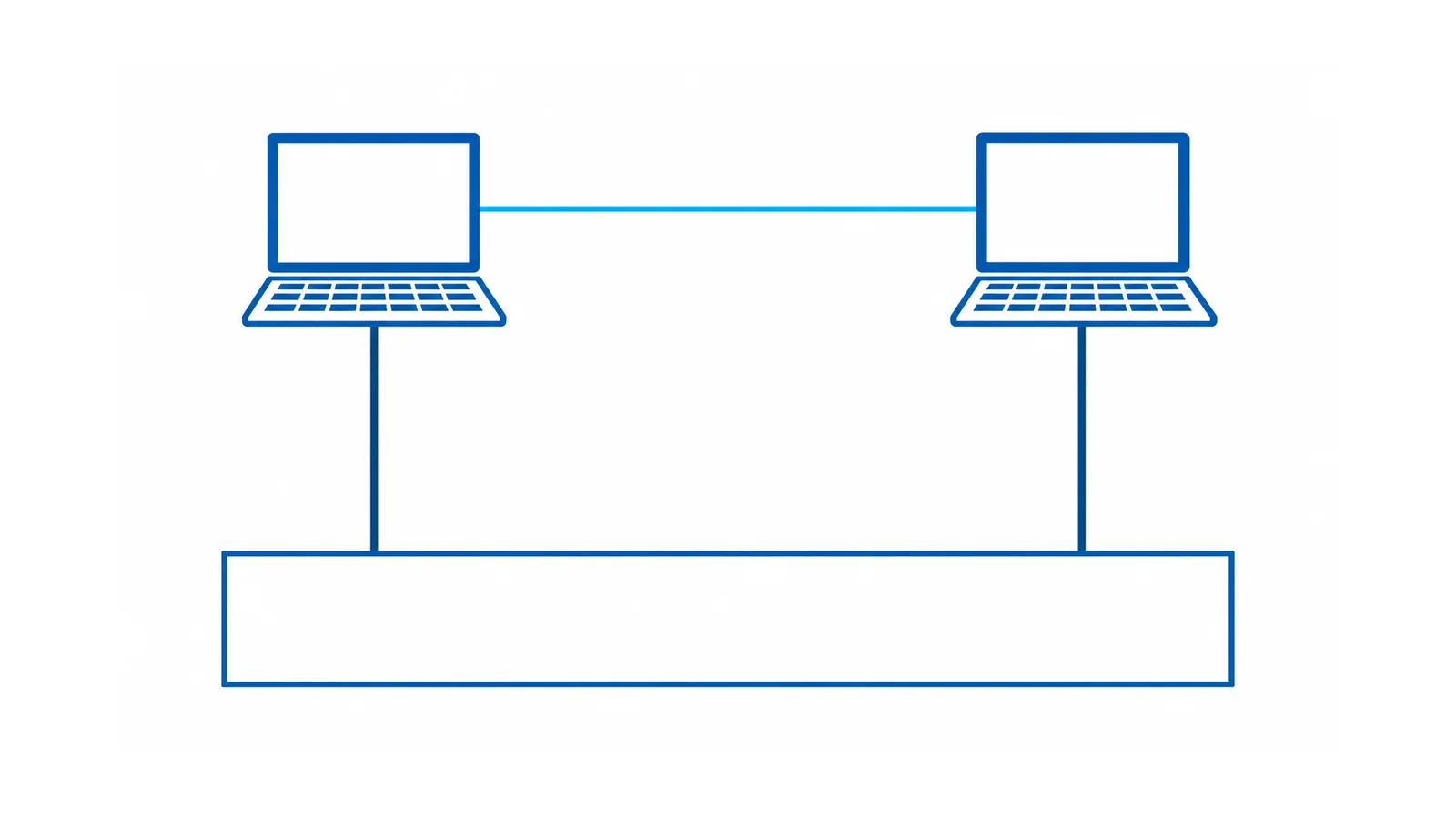
Computer Grounding Problems: Diagnose Noise Without Removing Protective Earth
When a computer resets, a data link fails or connected equipment produces interference, keep the protective grounding path intact and investigate the power and data interfaces together. The…
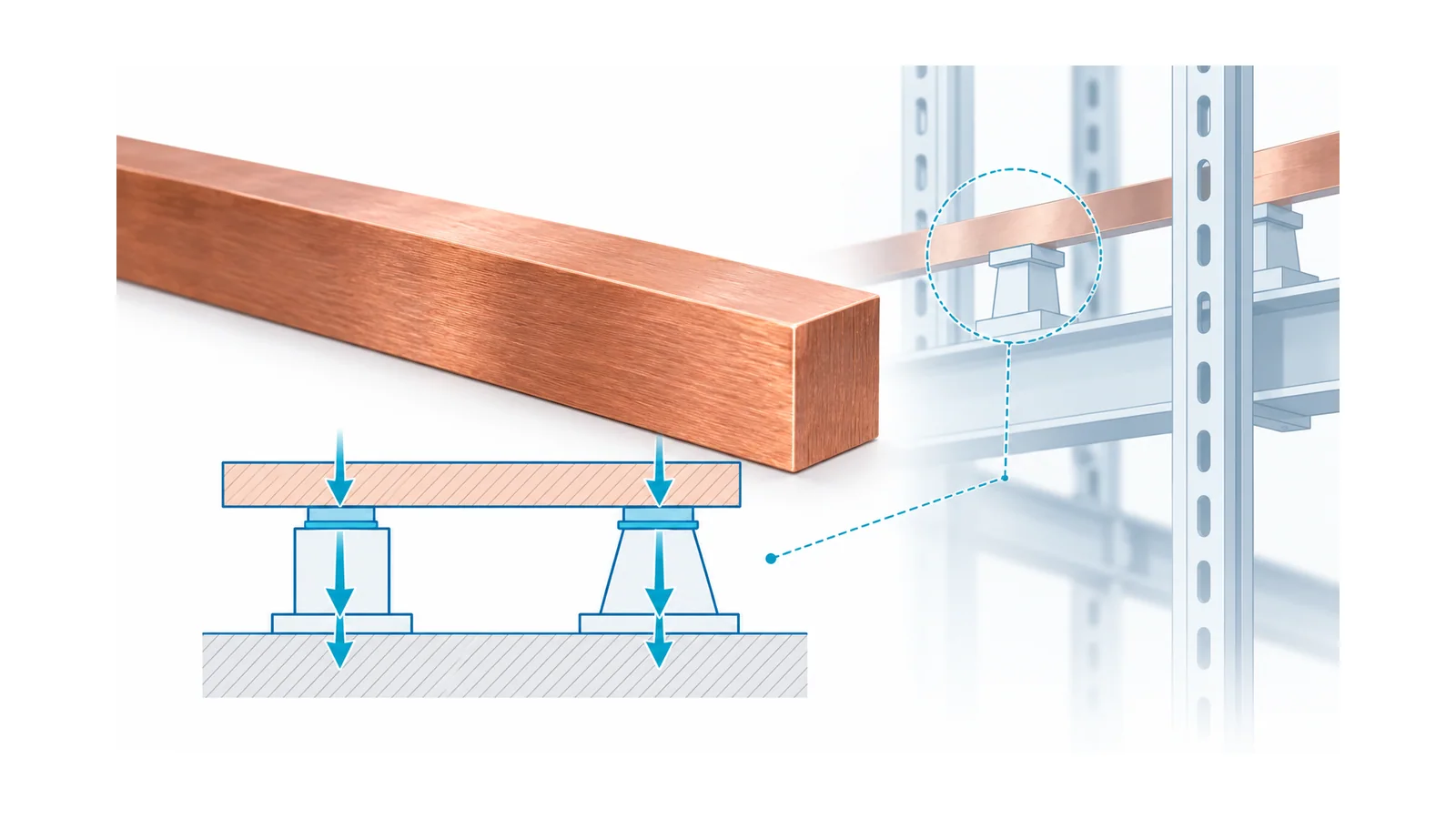
Busbar Short-Circuit Stress: Peak Force, Supports and AC/DC Boundaries
Busbar short-circuit mechanical verification starts with the fault-current waveform and ends with a demonstrated load path through conductors, joints, supports and their mounting structure. Operating ampacity does not…
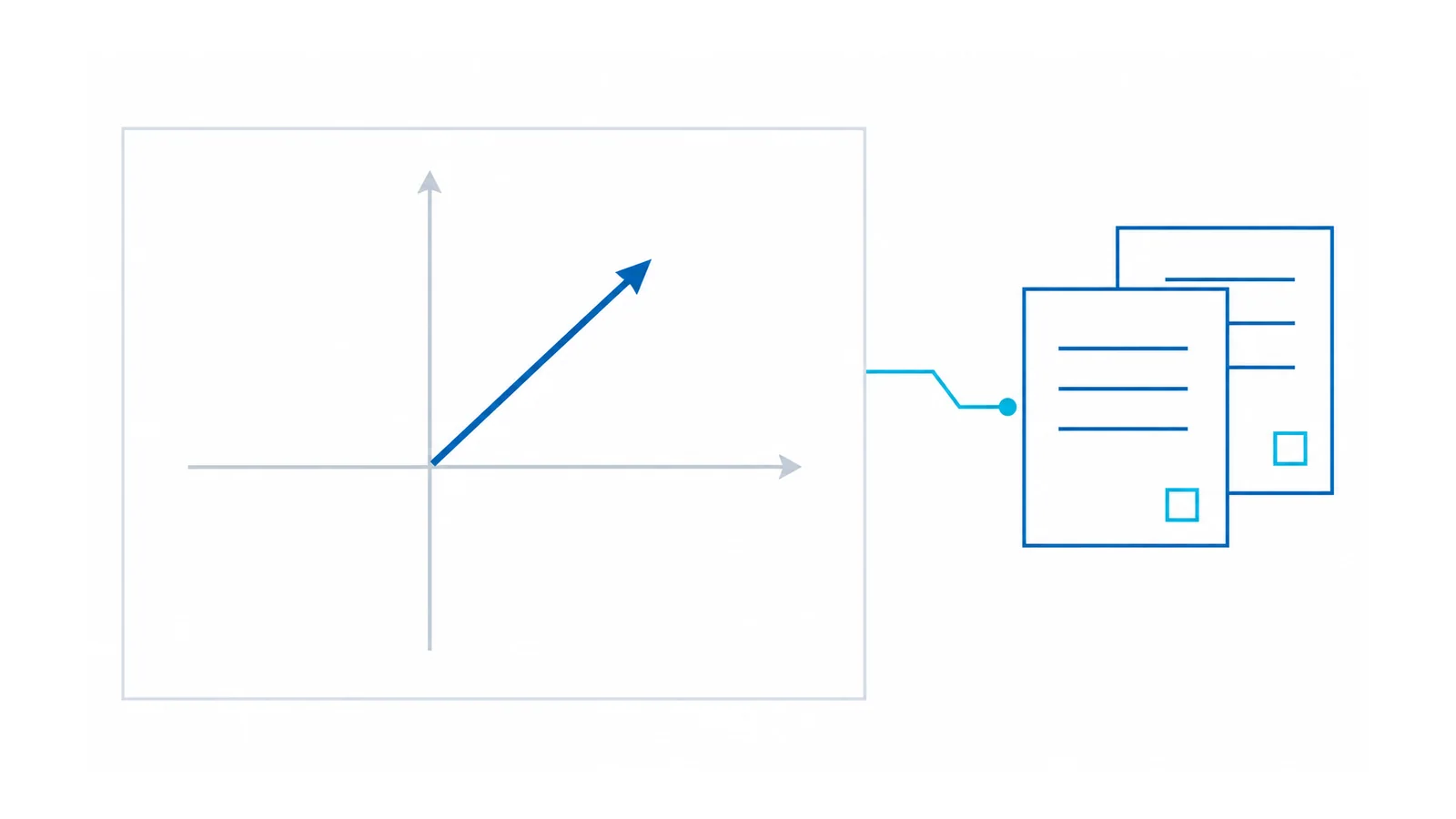
Distance Protection Calculations: Line Impedance, Relay Ohms and Ground Loops
Distance protection compares an apparent loop impedance derived from voltage and current phasors with a defined operating characteristic. A useful calculation must identify the fault loop, line-impedance data,…
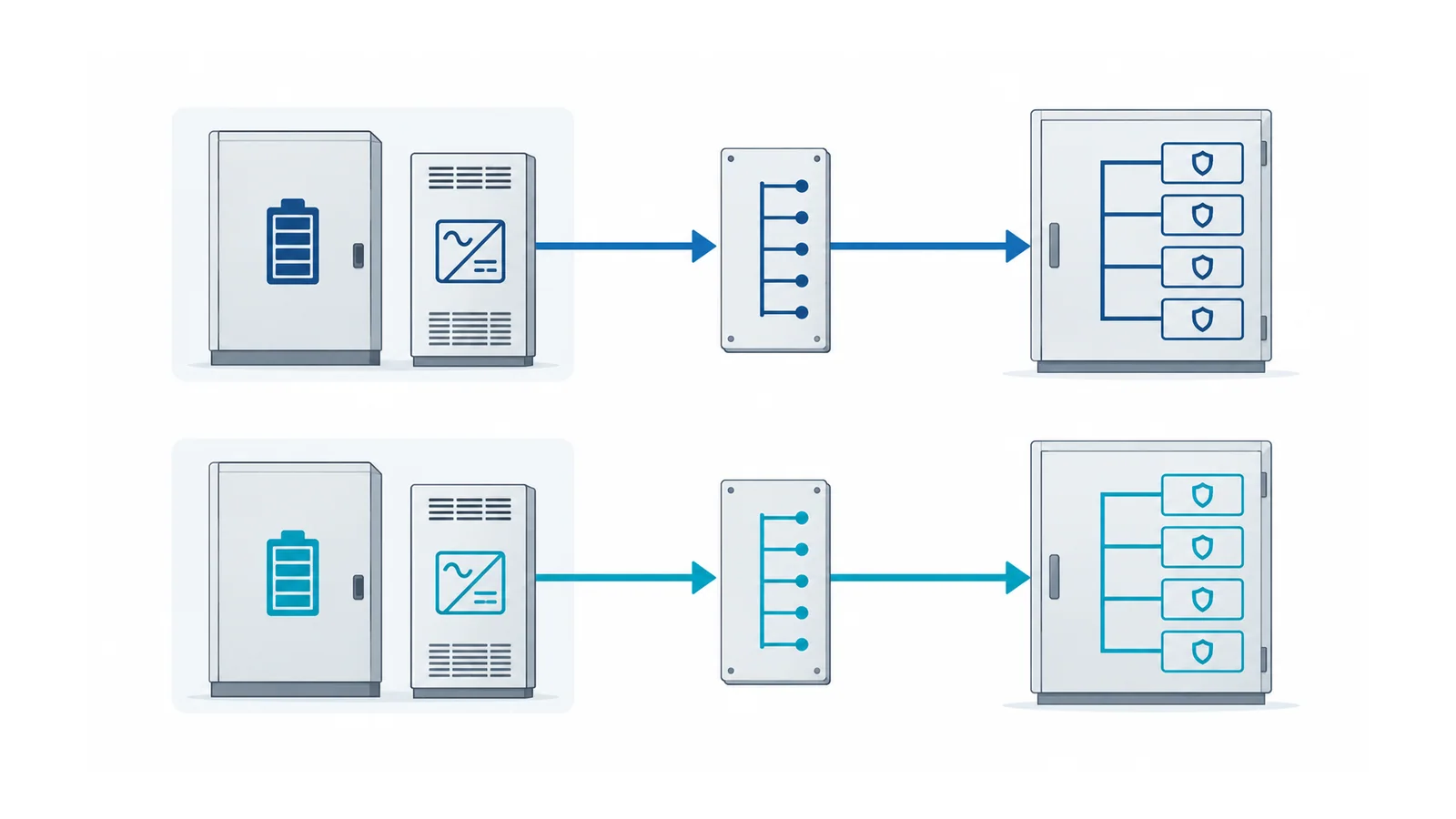
DC Supply Schemes for Substation Protection: A Redundancy Review
Select a substation DC supply scheme by asking which protection functions survive each credible failure, not by counting chargers or drawing two outgoing feeders. Two chargers connected to…
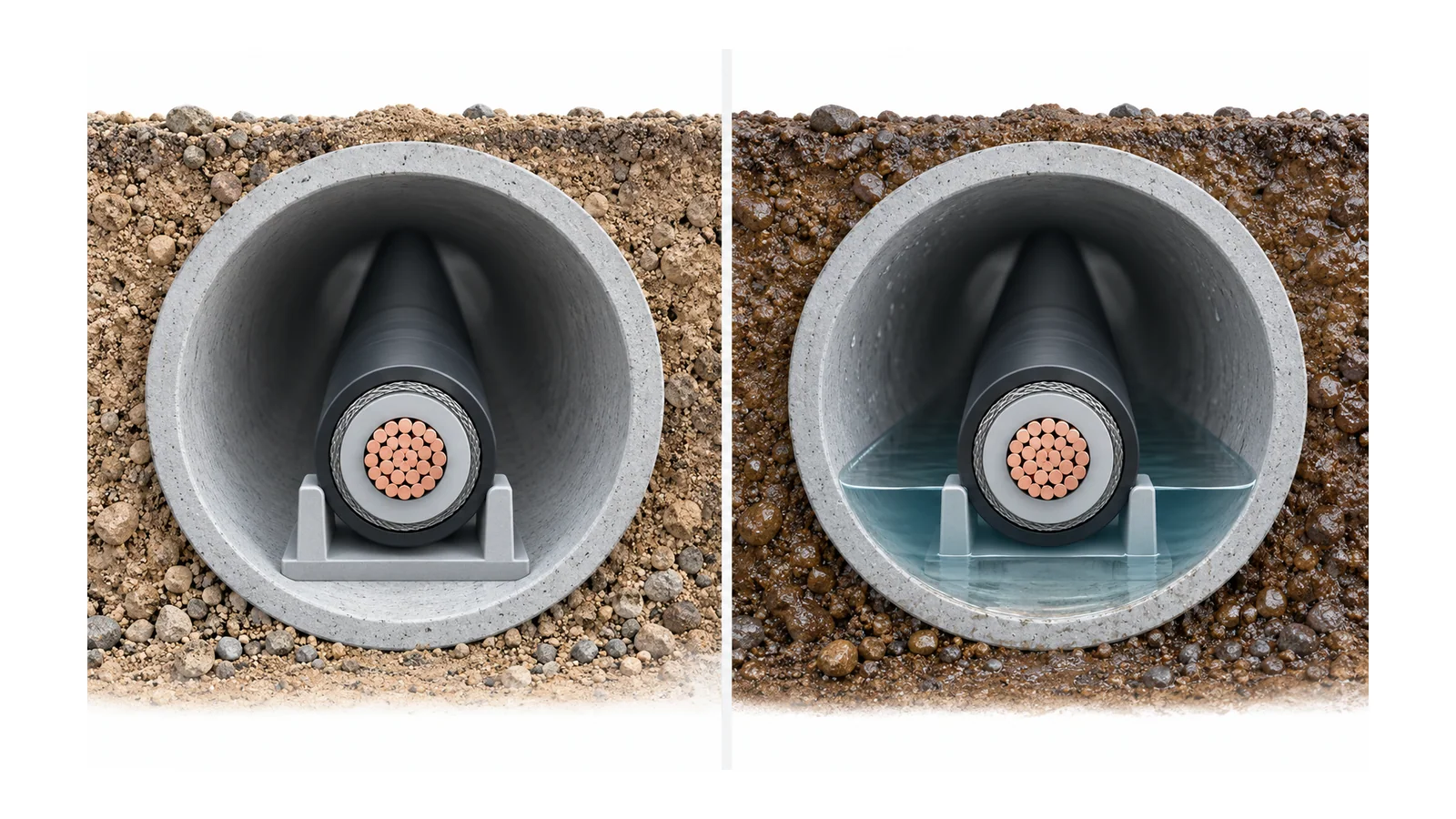
MV Cable Insulation Selection: XLPE, TR-XLPE and EPR
Choose medium-voltage cable insulation by comparing complete cable constructions under the same service conditions. XLPE, tree-retardant XLPE and EPR identify material families; they do not independently establish voltage…
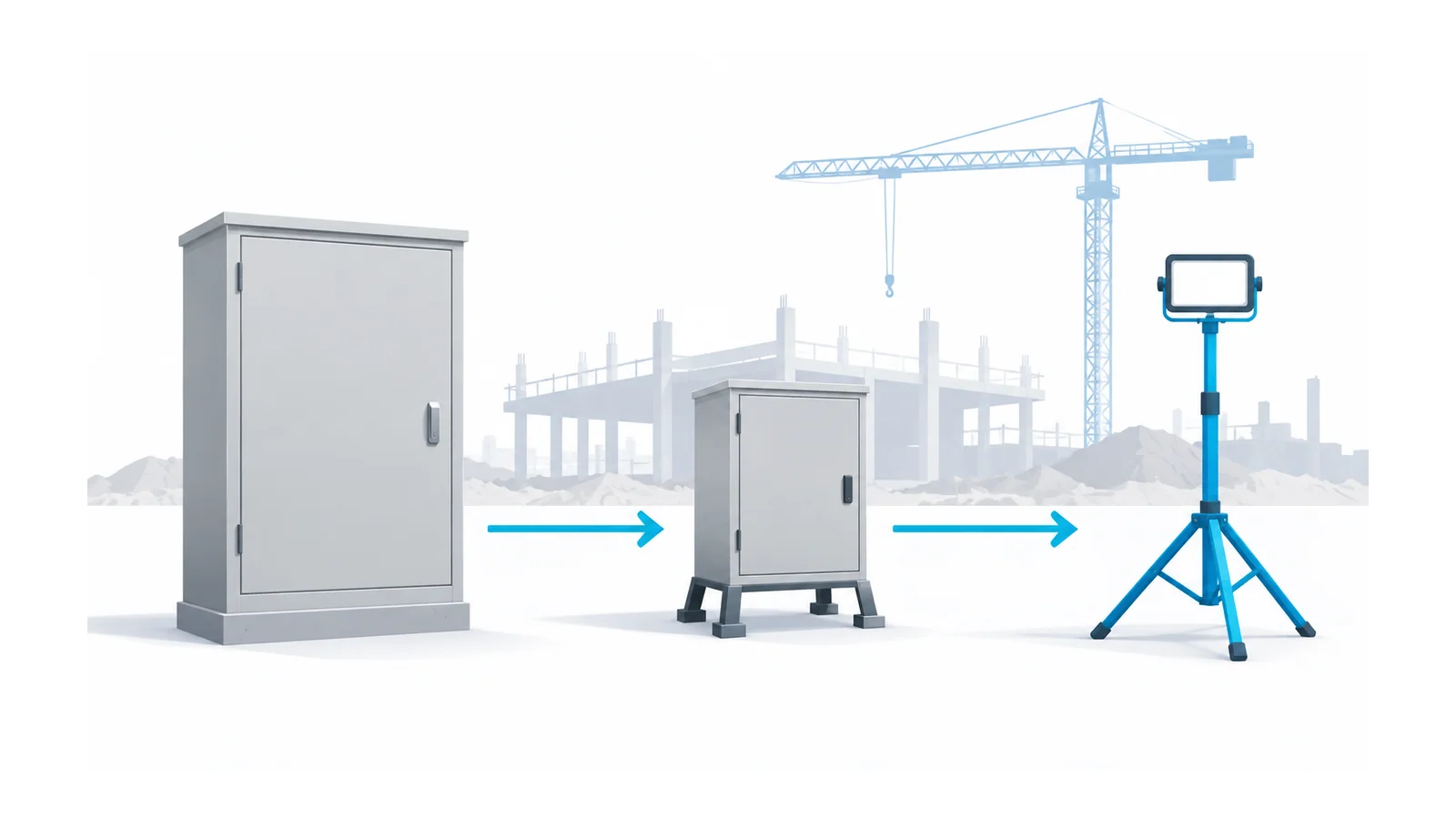
Temporary Jobsite Power: A U.S. NEC and OSHA Verification Workflow
Temporary jobsite power needs a source-to-use verification record, not just a generator, extension cords and a ground-fault circuit interrupter (GFCI). Define the supply and load duty, verify distribution…

ATEX Camera Selection for Zone 1 and Zone 2: Verify the Complete Assembly
An ATEX camera is suitable for a Zone 1 or Zone 2 installation only when the complete installed configuration matches the classified atmosphere and its conformity evidence. Check…
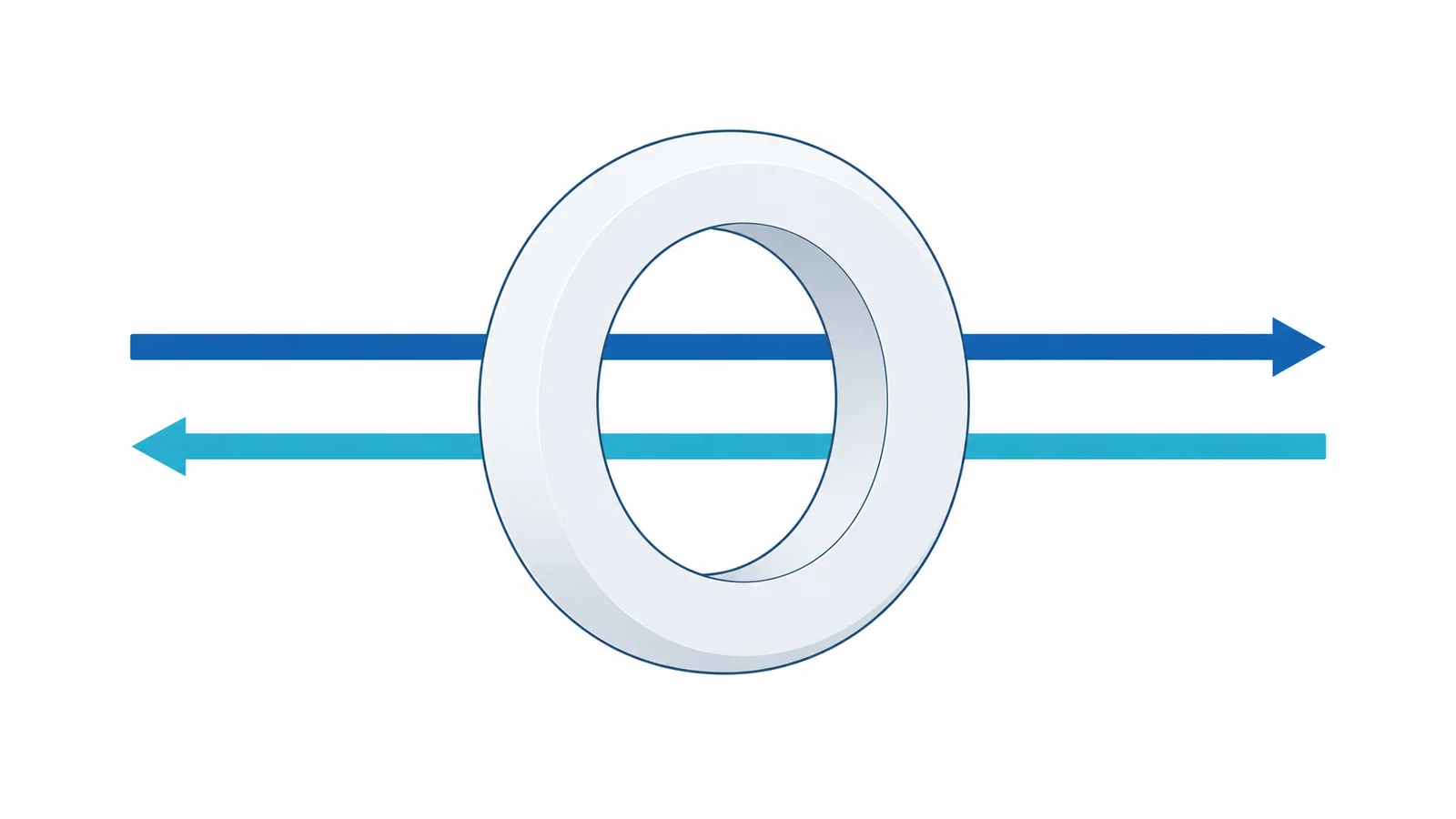
RCD Types AC, A, F and B: Choose by Residual-Current Waveform
Select a residual-current device (RCD) by the residual-current waveforms that the connected equipment can produce, then verify its current rating, residual sensitivity, timing and installation compatibility. Type AC,…

Arc-Flash Relays: Optical Detection, Trip-Chain Tests and Compliance Limits
An optical arc-flash relay detects a specified event and initiates a mitigation command. It does not, by itself, interrupt fault current or establish installation-code compliance. Before crediting the…
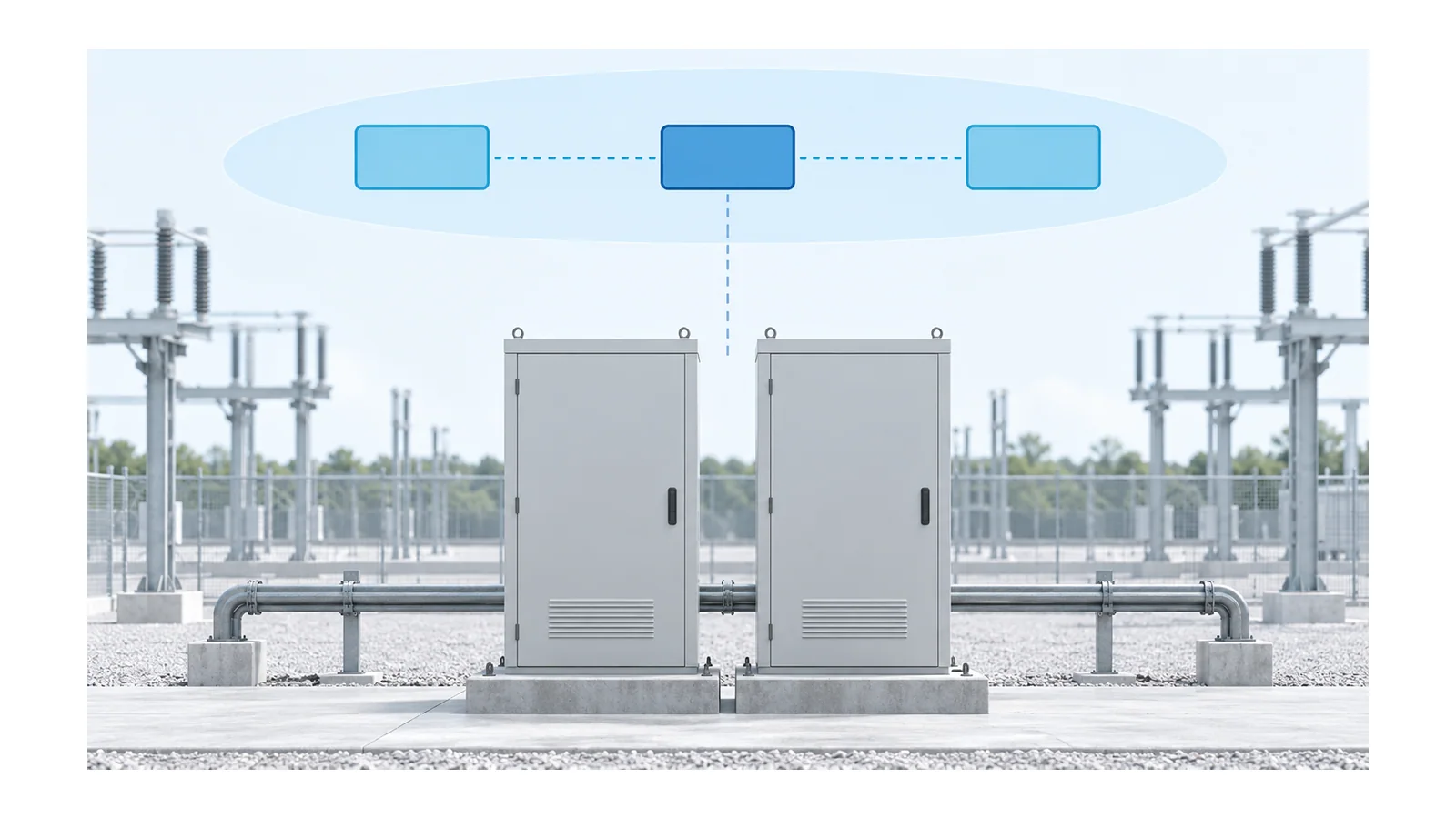
Substation Single-Line Diagrams and IEC 61850 Process Bus: Trace a Relay Circuit
A substation single-line diagram (SLD) shows primary electrical connectivity; it is not a complete relay circuit. In an IEC 61850 installation, measurement samples and protection signals may travel…