
Selected work
Explore MAX’s guides to distribution-substation equipment and power flow, circuit-breaker feeder cable sizing, and vacuum circuit-breaker current chopping. These articles show the range of electrical topics covered in his published work.
Latest from MAX
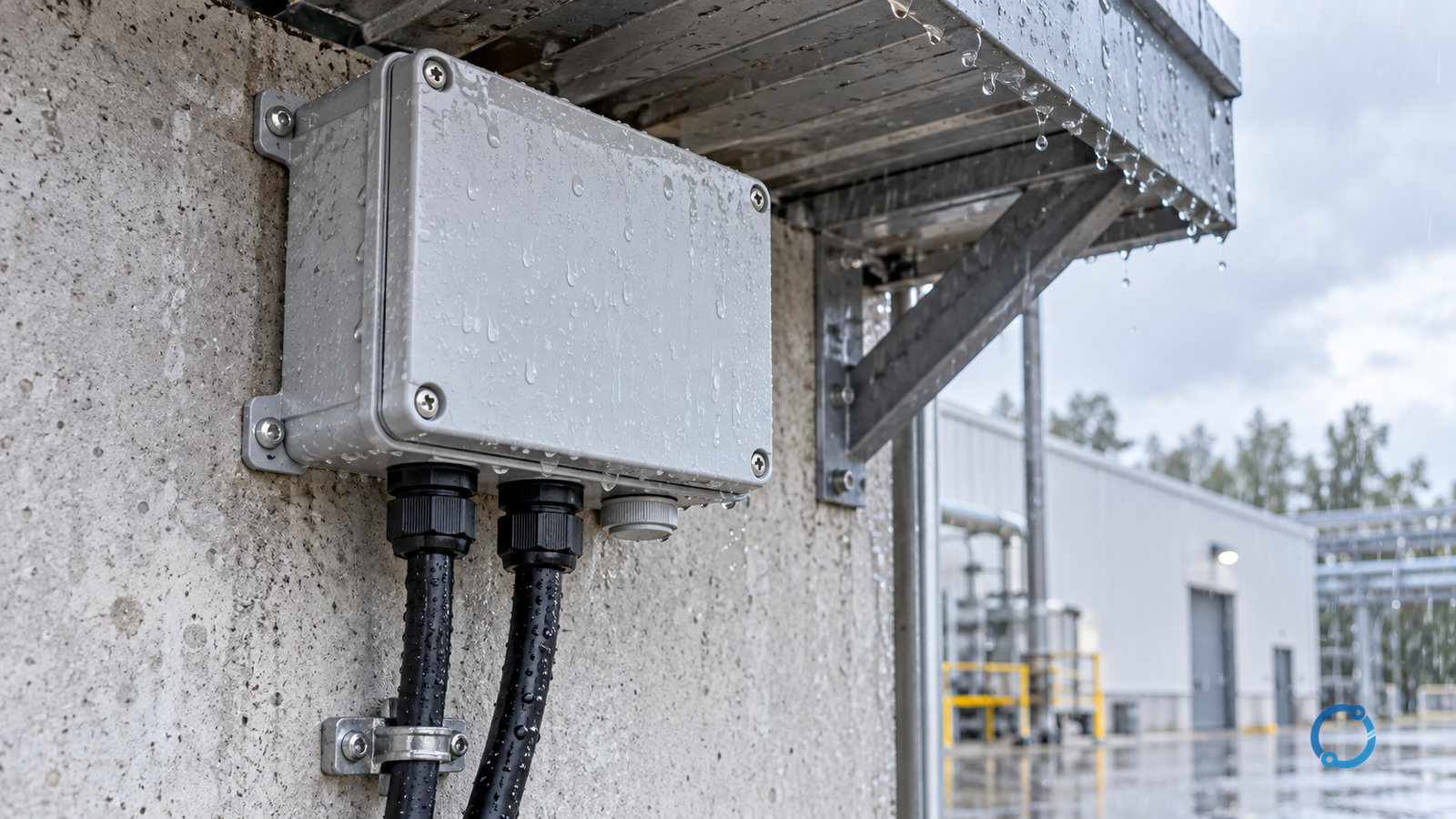
Outdoor Junction Box Terminal Selection: Sealing, Condensation and Service
Choose outdoor terminations as part of a complete enclosure, cable-entry and service arrangement. A terminal described as “waterproof” cannot make an unsuitable box, gland or damaged lid seal…
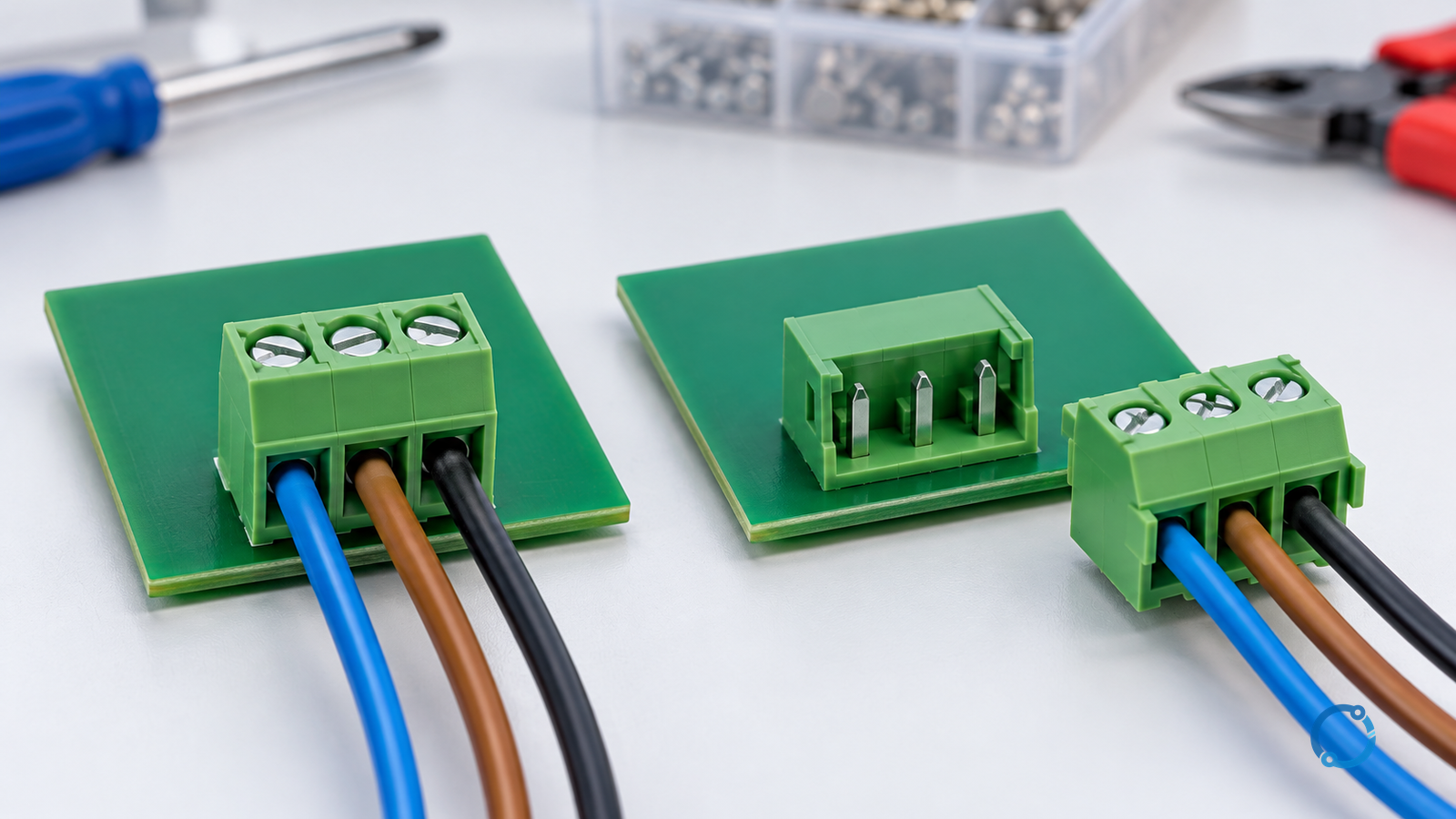
Fixed vs Pluggable 5.08 mm PCB Terminal Blocks: What to Compare
Choose a fixed PCB terminal block when the wiring can remain with the board or be individually released during service. Consider a matched pluggable interface when the harness…
Overcurrent Relay Coordination: A Worked Study and Release Checklist
Overcurrent relay coordination is a study of which device detects and clears each fault, in which operating state, and with what remaining protection margin. Compare devices on a…
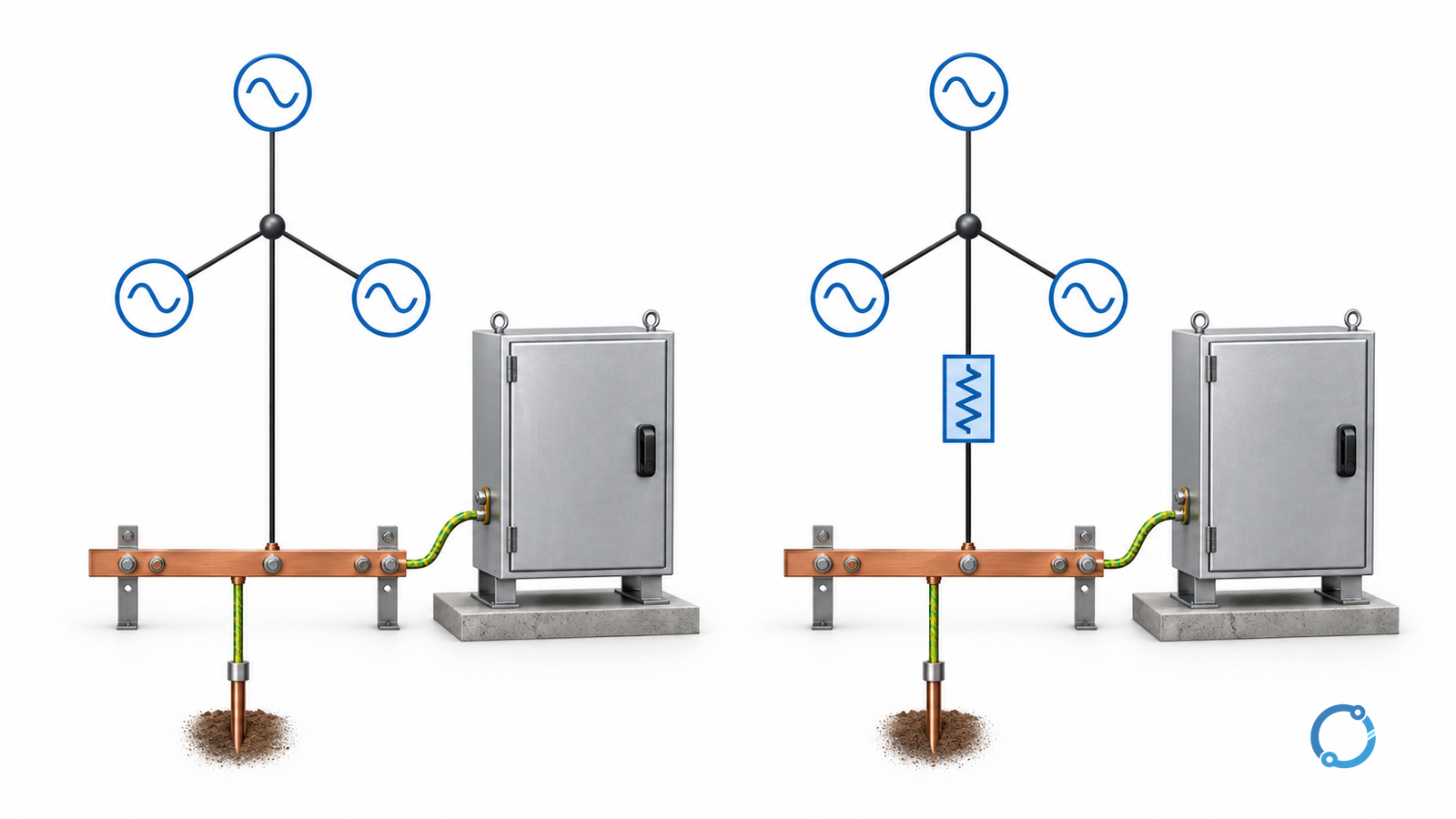
Neutral Earthing System Selection: Fault Current, Continuity and Protection
Choose a neutral earthing system by deciding how the installation must behave during a phase-to-earth fault, then verifying that the source, connected loads, insulation and protection can support…
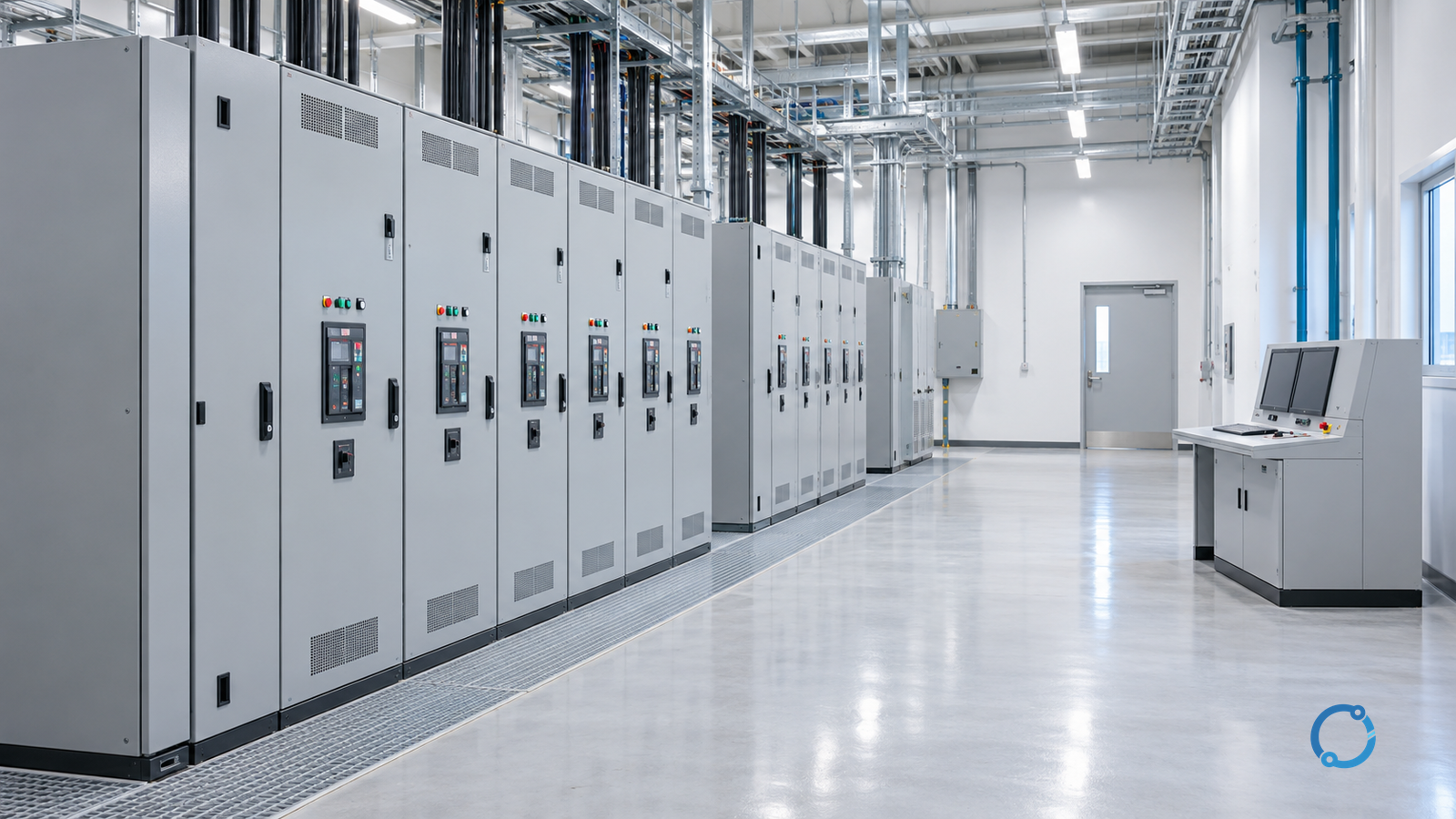
Prevention through Design for Electrical Safety: A Plant Design Review
Prevention through Design (PtD) for electrical safety means changing equipment and work arrangements so that hazardous exposure is removed or reduced before the plant relies on a work…
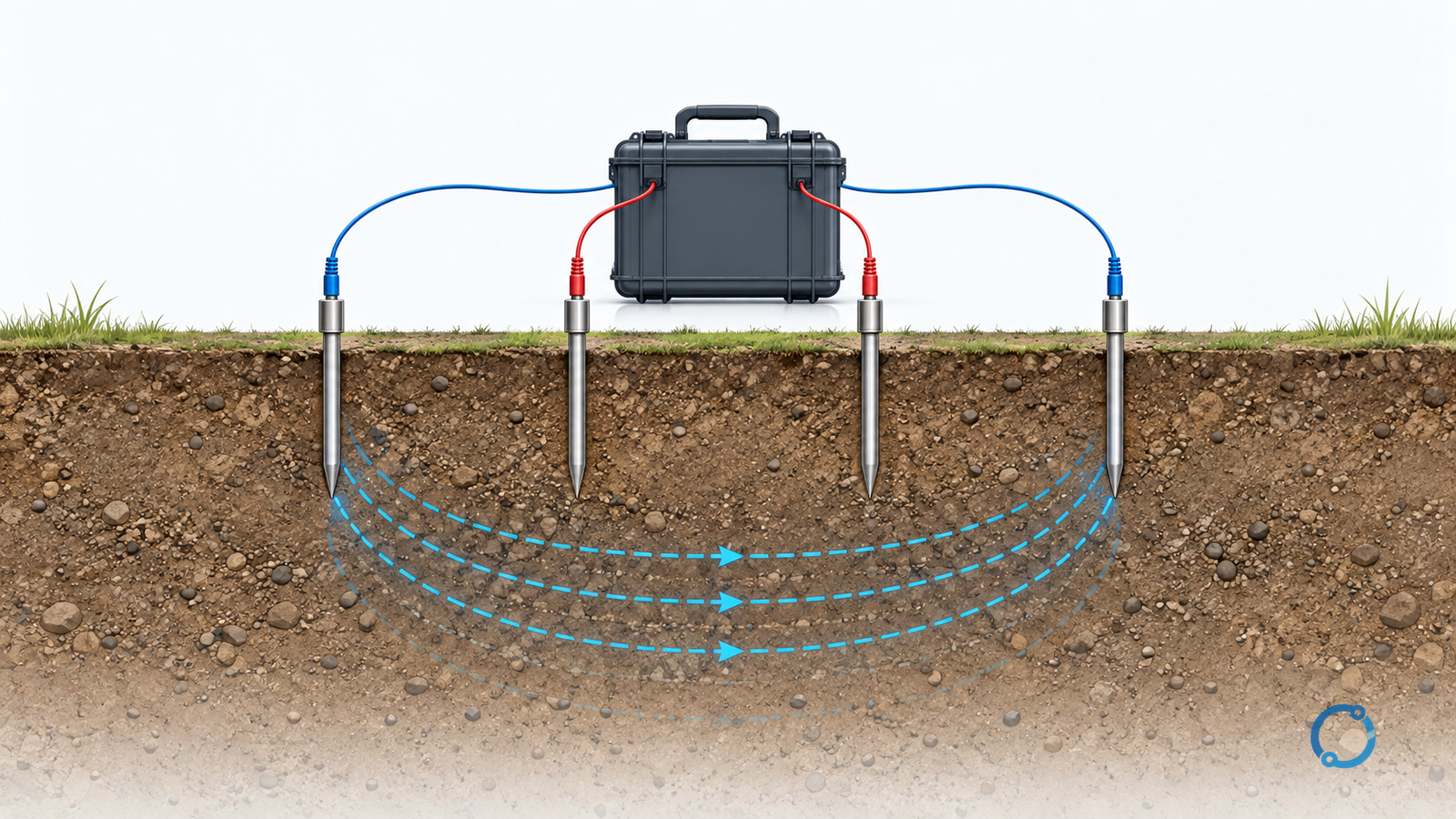
Earth Electrode Testing: Soil Resistivity, Resistance and BS 7430 Boundaries
Earth-electrode testing begins by identifying the quantity you need: soil resistivity, electrode resistance or impedance to remote earth, bonding continuity, or surface potential during a defined condition. These…
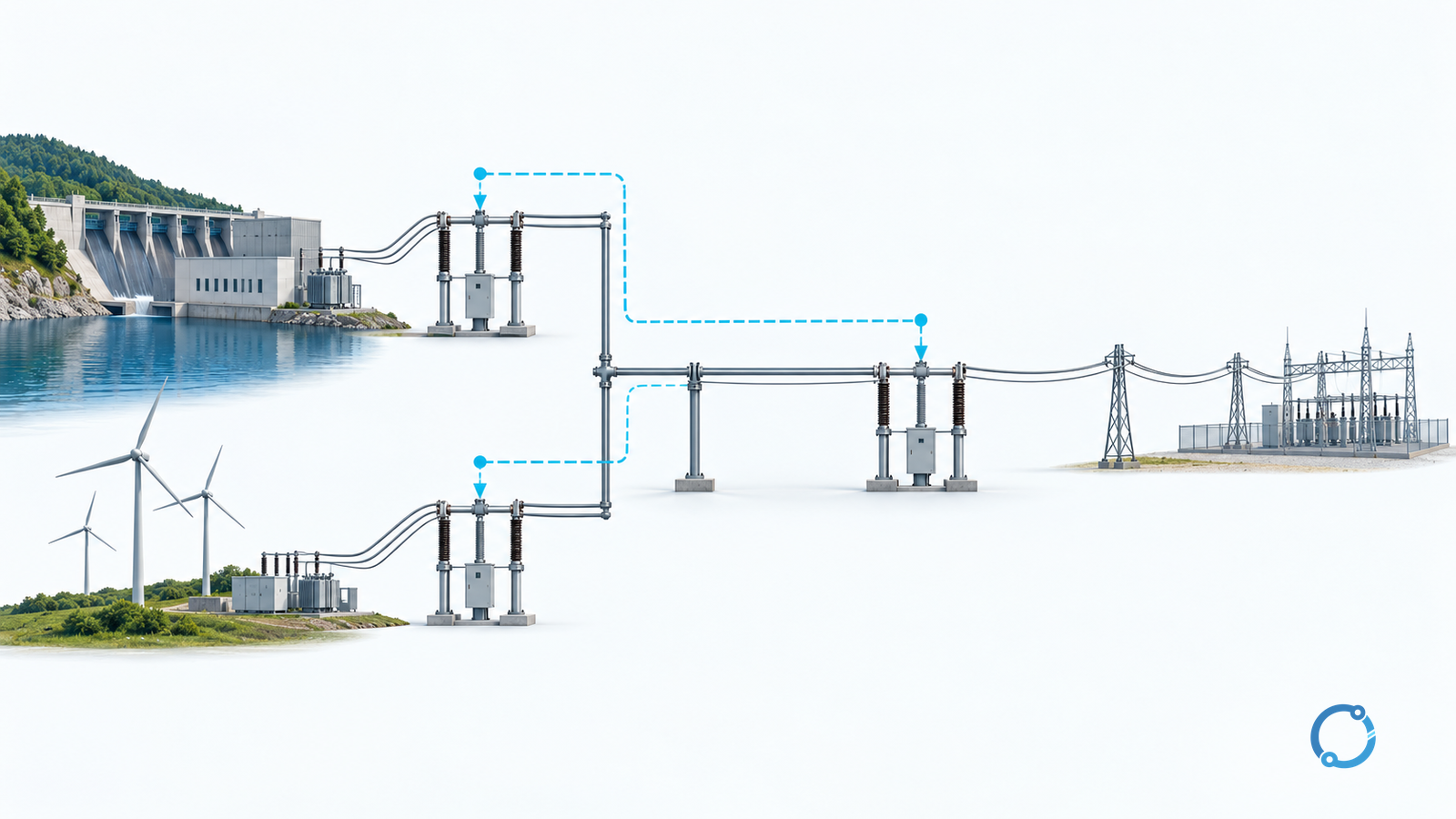
Backup Line Protection: Remote Backup, Local Backup and Breaker Failure
Remote backup, local backup and breaker-failure protection address different failure paths. Remote backup detects the fault from another location and clears it through other breakers. Local backup supplies…
Substation Battery Charger Sizing: Continuous Load and Recharge Duty
A substation battery charger must support the ongoing direct-current (DC) load while returning the charge removed from the battery within the accepted recovery period. Calculate those two demands…
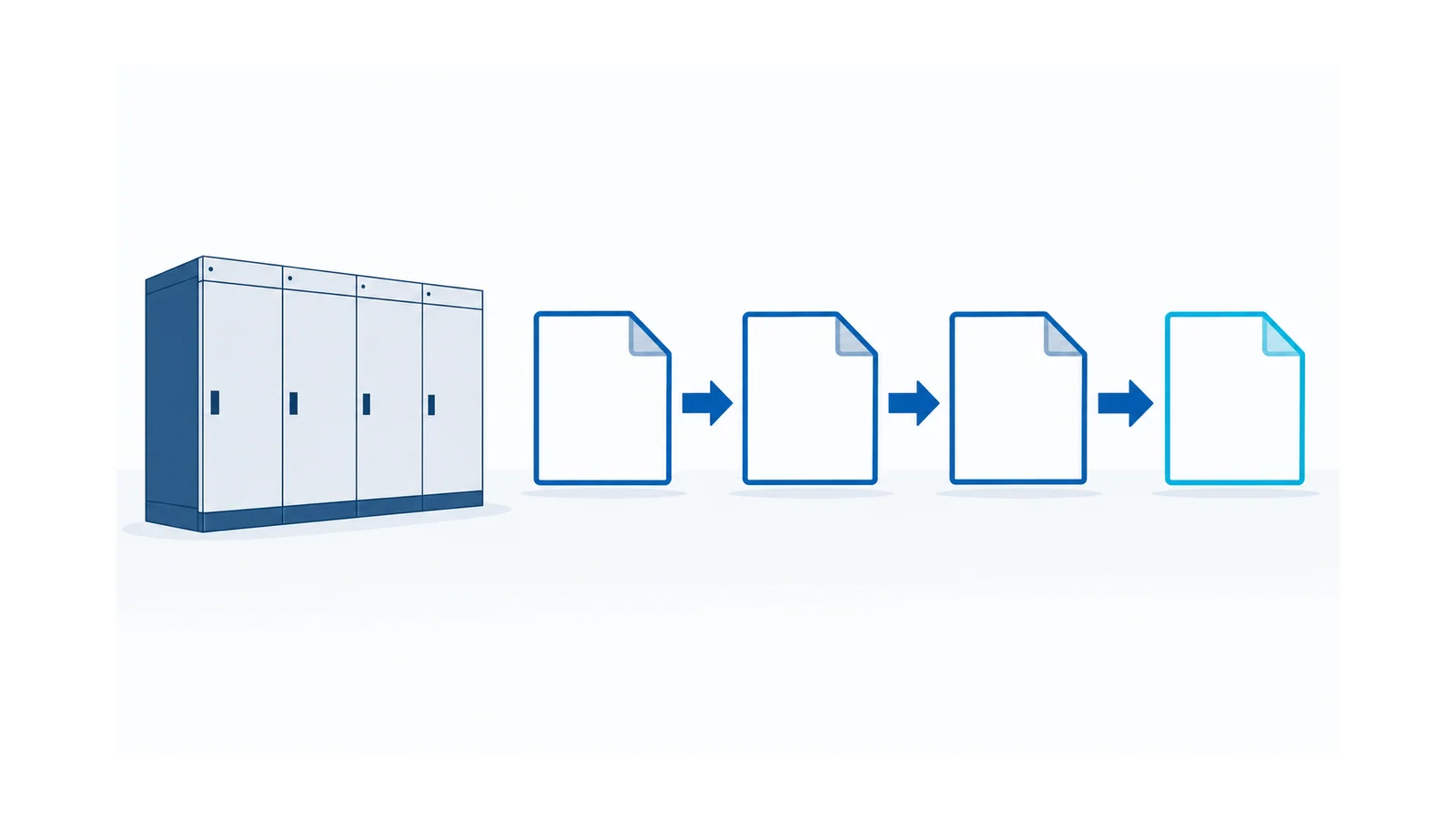
MV Switchgear Commissioning: Evidence Required Before Energization
Medium-voltage (MV) switchgear is ready for initial energization when the installed assembly, its protection and control interfaces, and its restored operating configuration have traceable acceptance evidence. A passing…
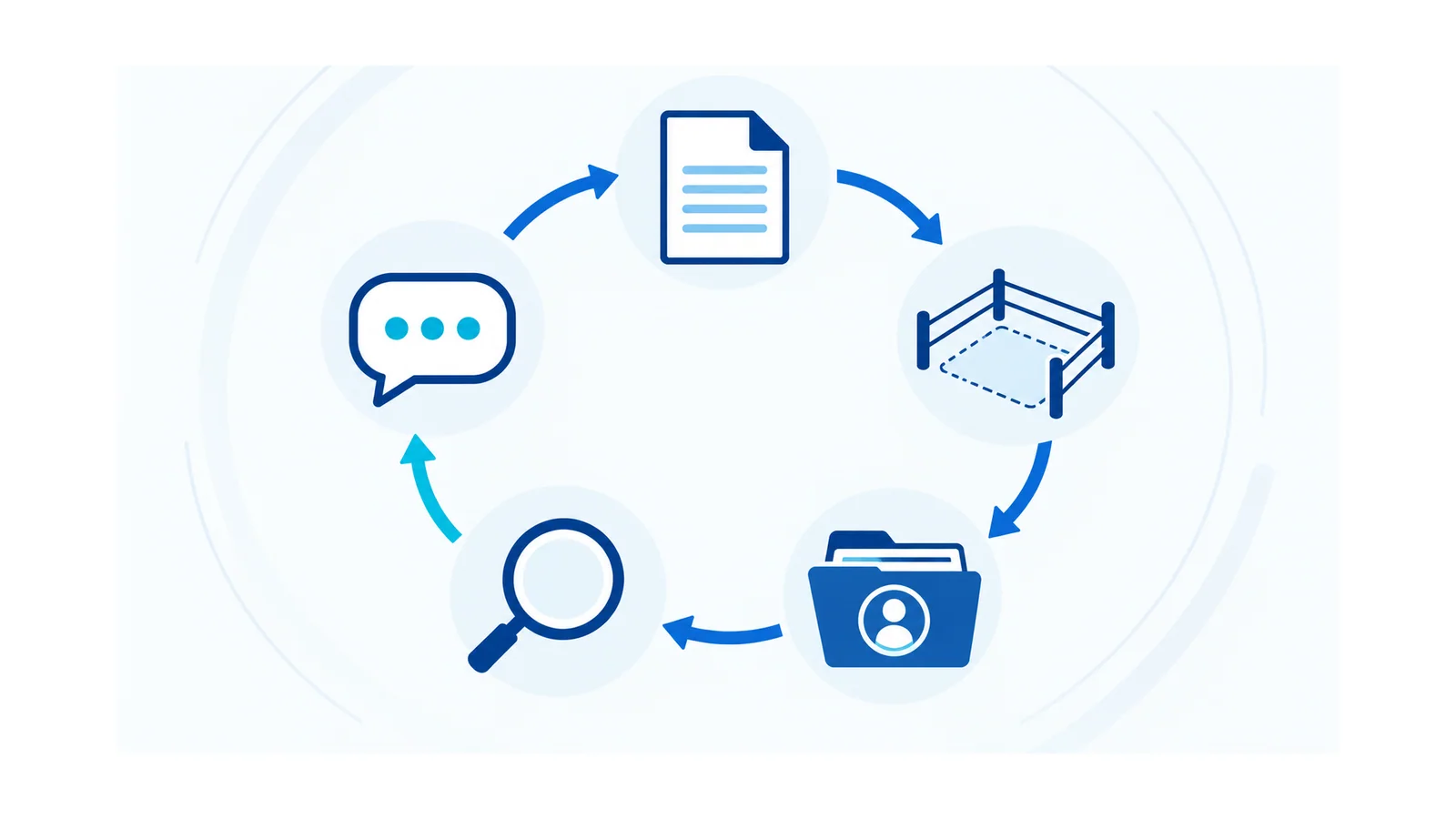
Electrical Safety Culture: Turn Hazard Reports into Verified Controls
Electrical safety culture becomes observable when a worker can raise a concern, obtain a controlled response, and see that the corrective action actually works. Build that feedback loop…