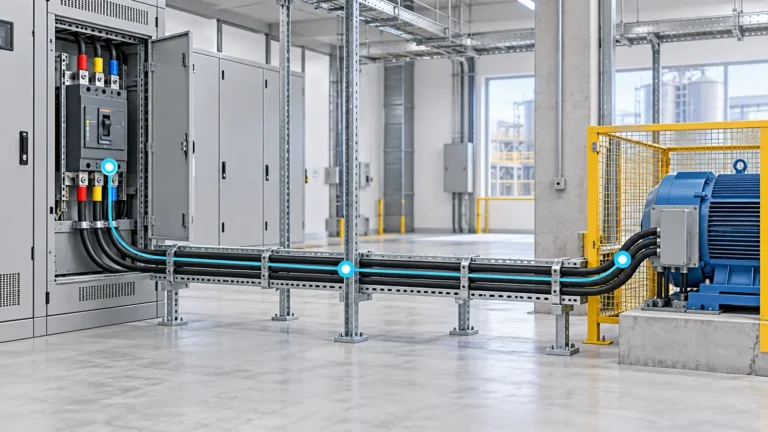
Wiring, Cables & Busbars
Cable Sizing for Circuit-Breaker-Protected Feeders: Six Verification Gates
For an LV feeder protected by a circuit breaker, choose a cable whose corrected current-carrying capacity covers the load and the breaker’s…

OHELE topic hub
Conductor sizing, cable systems, busbars, terminals, joints and panel wiring.
This hub follows the complete current path: conductor sizing, cable construction and installation, terminations, busbars, joints and panel wiring. Start with feeder cable sizing and circuit-breaker coordination, then move into the group that matches the component or verification question. Selection guides separate conductor ratings, installation conditions, accessory compatibility, thermal effects and short-circuit duty. No single catalogue dimension proves interchangeability.
Wiring, Cables & Busbars
For an LV feeder protected by a circuit breaker, choose a cable whose corrected current-carrying capacity covers the load and the breaker’s…
Cable size depends on the expected current, installation method, ambient and grouping conditions, voltage drop, protective-device behaviour, short-circuit withstand and applicable installation rules. The largest requirement from those checks can govern the final selection.
Compare the complete current path, including conductivity, required cross-section, mass, support, joint system, thermal expansion, environment, losses and fabrication. A conductivity ratio alone does not establish equivalent ampacity or a safe connection.
The block must match conductor type and size, voltage and current duty, connection function, rail space, accessories, environmental conditions, approvals and the panel's short-circuit context. The installation must also remain accessible for inspection and maintenance.
Only when the terminal product, conductor combination and installation are explicitly suitable and approved for that arrangement. A terminal that visually accepts two wires does not prove that the connection is rated, tested or compliant.
Busbar can provide a compact, high-current distribution path with predictable support and jointing. Cable can be more flexible in routing and connection. The choice depends on current, fault level, space, enclosure, maintenance, voltage drop and installation requirements.
Newest first
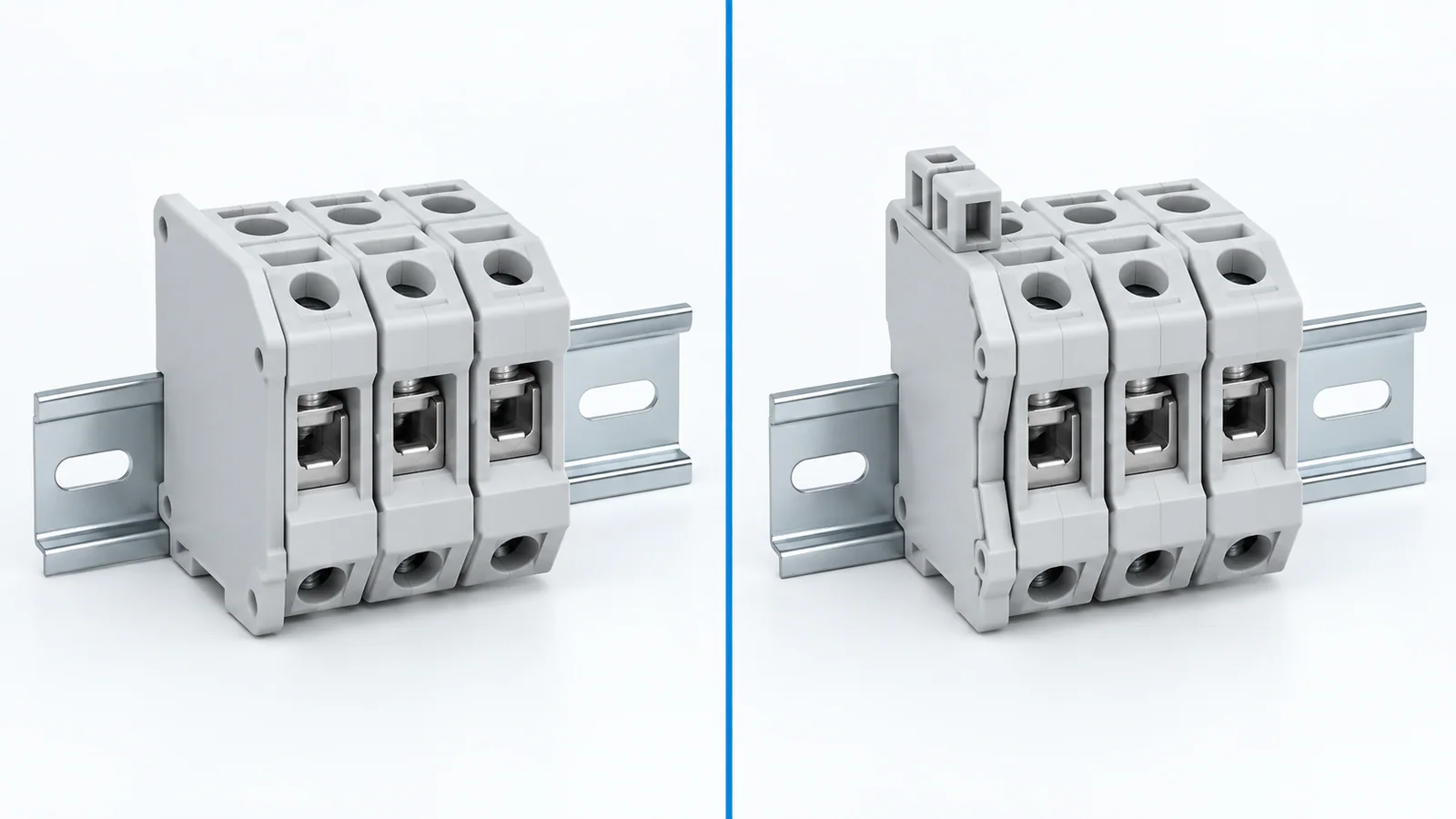
A terminal block is not interchangeable just because it clips onto the same rail or accepts the same-looking wire. Before approving a replacement, compare the circuit function, rated…
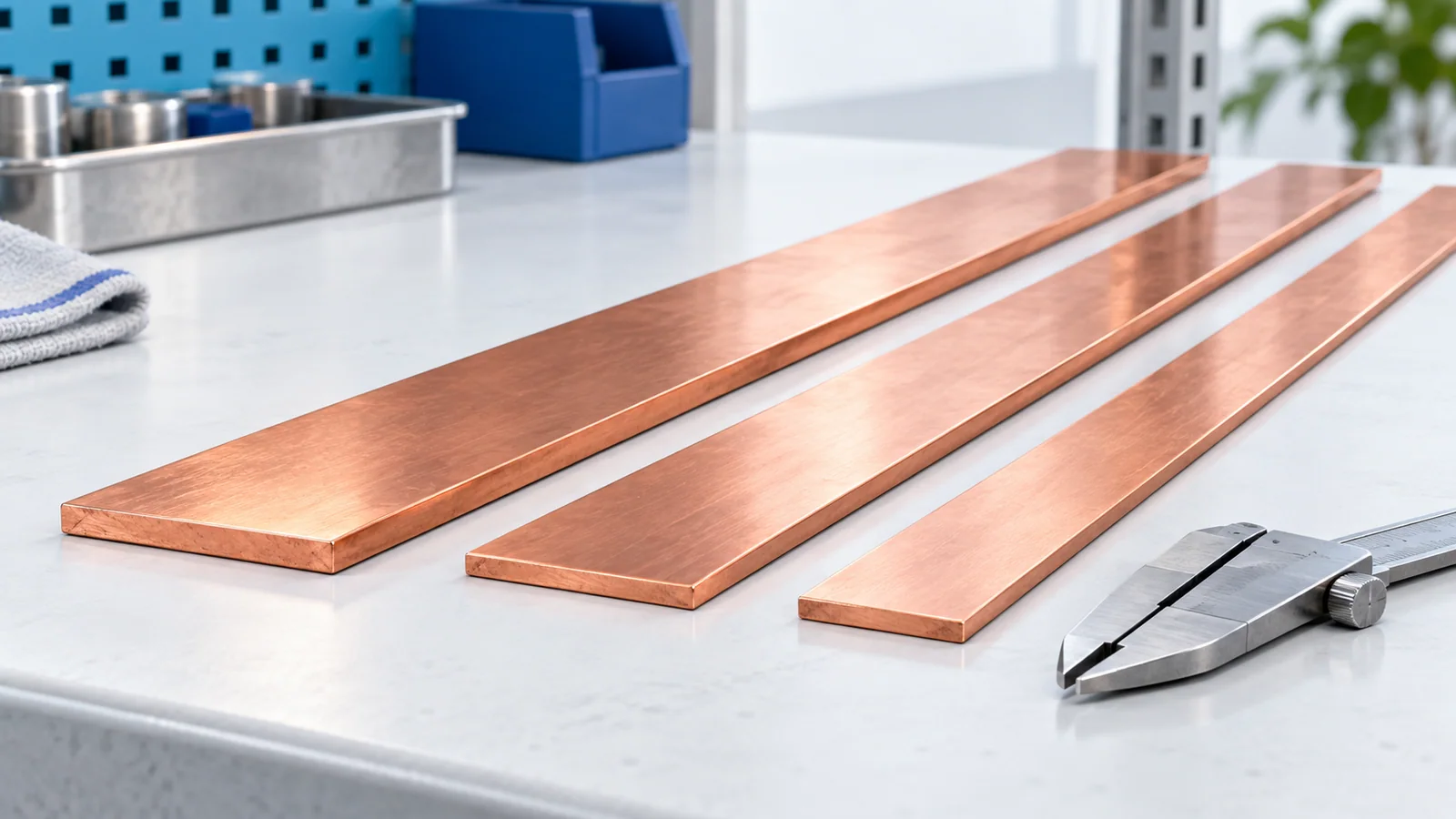
For a straight rectangular copper bar, calculate net mass from width × thickness × length × density, then multiply the billable kilograms by the quoted currency per kilogram.…
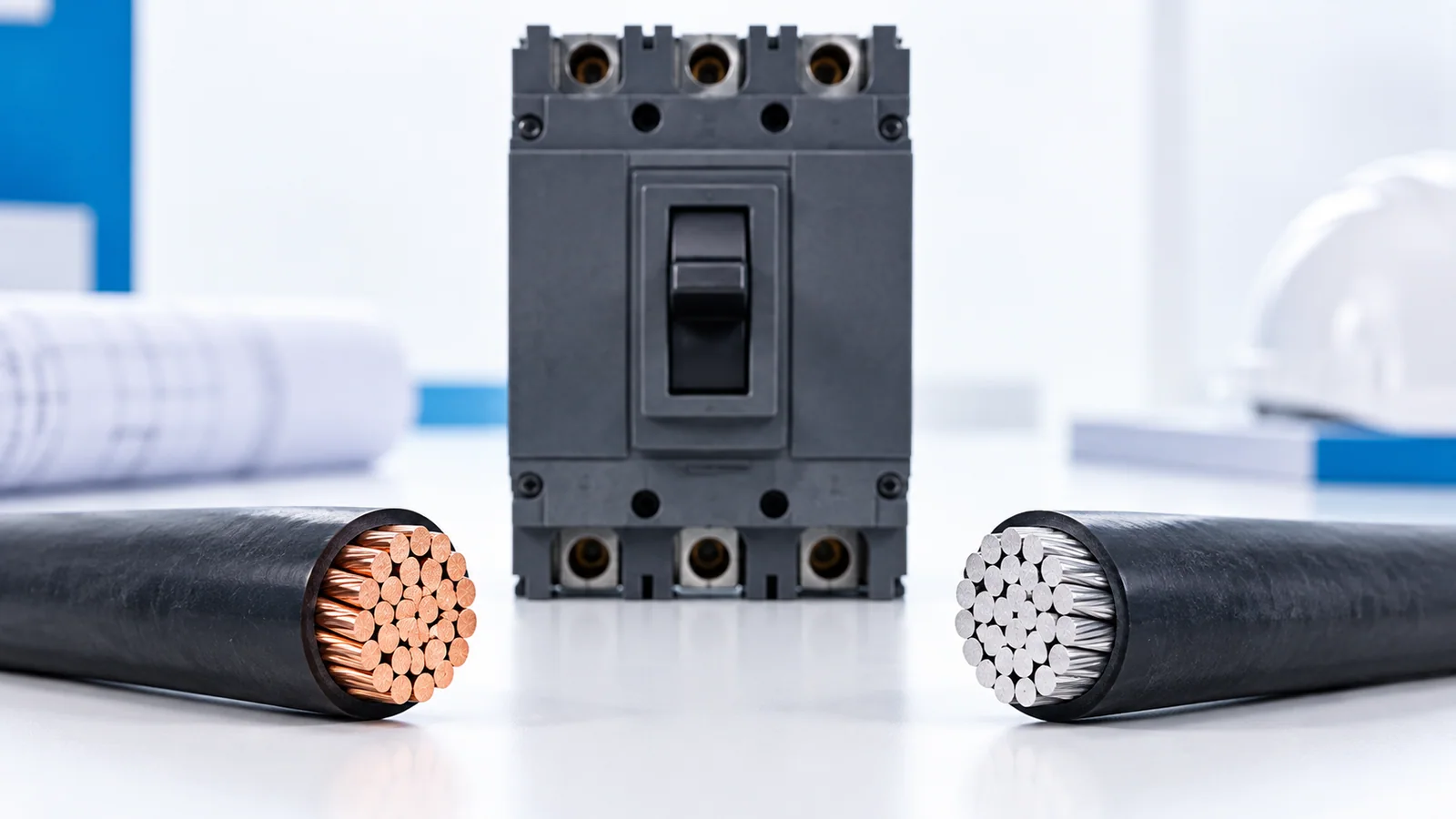
For a U.S. 100-A branch or feeder circuit, a common starting point is 3 AWG copper or 1 AWG aluminum when the equipment terminations permit the 75°C ampacity…
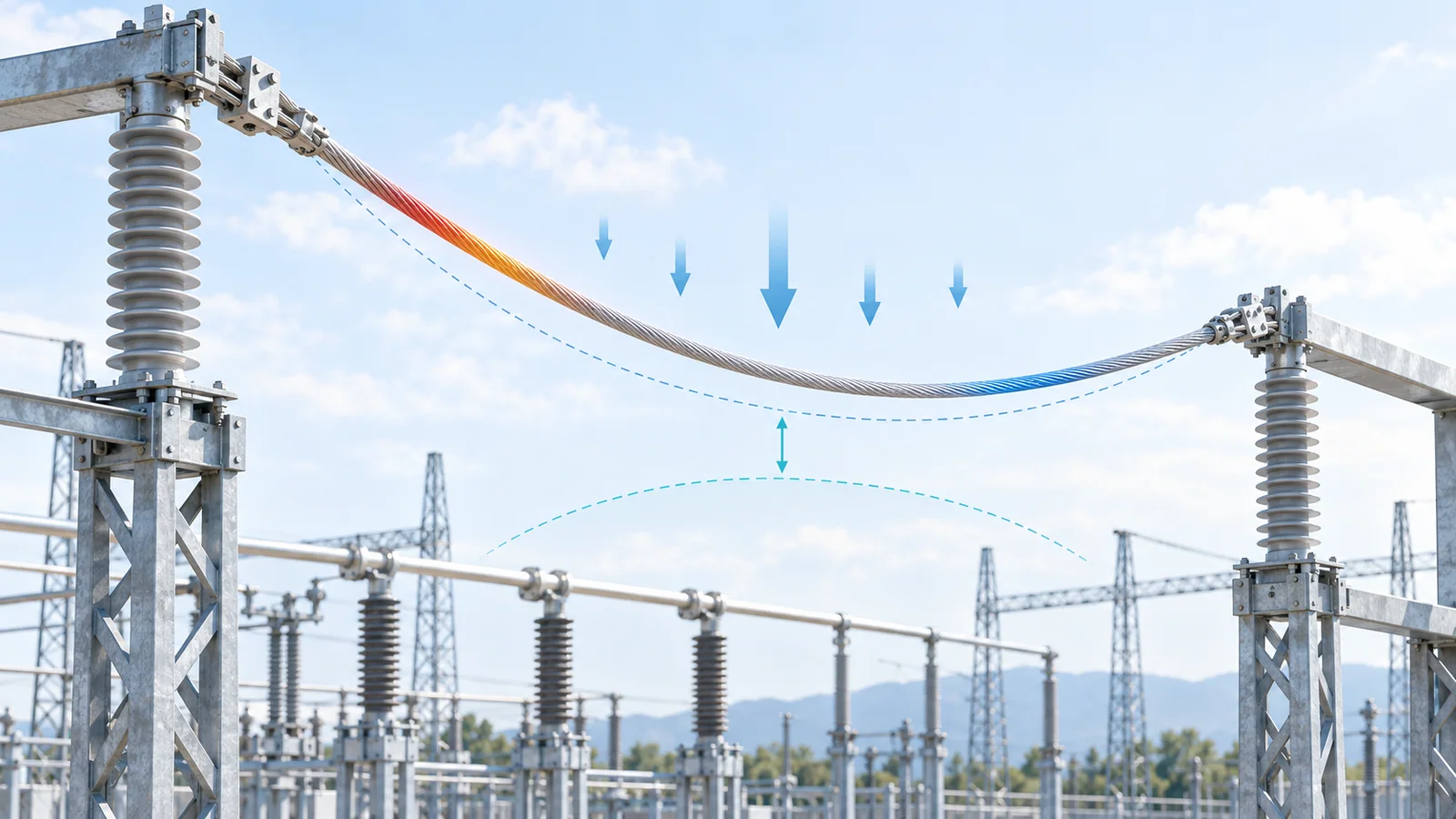
Selecting a flexible bare conductor for an outdoor substation is not an ampacity lookup. The selected conductor, bundle, span and fittings must pass four linked studies: continuous and…
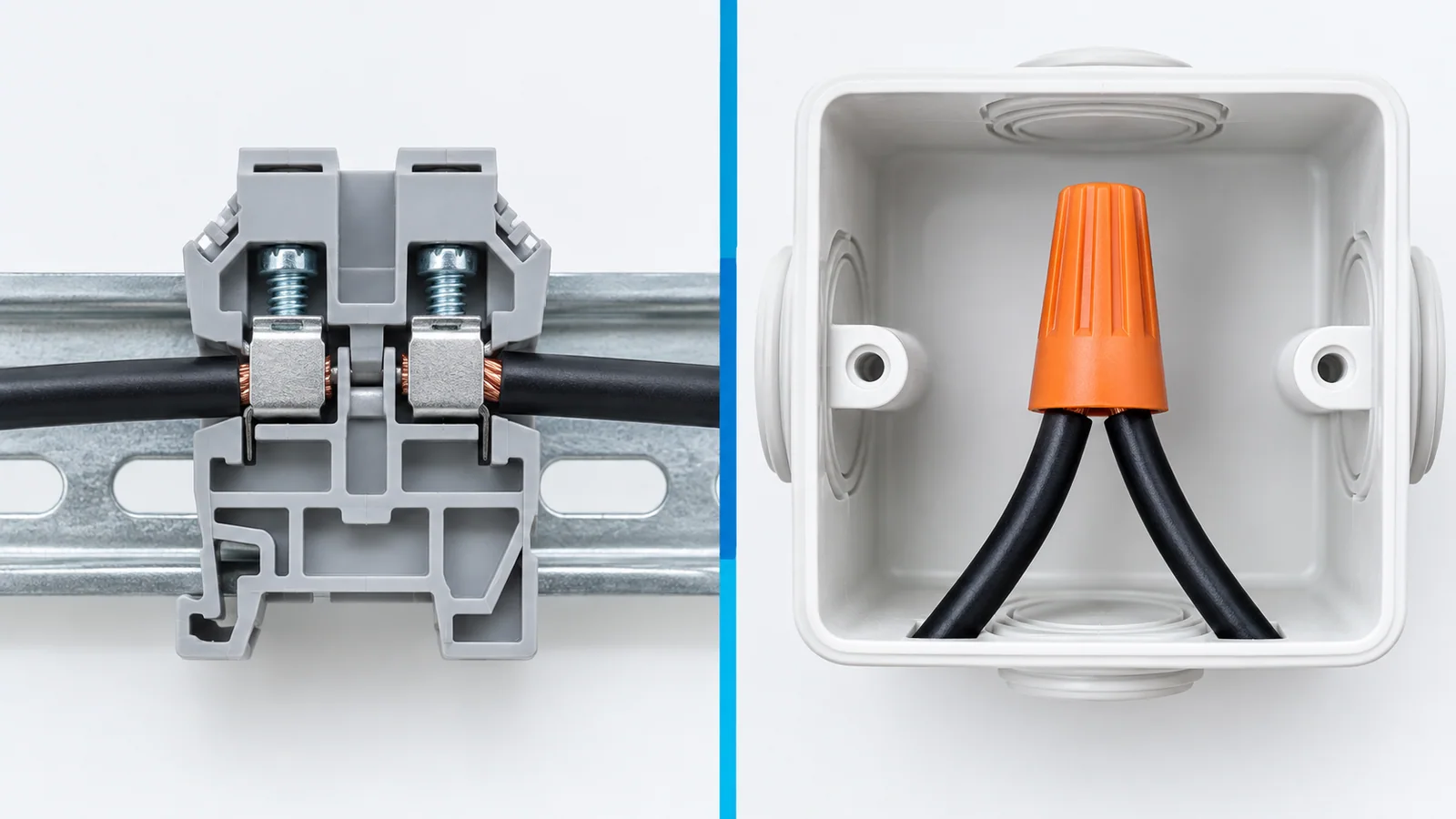
Use terminal blocks when conductors need organized, repeatable equipment terminations, circuit identification, test access or controlled disconnection. Use a listed twist-on or other splicing wire connector when compatible…
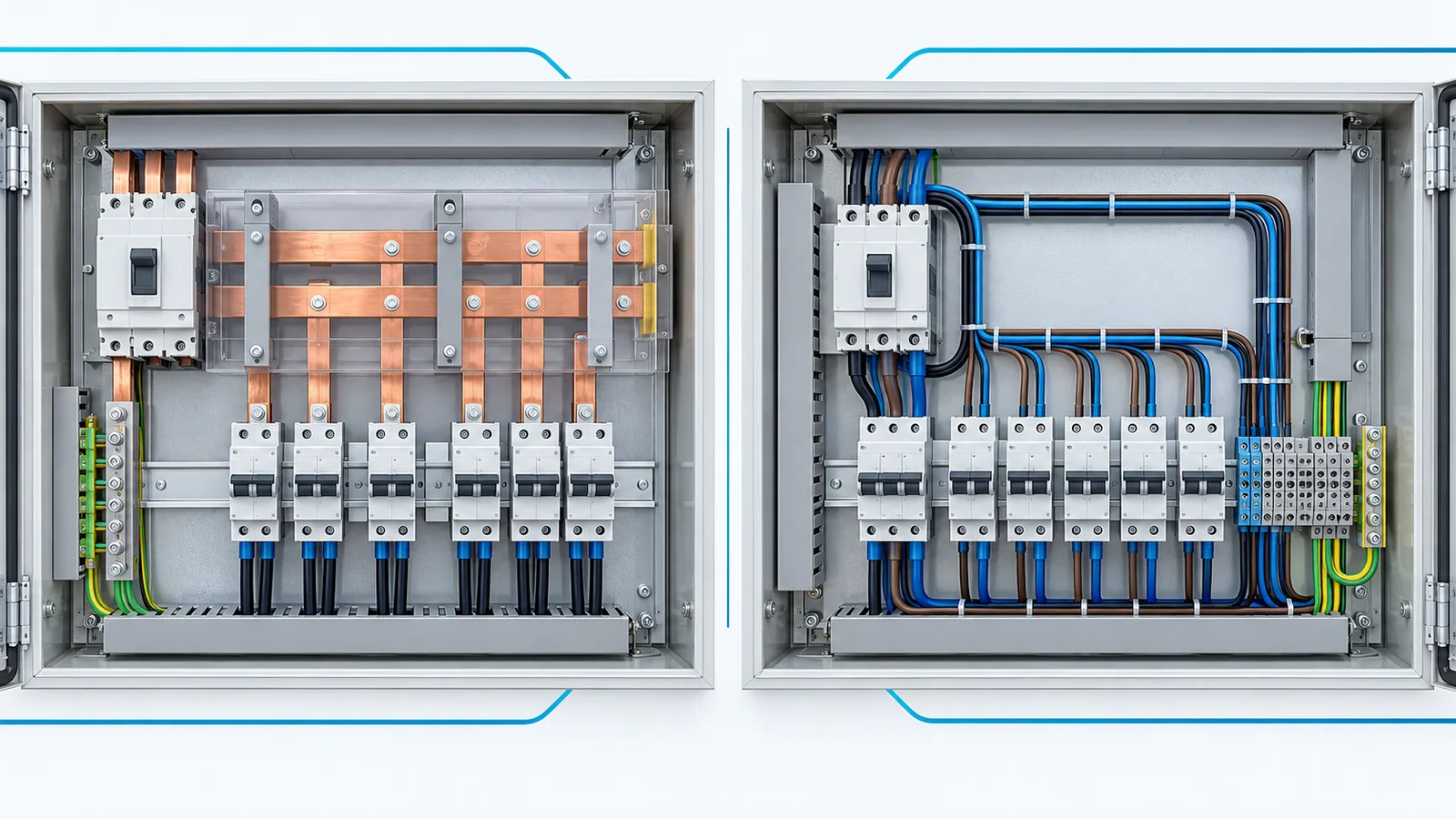
An engineered busbar system is often attractive when a low-voltage panel distributes substantial current to repeated devices in a compact, stable layout. Discrete cable and terminal blocks usually…
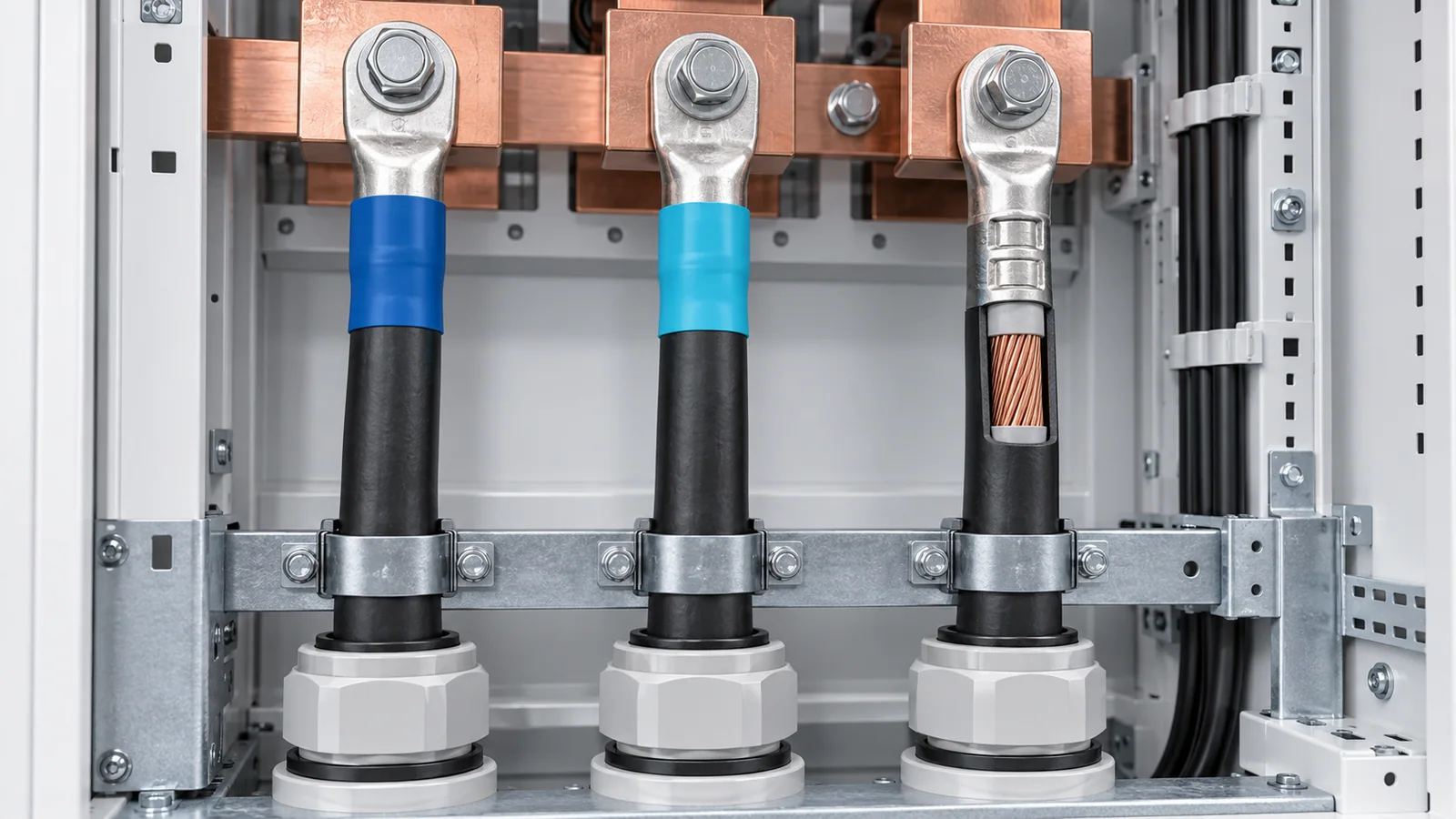
A reliable low-voltage cable termination is a controlled electrical and mechanical interface. The connector must match the conductor material, size, strand class, temperature rating, and equipment terminal; preparation…
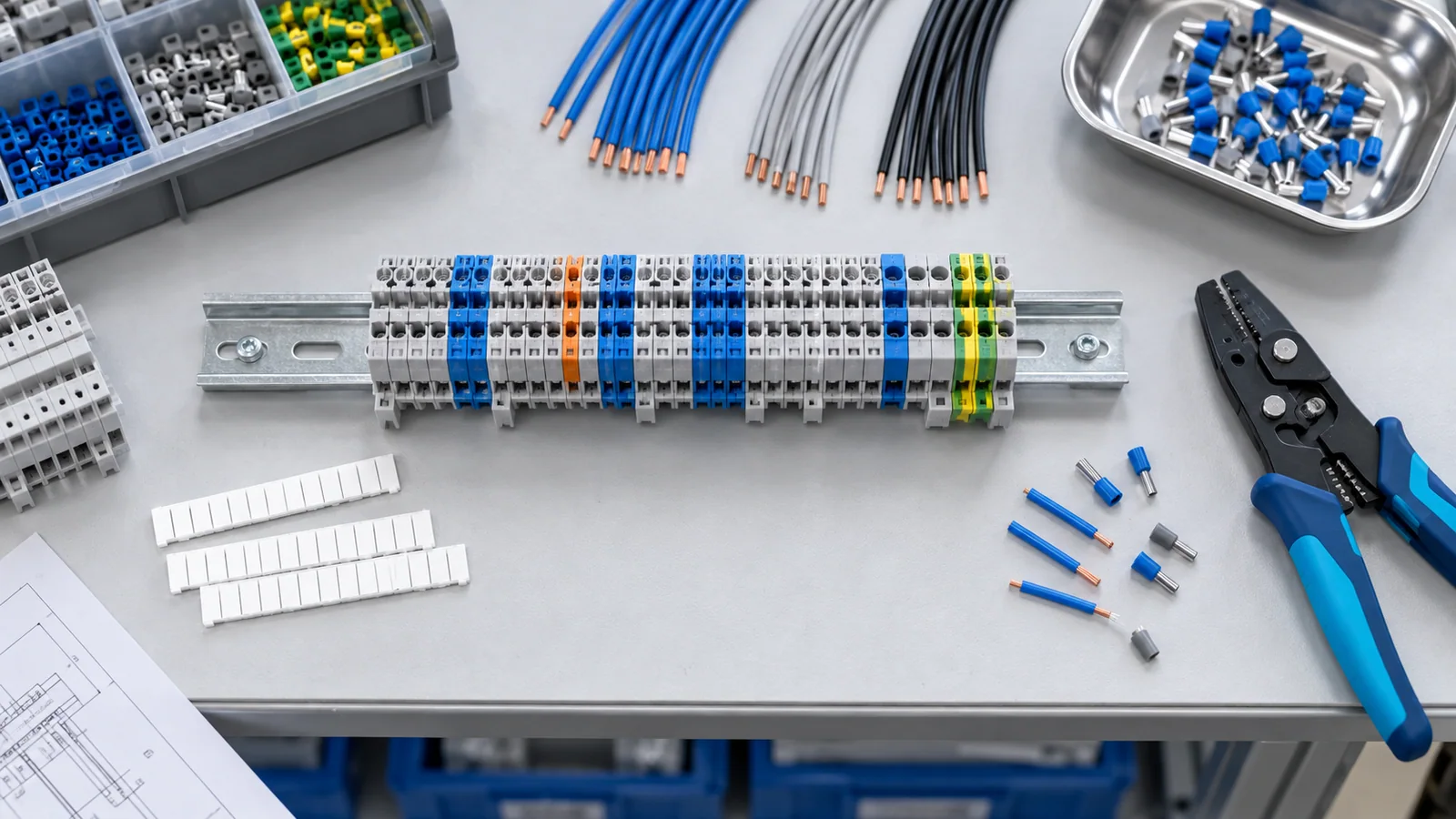
The lowest-cost terminal-block build is not necessarily the one with the cheapest block. For a repeatable low-voltage panel, reduce total installed cost by controlling wire preparation, terminal selection,…
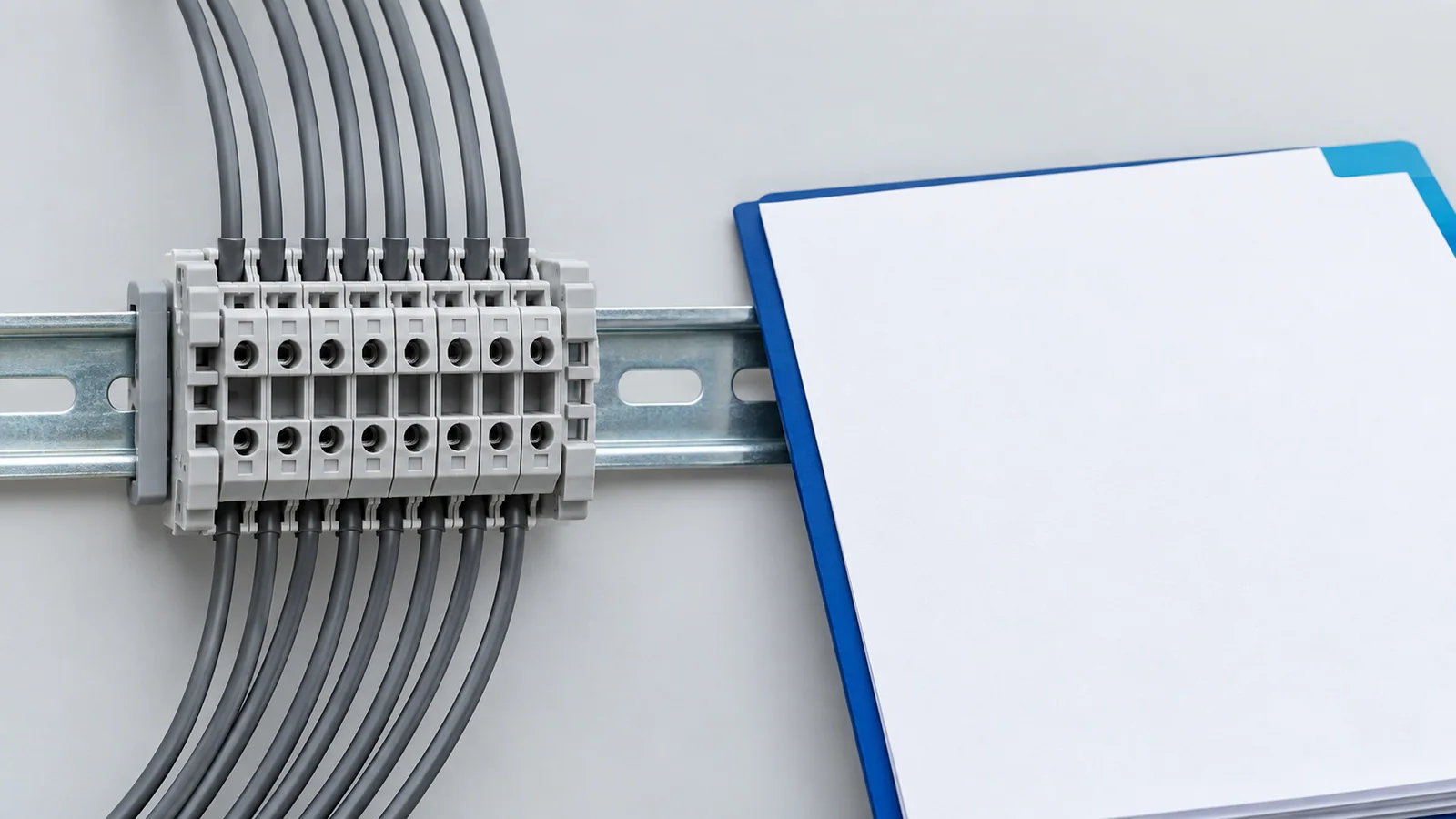
A marking on a terminal block is a starting point for verification, not permission to connect any wire that fits. Read the component identification, voltage and current ratings,…
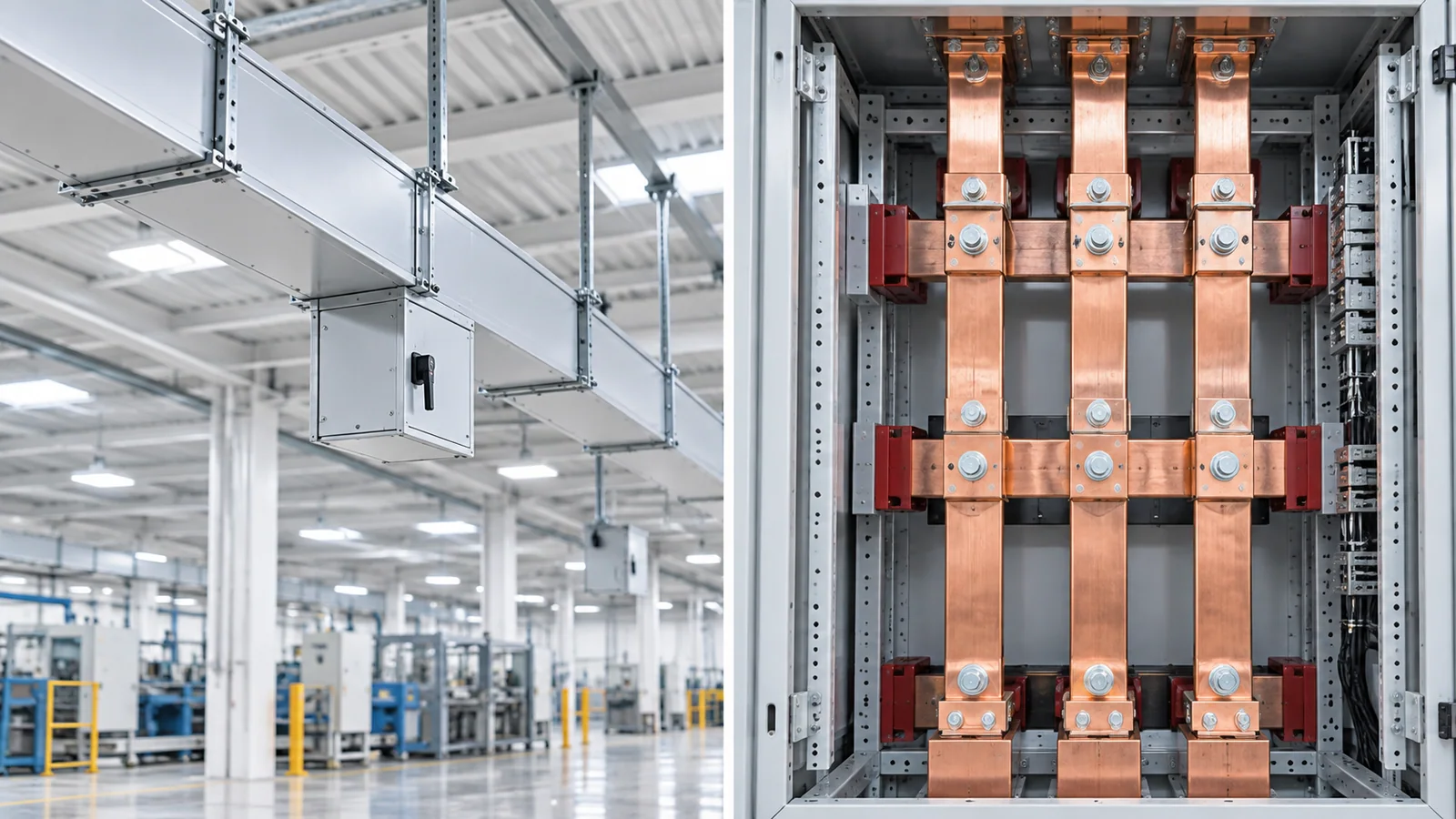
Busway—or busbar trunking—is a complete enclosed distribution assembly with conductors, enclosure, joints, supports and often tap-off provisions. A busbar is the conductor itself or a conductor system integrated…